When Does the Delaware River Shad Run Start in New Jersey?
For many anglers in New Jersey, there's a unique thrill that comes with the anticipation of the annual shad run on the Delaware River. It’s a sure sign that spring has truly arrived, bringing with it a fantastic opportunity for some exciting catch-and-release action, or even a delicious meal. However, pinning down the exact start date can feel like chasing a phantom. The truth is, it's never a precise calendar day, but rather a dynamic window influenced by nature's subtle cues. This guide aims to demystify the timing, helping you understand when these magnificent anadromous fish begin their upstream journey into the Garden State's waters.
Understanding the Annual Delaware River Shad Migration
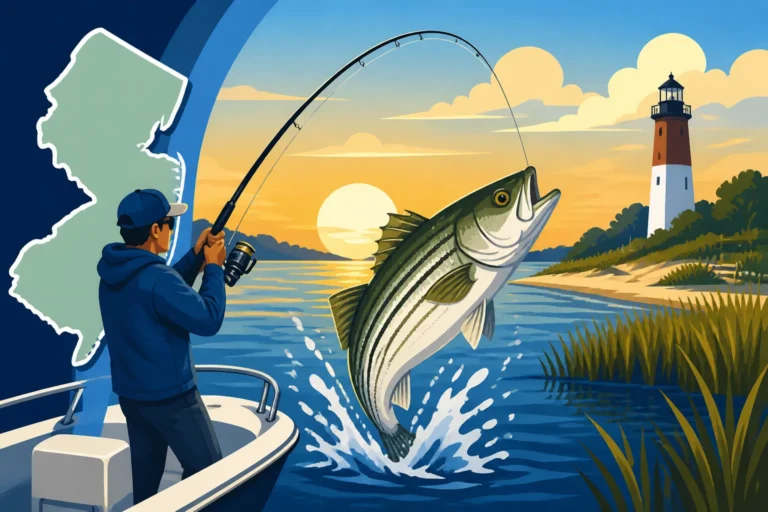
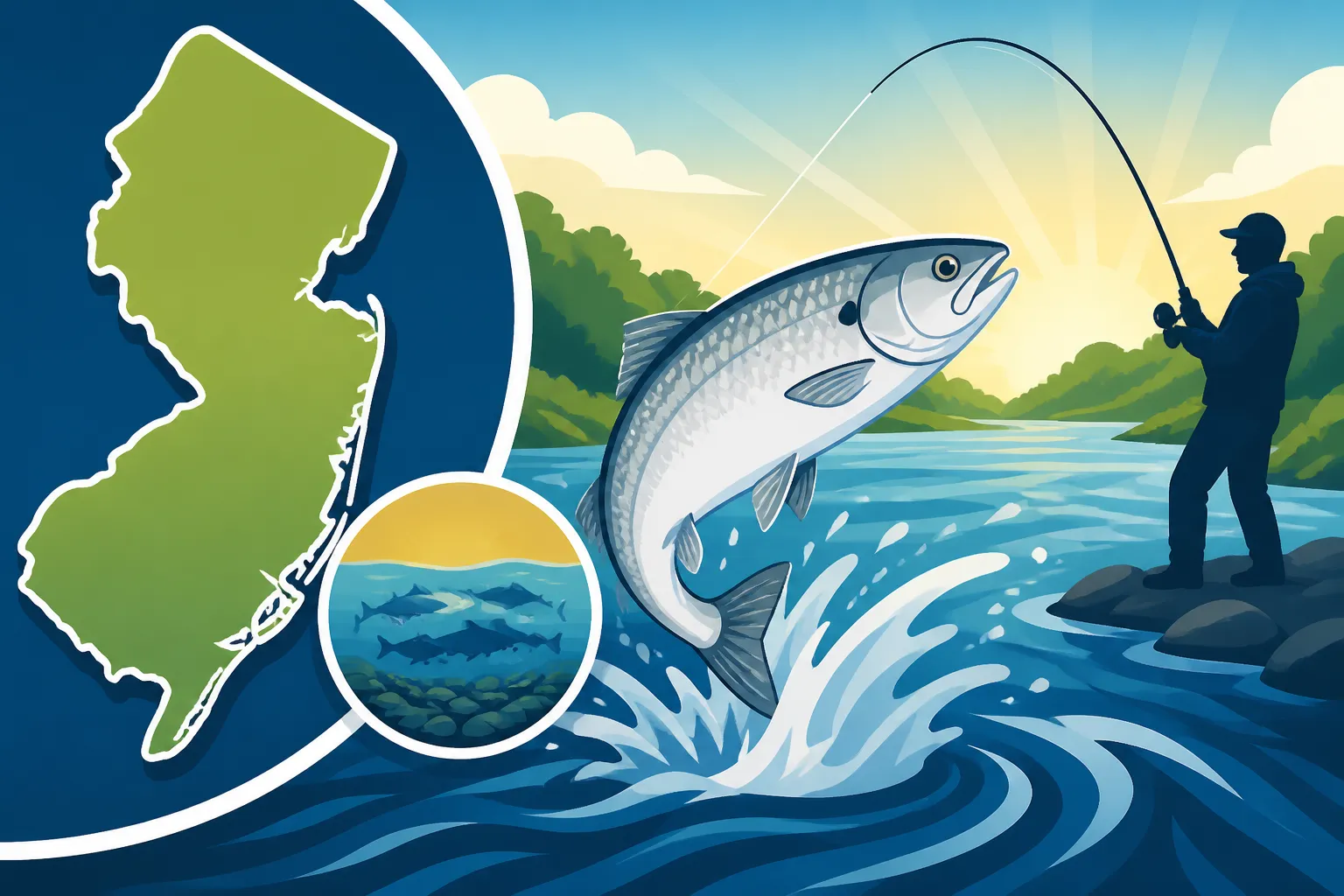
The Delaware River shad run is one of the East Coast's most celebrated freshwater fishing events. It’s an incredible natural phenomenon that draws thousands of anglers to the riverbanks each spring. These fish, primarily American Shad, embark on a remarkable journey from the ocean, swimming upstream to spawn in the freshwater tributaries where they were born. Their return signals not just a fishing opportunity, but a vibrant ecological spectacle.
American Shad Versus Hickory Shad
While often lumped together, it's important to distinguish between the two main types of shad you might encounter in the Delaware River: American Shad and Hickory Shad. American Shad are the larger, more sought-after species, known for their powerful fight and often reaching impressive sizes. They are typically bright silver with a distinct row of spots along their sides, usually larger and more pronounced than those on a hickory shad. These are the main target of the spring run.
Hickory Shad, on the other hand, are smaller, more slender, and often have a more bronze or brassy tint, with a less defined row of spots. They tend to enter the river earlier than American Shad, often acting as the initial wave that signals the start of the overall shad migration. While smaller, they are feisty fighters on light tackle and are often caught in the same areas. Understanding which species you're catching can give you clues about how far along the main run is.
The Shad's Remarkable Anadromous Life Cycle
Shad are anadromous fish, meaning they spend most of their lives in saltwater, often ranging far out into the Atlantic Ocean, before migrating back to freshwater to spawn. This incredible journey is driven by an instinctual urge to reproduce, taking them hundreds of miles upstream in some river systems. For the Delaware River, this migration typically begins in late winter or early spring in the lower reaches of the river, near Delaware Bay, and progresses steadily northward.
Their return to freshwater isn't just a simple swim; it's a strenuous journey against currents, often covering significant distances. This yearly cycle is crucial for the species' survival and makes for an exciting, albeit brief, fishing season. The sheer numbers of fish that can flood the river during the peak of the run are truly a sight to behold, creating a unique challenge and reward for anglers ready to intercept them.
Key Factors Influencing the Shad Run Start Date
As exciting as the shad run is, predicting its exact start can be challenging. It’s not a fixed date on the calendar, but rather a dynamic event largely dictated by environmental cues. Mother Nature holds the remote control when it comes to the timing of this epic migration, and two factors stand out as the primary drivers: water temperature and river flow.
The Crucial Role of Water Temperature
Without a doubt, water temperature is the single most important factor dictating when the shad run truly kicks off and how quickly it progresses upstream. Shad are incredibly sensitive to temperature changes, and they won't begin their migration in earnest until the water reaches a specific comfort zone. Typically, the first scouts—often those smaller Hickory Shad—begin to appear when water temperatures in the lower Delaware River hover around 48 to 52 degrees Fahrenheit. These are the early birds, testing the waters and providing the first whispers of the coming wave.
The main body of the American Shad run, however, usually doesn't hit its stride until temperatures consistently climb into the 55 to 65-degree Fahrenheit range. This is the sweet spot where the fish are most active, pushing hard upriver, and feeding aggressively. If New Jersey experiences a mild winter and an early spring warm-up, the run might start in late March or early April. Conversely, a prolonged cold snap or a late winter thaw can delay things, pushing the peak into late April or even early May. Keep an eye on water temperature gauges for sections of the Delaware River, as this is your best indicator.
Impact of Rainfall and Snowmelt on River Conditions
Beyond temperature, the flow and clarity of the Delaware River play a significant role in the timing and success of the shad run. Heavy spring rains and snowmelt from the upper watersheds can cause the river to swell, increasing its flow and often making the water murky. While a certain amount of fresh flow can actually encourage shad to push upstream, excessive flooding and highly turbid (muddy) water can slow the migration down considerably. Shad prefer clear to moderately stained water for their journey.
If the river is running high and dirty, the fish might hold in deeper pools or wait in clearer tributaries until conditions improve. This means that even if the water temperature is ideal, a major rain event can put a temporary halt on the fishing. Conversely, prolonged dry spells can lead to lower, clearer water, which might allow the fish to move rapidly but could also make them more wary. It's a delicate balance, and experienced anglers always check the river levels and clarity reports before heading out. Websites and local bait shops are excellent resources for up-to-the-minute river conditions. You might even want to check conditions for Delaware River Fly Fishing Conditions in New Jersey if that's your preferred method.
Historical Trends and Local Wisdom
While environmental factors dictate the immediate timing, historical data and local knowledge offer valuable insights. Generally speaking, the shad run in the New Jersey stretch of the Delaware River typically begins in earnest around the second or third week of April. However, as discussed, this can fluctuate by a week or two either way depending on the spring weather patterns. The peak of the run usually occurs from late April through the first two weeks of May, after which the numbers gradually taper off as spawning concludes.
Many seasoned anglers and local bait shops have kept detailed logs over the years, noting specific dates, water temperatures, and the success of the run. These informal records, combined with the official reports from the New Jersey Division of Fish and Wildlife, can provide a good benchmark. Don't be shy about striking up conversations at local tackle shops, like those in Lambertville or Frenchtown; these folks live and breathe the river and often have the most accurate, real-time pulse on the shad movement. They can tell you if the "first waves" have arrived, or if the main body of fish is still a week or two out.
Key New Jersey Areas to Target and What to Look For
Once you have a handle on the expected timing, knowing where to go and what to look for is crucial for success during the Delaware River shad run. New Jersey offers numerous access points along its border with the Delaware River, each with its own nuances and advantages. From bustling bridge areas to quieter stretches, being in the right place at the right time can make all the difference.
Prime New Jersey Access Points
Along the New Jersey side of the Delaware River, several spots consistently produce good numbers of shad. These locations offer varying types of access, from shore fishing to boat ramps, catering to different angler preferences.
- Lambertville/New Hope Area: This is arguably one of the most popular and well-known shad fishing destinations on the Delaware. The area around the New Hope-Lambertville bridge is a hotbed of activity, particularly for shore anglers. The current breaks and deeper channels here create excellent holding areas for migrating shad. You'll find plenty of parking, but expect crowds during the peak of the run, especially on weekends. It's a vibrant atmosphere, often with many anglers sharing tips and enjoying the camaraderie.
- Frenchtown: A bit further north, Frenchtown offers a slightly more relaxed pace than Lambertville, though it can still get busy. There are good shore access points and a public boat ramp that allows anglers to drift the river. The stretches of river north and south of Frenchtown can be very productive, with various depths and currents to explore.
- Bull's Island Recreation Area (Stockton): Located south of Frenchtown, Bull's Island provides ample shore access and a tranquil setting. It's a great spot for those looking to get away from the immediate crowds of the bridges. The canal that runs parallel to the river here can also hold shad, particularly during high water. You'll want to check on specific park regulations, as some areas may have restrictions or fees.
- Phillipsburg/Easton Area: Upstream, near the confluence of the Lehigh River, the Phillipsburg area offers additional opportunities. The currents around the bridges here can be excellent for shad, and there are several parks and access points. This area might see the run a bit later than the more southern spots due to the fish's upstream migration.
When fishing these areas, remember that local regulations regarding New Jersey Freshwater Fishing Regulations Every Angler Should Know still apply, including any specific rules for the Delaware River.
Visual Cues and Signs of the Run
Beyond checking the calendar and water temperatures, keeping an eye out for visual cues can give you immediate confirmation that the shad are in the river. Experienced anglers learn to "read" the river and recognize the signs of a burgeoning run.
- Jumping Fish: This is perhaps the most obvious sign. Shad are known for their acrobatic jumps, especially when they're in strong currents or navigating rapids. Seeing multiple fish breaching the surface, often in rapid succession, is a clear indication that a school is moving through. These aren't necessarily feeding jumps; sometimes it's just their way of navigating or possibly dislodging parasites.
- Bird Activity: Gulls, ospreys, and other predatory birds often follow the shad migration. If you see an unusual concentration of gulls diving or ospreys actively hunting over a particular stretch of the river, it's a good bet that baitfish, and by extension, shad, are present below. While shad aren't typically a primary food source for all these birds, the general increase in aquatic activity can attract them.
- Other Anglers: While it sounds simple, a sudden increase in the number of anglers lining the banks, particularly at known hotspots, is a reliable indicator that the fish have arrived. Anglers talk, and news of the run travels fast. If you see folks actively reeling in fish, you've found the right spot. This is especially true at places like Lambertville, where the crowds swell significantly once the bite is on.
Spotting the "Scouts" and the Main Wave
Understanding the progression of the run is key. As mentioned, the first fish to arrive are often the "scouts" – typically smaller Hickory Shad or the earliest, more aggressive American Shad. These pioneers brave the cooler waters and provide the first taste of the season. Catching these early arrivals is a good indicator that the main body of the American Shad is not far behind.
The main wave of the American Shad run is when the river truly comes alive. This is characterized by a significant increase in the number and size of fish. During the peak, you might even notice distinct "lanes" of fish moving upstream, often hugging specific current seams or deeper channels. They are pushing hard to reach their spawning grounds further upriver. Observing the size and type of shad being caught will help you determine whether you're still in the early stages, experiencing the peak, or nearing the end of the run. Knowing this can also inform your choice of flies or darts; smaller offerings might work for early, smaller fish, while larger presentations can tempt the larger American Shad during the peak.
Preparing for the Shad Run in New Jersey
To make the most of the Delaware River shad run, a little preparation goes a long way. Having the right gear, understanding the specific regulations, and knowing how to approach your trip can significantly increase your chances of success and enjoyment. This isn't just about catching fish; it's about being prepared for the unique challenges and rewards that the shad run offers.
Essential Tackle and Baits
Shad fishing doesn't require overly specialized or expensive gear, which is part of its appeal. Most anglers opt for light to medium-light spinning gear, which allows for delicate presentations while still having enough backbone to handle a hard-fighting shad.
- Rods and Reels: A 6 to 7-foot light to medium-light action spinning rod paired with a matching spinning reel spooled with 6 to 10-pound test monofilament or braided line is ideal. The lighter action helps with casting small lures and detecting subtle bites, while the length provides good casting distance from shore.
- Terminal Tackle: The most popular lures for shad are small, brightly colored shad darts and small spoons. Shad darts are typically 1/8 to 1/4 ounce, often in vibrant colors like chartreuse, pink, orange, or a combination. Small silver or gold spoons, like a ¼ oz. Kastmaster or an Al's Goldfish, also work exceptionally well, especially when tied above a dart or a bare hook. Some anglers swear by tandem rigs, using a heavier dart or spoon as a dropper with a lighter dart or fly on a shorter leader above it. This allows for better casting distance and covers more of the water column.
- Fly Fishing Gear: For fly anglers, a 5 or 6-weight fly rod with a matching reel and a sinking tip or full sinking line is generally preferred. Popular fly patterns include small, brightly colored Clouser Minnows, Flashabou streamers, or traditional shad flies in similar vibrant colors as the darts. Fly fishing for shad on the Delaware can be incredibly rewarding, offering a direct connection to these powerful fish. If you're into fly fishing, you might also be interested in "How to Fly Fish for Trout in New Jersey Streams" for other freshwater opportunities.
Delaware River Fishing Regulations for Shad
Before you cast a line, it’s absolutely critical to be familiar with the current regulations for shad on the Delaware River. The Delaware is an interstate waterbody, meaning regulations are set collaboratively between New Jersey, Pennsylvania, and often in consultation with federal agencies. While general New Jersey Fishing Season Dates and Closures apply, there can be specific rules for migratory species like shad.
Always consult the latest New Jersey Fish and Wildlife Digest, particularly the sections pertaining to the Delaware River. Pay close attention to:
- Bag Limits: How many shad you are legally allowed to keep per day. These limits can change year to year based on population assessments, so never assume.
- Size Limits: While less common for shad, always confirm if there are any minimum or maximum size requirements.
- Method of Take: Ensure your chosen fishing method is legal. Certain gear or practices might be prohibited. For example, some states have rules about How Many Fishing Rods Can You Use at Once in New Jersey? which is important to know.
- Licensing: Remember, you'll need a valid New Jersey fishing license. This is a fundamental requirement for anyone 16 years or older. You can learn more in the New Jersey Fishing License Guide for 2026. If you're fishing from the Pennsylvania side, you'll need a Pennsylvania license. Some reciprocal agreements exist, but it's best to be safe and informed. Don't forget that New Jersey Conservation Police and License Checks are common, especially during popular runs.
Planning Your Trip and Checking Conditions
A successful shad fishing trip involves more than just showing up. Smart planning ensures you hit the river when conditions are prime and you're prepared for the day.
- Monitor Weather and River Conditions: Regularly check weather forecasts, specifically looking for overnight temperatures and significant rainfall. As we discussed, water temperature and river flow are critical. Utilize online resources that provide real-time river gauges for the Delaware River, showing flow rates and water levels at various points. Local bait shops are also invaluable sources of up-to-the-minute information on river clarity and fishing reports.
- Timing Your Arrival: During peak season, popular spots like Lambertville can get crowded early, especially on weekends. Arriving at dawn can secure you a good spot and often coincides with one of the best biting windows. If you're planning a trip further north for Delaware River Smallmouth Bass Fishing later in the season, you'll also want to consider these timing elements.
- Consider a Guide: If you're new to shad fishing on the Delaware, or simply want to maximize your chances, consider hiring a local guide. These professionals know the river intimately, understand the nuances of the run, and can put you on fish quickly. Platforms like FishingBooker can be an excellent resource for finding experienced guides specializing in Delaware River shad fishing. They list captains who operate out of various New Jersey and Pennsylvania access points, often providing reviews and booking options. You can easily find a highly-rated guide on FishingBooker who can teach you the ropes. If you prefer to fish from shore, learning How to Fish New Jersey's Tidal Rivers can also be a game-changer for your success.
- Pack Essentials: Don't forget basic necessities. Waders and appropriate footwear are crucial for navigating slippery riverbanks. A comfortable chair, a cooler with drinks and snacks, sunscreen, insect repellent, and a small tackle bag with extra lures and leader material are also highly recommended. Remember to pack a trash bag to carry out any refuse, leaving the river cleaner than you found it.
The Delaware River shad run is a fantastic opportunity to experience world-class fishing right here in New Jersey. By understanding the factors that influence its timing, knowing where to go, and being well-prepared, you're set for an unforgettable spring adventure. Good luck, and tight lines!
Disclaimer
The information provided in this guide is for general informational purposes only and does not constitute legal advice or guarantee specific fishing outcomes. Fishing regulations, season dates, and limits are subject to change at any time by the New Jersey Division of Fish and Wildlife and other governing bodies. Always consult the most current official New Jersey Fish and Wildlife Digest or relevant state and federal agencies before engaging in any fishing activity. Adherence to all local, state, and federal laws is the sole responsibility of the angler.