Cheesequake Creek Winter Flounder Fishing
There’s a unique charm to chasing winter flounder, especially in a place as iconic yet sometimes overlooked as Cheesequake Creek. Many anglers, myself included, have felt the frustration of dwindling numbers for this beloved flatfish over the years. It can be disheartening when you remember the glory days, but don't despair! This comprehensive guide will walk you through the nuances of targeting winter flounder in Cheesequake Creek, covering everything from understanding their habits to the best gear and techniques, helping you maximize your chances in these historic waters.
The Allure and Challenge of Winter Flounder in Cheesequake Creek
Winter flounder, often simply called "blackbacks" by old-timers, hold a special place in the hearts of New Jersey anglers. They're one of the first fish to kick off the spring fishing season, offering a welcome reprieve after the long winter. Cheesequake Creek, with its intricate network of tidal marshes and its connection to the vast Raritan Bay, provides a critical habitat for these fish, but targeting them successfully requires a good understanding of their life cycle and the local environment.
Understanding Winter Flounder Biology and Habitat
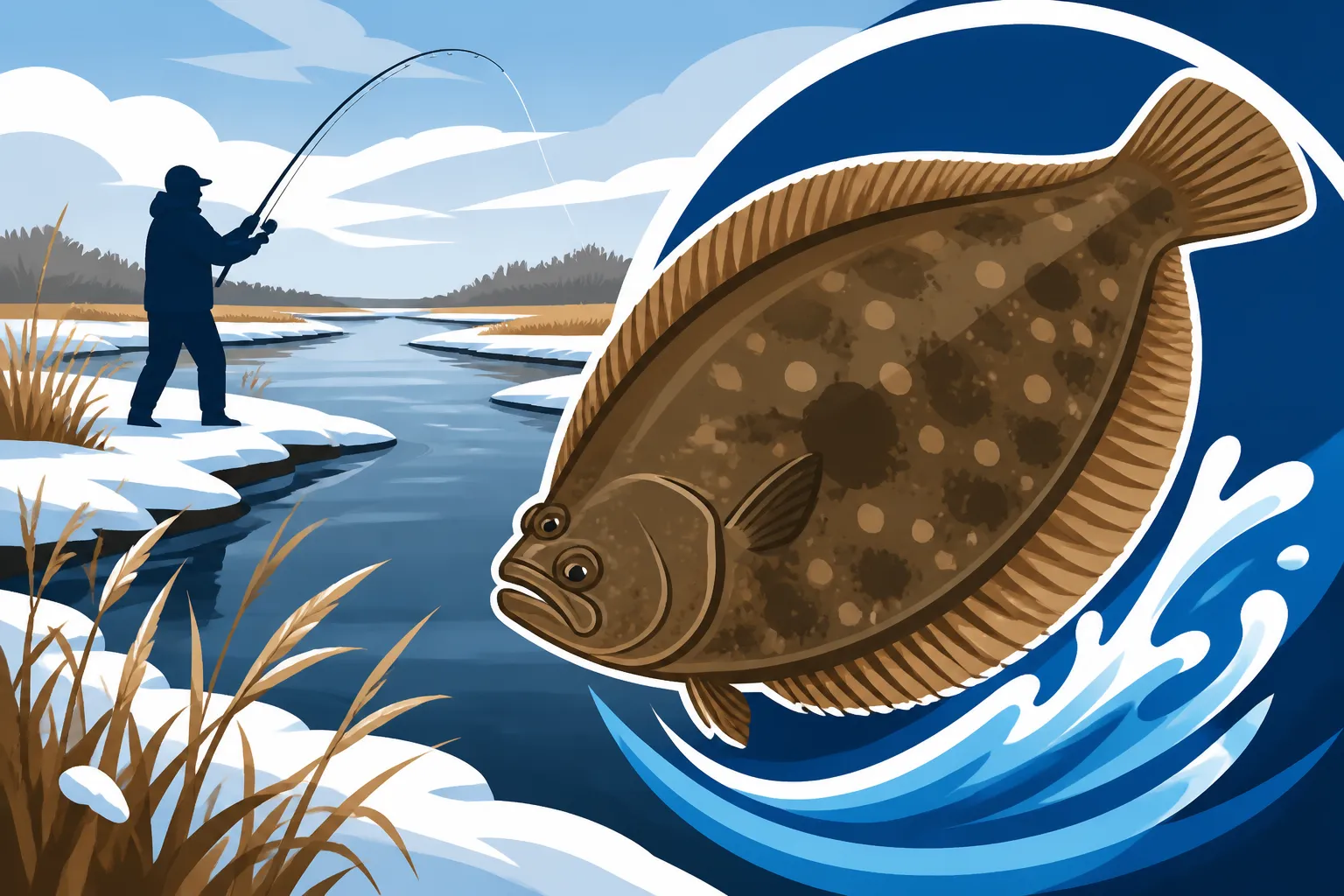
Winter flounder ( Pseudopleuronectes americanus ) are fascinating creatures. Unlike their summer flounder (fluke) cousins, they prefer colder water, migrating into shallower, muddy, or sandy bottom estuaries like Cheesequake Creek as temperatures drop and remaining there into early spring for spawning. They are masters of camouflage, blending seamlessly with the bottom as they lie in wait for small invertebrates, worms, and tiny crustaceans. Their flat bodies and eyes on one side are perfectly adapted for this bottom-dwelling lifestyle.
The creek itself, flowing through areas like Sayreville and into the Raritan Bay, provides ideal conditions. It's a brackish environment, meaning a mix of fresh and saltwater, which is often nutrient-rich and teeming with the small organisms that make up a flounder's diet. The muddy and silty bottom, prevalent in many parts of Cheesequake Creek, is exactly what winter flounder seek out for feeding and protection. Unfortunately, winter flounder populations have seen significant declines over the past few decades due to a combination of habitat loss, environmental changes, and past overfishing. This makes every catch feel even more precious and emphasizes the importance of understanding and respecting current regulations, which you can find detailed information on in the How Bag and Size Limits Work in New Jersey guide.
Why Cheesequake Creek Remains a Prime Spot
Despite the general population challenges, Cheesequake Creek continues to be a notable spot for winter flounder. Its relatively sheltered waters offer protection from harsh open ocean conditions, making it an attractive spawning and feeding ground. The extensive marshlands act as a natural filter and nursery, supporting a diverse ecosystem that winter flounder rely on. Anglers who are patient and knowledgeable about the creek's specific nuances can still find success here, often experiencing some of the earliest flounder fishing of the year.
The creek's deep channels, particularly where it meanders and widens before meeting Raritan Bay, provide thermal refuge and ambush points. These areas retain heat slightly better than open water, offering a comfortable zone for flounder in cooler months. However, access can be tricky without a boat or kayak, as much of the shoreline is private or marshy. For those looking to explore similar productive bay environments, the Barnegat Bay Bluefish and Fluke Spots guide offers insights into another fantastic New Jersey fishery, albeit for different species.
Timing Your Trip: Seasons, Tides, and Weather for Flounder
Successful winter flounder fishing in Cheesequake Creek isn't just about showing up with a rod and reel; it's about understanding the rhythm of the creek itself. Timing is absolutely everything when it comes to these elusive flatfish. Missing the ideal window by even a few hours can mean the difference between a productive day and a frustrating skunk.
The Peak Season for Winter Flounder
Generally, the prime time for winter flounder in New Jersey's back bays and tidal creeks like Cheesequake is late winter to early spring. This typically runs from late February through April, peaking in March. As the water temperatures slowly begin to rise from their winter lows, but before they get too warm, the flounder become more active and move into shallower areas to feed and spawn. They are often one of the first fish species to become active after the really cold months, offering an exciting start to the fishing calendar.
It’s crucial to keep an eye on local water temperature reports. Winter flounder prefer temperatures between 40-50 degrees Fahrenheit. If it’s too cold, they’ll be sluggish and buried in the mud; too warm, and they’ll begin their migration out of the shallow creeks and into deeper bay waters or even the ocean. This sensitive temperature window is why "early bird gets the worm" often applies to winter flounder fishing. The New Jersey Fishing Season Dates and Closures article provides a broader overview of seasonal opportunities throughout the state.
Harnessing the Tides for Flounder Success
When fishing tidal creeks like Cheesequake, the tide is your most important ally. Winter flounder are heavily influenced by tidal currents, which bring in fresh food and stir up the bottom, making it easier for them to feed. Many experienced anglers agree that a moving tide, particularly the last two hours of the incoming tide and the first two hours of the outgoing tide, is the most productive.
- Incoming Tide: As the tide rises, it pushes warmer, more oxygenated water (or at least less frigid water) into the creek, carrying with it dislodged food items. Flounder will often position themselves in channels or along drop-offs to ambush this incoming buffet.
- Outgoing Tide: As the tide falls, it can concentrate baitfish and other food sources in deeper channels and holes. Flounder will again position themselves to feed as the water pulls away from the shallower flats.
Slack tide, the period of minimal current between incoming and outgoing tides, is generally considered the least productive time for flounder. The water is still, and the flounder tend to hunker down. Your best bet is to plan your trip around these moving water periods. Knowing how to Read Tide Charts for Better Fishing in New Jersey is an essential skill for this type of fishing.
Weather Considerations for a Productive Day
Beyond season and tide, weather plays a significant role. A few days of consistent, milder weather can warm the water just enough to bring flounder out of their winter dormancy. Conversely, a sudden cold snap or strong northerly winds can send them scurrying back to deeper, more protected areas, making fishing extremely tough.
Bright, sunny days, especially after a stretch of cloudy weather, can also be beneficial as the sun helps to warm the shallow bottoms. However, don't let a little overcast sky deter you; consistent mild conditions are more important than bright sunshine. Keep an eye on the forecast, and if you can, try to fish a rising barometer after a low-pressure system has passed. This often signals improving weather and more active fish. You might even consider using a resource like FishingBooker to check local conditions or see what local guides are reporting for the area before heading out.
Essential Gear and Techniques for Cheesequake Creek Flounder
Getting your gear and technique dialed in is paramount for consistent success, especially when targeting a species as sensitive to presentation as winter flounder. These fish are not aggressive predators that will chase down a fast-moving lure; they are bottom-dwellers, and your approach needs to reflect that.
Rods, Reels, and Line for Light Tackle
For winter flounder, you're looking at light to medium-light spinning tackle. There's no need for heavy-duty offshore gear here. A sensitive setup allows you to feel the often subtle "tap-tap" of a flounder bite.
- Rods: A 6 to 7-foot spinning rod with a fast or moderate-fast action is ideal. The fast tip will give you the sensitivity to detect bites, while the backbone will provide enough power to manage any fish, even if a surprise striper or large bluefish decides to grab your bait. Look for rods rated for 6-12 lb test line.
- Reels: Pair your rod with a reliable spinning reel in the 2500-3000 size range. This size offers a good balance of line capacity and smooth drag without being overly bulky. Brands like Penn, Shimano, and Daiwa all offer excellent options that are durable enough for saltwater environments.
- Line: Spool your reel with 10-15 lb braided line. Braid offers superior sensitivity, minimal stretch, and excellent casting distance. Attach a 3-5 foot leader of 10-15 lb fluorocarbon. Fluorocarbon is nearly invisible underwater and is more abrasion-resistant than mono, which is helpful when fishing around shell beds or debris on the bottom. When choosing your line, remember that for many species, there are specific guidelines, much like the New Jersey Striped Bass Slot Limit Explained for another popular species.
The Classic Hi-Lo Rig and Baits
The traditional hi-lo rig is the undisputed champion for winter flounder fishing. It presents two baits off the bottom, increasing your chances of a hookup.
- Rig Construction: You can buy pre-tied hi-lo rigs, or make your own. You'll need 20-30 lb fluorocarbon or monofilament for the rig itself. Tie a small dropper loop about 6-8 inches above a barrel swivel, and another 8-12 inches above that. Attach a snelled hook (size #6 to #2 Aberdeen or Chestertown style) to each loop. Aberdeen hooks are often preferred due to their thin wire, which allows them to bend out if snagged, potentially saving your rig. At the bottom, tie on a bank or pyramid sinker, usually 1/2 oz to 2 oz, depending on the current. The key is to use just enough weight to hold bottom without being excessively heavy.
- Bait Selection: This is where you can make or break your day. Winter flounder are finicky eaters, and fresh, natural bait is key.
- Bloodworms & Sandworms: These are hands-down the most effective baits. Their scent trail is irresistible to flounder. Thread a whole worm onto the hook, leaving a bit of the tail to wiggle.
- Clams: Fresh shucked clams, especially surf clams, are another excellent choice. Cut them into small, bite-sized pieces and thread them onto the hook. The soft texture and strong scent are very appealing.
- Small Strips of Squid or Mackerel: While not as potent as worms or clams, thin strips of these can sometimes work, especially when tipped with a piece of worm or clam for added scent.
- Gulp! Baits: Some anglers have success tipping their hooks with small pieces of Berkley Gulp! artificial baits, particularly the sandworm or grub patterns, but they are almost always used in conjunction with natural bait for flounder.
A good tip is to use a small piece of brightly colored plastic tubing or a small bead above your hook on the snell. This acts as an attractor and can sometimes entice a hesitant flounder.
Techniques for Shore and Boat Anglers
Whether you’re fishing from shore or a boat in Cheesequake Creek, the core principle is the same: present your bait on or very near the bottom.
- Shore Fishing: If you find accessible spots along the creek, cast your hi-lo rig out into a channel or deeper hole. Let it sink to the bottom, and then slowly retrieve it with a series of short lifts and drops, or simply let it sit. The goal is to cover ground slowly and methodically. Be patient, as flounder bites can be light. A good strategy is to cast out, let it sit for a few minutes, then reel in a few feet, and repeat.
- Boat or Kayak Fishing: This offers the most versatility in Cheesequake Creek.
- Drifting: This is the most popular and effective method. Position your boat or kayak upstream of a promising channel, flat, or drop-off. Deploy your rig, allowing it to sink to the bottom. Let the current carry your boat slowly along, keeping your bait in contact with the bottom. Use your motor or paddle to control your drift speed, ensuring your lines remain relatively vertical. This allows you to cover a lot of ground and find where the flounder are holding.
- Anchoring: If you find a particularly productive spot – perhaps a deep hole, a channel bend, or an area with good bottom structure – you can anchor up and fish it thoroughly. Cast your rigs around the boat, allowing them to soak in different spots.
When you feel a tap, don't immediately set the hook aggressively. Flounder often "mouth" the bait before fully committing. Give them a few seconds to take the bait, then lift your rod tip smoothly to set the hook. A quick check of a reliable resource like FishingBooker can sometimes help you find local guides who specialize in these creek environments if you're looking for hands-on instruction.
Navigating Access and Regulations in Cheesequake Creek
Fishing in any body of water, especially a tidal estuary like Cheesequake Creek, requires an understanding of where you can legally access the water and what rules apply to the fish you're targeting. New Jersey's fishing regulations are designed to protect fish populations and ensure sustainable fishing for future generations.
Public Access Points and Limitations
Cheesequake Creek runs through various municipalities and naturally, much of its shoreline is private property or dense marshland. Direct public access for fishing, particularly for winter flounder in the tidal sections, can be challenging.
- Cheesequake State Park: While the park itself is a fantastic natural resource with freshwater fishing opportunities in its ponds, direct shore access for winter flounder fishing in the tidal creek that runs along its eastern border may be limited or require specific permits. Most anglers targeting the tidal creek from the park do so via kayak or small boat launched from an external location. You can find more details about general rules and access in parks through resources like the New Jersey State Park Fishing Permit Fees article.
- Municipal Parks and Docks: Check with local townships along the creek, such as Sayreville or Old Bridge, for any small municipal parks, public docks, or designated fishing areas that might provide access to the tidal creek. These spots are rare for direct flounder fishing from shore but worth investigating.
- Boat Ramps and Kayak Launches: The most effective way to fish Cheesequake Creek for winter flounder is by boat or kayak. Public boat ramps in the Raritan Bay area, such as those found at Laurence Harbor or certain marinas, will give you access to the bay, from which you can navigate into the tidal portions of Cheesequake Creek. Kayaks are particularly well-suited for exploring the shallower, more intricate sections of the creek. Ensure you understand New Jersey Boat Registration Requirements for Anglers if you're using a motorized vessel.
Always be respectful of private property and posted signs. If in doubt, err on the side of caution and seek alternative access.
Understanding New Jersey's Regulations for Winter Flounder
New Jersey takes its fisheries management seriously, and winter flounder are a species that receives particular attention due to their population status. The regulations, which can change annually, are designed to aid in their recovery.
- License Requirements: If you are 16 years of age or older, you need a valid New Jersey fishing license to fish in freshwater or marine waters. For saltwater fishing, which includes the brackish tidal portions of Cheesequake Creek, you also need to register with the New Jersey Saltwater Recreational Registry Program. The good news is, the saltwater registry is free to join. You can learn more about this in the New Jersey Saltwater Registry Explained guide and How to Register for New Jersey's Saltwater Registry Program.
- Bag and Size Limits: These are critical for winter flounder. Always consult the most current New Jersey Marine Fish Regulations or the New Jersey Fish and Wildlife Digest before heading out. Regulations typically include:
- Minimum Size Limit: A minimum length that a fish must be to be legally kept.
- Daily Bag Limit: The maximum number of fish you can keep per person per day.
- Season Dates: Specific windows when it is legal to harvest winter flounder.
The current state of winter flounder fishing reflects these strict regulations. It's not uncommon for the season to be short or for bag limits to be very conservative. Always double-check before you go.
- Conservation and Responsible Angling: Given the sensitive status of winter flounder, practicing responsible angling is more important than ever. If you plan to release fish, handle them gently. Consider using circle hooks, which reduce gut-hooking, especially if you're bait fishing. If you encounter a fish that is undersized or out of season, release it quickly and carefully.
For the most up-to-date information, regularly consult the official New Jersey Department of Environmental Protection (NJDEP) Fish and Wildlife website, or pick up a copy of the annual Reading the New Jersey Fish and Wildlife Digest. Regulations can be dynamic, sometimes changing even mid-season, so staying informed is crucial. Remember that the New Jersey Conservation Police and License Checks are out there ensuring compliance, so always carry proof of your license and registry.
Common Winter Flounder Regulations in New Jersey (Always Verify Current Year's Rules)
| Regulation Type | Typical Range/Description (Subject to Change Annually) | Importance for Anglers |
|---|---|---|
| Minimum Size | 12 inches | Ensures fish reach reproductive maturity before harvest. |
| Daily Bag Limit | 2 fish per person | Helps manage harvest pressure on the stock. |
| Season Dates | March 1 – May 31 (approximate) | Focuses fishing during periods less critical for spawning recovery. |
| Gear Restriction | No specific gear restrictions for recreational hook & line, but circle hooks recommended. | Promotes healthy release of non-target or undersized fish. |
| NJ Fishing License | Required for ages 16 and older | Funds conservation efforts. |
| NJ Saltwater Registry | Required for all saltwater anglers 16 and older | Data collection for federal and state fisheries management; it's free! |
Note: These are historical examples and ranges. Always refer to the official New Jersey Fish and Wildlife Digest for the most current regulations before fishing.
Fishing for winter flounder in Cheesequake Creek can be a truly rewarding experience, connecting you to the natural beauty and rich fishing heritage of New Jersey. By understanding the species, timing your trips effectively, using the right gear, and adhering to regulations, you're not just increasing your chances of a successful day, but also contributing to the conservation of these incredible fish for future generations. So, bundle up, brave the early spring chill, and enjoy the subtle tug of a blackback on your line! For other species you might encounter, check out our guide on Freshwater vs Saltwater Fishing Rules in New Jersey.
Disclaimer
Fishing regulations, seasons, and licensing requirements in New Jersey are subject to change. While every effort has been made to provide accurate and up-to-date information in this guide, it is the angler's responsibility to verify all current rules and regulations with the New Jersey Department of Environmental Protection (NJDEP) Fish and Wildlife before heading out on the water. This content is for informational purposes only and should not be considered legal advice regarding fishing laws.