Minimum Age for New Jersey Fishing Charters
It's a common and completely valid question when you're planning a fishing trip in New Jersey with your family: "Are my kids old enough to go on a charter?" Navigating the waters of age limits for fishing charters and party boats can feel a little murky, especially with considerations for licenses, safety, and the type of trip. This guide is here to untangle that line, helping you understand the minimum age requirements and practical considerations for bringing young anglers along on an unforgettable New Jersey fishing adventure.
Understanding the Basics: Licenses, Registration, and Age
Before we dive into what individual charter captains might allow, let's clear up some foundational stuff about state regulations. It's often where the initial confusion sets in, and getting a handle on these points will make planning much easier for any family looking to hit the water.
New Jersey Fishing License Age Requirements
One of the biggest questions parents have is whether their child needs a fishing license. This is a crucial distinction and often a source of relief for many. In New Jersey, for freshwater fishing, children under the age of 16 are generally exempt from needing a fishing license. This means your younger kids can cast their lines in lakes, rivers, and ponds without you having to purchase a separate permit for them. It's a fantastic way to introduce them to the sport without an extra bureaucratic step.
However, it's important to remember that this exemption applies to the state fishing license itself. While the legal requirement might not be there for younger kids, other regulations, like bag and size limits, still apply to everyone fishing, regardless of age. The idea is to encourage youth participation in fishing, fostering a love for the outdoors from a young age. So, for your little ones, that's one less thing to worry about on your list of preparations. You can find more comprehensive details on New Jersey Fishing License Age Requirements and Do Kids Need a Fishing License in New Jersey?.
Saltwater Registry and Its Impact on Charters
Now, let's talk about saltwater fishing, which is a bit different. New Jersey has a mandatory Saltwater Recreational Registry Program. This isn't a traditional license that you pay for; it's a free registration system designed to collect data on recreational saltwater fishing effort. It helps the state and federal agencies manage fish stocks.
The good news for charter passengers, especially those with kids, is that if you are fishing aboard a licensed for-hire vessel – which includes most charter boats and party boats – you are typically covered under the vessel's federal permit or state registry. This means you, as an individual passenger, usually do not need to register yourself or your child separately. It's one of the perks of fishing with a professional operation; they handle much of the regulatory legwork. This exemption is a huge relief for families. Always confirm this detail when booking your trip, but generally, this is the rule of thumb. Understanding New Jersey Saltwater Registry Program Requirements can clarify any lingering questions you might have.
Charter Boat Regulations vs. Personal Fishing
It's vital to recognize that fishing on a charter boat or party boat is a different beast than fishing from your own private boat or from the shore. When you step onto a commercial vessel, you're entering an environment governed by specific commercial regulations. The captain holds a special license (like a Coast Guard Master Captain's License) and the boat itself undergoes regular inspections for safety and seaworthiness. This means there's an inherent level of professionalism and compliance built into the operation.
While the boat itself might cover the overarching permits and registrations, you, as an angler, are still responsible for adhering to all fishing rules and regulations, such as bag limits and size restrictions for specific species. The beauty of fishing with a charter crew is that they are experts in these rules and will guide you every step of the way, making sure everyone stays compliant. They'll tell you what's legal to keep, how to measure fish, and when to release them. This professionalism extends to safety protocols and, very often, to their own internal policies regarding passenger ages, which can sometimes be more stringent than the state's licensing age minimums. It's always a good idea to chat with them about your specific family needs and understand their unique New Jersey Charter Fishing License Coverage.
Specific Age Considerations for Different Charter Types
The "minimum age" isn't a one-size-fits-all answer in New Jersey charter fishing. It largely depends on the type of charter experience you're seeking. What works for a calm bay trip might be completely unsuitable for a grueling offshore adventure. Let's break down the typical approaches to age by charter type.
Private Charters: Flexibility and Family Focus
If you're looking for the most control and a highly customizable experience for your little ones, a private charter is often your best bet. Because you're booking the entire boat for your group, the captain can tailor the trip to your family's needs. This means if you have a toddler, you can discuss a shorter trip duration, targeting easier-to-catch species, or sticking to the calmer, inshore waters of a bay or river. There's less pressure, and the environment is entirely your own.
While there might not be a strict legal minimum age for private charters, most captains will have recommendations based on safety and the child's ability to handle the boat environment. They might suggest that a child be at least 2 or 3 years old to truly benefit from the experience and for safety reasons, especially when considering the rocking motion of the boat or sudden movements. The key here is clear communication with the captain before you book. Platforms like FishingBooker often allow you to search for New Jersey Family-Friendly Fishing Charters that specifically cater to younger guests, and you can message the captain directly to discuss your specific situation. This upfront conversation is invaluable for setting expectations and ensuring a positive experience.
Party Boats: General Rules and Group Dynamics
Party boats, also known as head boats, operate on a different model. You buy individual tickets, and you're sharing the fishing space along the rail with many other anglers. These trips typically run on a fixed schedule, regardless of individual passenger needs. This structured environment often leads to more definitive age policies than private charters.
Many party boats will have a recommended minimum age, commonly around 5 or 6 years old, although some might accept children as young as 3 or 4, provided they are under constant, direct adult supervision. The primary concerns for party boat operators are safety in a potentially crowded environment, the child's ability to follow instructions from the crew, and their general endurance for a trip that might last several hours. These boats can't easily deviate from their course for a nap break or a sudden bout of seasickness. It's critical to check the specific party boat's website or call them directly. Don't assume your younger child will be allowed on board without verifying first. Are New Jersey Party Boats Kid-Friendly? delves deeper into what to expect when bringing kids on these larger vessels. Also, it’s worth considering Can Toddlers Go on a New Jersey Party Boat? for specific advice for the very youngest anglers.
Specialized Charters: Deep Sea, Shark, or Overnight Trips
When you venture into more specialized charter experiences like deep sea fishing, shark fishing, or especially overnight trips, the age recommendations tend to increase significantly. These are generally not suitable for very young children, and for good reason. Deep sea trips often involve long runs far offshore, meaning potentially rougher conditions and significantly longer trip durations – often full-day excursions or even multi-day adventures. The act of fishing itself can be physically demanding, requiring strength and stamina to handle heavier tackle and larger fish.
For trips targeting powerful species like sharks, the environment is often more intense, and the focus of the crew and other anglers is squarely on the challenging catch. Safety is paramount, and a very young child could inadvertently create a distraction or be at higher risk. Captains will almost certainly have higher minimum age requirements for these types of trips, typically starting around 10-12 years old for a full-day offshore trip, and often older for overnight excursions. Overnight trips require a substantial amount of endurance, adaptability to communal living spaces, and a mature ability to handle long hours away from shore. Always have an open and honest conversation with the charter captain about the nature of these trips and your child's maturity and experience level before booking.
| Charter Type | Typical Age Recommendation (General) | Key Considerations for Kids |
|---|---|---|
| Private Charter | Generally no strict minimum (captain's discretion), often ideal for toddlers+ | Offers maximum flexibility: customized trip length, calmer waters, targeted species. Best for managing individual needs like naps, snacks, and seasickness in a private setting. |
| Party Boat / Head Boat | 3-6 years old (minimum, with direct adult supervision) and up | Fixed schedule, can be crowded. Requires child to have decent attention span, ability to follow crew instructions, and withstand the full duration of the trip. Less adaptable to individual needs. |
| Deep Sea / Offshore | 10-12 years old and up | Longer trips, potentially rougher ocean conditions, more physically demanding fishing. Requires higher stamina, better resistance to motion sickness, and a strong, sustained interest in fishing. Not recommended for younger children. |
| Overnight Trips | Teens (14-16+) and up | Extended duration, communal sleeping, intense fishing efforts. Demands significant maturity, self-sufficiency, physical endurance, and a genuine passion for fishing to enjoy the experience. Usually not suitable for children or younger teens. |
Practical Tips for Bringing Kids on a Fishing Charter
Beyond the age guidelines, making a fishing trip enjoyable and safe for your children comes down to preparation, communication, and managing expectations. A well-planned trip ensures happy memories for everyone.
Preparing Younger Anglers for the Trip
Getting your kids excited and prepared for a fishing charter starts long before you even leave the dock. Talk to them about what they might experience: the boat ride, the different kinds of fish you might catch, the sounds of the ocean, and the importance of listening to the captain and crew. Show them pictures or videos of what charter fishing looks like in New Jersey. This helps build anticipation and gives them a clearer idea of what's coming, which can reduce anxiety and manage expectations. Ensure they get a good night's sleep the night before; a well-rested child is far more resilient to boredom or motion sickness.
When packing, think about their comfort and safety. Sun protection is paramount on the water, so pack hats with wide brims, sunglasses, and high-SPF sunscreen. Even on cloudy days, the sun's reflection off the water can cause severe burns. Motion sickness is a real possibility, so if your child is prone to it, consider administering appropriate medication before you even board the boat, as it's often more effective as a preventative measure. Pack plenty of their favorite snacks and drinks; hunger and thirst can quickly turn a fun trip sour. A small backpack with a book, a drawing pad, or a quiet toy can also be a lifesaver for downtime, especially on longer runs to the fishing grounds. Dressing them in layers is also a smart move, as temperatures on the water can change rapidly. For a detailed packing list, refer to What Should You Bring on a New Jersey Party Boat Trip?.
Communication with the Captain and Crew
This is perhaps the most important tip for a successful family fishing trip. When you initially book your charter, be completely upfront and honest about the ages of your children and their prior fishing experience (or lack thereof). A good charter captain or guide will truly appreciate this transparency. It allows them to prepare and offer advice, potentially suggesting modifications to the trip (like staying in calmer waters or targeting specific, easier-to-catch species) to ensure your kids have the best possible time. Many captains genuinely love introducing kids to fishing and are fantastic with young anglers. When using a platform like FishingBooker, take advantage of the ability to message the captain directly with any specific concerns or questions about your children.
Once on board, maintain that open line of communication. If your child is feeling unwell, getting restless, or struggling with their fishing gear, don't hesitate to tell the crew. They are professionals and are usually more than happy to help, whether it's offering a hand with a tangled line, providing some encouragement, or suggesting a spot on the boat where the motion might be less pronounced. Their goal is for everyone to have a positive experience, and they often have a wealth of patience and tricks up their sleeves for engaging younger anglers.
Safety First: Life Jackets and Supervision
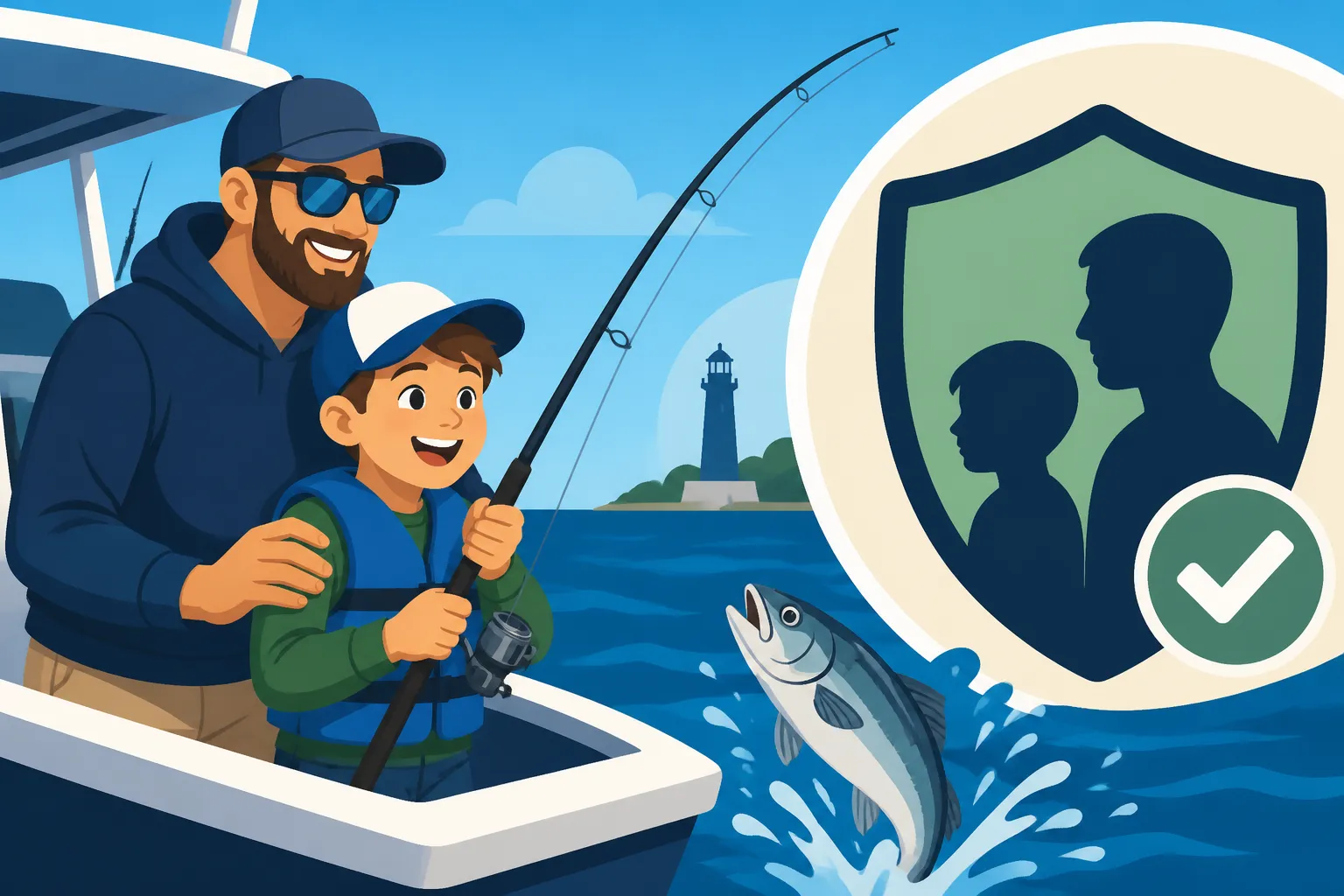
Safety should always be your top priority, especially when bringing children onto a boat. While all commercial charter vessels are required by the Coast Guard to carry enough life jackets for everyone on board, it's a good idea to ensure your child has a properly fitting life jacket, especially if they are young or not strong swimmers. Some parents even prefer to bring their own child's Coast Guard-approved life jacket to ensure a perfect, comfortable fit.
A boat is a dynamic and potentially unpredictable environment. There are slippery decks, moving parts, and the constant presence of water. Because of this, constant, direct supervision of young children is absolutely critical. Never let a child roam freely or unsupervised. Designate at least one adult to be solely responsible for keeping an eye on each child. Before the trip, talk to your kids about basic boat safety rules: no running on deck, always hold onto railings, and stay seated when the boat is underway or the captain instructs everyone to do so. Explain the importance of listening to the captain's and crew's commands. A safe child is a child who can relax and fully immerse themselves in the excitement of reeling in a fish, making memories that will last a lifetime. Familiarizing yourself with What Safety Gear Is Required on New Jersey Charter Boats can also give you peace of mind.
Disclaimer
This article is for general informational purposes only and does not constitute professional advice. Laws, prices and regulations vary by location and change over time. Consult a qualified professional for guidance on your specific situation.