New Jersey Overnight Party Boat Trips
There’s a unique kind of allure to an overnight party boat trip off the New Jersey coast. Many anglers dream of those epic, long-haul journeys to offshore grounds, but the reality of spending 24 hours or more on the open ocean with a boat full of strangers can be daunting. This guide is here to demystify the experience, giving you a realistic look at what to expect, how to prepare, and whether an overnight party boat is the right adventure for your next fishing escapade.
Understanding New Jersey Overnight Party Boat Trips
An overnight party boat trip isn't just a longer version of a day trip; it's a completely different animal. While a typical party boat might take you out for a half-day or full-day run to local reefs or wrecks, an overnight trip is a serious offshore endeavor designed to reach distant fishing grounds that hold bigger, more sought-after species. These are extended journeys, often lasting 20 to 30 hours, pushing far out into the Atlantic, sometimes 80 to over 100 miles from the coast.
What Sets Overnight Trips Apart
The most obvious difference, of course, is the duration. You're not just fishing for a few hours and then heading back to the dock for dinner. You're living on the boat, fishing through the day, night, and into the next morning. This extended time allows the captain to travel to prime fishing locations that are simply inaccessible on shorter trips. Think of it like this: a day trip is a sprint, an overnight trip is a marathon. You need stamina, a good attitude, and an understanding that comfort will be secondary to the pursuit of big fish. It’s an immersion into the offshore environment, often involving significant travel time both to and from the fishing grounds, which can be a long haul for many.
Another major distinction is the target species. While day trips might focus on fluke, sea bass, or stripers closer to shore, overnight trips are geared towards pelagic species and deepwater dwellers that inhabit canyons and offshore structures. These are typically larger, harder-fighting fish that require heavier tackle and different techniques. It’s an experience that truly tests an angler's mettle, offering the chance at fish that rarely venture into shallower, inshore waters. The sheer distance traveled means you’re often fishing in pristine, less-pressured environments.
Why Anglers Choose the Long Haul
So, why would anyone sign up for such an intense fishing adventure? For many, it's about the challenge and the potential reward. The offshore canyons and deep wrecks hold legendary fish – giant tuna, swordfish, tilefish, and monster sea bass – that simply aren't found closer to shore. It's the thrill of battling a fish that could be bigger than you, an experience few inshore trips can provide. The investment in time and money is considerable, but the opportunity to land a true trophy often outweighs the discomfort.
Beyond the big fish, there's the unique camaraderie that develops among anglers over an extended trip. You're all in it together, sharing stories, tips, and the occasional struggle. Fishing under the stars, watching the sunrise over the open ocean, and witnessing marine life far from the hustle and bustle of the coast are unforgettable moments. It's an escape, a genuine adventure, and often a pilgrimage for dedicated anglers seeking to push their limits and create lasting memories. For many, it's about connecting with the raw power of the ocean on a deeper level.
Target Species on Overnight Trips
The fish you'll be chasing on a New Jersey overnight party boat trip are generally quite different from what you'd find on a local half-day excursion. These trips are specifically designed to tap into the rich fisheries of the deeper offshore waters, targeting species that grow larger and offer a more substantial fight. Knowing what to expect will help you prepare your gear and your expectations.
Deepwater Denizens: Tilefish, Hake, and Barrelfish
One of the primary draws for many overnight trips is the opportunity to target deepwater species like golden tilefish, blueline tilefish, hake, and even the elusive barrelfish. These fish inhabit the muddy bottoms and canyon edges at depths often exceeding 400 to 800 feet, sometimes even deeper. The fishing for these species is a specialized game, requiring heavy rods, braided line, and substantial sinkers to get your bait down to where they live. The sheer depth means a significant amount of effort is involved in reeling in even a small fish, let alone a prize winner.
Anglers often use large chunks of squid or clam as bait, rigged on a long leader with multiple hooks. The bites can be subtle, sometimes just a slight tap, making it a test of concentration and feel. When you hook into a golden tilefish, the fight is a long, steady pull against hundreds of feet of water pressure, but the reward of bringing up a beautiful, brightly colored fish from the abyss is truly satisfying. These fish are also highly regarded for their delicious white, flaky meat, making them a popular culinary target.
Pelagic Giants: Tuna and Swordfish
For the ultimate offshore thrill, some overnight trips will push even further out, focusing on pelagic species like tuna and swordfish. These trips are often referred to as "canyon trips" because they head to the edges of the continental shelf where nutrient-rich upwellings attract vast schools of baitfish, and in turn, hungry predators. Expect to target species such as yellowfin tuna, bigeye tuna, longfin albacore, and occasionally, the coveted swordfish. These are powerful, fast-swimming fish that offer an incredibly intense battle, often requiring hours to bring to the boat.
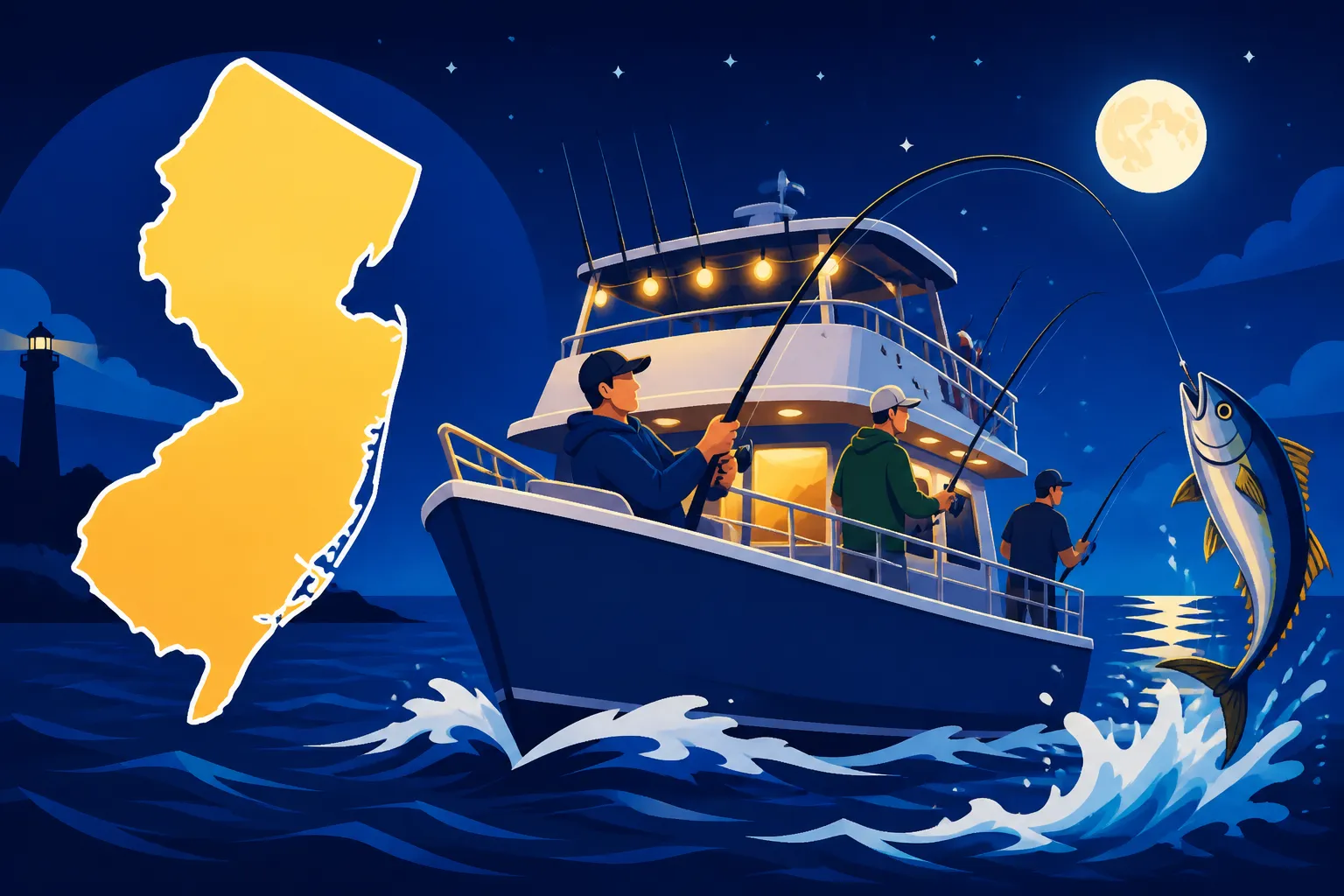
Tuna trips often involve a mix of trolling, chunking, and jigging. Chunking, where boat crew continually throws cut bait into the water to create a scent trail, can be particularly effective at night. Imagine fishing under the moon, the lights of the boat illuminating the water, as a powerful yellowfin smashes your bait – it’s an adrenaline rush like no other. Swordfish are typically targeted by deep dropping baits at night. These highly specialized trips demand top-tier gear, and the crew's expertise is paramount in successfully locating and hooking these magnificent creatures.
Preparing for Your Overnight Fishing Journey
Going on an overnight party boat is not like a casual day trip; it requires meticulous preparation to ensure you're comfortable, safe, and ready for the long hours of fishing. Overlooking even small details can significantly impact your enjoyment and endurance out on the open water.
What to Pack: Essentials for Comfort and Endurance
Your packing list for an overnight trip will be extensive. First and foremost, focus on layers of clothing. Even in summer, offshore nights can get surprisingly chilly, and you’ll want to be able to adjust to changing temperatures. Think waterproof outer layers, thermal underwear, hoodies, and warm hats. Sun protection is vital for daytime, so pack sunscreen, sunglasses, and a wide-brimmed hat. Many anglers forget how intense the sun can be when it's reflecting off the water for hours on end.
Beyond clothing, personal hygiene items are crucial. While showers might be limited or nonexistent on some boats, having wet wipes, a toothbrush, and hand sanitizer will make a huge difference in how you feel. Don't forget any personal medications, especially motion sickness remedies. Seriously, even if you’ve never been seasick before, an overnight trip far offshore is a different beast entirely. Pack more food and non-alcoholic drinks than you think you’ll need, as provisions on the boat can be limited or expensive. A cooler with ice for your provisions is also a smart move, allowing you to keep drinks and snacks fresh. And of course, a comfortable pillow and a sleeping bag or blanket are essential for catching a few precious hours of rest. You can use resources like FishingBooker to check what amenities each boat offers before you pack.
Gear Check: Rods, Reels, and Terminal Tackle
When it comes to fishing gear, heavy-duty is the name of the game. You'll likely need at least two setups: one for deep dropping for tilefish and hake, and another for potential tuna or swordfish. For deep dropping, a strong, conventional reel spooled with 60 to 100 lb braided line is essential, paired with a stout rod capable of handling heavy sinkers (often 1 to 3 pounds or more). For tuna, a conventional reel holding plenty of 50 to 80 lb monofilament or braid, matched with a powerful stand-up rod, is usually appropriate.
Don't skimp on terminal tackle. Bring an ample supply of hooks (sizes 7/0 to 10/0 for tilefish, larger for tuna), heavy swivels, and a variety of sinkers. Many boats will sell bait and some tackle, but it’s always better to have your own preferred setup. Ensure your knots are fresh and strong before you leave the dock. A sharp fillet knife, a pair of pliers, and a decent headlamp for night fishing are also indispensable. Double-check your drags and make sure everything is in top working order; you don't want a mechanical failure when that fish of a lifetime takes your bait.
The Experience Onboard: From Dusk 'til Dawn
Stepping onto an overnight party boat is stepping into a temporary community focused entirely on the pursuit of fish. The rhythm of the trip is unique, blending long stretches of travel with intense bursts of fishing action, all under the watchful eye of experienced crew members.
Life at Sea: Travel, Rest, and Fishing Shifts
The first several hours of your trip will typically be spent traveling to the distant fishing grounds. This is your prime opportunity to get settled, organize your gear, grab some food, and maybe even squeeze in a nap. The boat will cut through the waves, and the hum of the engines will become the constant soundtrack to your journey. Don't underestimate the travel time; it can be lengthy, so use it wisely to conserve energy. Many anglers use this time to socialize, share stories, or simply enjoy the vastness of the ocean.
Once you reach the fishing grounds, the work truly begins. The captain will position the boat over a productive area, and the call will go out to drop lines. Depending on the target species, you might be drift fishing, anchoring, or moving between spots. Night fishing is a hallmark of these trips, with the boat's lights illuminating the water, creating a surreal and often highly productive atmosphere. You'll likely find a rhythm of intense fishing, followed by brief periods of rest – perhaps a quick power nap on a bunk or a deck chair – before the next hot bite. The crew works tirelessly, assisting with tangles, gaffing fish, and keeping the operation running smoothly, ensuring that everyone has the best possible chance to hook up.
Amenities and Crew Support
While overnight party boats are focused on fishing, they do offer basic amenities to make the long journey tolerable. Most will have bunks or sleeping areas below deck, though privacy is minimal, and sleep can be light due to boat movement and engine noise. Restrooms are standard, and some larger boats might even have a limited galley offering hot food and drinks for purchase. However, it's always wise to assume these will be simple and to supplement with your own provisions.
The crew is your lifeline on these trips. They are experienced mariners and anglers who know these waters like the back of their hand. They’re there to guide you, offer advice on rigging and technique, help untangle lines (a common occurrence on a crowded boat), and safely gaff your catch. New Jersey Charter Boat Tipping Etiquette is important to remember, as these folks work incredibly hard to ensure your trip is a success. Don't hesitate to ask them for help or advice; that's what they're there for. They often provide valuable insights into fish behavior and current conditions, which can be the difference between a slow day and a banner day.
Choosing the Right Overnight Trip
With various boats and types of trips available, selecting the perfect overnight party boat adventure requires some research and a clear understanding of your own fishing goals and comfort levels. Not all overnight trips are created equal.
Researching Charters and Their Offerings
Start by researching different party boat operators that offer overnight trips out of New Jersey ports like Point Pleasant, Belmar, and Atlantic City. Look at their websites, read reviews, and examine their past catch reports and photos. Do they consistently target the species you're interested in? What's their track record for successful trips? Pay attention to the boat's size and amenities; larger boats generally offer more deck space, a more stable ride, and potentially more comfortable sleeping arrangements. Websites like FishingBooker can be incredibly helpful for comparing different charters, seeing available dates, and reading verified customer reviews that offer insights into the crew's demeanor and the overall trip experience.
Consider the duration and specific itinerary of the trip. Some trips might be 20 hours, others 30 or more. Some focus exclusively on tilefish, while others might combine deep dropping with opportunities for tuna. Make sure the trip aligns with your expectations. Don't be afraid to call the charter office directly to ask questions about specific tackle recommendations, bait provided, and what to expect regarding crowds or fishing spots. Understanding New Jersey Deep Sea Fishing Charters in general can also give you a broader context for what these specialized overnight trips offer.
Important Booking Considerations
Booking an overnight trip is a significant commitment, both financially and time-wise, so careful consideration is key. First, clarify what is included in the fare. Does it cover bait, sinkers, or rod rentals? Often, these are extra costs, so factor them into your budget. Confirm the cancellation policy, especially regarding weather. Offshore trips can be highly weather-dependent, and cancellations for safety reasons are common. Knowing the boat's policy for refunds or rescheduling is crucial.
Also, inquire about the number of passengers they typically take. While "party boat" implies a crowd, some overnight boats cap their passenger count to ensure more fishing space per person. A less crowded boat can make a huge difference in your enjoyment, reducing tangles and allowing more room to fight a fish. Finally, communicate any special needs you might have, such as dietary restrictions or mobility concerns, directly with the charter office before booking. A successful trip often starts with clear communication and realistic expectations on both sides.
| Trip Type | Duration (Approx.) | Primary Target Species | Typical Fishing Depth | Tackle Requirement | Comfort Level |
|---|---|---|---|---|---|
| Day Trip (Inshore) | 4-10 hours | Fluke, Sea Bass, Striped Bass, Bluefish | 20-150 feet | Medium | High (return to shore) |
| Overnight (Deep Drop) | 20-24+ hours | Golden/Blueline Tilefish, Hake, Barrelfish | 400-800+ feet | Heavy | Moderate (bunks, basic) |
| Overnight (Canyon Tuna) | 24-30+ hours | Yellowfin, Bigeye Tuna, Swordfish, Mahi | Surface to 1000+ feet | Heavy (specialized) | Moderate (bunks, basic) |
Safety and Comfort Considerations
While the pursuit of trophy fish is exciting, your safety and well-being should always be paramount on any offshore trip, especially one that lasts overnight. The open ocean can be unpredictable, and being prepared for potential challenges will make for a much smoother experience.
Battling Seasickness and Motion Sickness
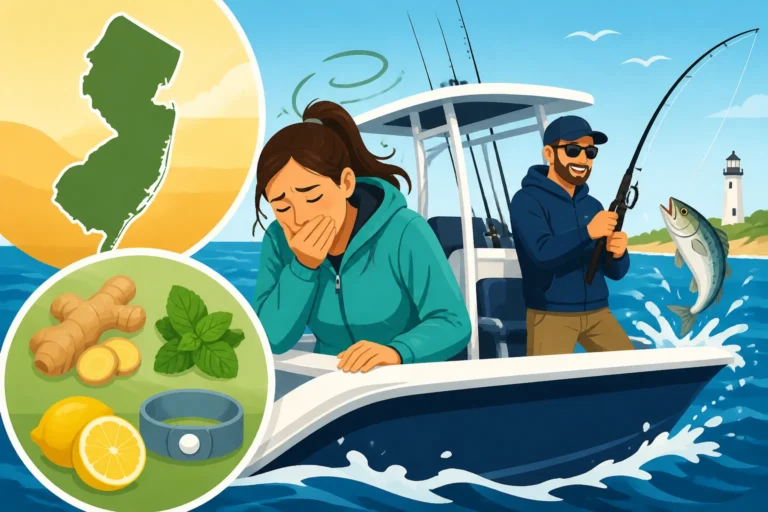
Seasickness is perhaps the most common concern for anglers on overnight trips, and it can truly ruin an otherwise fantastic adventure. Even seasoned anglers can succumb to it on long offshore runs with rough seas. Proactive measures are key. Over-the-counter medications like Dramamine or Bonine should be taken before you even leave the dock, as they are most effective when absorbed into your system. Some people find relief with ginger candies or acupressure wristbands. Prescription patches are also an option for those particularly prone to motion sickness.
Beyond medication, try to stay on deck in the fresh air and keep your eyes on the horizon. Avoid reading or focusing on small objects. Eating light, non-greasy meals and staying hydrated can also help. Alcohol and heavy, spicy foods are generally a bad idea before and during an offshore trip. If you start to feel queasy, lie down in a bunk or find a comfortable spot on deck where you can minimize movement. Don't be embarrassed; nearly everyone has felt the effects of motion sickness at some point. Being prepared and knowing your own body is the best defense.
Essential Safety Gear and Procedures Onboard
Reputable party boats operate under strict Coast Guard regulations, meaning they are equipped with essential safety gear and adhere to specific procedures. Before the trip departs, the captain or crew will typically give a safety briefing, pointing out life jackets, emergency exits, and other important information. Pay close attention to this briefing, even if you’re a frequent angler. Knowing where the safety equipment is located can be critical in an emergency.
In addition to the boat's safety features, there are personal safety measures to consider. Always wear non-slip footwear on deck, as the boat can be wet and slippery. Be mindful of your surroundings, especially when fishing; hooks and lines can fly, and heavy sinkers are dropping. Keep an eye out for other anglers and their casting arcs. If you're going to consume alcohol, do so responsibly and in moderation. The crew's word is law when it comes to safety instructions. Remember, they are responsible for everyone on board, and their guidance is always for your protection. Being aware of your surroundings, respecting the ocean's power, and following the crew's directions are fundamental to a safe and enjoyable journey.
Navigating Fishing Regulations for Overnight Trips
The extended range and duration of overnight party boat trips mean you might be crossing into waters governed by different or more complex regulations. It's vital to be aware of the rules that apply to the species you're targeting and the areas you'll be fishing in.
License and Registry Requirements
For most recreational fishing in New Jersey waters, a valid New Jersey Fishing License Guide for 2026 is required for freshwater fishing, but not typically for saltwater. However, for saltwater fishing, New Jersey residents and nonresidents alike are generally required to register with the New Jersey Saltwater Registry Explained. This registry is usually free and helps the state gather crucial data for fishery management. Even though you're on a charter boat, it's prudent to confirm whether your individual registration is still required, or if the boat's federal permit covers all passengers. Some boats clarify this in their booking information, but it's always best to ask.
Given the distance traveled on overnight trips, you might be fishing in federal waters (beyond 3 nautical miles from shore), where regulations are set by the National Oceanic and Atmospheric Administration (NOAA) Fisheries, rather than just New Jersey state rules. The boat captain will be responsible for adhering to these federal regulations, but as an angler, understanding them demonstrates good sportsmanship and compliance. Always carry proof of any required licenses or registrations, whether digital or physical, as a New Jersey Conservation Police Officer may conduct checks.
Bag and Size Limits for Offshore Species
The species targeted on overnight trips often have specific and sometimes complex bag and size limits. For instance, species like golden tilefish, blueline tilefish, and various tuna species are subject to federal regulations that can change. These limits are in place to ensure sustainable fishing practices and conserve fish stocks. Your boat captain and crew will be knowledgeable about the current regulations and will instruct you on what you can and cannot keep. Pay close attention to their guidance when you're making your catch.
It's not uncommon for different species to have different seasonal closures or harvest limits. For example, while one species might be open year-round, another might have a strict quota or a specific "slot limit" where only fish within a certain size range can be kept. How Bag and Size Limits Work in New Jersey can give you a general overview, but for specific offshore species, relying on the captain's up-to-the-minute knowledge is your best bet. Always respect these limits, not just because it's the law, but because it helps preserve the fishing opportunities for future generations. Releasing undersized or out-of-season fish carefully and quickly is a crucial part of responsible angling.
Maximizing Your Overnight Trip Experience
An overnight party boat trip is an investment in time, money, and effort, so you'll want to make the most of every moment. A little planning and a positive attitude can turn a challenging trip into an unforgettable success.
Photography and Memories
Even if you're laser-focused on fishing, don't forget to capture some memories. The scenery on an overnight offshore trip is spectacular, from stunning sunrises and sunsets over the vast ocean to the incredible star-filled night sky far from city lights. And, of course, the thrill of landing a trophy fish is something you'll want to remember. Bring a waterproof camera or ensure your phone is protected in a waterproof case. Be mindful of wet hands and deck surfaces when handling electronics.
However, be courteous to other anglers when taking photos. Don't block fishing lanes or interrupt someone's fight. The crew is usually happy to help snap a picture of you with your prize catch, especially if you ask politely and at an opportune moment. Sharing your photos and stories with fellow anglers back on shore is a great way to relive the experience and inspire others to try their hand at offshore fishing. These trips truly offer unique photo opportunities that you won't get on a typical day trip.
Building Camaraderie and Learning from the Pros
One of the unexpected joys of an overnight party boat trip is the shared experience with your fellow anglers. You’re all enduring the same travel, battling the same conditions, and chasing the same fish. This shared journey often fosters a strong sense of camaraderie. Strike up conversations, share your techniques, and don't be afraid to ask for help or offer a hand to someone else. You’ll find that most anglers are more than happy to share their knowledge and stories, making the long hours pass more quickly.
The crew members are also an invaluable resource. They are literally the professionals who do this for a living. Observe their techniques, ask them questions about rigging, bait presentation, or how to identify a subtle bite. They’ve seen it all and can offer insights that can dramatically improve your fishing skills. Think of it as a hands-on masterclass in offshore angling. Learning from them can be one of the most rewarding aspects of the trip, beyond just the fish you catch. A friendly demeanor and a willingness to learn will open doors to a richer, more educational experience.
Disclaimer
This article is for general informational purposes only and does not constitute professional advice. Laws, prices and regulations vary by location and change over time. Consult a qualified professional for guidance on your specific situation.