Best Seasickness Remedies for New Jersey Boat Trips
There’s nothing quite like the excitement of heading out on the water for a New Jersey fishing trip – the salty air, the anticipation of a bite, the camaraderie. But for many, that excitement can quickly turn to dread if seasickness rears its ugly head. The queasy stomach, the dizziness, the sheer misery of it all can ruin an otherwise perfect day on the ocean or even a large lake. This guide is here to walk you through understanding why seasickness happens and, more importantly, a boatload of practical remedies and strategies to help you conquer it, ensuring your time on New Jersey's beautiful waters is nothing but enjoyable.
Understanding Seasickness: Why It Happens on New Jersey Waters
Seasickness, also known as motion sickness, is a surprisingly common affliction that can hit even seasoned anglers. It's not a sign of weakness; it's simply your brain getting a little confused by conflicting signals. Knowing why it occurs is the first step in learning how to prevent and manage it.
The Inner Ear and Conflicting Signals
Imagine you're standing on the deck of a boat, let's say off the coast of Belmar, gently rocking with the waves. Your eyes are fixed on the distant horizon, telling your brain that you're moving. However, the fluid in your inner ear, which is responsible for sensing balance and motion, is telling your brain a different story – it feels the subtle shifts, the pitches, and the rolls of the boat. Meanwhile, the muscles and joints in your body, particularly if you're standing or walking, are also sending signals about movement.
When these sensory inputs don't line up perfectly, your brain essentially gets confused. It's trying to reconcile the signals from your eyes, inner ear, and body, and when they conflict, it can interpret this confusion as if you've ingested something toxic. This misinterpretation triggers the body's natural defense mechanism, which is to induce nausea and vomiting to expel the perceived toxin. This is why even a smooth ride on a large party boat can sometimes cause issues, and why smaller boats on choppier days, like a private charter heading out for tuna, can be particularly challenging. The more pronounced the conflicting signals, the stronger the potential for seasickness.
Common Symptoms and Early Warning Signs
The classic image of seasickness involves someone leaning over the rail, but the truth is, it often starts much more subtly. Recognizing these early warning signs is crucial, because the sooner you address them, the better your chances of preventing full-blown misery.
Initial symptoms often include a vague feeling of uneasiness or discomfort in the stomach, often described as a "funny feeling" or a mild queasiness. You might also notice a cold sweat breaking out, particularly on your forehead, even if the air isn't cold. Yawning excessively is another common, often overlooked, early sign, as is a general feeling of fatigue or drowsiness. You might also experience a slight headache, a loss of appetite, or an increased sensitivity to smells – suddenly the diesel fumes from the engine or the bait in the bucket become unbearable.
For instance, you might be enjoying your morning coffee on a charter out of Point Pleasant, feeling great. But after an hour of steady swells, you notice yourself feeling a little "off." Your stomach feels vaguely unsettled, and you can't shake the urge to yawn, even though you slept well. This is your body's subtle way of telling you that seasickness might be setting in. Ignoring these gentle nudges can quickly lead to more severe symptoms like persistent nausea, dizziness, vomiting, and a complete inability to focus or enjoy your trip. It's far easier to mitigate these early signs than to try and recover once severe seasickness has taken hold.
Proactive Steps: Before You Even Step on the Boat
The best defense against seasickness is a good offense. Taking proactive measures before you even cast off from the dock can significantly reduce your chances of feeling unwell. This involves everything from medication choices to what you eat and drink, and even how you select your fishing adventure.
Medication Options: Over-the-Counter and Prescription
There are several effective medications available, both over-the-counter and by prescription, that can help prevent seasickness. The key with almost all of them is to take them before you start feeling sick, ideally an hour or more before your boat trip begins. Once seasickness symptoms are fully upon you, it's often too late for oral medications to be truly effective, as your stomach might not be able to absorb them properly.
The most common over-the-counter options are dimenhydrinate (like Dramamine) and meclizine (like Bonine or Antivert). Dimenhydrinate is known to cause drowsiness in many people, which can be a downside if you want to be alert for fishing action. Meclizine is often preferred by anglers because it's less sedating, making it a good choice for daytime trips. Both work by affecting the inner ear and the brain's vomiting center. Be sure to read the dosage instructions carefully and consider doing a "test run" at home if you're sensitive to medications, just to see how your body reacts.
For those who suffer severely, a doctor might prescribe a scopolamine patch (like Transderm Scop). This small patch is typically placed behind the ear several hours before your trip and can provide up to three days of continuous relief. It works by blocking nerve signals in the brain that cause nausea and vomiting. While highly effective, it also has potential side effects, so it's essential to discuss it with your physician to see if it's right for you. It's always a good idea to chat with a healthcare professional before trying any new medication, especially if you have other health conditions or are taking other drugs.
Here’s a quick comparison of common seasickness medications:
| Medication Type | Common Brand Names | Active Ingredient | Onset Time (approx.) | Duration of Effect | Common Side Effects | Key Advice |
|---|---|---|---|---|---|---|
| Oral Tablet (OTC) | Dramamine | Dimenhydrinate | 30-60 minutes | 4-6 hours | Drowsiness, dry mouth, blurred vision | Take 30-60 mins before trip. Avoid alcohol. |
| Oral Tablet (OTC) | Bonine, Antivert | Meclizine | 60 minutes | 12-24 hours | Less drowsiness, dry mouth | Take 1 hour before trip. Often preferred for less sedation. |
| Transdermal Patch (Rx) | Transderm Scop | Scopolamine | 4 hours | Up to 3 days | Dry mouth, drowsiness, blurred vision | Apply behind ear 4 hours before. Consult doctor. |
Food, Drink, and Sleep Considerations
What you put into your body, and how well-rested you are, can make a huge difference in how susceptible you are to seasickness. Think of your body as needing to be in tip-top shape to handle the rocking motion.
The night before your New Jersey boat trip, whether it's a deep-sea adventure or a bay trip in Barnegat, aim for a good, solid night's sleep. Fatigue can lower your resistance to motion sickness and make symptoms feel worse. On the morning of your trip, eat a light, bland breakfast. Think toast, a plain bagel, or some crackers. Avoid anything greasy, spicy, or heavy, which can sit uncomfortably in your stomach and contribute to nausea. A common mistake is skipping breakfast altogether, which can lead to an empty stomach, increasing bile production and making you feel even worse.
Hydration is also critical. Drink plenty of water before and during your trip. Dehydration can exacerbate dizziness and nausea. Steer clear of alcohol the night before or the morning of your trip; it can dehydrate you and impair your balance system. Similarly, excessive caffeine can sometimes contribute to stomach upset for some individuals. A good rule of thumb is to treat your body well, almost as if you're preparing for a marathon, even if you're just planning on catching some fluke.
Choosing the Right Trip and Boat
Sometimes, the best remedy is prevention through careful planning. Not all fishing trips are created equal when it comes to motion. If you know you're prone to seasickness, consider certain factors when booking your adventure.
Firstly, think about the duration and type of trip. A half-day charter close to shore might be far more manageable than a full-day or even overnight deep-sea trip far offshore where the swells are larger and more consistent. Consider smaller, protected waters like the back bays or even larger freshwater lakes like Lake Hopatcong, which offer a much calmer environment than the open ocean.
When looking at saltwater options, larger vessels, such as many of the robust party boats that depart from towns like Point Pleasant Beach or Atlantic Highlands, tend to be more stable than smaller private boats. They have more displacement and are less affected by chop and swells. Platforms like FishingBooker often provide details about boat size and amenities, which can help you gauge stability. If possible, opt for a boat with a wide beam (width) and a reputation for a smooth ride.
Before booking, especially for an ocean trip, check the marine weather forecast. Look beyond just the chance of rain; pay close attention to wave height and wind speed. A day with 1-2 foot seas is vastly different from one with 3-5 foot seas or higher. If the forecast looks rough, don't be afraid to reschedule if that's an option. There's no shame in choosing comfort over bravado, especially when an enjoyable day on the water is the goal. Remember, you want to focus on catching fish, not catching your lunch! How to Choose a New Jersey Fishing Charter can give you more insights on selecting the right trip.
Onboard Strategies: Mitigating Seasickness During Your Trip
Even with all the proactive steps, seasickness can sometimes creep up. That's when having a few onboard strategies up your sleeve can make a significant difference. These tips focus on managing your environment and your own physical responses while on the water.
Finding Your "Sweet Spot" on the Vessel
When you're out on a boat, whether it’s a small skiff in the bay or a large headboat heading out for black sea bass, certain areas of the vessel will experience less motion than others. Your goal is to find your "sweet spot" where the rocking is minimized.
Generally, the middle of the boat (midship) is the most stable area, as it's the pivot point around which the boat moves. The stern (back) of the boat can also be good, but it might be closer to the engine fumes, which can sometimes worsen nausea. The bow (front) of the boat typically experiences the most up-and-down motion and side-to-side sway, so it's usually best to avoid this area if you're prone to seasickness. Also, staying on the main deck, where you have access to fresh air and a clear view of the horizon, is incredibly important. Being cooped up below deck, where you can't see the outside world, drastically increases the likelihood of feeling unwell.
A classic scenario involves a new angler who decides to retreat to the boat's cabin because they feel a little queasy. Without a stable visual reference, and with the rocking motion amplified by the enclosed space, their symptoms quickly escalate. In contrast, an experienced angler, feeling the first pangs of discomfort, immediately moves to the open deck, positions themselves midship, and fixes their gaze on a distant point on the horizon. This simple act of giving their eyes a stable reference point can often realign those conflicting signals in the brain, offering significant relief.
Acupressure and Natural Remedies
Beyond traditional medications, many anglers swear by natural remedies and alternative techniques to keep seasickness at bay. These can be used in conjunction with medications or as a primary defense for those who prefer not to take pills.
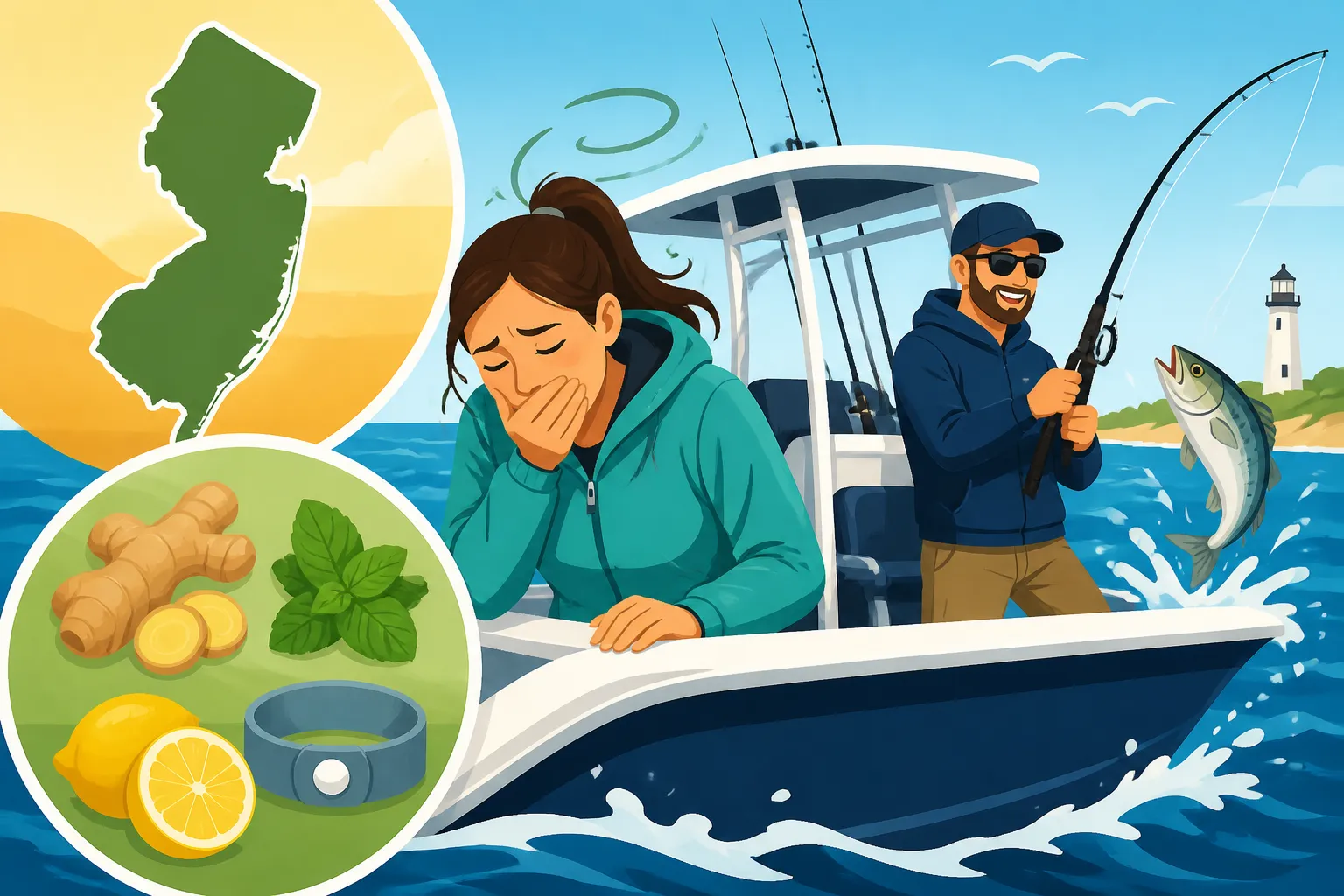
Acupressure wristbands, often sold under brands like Sea-Band, are a popular choice. These bands have a plastic stud or button that applies pressure to a specific point on the inner wrist (the P6 or Nei-Kuan point). This point is believed to be connected to the digestive system and, when stimulated, can help alleviate nausea. The beauty of these bands is that they are drug-free and have no side effects, making them suitable for children and pregnant individuals. They work best when put on before symptoms begin, so get them on before your charter leaves the dock.
Ginger is another widely used natural remedy for nausea. You can find ginger in various forms: ginger candies, ginger ale (check for real ginger content, not just flavor), ginger tea, or even ginger capsules. Many anglers keep a stash of ginger chews in their tackle box or boat bag for easy access. The active compounds in ginger are believed to have anti-inflammatory properties and to directly help with stomach upset. While scientific studies on its effectiveness for seasickness are mixed, many people find it genuinely helpful. Sometimes, even the comforting ritual of sipping ginger tea can help settle a queasy stomach.
Mental Focus and Distraction Techniques
Your mental state plays a surprisingly large role in how you experience seasickness. Anxiety and hyper-focusing on your symptoms can actually make them worse. Learning to manage your mental focus can be a powerful tool.
One of the most effective strategies is to keep your eyes fixed on a stable point on the horizon. This provides your brain with a consistent visual reference that helps it reconcile the motion your inner ear is sensing. Avoid looking down at your feet, at the moving water directly beside the boat, or, especially, at your phone or a book. Reading while underway is almost a guaranteed way to induce seasickness in susceptible individuals because your eyes are focusing on a static object while your body is clearly in motion.
Engaging in conversation, listening to music through headphones (if it doesn't distract from fishing), or focusing on a simple task like rigging a bait or organizing your tackle can also provide a helpful distraction. If you're with friends or family on a boat booked through FishingBooker, try to keep the mood light and talk about things that aren't related to the boat's motion. If you start to feel anxious about getting sick, take slow, deep breaths. This can help calm your nervous system and prevent the anxiety from spiraling into full-blown nausea. Remember, the goal is to shift your attention away from the conflicting sensations and onto something more stable and engaging.
When Seasickness Hits: What to Do and When to Call It a Day
Despite all precautions, seasickness can sometimes still catch you off guard. If it does, don't panic. There are immediate steps you can take to try and find relief, and it's vital to know when it's time to communicate your condition to the crew or even decide to head back to shore.
Immediate Actions for Relief
If you feel seasickness setting in, taking immediate action can sometimes prevent it from escalating. The first and most crucial step is to get fresh air. Head to the open deck, away from any exhaust fumes, and find a spot where you can see the horizon. Standing or sitting upright is generally better than lying down, as it helps your body's balance system orient itself.
Once you have fresh air and a clear view, try sipping small amounts of water or a clear, carbonated beverage like ginger ale. Avoid sugary drinks or anything acidic, which can irritate your stomach. If you feel dizzy, close your eyes for a few moments, or if you can, lie down on your back with your head slightly elevated, focusing on slow, deep breaths. Sometimes, simply closing your eyes and removing all visual input can help reset your brain's interpretation of motion. Many party boats have benches or areas where you can sit and relax. If all else fails and you feel the urge to vomit, ensure you have a designated spot – often the rail, facing away from the wind, or a bucket provided by the crew. Don't try to hold it in; letting it out can often provide immediate, though temporary, relief.
Communicating with Your Crew
This is perhaps the most important tip if you start to feel unwell: tell the captain or a crew member. Seriously, don't suffer in silence! New Jersey charter captains and their mates are professionals who have seen thousands of people get seasick over the years. They are not going to judge you, and they certainly don't want you to have a miserable time.
By letting them know, they can offer assistance. They might suggest a more stable spot on the boat, provide a bucket, offer a cold rag, or even have some basic over-the-counter remedies available. In some cases, if conditions are particularly rough, a thoughtful captain might even adjust the boat's speed or course slightly to make the ride smoother, if practical and safe. They can also keep an eye on you to ensure your safety. Many reputable charter services, like those you can browse and book on FishingBooker, pride themselves on excellent customer service and passenger well-being. They want you to have a positive experience, even if seasickness is part of the challenge. Think of them as your onboard allies.
Deciding to Head Back: No Shame in It
Sometimes, despite all best efforts and remedies, seasickness becomes overwhelming. When the symptoms are severe and persistent, and medication or other strategies aren't providing relief, it's okay to make the call to head back to shore. There is absolutely no shame in prioritizing your health and comfort over "toughing it out."
Trying to push through severe seasickness can be dangerous. It can lead to dehydration, extreme fatigue, and can even impair your judgment. If you're on a private charter, you have the flexibility to discuss this with your captain. While they have a schedule and a plan, most understanding captains would rather you be safe and comfortable than miserable or, worse, incapacitated. If you're on a larger party boat, leaving early might not be an option, but seeking assistance from the crew and finding a quiet spot to rest is still crucial.
Remember, the goal of a fishing trip is to enjoy the experience. If seasickness is making that impossible, then a shortened, less agonizing trip is far better than a full day of pure misery. A good captain or guide understands this completely; their reputation relies on happy customers, and sometimes that means making tough decisions about the day. Don't let the fear of "ruining" someone else's trip or looking weak keep you in a state of suffering. Your well-being comes first. Do New Jersey Charters Refund Trips Canceled for Weather? might not apply to personal seasickness, but it shows how understanding operators can be about unforeseen circumstances.
Disclaimer
This article is for general informational purposes only and does not constitute professional advice. Laws, prices and regulations vary by location and change over time. Consult a qualified professional for guidance on your specific situation.