New Jersey Winter Wreck Fishing Charters
Winter in New Jersey can feel like a fishing wasteland for many, with icy winds whipping off the Atlantic and the thought of open water seeming impossible. But for those in the know, the colder months offer some of the most exciting and productive opportunities, especially when it comes to offshore wreck fishing. This guide is all about diving deep into the world of New Jersey winter wreck fishing charters, helping you understand what to expect, what to target, and how to make the most of these often-overlooked cold-weather adventures.
What is Winter Wreck Fishing in New Jersey?
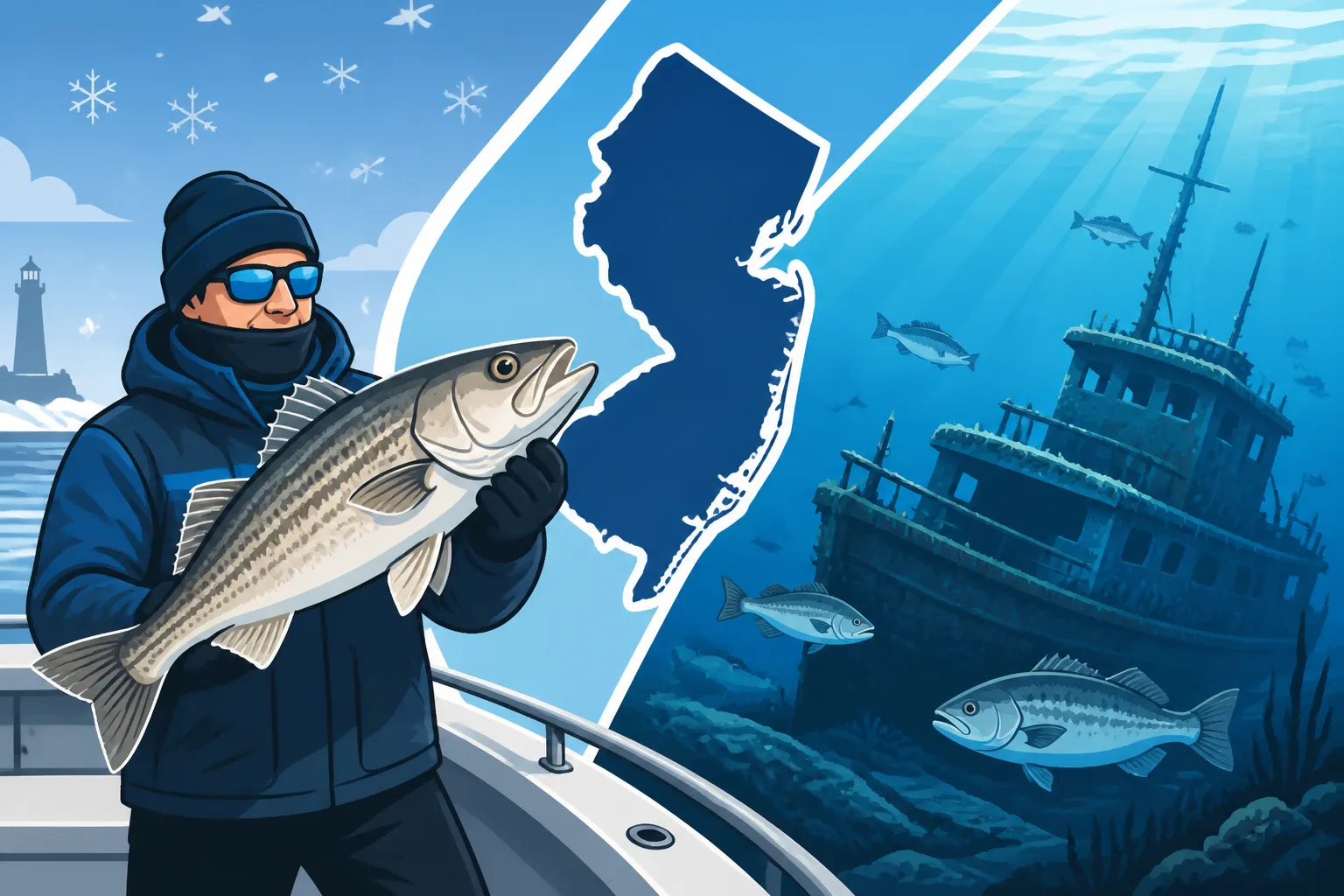
Picture this: beneath the sometimes-choppy winter seas off the New Jersey coast lie countless underwater structures – shipwrecks, artificial reefs, rock piles, and old debris. These aren't just historical relics; they're bustling apartment complexes for a diverse array of marine life, especially when the water temperatures drop. Winter wreck fishing is the art and science of targeting these submerged havens, where certain species congregate in large numbers, seeking refuge and food. It's a specialized form of angling that demands knowledge, the right gear, and a sturdy boat capable of handling the conditions.
The Allure of Offshore Structures
For fish, these wrecks are like magnets. They offer vital shelter from strong currents and predators, providing nooks and crannies to hide in. More importantly, they create their own mini-ecosystems, attracting baitfish and crustaceans that, in turn, draw in larger game fish. Imagine a sunken cargo ship, its rusting hull now covered in mussels and anemones, becoming a living, breathing reef. These structures, whether natural or man-made, are essential components of the offshore environment, concentrating fish in predictable locations. While some fish move on, many hardy species hunker down around these structures for the winter, making them prime targets for anglers willing to brave the chill.
Why Winter is Prime Time for Wrecks
You might think warmer months are best for fishing, but winter actually has some unique advantages for wreck fishing in New Jersey. For starters, the water tends to be clearer, which can make a difference in how fish react to baits and lures. More significantly, many of the most sought-after bottom-dwelling species, like black sea bass and tautog, become far more concentrated on these structures during the colder season. They slow down, feed aggressively when the opportunity arises, and don't scatter as much as they might in warmer waters. This concentration means that once a charter captain finds a productive wreck, the fishing can be truly fast and furious, offering some of the best catch rates of the year for these species. Plus, there's a certain quiet camaraderie among the dedicated anglers who choose to fish through the winter – it's a different vibe than the bustling summer charters.
Typical Trip Duration and Locations
New Jersey winter wreck fishing charters usually range from full-day trips, typically 8 to 10 hours, to sometimes extended trips of 10-12 hours, depending on the captain and the target wrecks. These trips venture offshore, often anywhere from 10 to 50 miles, or even further for certain deeper wrecks. The specific locations are, of course, a closely guarded secret of the captains, but they encompass a vast network of known shipwrecks and artificial reef sites scattered along the continental shelf. These can be everything from old barges and military tanks deliberately sunk to create habitat, to historical vessels lost to storms or wartime. The distance offshore means that travel time can be significant, but the payoff of reaching unfished or less-fished structures often makes the journey well worth it.
Target Species for Winter Wreck Fishing
While New Jersey waters host a variety of fish year-round, winter wreck fishing really shines for a few key species that thrive in the colder, deeper water around these structures. Knowing what you're likely to hook into helps you prepare mentally and ensures you're using the right gear.
Black Sea Bass: The Winter Wreck King
If there's one fish synonymous with winter wreck fishing in New Jersey, it's the black sea bass. These aggressive, hard-fighting fish are a joy to catch and, arguably, even better to eat. As temperatures drop, large schools of sea bass migrate to deeper offshore wrecks and reefs, often stacking up in incredible numbers. They love structure, using it for ambush points and protection. You'll find them right on top of, inside, and all around the wrecks. When you hit a productive school, it's not uncommon to reel in multiple fish on a single drop. Their firm, white flesh makes them a prized catch, and the winter months often produce some of the largest "humpback" sea bass of the year. For more on these delicious fish, check out Black Sea Bass Fishing in New Jersey.
Tautog: Structure-Loving Fighters
Another prime target for winter wreck enthusiasts is the tautog, or "blackfish." These incredibly strong, stubborn fighters are perhaps the ultimate structure dwellers. They have powerful jaws and teeth designed to crush crabs and shellfish, and they'll bury themselves deep into the wreck at the first sign of trouble. Catching tautog requires precise bait presentation, keen bite detection, and brute strength to pull them away from the jagged structure before they cut you off. Winter is a fantastic time for tautog because they're heavily concentrated on these wrecks, often less picky than in warmer months, and their bites can be more consistent. They're a true challenge and offer an immense sense of accomplishment when you bring one aboard. For more on mastering this species, see our guide on Tautog Fishing in New Jersey.
Other Potential Catches on Winter Wrecks
While sea bass and tautog dominate the winter wreck scene, you might also encounter other interesting species. Ling, also known as hake, are bottom-dwelling fish with soft, flaky white meat that make excellent table fare. They often hang around the periphery of wrecks. Cod and pollock, while perhaps not as prevalent as in more northern waters, can also be found on deeper wrecks, especially later in the winter. Occasionally, you might even surprise a winter flounder or a few scup (porgies) lurking around the structure. The variety, even if dominated by a couple of main species, keeps things interesting and you never quite know what might grab your bait from the depths.
Choosing a New Jersey Winter Wreck Charter
Deciding on the right charter is probably the most crucial step after deciding to brave the cold. It can make all the difference between a memorable, successful trip and a disappointing, chilly one. Given the offshore nature and the specific techniques required, you want an experienced crew and a comfortable vessel.
Party Boat vs. Private Charter for Winter Wrecks
You essentially have two main options when booking a New Jersey fishing trip: a party boat (also known as a head boat) or a private charter. Each has its pros and cons, especially for winter wreck fishing.
- Party Boats: These are larger vessels that take many individuals or small groups on a per-person fare. They are generally more economical, and many offer heated cabins, which can be a huge plus on a frigid winter day. The downside is that you're sharing space with many other anglers, which means more competition for prime fishing spots on the rail, and less individualized attention from the crew. However, many experienced party boat crews are absolute pros at finding fish and managing the boat over the wreck.
- Private Charters: These boats are smaller and you book the entire vessel for your group. While more expensive per person, you get dedicated attention from the captain and mate, a more personalized experience, and often more flexibility in terms of target species or fishing spots. The comfort level can vary, but generally, you'll have more space and a more intimate setting. For winter wreck fishing, a private charter allows your group to work together more effectively to target fish around the wreck.
Consider your budget, group size, and desired level of personalization when making this choice. We have a detailed breakdown in New Jersey Party Boat vs Private Charter: What's the Difference? that can help you weigh your options further.
Key Questions to Ask Before Booking
Before you hand over your hard-earned cash, it's vital to ask a few probing questions. Remember, this isn't a summer pleasure cruise; it's a dedicated fishing expedition into potentially harsh conditions.
- "What species are you primarily targeting on this trip?" Ensure their target matches your ambition (e.g., black sea bass, tautog).
- "What's your typical distance offshore for winter wrecks?" This gives you an idea of the travel time and potential roughness.
- "What amenities does the boat offer for cold weather?" Ask about heated cabins, enclosed spaces, and hot coffee/soup availability.
- "Do I need to bring my own gear, or is it provided? Is there an extra charge?" Many charters provide basic gear, but for wreck fishing, specialized tackle is often preferred.
- "What's your cancellation policy for weather?" Winter weather can be unpredictable. You need to know what happens if the trip gets called off. New Jersey Charter Fishing Cancellation Policies are important to review.
- "How many people will be on board (for party boats)?" Less crowded boats often mean a better experience.
Finding Reputable Operators
Finding a reputable charter captain or party boat service is paramount. Word of mouth from other anglers is always a great start. Check online reviews and see what others are saying about the crew's professionalism, fishing success, and adherence to safety. Websites like FishingBooker are excellent resources for finding and comparing New Jersey winter wreck fishing charters. You can filter by location, read real angler reviews, and often see what species they're primarily targeting for their winter trips. Many reputable captains list their services on such platforms, providing transparent information about their boats, rates, and what's included. A captain with a long history and positive feedback, especially concerning winter trips, is usually a safe bet. Always prioritize safety and experience when choosing, particularly when heading offshore in colder conditions. If you're looking for more general guidance, our article on How to Choose a New Jersey Fishing Charter offers some broad tips that still apply here.
Essential Gear and What to Bring
Winter wreck fishing requires a bit more preparation than your average summer fluke trip. Being cold or uncomfortable will quickly sour the experience, no matter how good the fishing is. Getting your gear right, from your rod to your boots, is essential for an enjoyable day on the water.
Rods, Reels, and Terminal Tackle for Wrecks
For winter wreck fishing, you'll want robust, powerful gear capable of handling heavy weights and strong fish that are determined to dive back into the structure.
- Rods: Look for a medium-heavy to heavy conventional rod, typically 6 to 7 feet long, with a fast action and a strong backbone. Graphite composite rods are excellent as they offer sensitivity for detecting subtle bites but still have the power to pull fish away from snags. You'll often be using heavy sinkers or jigs, so the rod needs to be rated for at least 6-16 oz, sometimes more.
- Reels: A conventional reel with a good drag system is a must. Line capacity is important, as you might be fishing in 50-150 feet of water. Look for reels that can hold 200-300 yards of 50-65 lb braided line. Lever drag or star drag reels from brands known for their durability are ideal.
- Line: Braided line (50-65 lb test) is highly recommended. Its lack of stretch provides superior sensitivity for feeling bites in deep water and over rough bottom, and its strength is crucial for muscling fish out of snags. A top shot of monofilament or fluorocarbon leader (40-60 lb test) about 6-10 feet long is then tied to the braid, offering abrasion resistance against the wreck.
- Terminal Tackle: This is where the magic happens.
- Sinkers: Bank sinkers ranging from 6 oz to 16 oz (or even heavier in strong currents) are standard. Always bring a variety as conditions can change.
- Hooks: For bait fishing tautog, snelled Octopus style hooks in sizes 3/0 to 5/0 are popular. For sea bass, smaller Octopus hooks or J-hooks can work, sometimes on a high-low rig.
- Jigs: Heavy metal jigs, often in the 6-12 oz range, are incredibly effective for black sea bass. Colors like chartreuse, pink, and white are perennial favorites.
- Baits: Green crabs are the absolute go-to for tautog. For sea bass, clam, squid, or even strips of cut bait like mackerel work wonders. Some anglers also use artificial baits like Gulp! grubs on jigs.
Remember, fishing over wrecks means getting snagged is almost inevitable. Always bring plenty of extra terminal tackle – more sinkers, hooks, and pre-tied rigs than you think you'll need. Learning Best Knots for Saltwater Fishing will also serve you well, ensuring your connections hold up under pressure.
Dressing for Success: Layering in Cold Weather
This cannot be stressed enough: dress warmly! Winter offshore fishing is not the time to be a hero. It will always feel colder on the water than it does on land, especially with wind and spray.
- Base Layers: Start with moisture-wicking thermal underwear. This pulls sweat away from your body, keeping you dry and warm. Avoid cotton against your skin, as it retains moisture and will make you feel colder.
- Mid-Layers: Fleece jackets, wool sweaters, or down vests work well. Multiple thinner layers are better than one thick one, as you can adjust them throughout the day.
- Outer Layer: A waterproof and windproof jacket and bibs (or full foul-weather gear) are non-negotiable. This protects you from sea spray, rain, and cutting winds. Look for gear specifically designed for marine use.
- Extremities: Your head, hands, and feet lose heat quickly. A warm wool or fleece hat that covers your ears is essential. Waterproof gloves are a game-changer, keeping your hands dry and nimble enough to tie knots and handle fish. Thick wool socks and waterproof boots (like insulated rubber boots) will keep your feet warm and dry.
It’s always better to overdress and shed layers than to be shivering all day. Many charters have heated cabins, but you'll spend a lot of time on deck fishing. Our guide on What to Wear on a New Jersey Fishing Charter offers more general advice, but for winter, amplify all those recommendations.
Comfort Items and Personal Necessities
Beyond your fishing gear and warm clothing, a few other items will significantly enhance your comfort:
- Food and Drink: Bring plenty of non-alcoholic drinks (hot coffee or tea in a thermos is a godsend!), water, and snacks. Fishing can be hard work, and you'll burn calories staying warm.
- Sunscreen and Lip Balm: Even on a cold, cloudy day, UV rays can reflect off the water. Protect exposed skin.
- Sunglasses: Reduce glare and protect your eyes from hooks and spray.
- Motion Sickness Medication: If you're at all prone to seasickness, take medication before you board. Offshore winter trips can be rougher. You can find more tips in Is Seasickness Common on New Jersey Party Boats?.
- Small Backpack/Dry Bag: To keep your personal items organized and dry.
- Camera: To capture those trophy fish (and your bundled-up, happy face!).
- Trash Bag: To collect your own trash and help keep the boat clean.
Techniques and Strategies for Winter Wrecks
Winter wreck fishing isn't just about dropping a line and hoping for the best. It requires specific techniques and a keen understanding of how fish relate to structure, especially when they're colder and potentially less active than in summer.
Jigging for Aggressive Biters
Jigging is an incredibly effective technique for black sea bass on wrecks, especially when they're aggressive. The idea is to present a lure (the jig) in a way that mimics a wounded baitfish or crustacean, triggering a predatory strike.
- Vertical Jigging: This is the most common method. Drop a heavy metal jig (often referred to as a "butterfly" or "speed" jig) straight down to the bottom. Once you hit bottom, crank up a few feet, then aggressively lift and drop the rod, letting the jig flutter and fall. Experiment with the retrieve speed and jigging motion. Sometimes a fast, erratic retrieve works, other times a slower, more subtle jigging motion is key.
- Bait-and-Jig Combo: Some anglers will tip their metal jigs with a piece of clam, squid, or a Gulp! bait. This adds scent and sometimes extra appeal, particularly if the fish are a bit finicky.
- Reading the Sonar: Good captains will use their fish finder to locate schools of sea bass piled up on the wreck. Pay attention to their calls ("fish on the screen at 100 feet!") and try to drop your jig right into the strike zone. If you feel a "thump" on the drop, it's often a bite before it even reaches the bottom!
Bait Fishing and Rigging for Structure
While jigging is popular, bait fishing is often the preferred method for tautog and can be deadly for sea bass, especially when they're not hitting jigs.
- Tautog Rigs: The classic tautog rig typically involves a snelled hook tied directly to a short length of leader, above which a sinker slides freely on the main line or is attached via a dropper loop. This allows the fish to pick up the bait without feeling the weight of the sinker immediately. The key bait is green crab, often quartered or halved depending on size, and threaded onto the hook to maximize hook exposure. You need to drop your bait right into the structure where the tautog are hiding.
- Black Sea Bass Rigs: High-low rigs with two hooks are very common for sea bass. You can use clam, squid, or cut bait on these rigs. Drop it to the bottom, then reel up a foot or two so your bait is just above the wreck. Sea bass often feed slightly off the bottom.
- Feeling the Bite: This is crucial. Tautog bites can be incredibly subtle – a slight tap, a gentle pull. Other times, they'll smash it. Sea bass bites are usually more aggressive. Pay attention to any unusual feel on your line. When you feel a bite, don't just set the hook wildly; often, you need to feel the fish load up the rod before a firm hookset. With tautog, a quick, powerful upward sweep of the rod is necessary to get them out of the structure before they bury you.
Understanding Current and Boat Drift
Offshore wreck fishing is heavily influenced by current and boat drift. Captains will position the boat "up-current" or "up-drift" from the wreck, allowing anglers to drop their lines and drift over the structure.
- Sinker Weight: The strength of the current dictates how much weight you need. Too light, and your bait will drift away from the wreck; too heavy, and you won't feel the subtle bites. Your captain will advise on the appropriate sinker size. It's a constant adjustment, so having a variety of sinker weights is vital.
- Line Management: As the boat drifts, try to keep your line as vertical as possible. Too much scope (angle in your line) makes it harder to feel bites and easier to get snagged. Some anglers will briefly lift their sinker off the bottom and drop it again as the boat moves, "walking" their bait across the wreck.
- Captain's Instructions: Always listen carefully to the captain and mate's instructions. They know the wreck, the current, and the fish behavior better than anyone. They'll tell you when to drop, when to reel up, and where the fish are holding. This collective knowledge, sometimes honed over decades, is invaluable on New Jersey Deep Sea Fishing Charters.
Safety and Comfort on Winter Charters
Winter fishing, while rewarding, carries inherent challenges. The cold, wind, and potentially rougher seas demand extra attention to safety and personal comfort. A good charter crew will prioritize your well-being, but you also have a responsibility to prepare.
Battling the Elements: Wind, Waves, and Cold
New Jersey winters can be brutal, and offshore conditions can change rapidly. Even on a calm day, the persistent cold, biting wind, and the spray from the boat's movement can lead to hypothermia if you're not properly dressed. Charter boats are generally robust and equipped to handle these conditions, but it's important to understand what you might face.
- Wind Chill: This is your biggest enemy. A 20-degree Fahrenheit air temperature with a 15-knot wind can feel like single digits. Your outer layers must be windproof.
- Sea State: Winter storms can leave behind considerable swell. While captains will typically cancel trips if conditions are unsafe or truly miserable, even moderate swells can make standing and fishing challenging.
- Boat Movement: Constant pitching and rolling can be tiring and increases the risk of falls. Always maintain three points of contact when moving around the boat, and hold onto rails.
- Hypothermia Awareness: Know the signs: shivering, confusion, slurred speech. If you or a fellow angler start experiencing these, alert the crew immediately. Head to the heated cabin, change into dry clothes if possible, and drink something warm.
This is why proper layering (as discussed above) and waterproof gear are not just recommendations, they are necessities for a safe and enjoyable winter wreck fishing trip.
Seasickness Prevention in Rougher Conditions
Offshore winter conditions can definitely exacerbate seasickness for those prone to it. The combination of cold, movement, and sometimes stronger smells (like diesel fumes) can hit hard.
- Pre-emptive Medication: If you've ever felt queasy on a boat, take motion sickness medication before you get on the boat. These medications are far more effective when taken an hour or two prior to exposure, rather than waiting until you feel sick. Options include Dramamine (non-drowsy), Bonine, or prescription patches like Scopolamine.
- Hydration and Light Food: Stay well-hydrated, but avoid greasy foods or excessive alcohol the night before. Stick to bland, light snacks like crackers on the boat.
- Fresh Air and Horizon: Position yourself where you can get fresh air and keep your eyes on the horizon. Avoid going below deck and reading or looking at your phone for extended periods.
- Ginger: Some people find ginger (in various forms like candy, tea, or supplements) helpful for nausea.
Don't let the fear of seasickness deter you, but do take it seriously and prepare. It’s an easy way to ruin an otherwise fantastic fishing day. For more information, read Is Seasickness Common on New Jersey Party Boats?.
Onboard Amenities and Crew Support
Good charter boats and party boats, especially those running winter trips, understand the challenges and make efforts to ensure passenger comfort and safety.
- Heated Cabins: Most reputable winter charters will have a heated cabin or enclosed area where you can warm up, take a break from the wind, and have a hot drink. Utilize it!
- Hot Beverages: Many boats offer complimentary hot coffee, tea, or even soup. This is invaluable for staying warm and boosting morale.
- Restrooms: Accessible and clean restrooms are a must, though they might be basic.
- Experienced Crew: The captain and mates are your primary resource for safety and fishing success. They are skilled at navigating, maintaining safety protocols, helping with tangled lines, unhooking fish, and offering advice. Don't hesitate to ask for help or voice concerns. Their knowledge of the wrecks, fish behavior, and how to operate safely in winter conditions is extensive.
- Safety Gear: All legitimate charters will have proper safety equipment, including life rafts, PFDs (personal flotation devices), first-aid kits, and communication devices. Listen to any pre-trip safety briefings.
Winter wreck fishing in New Jersey can be an incredibly rewarding experience, offering some of the best opportunities for trophy black sea bass and tautog of the entire year. With the right preparation, a reliable charter, and a sense of adventure, you'll find that these cold-weather excursions offer a unique thrill that's hard to beat.
Disclaimer
This article is for general informational purposes only and does not constitute professional advice. Laws, prices and regulations vary by location and change over time. Consult a qualified professional for guidance on your specific situation.