New Jersey Striped Bass Charter Trips
Embarking on a New Jersey striped bass charter trip can be one of the most exhilarating fishing experiences you'll find, but for many anglers, especially those new to charter fishing, it can feel like navigating a maze of options, expectations, and regulations. It's completely understandable to feel overwhelmed by choosing the right boat, knowing what to bring, or even just understanding what a charter trip entails. This comprehensive guide is here to demystify the process, helping you plan and enjoy a successful and memorable striped bass fishing adventure off the Jersey coast.
Why Target Striped Bass on a New Jersey Charter?
There's something undeniably special about chasing striped bass in New Jersey waters. These powerful, migratory fish offer an incredible challenge and reward, making them a top target for charter anglers. From the inshore bays to the vast ocean, stripers provide a dynamic fishing experience that few other species can match.
The Thrill of the Fight
If you've never hooked into a good-sized striped bass, you're in for a real treat. These fish are renowned for their strength and tenacity. When a striper hits, it's not a gentle tug; it's often an aggressive strike that rips line off the reel. They fight hard, with powerful runs and head shakes, pushing both you and your gear to their limits. This intense battle is precisely why so many anglers become obsessed with striped bass – every hook-up is an adrenaline rush, a test of skill and endurance. A good charter captain and crew know exactly where these fighting machines tend to congregate, dramatically increasing your chances of experiencing that heart-pounding moment.
For seasoned anglers, the challenge lies in outsmarting these intelligent predators, often requiring specific techniques and baits that a professional charter crew has mastered over years. For beginners, the crew's guidance is invaluable, teaching you how to properly set the hook, manage the drag, and ultimately land your prize. It’s an immersive, hands-on learning experience that goes far beyond what you might pick up from shore.
Prime Seasons for Stripers in NJ
Understanding the best times to target striped bass in New Jersey is absolutely crucial for a successful charter trip. Stripers are migratory, moving along the coast with the seasons, chasing baitfish and favorable water temperatures. The most productive times for charter fishing in New Jersey generally revolve around their spring and fall migrations. Best Time of Year to Fish for Striped Bass in New Jersey
In the spring, as water temperatures rise, stripers move north along the coast, entering bays and estuaries to feed after their winter dormancy. This period, often from April through June, sees a surge in activity, with fish eagerly taking a variety of baits and lures. Charters during this time might target fish around inlets, river mouths, and nearshore structure.
The fall run, typically from September through December, is arguably the most exciting time for striped bass fishing. As baitfish like bunker, herring, and mullet migrate south, massive schools of stripers follow closely behind, creating incredible feeding frenzies often visible from miles away. During the fall run, charter boats can intercept huge schools of fish, offering opportunities for multiple hook-ups and truly epic days on the water. Even though these are the prime seasons, skilled captains know how to find resident fish outside of these peaks, but planning your trip around these migratory periods certainly increases your odds of a memorable catch.
Size and Slot Limits: What to Expect
One of the most common points of confusion for anglers, especially those visiting New Jersey, revolves around the ever-changing regulations for striped bass. These rules are put in place to help manage the fishery and ensure its sustainability, but they can be tricky to keep straight. New Jersey, like other states along the Atlantic coast, often implements slot limits rather than simple minimum or maximum sizes. A slot limit means you can only keep fish that fall within a specific size range, for example, between 28 and 31 inches. Fish smaller than the minimum or larger than the maximum must be released immediately. New Jersey Striped Bass Slot Limit and Season
Your charter captain will be intimately familiar with the current regulations, including any daily bag limits (how many fish you can keep) and the exact slot limits in effect. They'll also know if there are any special rules regarding circle hooks when using bait, which are often mandated to reduce mortality of released fish. New Jersey Circle Hook Requirements for Bait Fishing Before you even step on the boat, a good captain will brief you on what sizes of fish you can expect to keep, if any, and reinforce the importance of proper handling for released fish. This way, you can go into your trip with clear expectations and fish confidently within the law.
Types of Striped Bass Charter Trips in New Jersey
When you decide to go striped bass fishing with a professional in New Jersey, you'll generally find two main categories of trips: private charters and party boats. Each offers a distinct experience, catering to different preferences and group sizes. Understanding the differences is key to choosing the right adventure for you and your fishing companions.
Private Charters: Tailored for Your Group
A private charter offers an exclusive and highly personalized fishing experience. When you book a private charter, you're essentially reserving the entire boat and its crew for your group, whether that's just you and a friend, your family, or a small group of buddies. This means the trip can be fully customized to your preferences. You'll have direct access to the captain and crew, allowing you to discuss target species (though for this article, we're focused on stripers!), preferred fishing methods, and even the general areas you'd like to explore. New Jersey Charter Fishing Guide
The main advantages here are flexibility and dedicated attention. The captain can adjust the itinerary based on current fishing conditions, your group's skill level, and what you hope to achieve. If the bite is hot in one spot, you can stay longer. If it's slow, the captain can quickly move to another area without needing to consider dozens of other anglers. You'll receive one-on-one instruction and assistance from the mate, making it an excellent option for beginners looking for focused learning or experienced anglers who want to try specific techniques. While private charters typically come with a higher price tag per person, especially for smaller groups, the quality of the experience and the tailored approach often justify the investment for those seeking a premium outing. For instance, if you’re looking to truly hone your jigging skills for stripers, a private charter provides the ideal setting for that kind of focused instruction. How Much Does a Private New Jersey Fishing Charter Cost?
Party Boats: A More Communal Experience
Party boats, also known as head boats, operate on a per-person fare system. You pay for your spot, and you share the deck with many other anglers, sometimes dozens of them. This is often a more budget-friendly option, making it accessible for individuals, couples, or small groups who don't want to book an entire boat. New Jersey Party Boat vs Private Charter: What's the Difference?
While party boats offer less customization and individual attention than private charters, they are still run by experienced captains who know how to find fish. The crew works hard to help everyone, untangling lines, baiting hooks, and gaffing fish. You'll often find a lively, social atmosphere on a party boat, with a mix of regulars and first-timers. It's a great way to meet other anglers and enjoy the camaraderie of a shared fishing adventure. For targeting striped bass, party boats are a popular choice, especially during the peak migrations when large schools of stripers are plentiful. The sheer number of lines in the water can sometimes mean more chances to find the fish, and when the bite is on, it can be a fast and furious experience for everyone onboard.
Half-Day vs. Full-Day Adventures
Deciding between a half-day and a full-day striped bass charter often comes down to budget, stamina, and how serious you are about maximizing your fishing time. Half-Day vs Full-Day New Jersey Fishing Charters
Half-day trips are typically shorter, lasting around 4-5 hours. They are a fantastic option for families with young children, beginners who are unsure about their sea legs, or those on a tighter schedule. While shorter, these trips can still be incredibly productive, especially if the fish are close to port or actively feeding. Many captains optimize half-day trips by staying in proven striper grounds that don't require extensive travel, ensuring you spend more time fishing and less time riding. They offer a good taste of the charter fishing experience without committing to a full day on the water.
Full-day trips, usually 8-10 hours, provide a more comprehensive fishing experience. This extended time allows the captain to venture further offshore, explore multiple fishing grounds, or wait out slower bites, significantly increasing your chances of finding larger, more numerous striped bass. For serious anglers or groups looking to make the most of their investment, a full-day trip is often the preferred choice. It provides ample time for different techniques, such as trolling, live baiting, or jigging, and allows for a more relaxed pace. While physically more demanding, the potential for a truly epic catch often makes the extra time well worth it. You'll have more opportunities to learn from the crew and fully immerse yourself in the pursuit of those elusive trophy stripers.
What to Expect on a Striped Bass Charter
Stepping onto a fishing charter, whether for the first time or as a seasoned angler, always comes with a bit of anticipation. Knowing what's generally provided, where you'll be fishing, and the role of the crew can help ease any anxieties and allow you to focus on the excitement of the trip.
Gear, Bait, and Techniques Provided
One of the greatest benefits of booking a New Jersey striped bass charter is that almost everything you need for fishing is included. This means you don't have to worry about buying expensive rods, reels, or tackle specifically for this trip. Charters typically provide high-quality, well-maintained fishing gear perfectly suited for tackling stripers. This usually includes rods, reels, lines, and an extensive array of terminal tackle like hooks, sinkers, and leaders.
Beyond the hardware, the charter will supply all the necessary bait. For striped bass, this often means live bunker, eels, or fresh clam, depending on the season and the captain's preferred strategy. They'll also have a variety of artificial lures, such as plugs, jigs, and soft plastics, ready to deploy. The crew are experts in various striper fishing techniques – whether it's live-lining, chunking, trolling, or jigging. They will guide you through the process, setting up your lines, demonstrating casting or jigging motions, and helping you understand what the fish are looking for that day. You're there to learn and catch fish, and they're there to make it happen, making the experience accessible even for complete novices.
Common Fishing Grounds for Stripers
New Jersey offers an incredibly diverse range of habitats for striped bass, from shallow back bays to deep offshore wrecks. Your charter captain will choose fishing grounds based on the time of year, recent fishing reports, bait presence, and prevailing weather conditions. Where to Catch Striped Bass in New Jersey
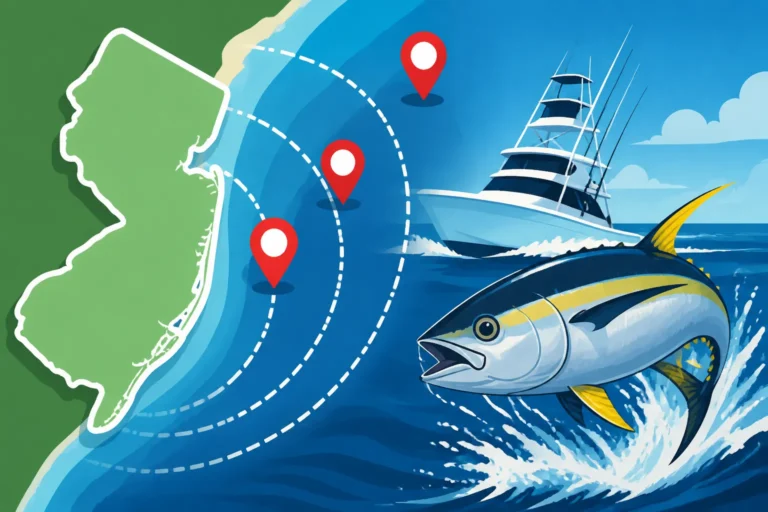
In the spring and fall, during the migrations, you'll often find charters targeting areas around major inlets like Manasquan Inlet, Barnegat Inlet, and Delaware Bay. The Raritan Bay is also a notorious hotspot for both spring and fall stripers, known for its incredible runs of large fish. These areas act as natural funnels for baitfish, concentrating stripers as they move along the coast. Close to shore, your captain might focus on structure like jetties, rock piles, and artificial reefs where stripers ambush their prey.
Further offshore, especially during the fall run, boats might look for large schools of bunker or other baitfish, often marked by diving birds, which almost always indicate stripers feeding below. Some charters might even head to specific wrecks or reefs a few miles out, where large "cow" stripers gather. The beauty of a charter is the captain's intimate knowledge of these ever-changing patterns and locations; they’ve spent countless hours on the water tracking these fish. They also monitor fishing reports and communicate with other captains, giving them the best chance to put you on fish, no matter where they are holding.
The Role of Your Captain and Crew
The captain and crew are the backbone of any successful charter fishing trip. The captain is the master of the vessel, responsible for navigation, safety, and, most importantly, putting you on the fish. They possess an encyclopedic knowledge of local waters, tides, weather patterns, and fish behavior. Their expertise is honed over years, if not decades, of being on the water. They make crucial decisions about where to go, what techniques to use, and when to move, all based on their experience and real-time conditions.
The mate(s), on the other hand, are the hands-on support team. They are typically tireless workers who are there to assist you every step of the way. From baiting hooks, untangling lines, and helping you reel in your catch, to gaffing larger fish and providing instructions, the mate's job is to ensure you have a smooth and enjoyable experience. They'll show you how to properly hold your rod, set the drag, and offer tips to improve your technique. After the fishing is done, they'll usually handle the cleaning and filleting of your catch, making sure you go home with ready-to-cook fillets. Think of them as your personal fishing coaches and concierge for the day – their hard work makes your trip effortless and productive. Showing appreciation for their hard work with a gratuity is customary and always appreciated. New Jersey Charter Boat Tipping Etiquette
Choosing the Right Striped Bass Charter
Choosing the right charter for your striped bass adventure can feel like a big decision. With so many options along the Jersey Shore, how do you pick one that will deliver a great experience? It comes down to a bit of research and knowing what questions to ask.
Researching Reputable Operators
The first step in finding a great striped bass charter is doing your homework. Start by looking for captains and boats with a solid reputation. Online reviews are an excellent starting point; websites like FishingBooker, Google Reviews, and social media platforms often feature testimonials and star ratings from previous clients. Pay attention to comments about the captain's knowledge, the crew's helpfulness, the condition of the boat, and, of course, the success rate for catching striped bass. How to Read New Jersey Charter Reviews Before Booking
Look for charters that specialize in striped bass fishing, or at least feature it prominently among their target species. These captains will have the most up-to-date knowledge on striper movements, the best bait, and effective techniques. Beyond online research, word-of-mouth recommendations from fellow anglers or locals at tackle shops can be invaluable. Don't be shy about calling a few different charter operations to get a feel for their approach and availability. A good charter operator will be happy to answer your questions and give you a clear idea of what to expect.
Essential Questions to Ask Before Booking
Once you've narrowed down a few potential charters, it's time to make some calls. Asking the right questions can clarify details and ensure the trip meets your expectations. Here are some key inquiries:
- What's included in the price? Confirm if bait, tackle, and licenses are covered. Most charters provide gear and bait, but some might charge extra for live bait or if you break a rod. Also, clarify whether the captain's license covers your individual fishing license requirements. Do You Need Your Own Fishing License on a New Jersey Charter?
- What's your typical catch for striped bass this time of year? While no captain can guarantee fish, they should be able to give you a realistic idea of what to expect, based on current conditions and historical success.
- What is your policy on weather cancellations? Bad weather can certainly impact a trip. Understand their policy for rescheduling or refunds if the captain deems conditions unsafe.
- How many people does the boat accommodate? This is crucial for private charters to ensure your group fits comfortably. For party boats, it’s good to know how many anglers will be on board, as it can affect space.
- Do you offer fish cleaning services? Most mates will clean and fillet your catch, but it's good to confirm if there's an additional fee for this service.
- What are the current striped bass regulations (slot limits, bag limits)? While the captain knows best, it shows you're engaged and helps set expectations for what you might keep.
Clear communication upfront will prevent any surprises and ensure you're comfortable with your booking.
Understanding Pricing and What's Included
Charter pricing in New Jersey can vary significantly based on the type of trip (private vs. party boat), duration (half-day vs. full-day), and even the target species or time of year. For private striped bass charters, you'll pay a flat fee for the boat, regardless of how many people are in your group (up to the boat's legal capacity). This fee typically covers the boat, captain, crew, fuel, gear, and bait. As mentioned, New Jersey Half-Day Charter Cost and New Jersey Full-Day Charter Cost will differ.
Party boats charge a per-person rate, which is usually much lower than the per-person cost of a private charter. This fee generally includes your spot on the boat, a rod and reel (though you can often bring your own), and bait.
It's important to clarify what's explicitly included and what might be an extra cost. Common extras could include:
- Fish cleaning and filleting: Sometimes this is included, other times the mate might charge a small fee per fish or for the service.
- Gratuity for the mate: This is almost universally expected and is not included in the base price. A standard tip is 15-20% of the total trip cost.
- Food and drinks: You'll almost always need to bring your own, though some larger party boats might have a galley selling snacks and drinks.
- Specialized bait or tackle: While standard gear is covered, if you request something very specific or expensive, it might be an additional charge.
Always get a clear breakdown of costs before you book. Websites like FishingBooker often provide detailed inclusions for each listing, making it easier to compare options transparently. Don't hesitate to ask if there are any hidden fees.
Preparing for Your Striper Charter Trip
A little preparation goes a long way in ensuring your New Jersey striped bass charter trip is as enjoyable and comfortable as possible. From what you pack to how you handle potential seasickness, being ready for the day makes all the difference.
What to Bring (and What to Leave Behind)
Packing smartly for a fishing charter can make or break your comfort. Here’s a rundown of essentials:
- Appropriate Clothing: Dress in layers! New Jersey weather, especially on the water, can change quickly. Even on warm days, mornings can be chilly, and the breeze offshore can be bracing. A waterproof and windproof jacket is a must, even if rain isn't in the forecast. Long sleeves and pants can protect you from sun and spray. What to Wear on a New Jersey Fishing Charter
- Sun Protection: Sunscreen (reapply frequently!), sunglasses (polarized are great for spotting fish or structure), and a wide-brimmed hat are non-negotiable. The sun's reflection off the water amplifies its intensity.
- Food and Drinks: Pack snacks, sandwiches, and plenty of water or other non-alcoholic beverages. Staying hydrated is crucial. Most boats will have coolers with ice, but confirm this beforehand.
- Cooler for Your Catch: If you plan on keeping fish (and the regulations allow), bring a cooler with ice to transport your fillets home. Leave it in your car until the end of the trip to save space on deck.
- Camera: To capture those epic moments and trophy shots!
- Small Personal Bag: Keep your essentials in a small, waterproof bag that's easy to access but not cumbersome.
What to leave behind? Large, bulky bags, unnecessary electronics (unless waterproof), and excessive amounts of alcohol (check the boat's policy, many have limits or prohibitions). The deck can get crowded, and less clutter means more comfort and safety.
Battling Seasickness and Staying Comfortable
Seasickness can turn an exciting fishing trip into a miserable ordeal. If you're prone to motion sickness, or even if you're not sure, it's always best to take preventative measures.
- Medication: Over-the-counter options like Dramamine or Bonine work well for many. It's crucial to take these before you board the boat, usually an hour or two prior, as they are most effective preventatively. Once you're feeling sick, it's often too late for them to truly help.
- Natural Remedies: Ginger candies or chews, sea-bands (acupressure wristbands), or even just focusing on the horizon can sometimes help alleviate mild symptoms.
- Positioning: Try to stay on the main deck, looking out at the horizon, rather than down at your phone or into the cabin. Fresh air is also your friend.
- Avoid certain foods: Steer clear of greasy, acidic, or heavy foods before and during your trip. Opt for bland, light snacks.
Staying hydrated and well-rested before your trip can also make a significant difference in how your body handles the motion of the ocean. Don't let the fear of seasickness deter you; with the right preparation, you can often keep it at bay and enjoy your time on the water.
Rules and Regulations You Should Know
Beyond the specific striped bass regulations (which your captain will cover), there are a few general rules and considerations for fishing in New Jersey.
- New Jersey Saltwater Registry: While charter boats often cover their passengers under a blanket federal or state permit, it's always wise to confirm if you, as an individual angler, need to register with the New Jersey Saltwater Registry Explained. This registry is free and helps the state collect vital data on recreational fishing. Generally, if you're fishing on a for-hire vessel, the captain's license covers you, but it's good practice to clarify.
- Carrying Proof of License/Registry: If you are required to have your own freshwater license (for instance, if you're combining a freshwater trip with a saltwater one, though less relevant for striper charters), always carry proof with you. Carrying Proof of Your New Jersey Fishing License
- Safety First: Listen carefully to the captain's safety briefing at the beginning of the trip. Pay attention to the location of life vests, first aid kits, and emergency exits. The crew's primary concern is everyone's safety.
- Respectful Conduct: Be mindful of other anglers, especially on party boats. Give everyone adequate space and avoid casting over other lines. Follow the crew's instructions promptly. This ensures a pleasant experience for everyone.
Understanding and respecting these rules contributes to a safer, more productive, and more enjoyable trip for all involved.
Making the Most of Your Striped Bass Experience
You've done your research, booked your trip, and prepared everything you need. Now it's time to hit the water and make some memories. To truly maximize your striped bass charter experience, consider these tips, from effective fishing to responsible handling of your catch.
Maximizing Your Catch and Experience
When you're out on the water, actively engaging with the fishing process and listening to your crew will significantly improve your chances of success.
- Listen to the Crew: Your captain and mate are experts. They know where the fish are, what they're biting on, and how to present the bait or lure effectively. Pay close attention to their instructions on casting, retrieving, or how to handle a bite. If they tell you to jig a certain way or keep your bait near the bottom, they have a good reason.
- Ask Questions: Don't be afraid to ask for clarification or more tips. How do I know if I have a bite? What does a striper strike feel like? What should I do when a fish takes my line? Most crew members are passionate about fishing and happy to share their knowledge.
- Be Patient and Persistent: Fishing isn't always instant gratification. There will be slow periods, but staying focused, keeping your bait in the water, and being ready for a strike will pay off. Sometimes it's the quiet moments that lead to the biggest surprises.
- Learn Different Techniques: If the charter is employing various methods – maybe trolling early and then live-lining later – try to grasp each technique. This exposure to different approaches will not only increase your chances on this trip but also build your skills for future fishing adventures. Many captains are happy to walk you through the nuances of How to Jig for Striped Bass or other methods.
- Engage with Fellow Anglers: On party boats especially, you can learn a lot from observing and chatting with other experienced anglers. Share stories, learn from their techniques, and enjoy the camaraderie.
Catch and Release Best Practices
New Jersey's striped bass fishery relies on responsible angling, and catch and release plays a vital role, especially with slot limits meaning many fish need to go back. If you catch a striper that is undersized, oversized, or if you simply wish to release it, proper handling is paramount to ensure the fish's survival. New Jersey Catch and Release Striped Bass Handling Rules
- Minimize Fight Time: Bring the fish in as quickly as possible without overstressing the gear. A prolonged fight can exhaust the fish, reducing its chances of survival.
- Avoid Direct Contact with Dry Hands: If you must handle the fish, wet your hands thoroughly first. Dry hands can remove the fish's protective slime coat, making it vulnerable to infection.
- Use Dehooking Tools: The mate will often have long-nosed pliers or a dehooker. These tools allow you to remove the hook quickly and safely without touching the fish, especially important when a circle hook is used. Do You Need a Circle Hook to Fish for Striped Bass in New Jersey?
- Support the Fish: If you lift the fish for a quick photo, support its body horizontally with two hands – one under the belly and one near the tail. Avoid holding it vertically by the jaw or gills, which can damage its internal organs.
- Revive Carefully: If the fish seems sluggish, gently hold it in the water, facing into the current, allowing water to flow over its gills until it regains its strength and swims away on its own. Never just toss a tired fish back into the water.
Practicing these methods ensures that the fish you release have the best possible chance to thrive, contributing to the health of the striped bass population for years to come.
Handling Your Catch and Fish Cleaning
For the striped bass that fall within the legal slot limit and you decide to keep, the next step is handling your catch and getting it ready for the table. Your charter crew will be instrumental in this process.
Upon bringing a legal fish aboard that you intend to keep, the mate will typically take care of it, usually placing it in a cooler on the boat to keep it fresh. If it's a particularly large fish, they might measure and weigh it quickly before stowing it.
At the end of the trip, most New Jersey charter boats offer a fish cleaning service. The mate, often with incredible speed and skill, will fillet your fish for you. This is a huge convenience, saving you the messy job at home. They'll typically package the fillets into bags, ready for you to transfer to your personal cooler full of ice. This is another area where a customary tip for the mate is expected – a portion of your overall gratuity covers this service, but sometimes a small additional payment for extensive cleaning is appreciated, particularly for a large number of fish.
When you get home, transfer your fillets to new Ziploc bags, pressing out as much air as possible, and either place them directly on ice in the refrigerator for immediate consumption or freeze them for later. Remember that fresh fish is best enjoyed soon after the catch! Enjoying your freshly caught striped bass is the perfect capstone to an amazing New Jersey fishing adventure.
| Feature / Trip Type | Private Charter (Striped Bass Focused) | Party Boat (Striped Bass Focused) |
|---|---|---|
| Group Size | Exclusive for your chosen group (e.g., 1-6 people) | Shared with many other anglers (e.g., 20-100+ people) |
| Customization | High: Tailored to your preferences (techniques, locations) | Low: Follows captain's general plan for the day |
| Individual Attention | High: Direct guidance from captain/mate | Low: Crew assists many anglers; less one-on-one |
| Cost | Higher flat fee for the boat (can be higher per person for small groups) | Lower per-person fare |
| Fishing Pressure | Less competition for space/casting on deck | More crowded; potential for tangled lines |
| Best For | Families, serious anglers, beginners wanting focused instruction, special occasions | Budget-conscious anglers, individuals, social experience |
| Bait & Tackle | Usually included and high quality | Usually included and suitable for target species |
| Flexibility | More adaptable to real-time conditions and group's needs | Less flexible, follows set schedule and route |
Disclaimer
This article is for general informational purposes only and does not constitute professional advice. Laws, prices and regulations vary by location and change over time. Consult a qualified professional for guidance on your specific situation.