What to Wear on a New Jersey Fishing Charter
There's nothing quite like the excitement of heading out on a New Jersey fishing charter, the salty air in your face, and the promise of a great catch. But let's be real, many anglers, especially those new to charter fishing, often find themselves wondering, "What on earth should I wear?" It's a valid concern! Show up underdressed, and you'll be shivering and miserable; overdress, and you'll be sweating and uncomfortable. Being unprepared can seriously put a damper on what should be an amazing day on the water. This guide is here to ensure you're dressed for success, comfort, and safety, no matter what the Jersey waters throw your way.
Layering for Success: The Fundamental Principle
When it comes to dressing for a fishing charter in New Jersey, if there's one golden rule, it's this: layer, layer, layer! The weather on the open water is notoriously unpredictable, often shifting dramatically from one moment to the next. What feels like a warm, sunny morning on land can quickly become a chilly, windy, and wet experience once you're a few miles offshore. You need to be ready for anything, and a versatile layering system is your ultimate defense.
The Dynamic Nature of New Jersey Weather
Picture this: you wake up in Long Beach Island, the sun is shining, and there's a gentle breeze. You check the forecast for Barnegat Light and it says 70 degrees and sunny. Perfect, right? You head out to your charter, maybe one you found through a platform like FishingBooker, only to discover that once you're out past the inlet, the temperature drops, the wind picks up, and sudden waves send spray over the bow. Or maybe it's a calm day, but hours under the relentless sun leave you scorched. New Jersey weather, especially near the coast and on the bays, is a master of disguise. It can go from calm to choppy, sunny to overcast, and warm to downright cold in a blink. The wind chill factor offshore is often much lower than what's reported for inland areas, and even on warm days, constant spray can leave you feeling damp and chilly if you're not protected. Understanding this variability is the first step to dressing smart.
Building Your Layered System: Base, Mid, and Outer
A proper layering system isn't just about throwing on extra clothes; it's about strategic choices for each component to maximize comfort and adaptability.
- The Base Layer (Next to Skin): Moisture-Wicking is Key
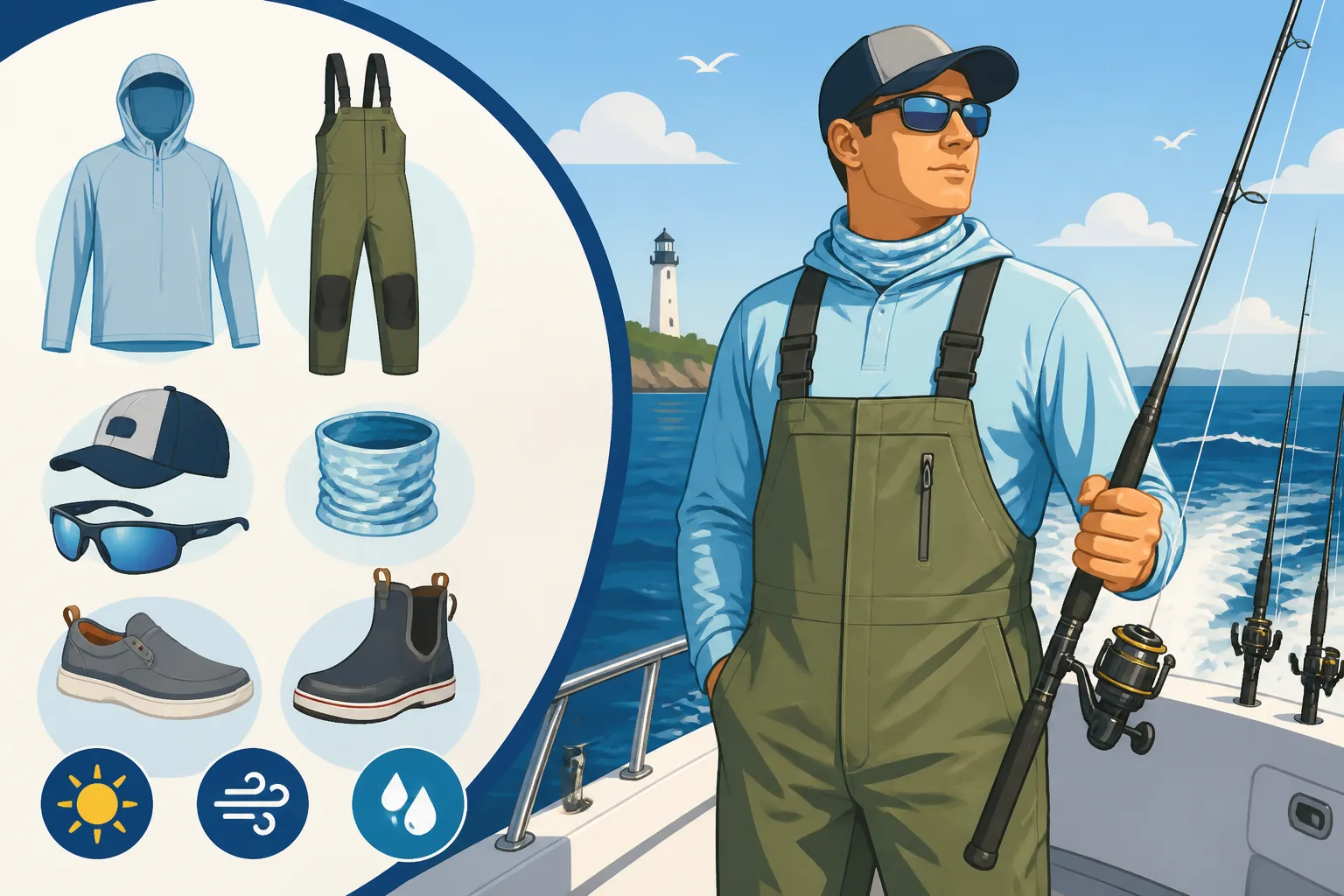
This is your foundation, and its primary job is to manage moisture. As you move, cast, and reel in fish, you'll inevitably sweat, even on cooler days. Cotton is the absolute enemy here. Once cotton gets wet, it stays wet, robbing your body of warmth and making you feel clammy and cold. Instead, opt for synthetic materials like polyester or polypropylene, or natural fibers like merino wool. These fabrics wick sweat away from your skin, helping it evaporate and keeping you dry and comfortable. In summer, a light, breathable, moisture-wicking shirt will prevent chafing and help cool you down, while in cooler months, a slightly thicker base layer provides essential insulation without bulk. - The Mid Layer (Insulation): Trapping Warmth
The mid-layer's purpose is to provide insulation and trap body heat. Depending on the forecast and the season, this could be a light fleece jacket, a heavier insulated vest, or even a puffy synthetic jacket. Again, avoid cotton. Materials like fleece, wool, or synthetic down are excellent choices. They provide warmth without being overly bulky, allowing you a good range of motion for fishing. On warmer days, you might skip a heavy mid-layer, but it's always wise to have one stowed away in your bag – just in case the wind picks up or clouds roll in. For those brisk spring mornings heading out for New Jersey Trout Fishing Techniques or chasing the fall striped bass, a good mid-layer is non-negotiable. - The Outer Layer (Shell): Protection from Wind and Water
This is your shield against the elements: wind, rain, and sea spray. Your outer layer must be waterproof and windproof. A high-quality rain jacket and rain pants (often called "bibs" in the fishing world) are worth their weight in gold. Look for materials like Gore-Tex or similar waterproof-breathable fabrics that keep water out while still allowing some moisture to escape from within, preventing you from feeling like you're in a sauna. This layer is crucial for keeping you dry when a rogue wave splashes over the rail, or a sudden squall pops up. Even on a clear day, the constant wind can be tiring and chilling, so a good windproof shell will make a world of difference in your comfort. Think about how exposed you'll be on the deck – there's nowhere to hide from the wind and spray!
Protecting Yourself: Head, Hands, and Feet
Beyond your core clothing layers, specific accessories play a huge role in your overall comfort and safety. Neglecting these can lead to sunburn, cold extremities, or even injuries.
Head and Face: Sun and Cold Defense
Your head and face are particularly vulnerable to the elements, whether it's the intense sun reflecting off the water or biting cold wind.
- Hats for All Seasons: In warmer months, a wide-brimmed hat or a baseball cap is essential for protecting your face, ears, and neck from the sun's harsh UV rays. Look for hats with a dark underside to reduce glare. When the temperature drops, a warm beanie or wool hat will prevent significant heat loss from your head, keeping your whole body feeling warmer. It's truly amazing how much difference a simple hat can make when the wind is whipping around your ears.
- Polarized Sunglasses: These aren't just for looking cool! Polarized sunglasses significantly reduce glare from the water, allowing you to see much more clearly, which can even help spot fish or structure. More importantly, they protect your eyes from harmful UV radiation, which is intensified by reflection off the water. They also offer a crucial barrier against stray hooks, flying lures, or other debris. Don't leave home without them.
- High-SPF Sunscreen and Lip Balm: Even on cloudy days, UV rays penetrate, and the reflection off the water amplifies their effect. Apply a high-SPF, waterproof sunscreen generously to all exposed skin – face, neck, ears, hands – before you even leave the dock. Reapply every few hours, especially after handling fish or getting wet. Don't forget lip balm with SPF to protect your lips from sun and windburn. There's nothing worse than a painful sunburn cutting your trip short or making the next few days miserable.
Hand and Foot Protection
Your hands and feet are constantly interacting with the boat, tackle, and fish. Keeping them protected is vital for both comfort and safety.
- Gloves for Grip and Safety: Fishing gloves come in various forms. For warmer weather, lightweight sun gloves offer UV protection for your hands and improve grip on wet rods. In cooler temperatures, insulated, waterproof fishing gloves are a game-changer, keeping your hands warm and functional. They also provide protection against nicks, scrapes, line burns, and the occasional sharp fin or tooth. Handling cold, wet fish or slippery lines with bare, numb hands is a quick way to lose your enthusiasm.
- Non-Slip, Closed-Toe, Waterproof Footwear: This is perhaps one of the most overlooked, yet critical, pieces of gear. The deck of a fishing boat can be wet, slippery, and full of hazards. You need shoes with excellent traction to prevent slips and falls. Furthermore, they should be closed-toe to protect your feet from dropped sinkers, hooks, knives, or the occasional thrashing fish. Waterproof boots (like deck boots or rubber boots) are ideal for keeping your feet dry from spray and splashes. If you don't have waterproof boots, wear old sneakers that you don't mind getting completely soaked, but ensure they have good grip. Absolutely avoid flip-flops, sandals, or open-toed shoes of any kind. A stray hook or a dropped 8-ounce sinker can ruin your day faster than you can say "fish on!" You might even be fishing for species like fluke during peak season, as discussed in New Jersey Fluke Size and Bag Limits Explained, and their sharp dorsal spines can be nasty if they flop onto an unprotected foot.
The "Just in Case" Essentials
While not strictly "clothing," these items are so crucial to your comfort and well-being that they deserve a mention as part of your wearable preparedness.
- Motion Sickness Remedies: Even if you've never been seasick before, a rough day on the Atlantic can catch anyone off guard. It's always a good idea to bring your preferred motion sickness medication (pills, patches, bands) and take it before you board the boat, or at least well in advance of feeling queasy. Don't wait until it's too late. Being miserable from seasickness is a sure way to miss out on the fun, and trust me, nobody wants that. If you're wondering about options, we've even got a whole guide on Best Seasickness Remedies for New Jersey Boat Trips.
- Small Dry Bag or Backpack: You'll want a small bag to keep your personal items – phone, wallet, keys, extra layers, snacks – safe and dry. A waterproof dry bag is ideal, but even a regular backpack with a good rain cover will work. Keeping essentials protected from salt spray and rain is important.
- Water and Snacks: Staying hydrated is key, especially during warmer months or if you're out for a full-day trip. Bring plenty of water. Pack some snacks that are easy to eat on a moving boat, like granola bars, fruit, or sandwiches. Many charters will have drinks available, but it's always smart to bring your own.
Seasonal Attire: Tailoring Your Wardrobe to the Time of Year
While layering is universally important, the specific types and weights of your layers will depend heavily on the season. New Jersey's fishing seasons offer a wide range of weather conditions, from frosty winter mornings to sweltering summer afternoons.
Spring and Fall: Master the Art of Transition
These shoulder seasons are arguably the trickiest and where layering truly shines. You might experience all four seasons in a single day!
- The Layering Extremes: Early spring (think March/April) and late fall (October/November) can be downright cold, especially in the early morning or late evening. However, midday sun can push temperatures up significantly. This means you need to pack for both extremes. Your base layer should be warm and moisture-wicking, followed by a substantial mid-layer (think a thick fleece or even a light puffy jacket). Your outer layer needs to be fully waterproof and windproof – a heavy-duty rain jacket and bibs are essential to block the biting wind and any splash from choppy seas. Don't skimp on a warm hat and gloves. You might start the day bundled up like an Eskimo for the ride out, then shed a layer or two when the sun is high and you're actively reeling in fish. When planning for these seasons, consider what specific fish you're targeting. Are you out for Best Time of Year to Fish for Striped Bass in New Jersey during the fall run, where you'll be exposed to colder conditions, or an early spring trout trip on a freshwater lake?
- Be Prepared for Rapid Changes: The key here is not just having the layers, but having them accessible. Don't bury your rain gear at the bottom of a duffel bag. Have it ready to put on at a moment's notice. A good pair of waterproof deck boots will keep your feet dry and warm through the inevitable spray and wet deck conditions.
Summer: Sun, Spray, and Sudden Storms
Summer in New Jersey can be hot, but don't let that fool you into thinking you can skimp on protection.
- Sun Protection is Paramount: Even on the hottest days, offshore breezes can create a pleasant cooling effect, making you underestimate the sun's intensity. Light-colored, long-sleeved, breathable shirts made from quick-drying, UV-protective fabrics are your best friend. These offer far more protection than constantly reapplying sunscreen and help prevent heatstroke. Lightweight fishing pants or shorts are fine, but consider those made from quick-drying materials.
- Light Rain Gear is Still Essential: Summer is also prime time for pop-up thunderstorms. While the heat might make a full set of rain gear seem overkill, a lightweight, packable waterproof jacket is a must-have. You don't want to be caught in a downpour soaking wet. A light pair of waterproof pants might also be a good idea if heavy rain is in the forecast. Even without rain, constant boat spray, especially on faster boats or choppy days, can leave you feeling soggy. Your footwear should still be non-slip and closed-toe, though you might opt for lightweight deck shoes or even sturdy sandals (provided they offer toe protection and good grip, which is rare) that can get wet and dry quickly. Many anglers choose to fish for summer fluke, which you can learn more about in a New Jersey Fluke Charter Guide, and these trips often encounter varying summer conditions.
Winter: Brave the Elements, Stay Warm
If you're heading out on a New Jersey charter in the depths of winter (think December through February), you're a hardy angler, and you'll need gear to match the extreme conditions. This isn't for the faint of heart, and proper attire is about survival and comfort.
- Heavy Insulation and Extreme Waterproofs: This is where your heaviest, most insulated gear comes into play. Think heavy-duty insulated bibs and a matching insulated, waterproof jacket. Many serious winter anglers invest in specific floatation suits designed for extreme cold and water safety. Your base layers should be thermal, and your mid-layers should be very warm fleece or synthetic down. Multiple mid-layers might even be necessary.
- All Extremities Covered: A thick wool or synthetic beanie that covers your ears is critical. Insulated, waterproof gloves are a must, perhaps even two pairs (a thinner pair for dexterity and a heavier pair for warmth). Thermal socks and heavy-duty, insulated, waterproof winter boots are non-negotiable. Frostbite can set in quickly in freezing temperatures combined with wind chill and moisture. If you're venturing out on New Jersey Winter Wreck Fishing Charters, which are fantastic for certain species, being properly dressed is the difference between a memorable trip and a miserable one.
| Season | Base Layer | Mid Layer | Outer Layer | Headwear | Handwear | Footwear | Additional Considerations |
|---|---|---|---|---|---|---|---|
| Spring | Medium-weight moisture-wicking | Medium fleece/synthetic jacket or vest | Waterproof & windproof jacket/bibs | Beanie/baseball cap | Insulated gloves | Waterproof deck boots/old sneakers | Sunscreen, lip balm, sunglasses |
| Summer | Light, breathable, UV-protective | Light fleece (optional, for cool mornings) | Lightweight waterproof jacket (packable) | Wide-brimmed hat/baseball cap | Light sun gloves | Non-slip, closed-toe deck shoes/sneakers | Plenty of water, sunscreen, bug spray |
| Fall | Medium-heavy moisture-wicking | Heavy fleece/synthetic jacket | Heavy-duty waterproof & windproof jacket/bibs | Beanie/baseball cap | Insulated gloves | Waterproof deck boots/old sneakers | Sunscreen, lip balm, sunglasses |
| Winter | Heavy thermal moisture-wicking | Multiple heavy fleece/down/synthetic layers | Heavily insulated, waterproof & windproof suit | Thick wool beanie/balaclava | Heavy insulated, waterproof gloves | Heavy insulated, waterproof winter boots | Hand warmers, thermos with hot drink |
Common Clothing Mistakes to Avoid
Sometimes, knowing what not to wear is just as important as knowing what to wear. Avoiding these common pitfalls will save you a lot of discomfort.
The Perils of Cotton
We've touched on this, but it bears repeating: avoid cotton at all costs when fishing on a New Jersey charter. This includes cotton t-shirts, sweatshirts, jeans, and socks. Cotton absorbs moisture like a sponge, whether it's sweat, rain, or sea spray, and then it holds onto it. Once wet, cotton loses all its insulating properties and will actively draw heat away from your body. Even on a moderately cool day, getting wet in cotton can lead to chills and, in extreme cases, hypothermia. You'll feel clammy, cold, and utterly miserable. Opt for synthetic blends or wool.
Unprotected Feet: Open-Toed Shoes and Slippery Soles
As mentioned earlier, wearing flip-flops, sandals, or going barefoot on a fishing boat is a recipe for disaster. The deck is often wet, slippery, and prone to sudden movements. A lack of traction can lead to dangerous falls. Beyond that, there are countless hazards: hooks lying on the deck, dropped weights or pliers, sharp fins of fish, and even loose bits of bait or chum. These can cause painful injuries to unprotected feet. Always wear closed-toe shoes with excellent non-slip soles, ideally waterproof. Your feet will thank you.
Underestimating the Sun and Wind
Many new anglers, even on beautiful sunny days, underestimate the combined power of the sun and wind on the water. The sun's UV rays are intensified by reflection off the water, meaning you can get a severe sunburn much faster than on land. Forgetting to reapply sunscreen, or neglecting areas like the back of your neck, ears, and hands, is a common oversight. Similarly, a seemingly gentle breeze on shore can become a relentless, chilling wind offshore. Without a proper windproof outer layer, that constant wind will sap your body heat, even if the air temperature isn't particularly low. Don't forget lip balm with SPF, as wind and sun can quickly chap your lips. Being thorough with sun and wind protection will make your day infinitely more enjoyable and prevent uncomfortable aftermaths. When you're researching potential trips, perhaps on a platform like FishingBooker, take a moment to look at the typical wind conditions for your chosen fishing grounds and adjust your attire accordingly. And remember to keep your New Jersey Fishing License Guide for 2026 in mind, as knowing the rules is part of being prepared!
Disclaimer
This article is for general informational purposes only and does not constitute professional advice. Laws, prices and regulations vary by location and change over time. Consult a qualified professional for guidance on your specific situation.