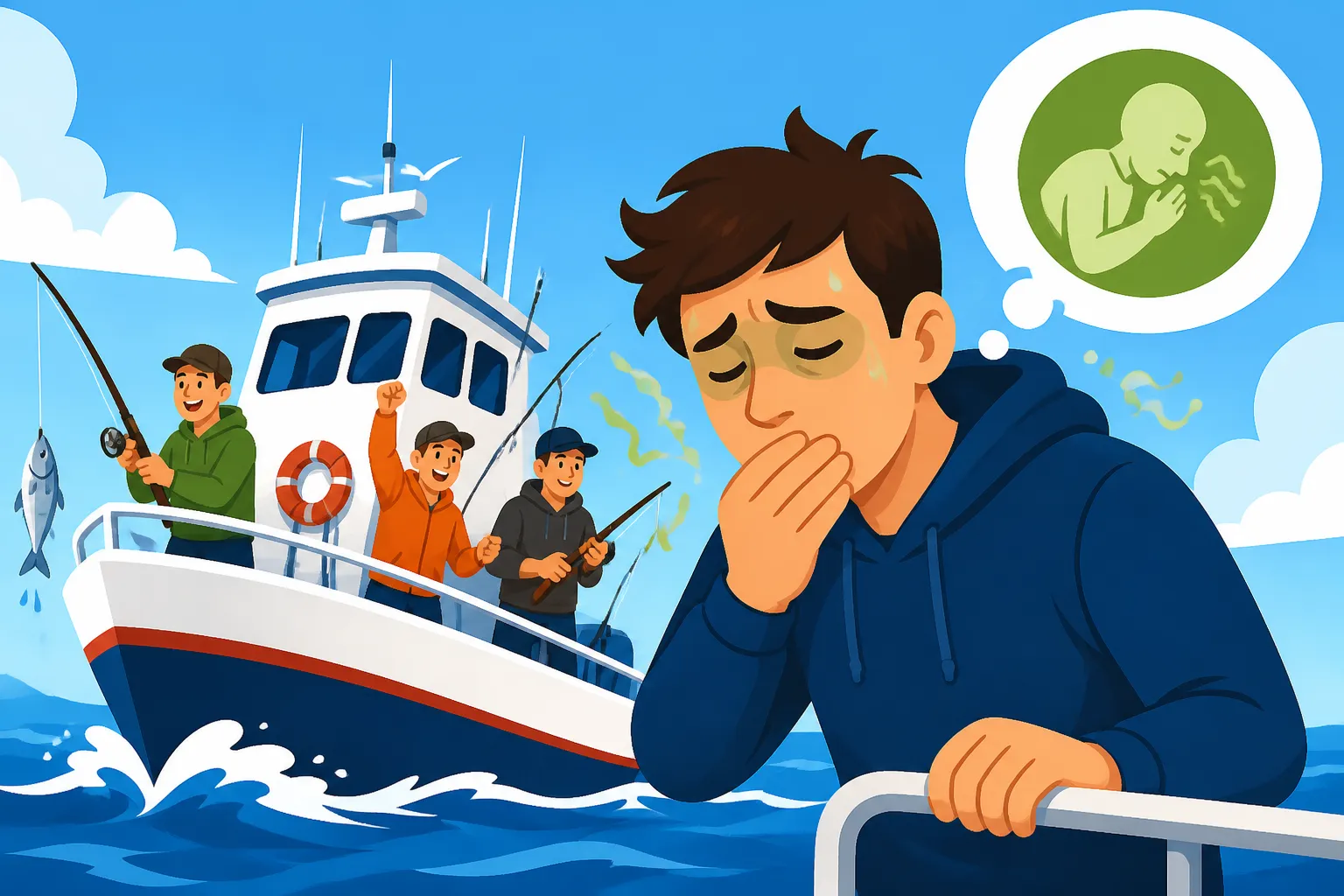
Is Seasickness Common on New Jersey Party Boats?
That thrilling feeling of planning a fishing adventure out on the beautiful New Jersey coast can quickly be overshadowed by a nagging worry: what if seasickness strikes? It’s a completely valid concern that many first-time (and even seasoned!) anglers grapple with before stepping foot on a party boat. This guide is here to tackle that very anxiety, exploring just how common seasickness is on New Jersey party boats, what causes it, and most importantly, how you can proactively prevent and manage it to ensure your day on the water is filled with tight lines and good memories, not green gills.
Understanding Seasickness: Why It Happens on the Water
Seasickness, or motion sickness as it's more broadly known, is a truly miserable experience that can turn a fantastic day on the water into an exercise in pure endurance. It’s not just in your head; it’s a very real physiological reaction, and understanding why it happens is the first step toward combating it.
The Conflict of the Senses
Your body has an incredible internal GPS system, primarily managed by your inner ear, which detects motion and helps maintain your balance. When you're on a boat, especially a party boat chugging out into the Atlantic or bouncing around in the bay, your inner ear is constantly sending signals to your brain about the rocking and rolling motion. However, your eyes might be focused on the relatively stable deck or the distant horizon, sending conflicting signals. This sensory mismatch – your inner ear saying "we're moving a lot!" and your eyes perhaps saying "everything looks relatively still!" – creates confusion in your brain.
This confusion is what triggers the classic symptoms of seasickness: nausea, dizziness, cold sweats, and that utterly dreadful feeling that you might throw up at any moment. Your brain, in its attempt to resolve the conflict, interprets these mixed signals as a kind of poison, leading it to initiate a purge (vomiting) to get rid of the perceived threat. It's an evolutionary response, but a highly inconvenient one when you're trying to enjoy a day catching fluke or striped bass.
Factors that Contribute to Seasickness
Several elements can amplify the likelihood and severity of seasickness. The size of the boat plays a big role; generally, larger boats tend to be more stable, cutting through waves rather than being tossed by them as much. However, even the biggest party boat can get rocked if the seas are particularly rough. Where you stand or sit on the boat also matters. The bow (front) and stern (back) usually experience more motion, while the middle (amidships) tends to be the most stable spot.
Beyond the boat itself, your personal condition can be a major factor. Lack of sleep, dehydration, anxiety, or even having an empty or overly full stomach can make you more susceptible. The specific sea conditions on any given day are paramount. A calm, glassy ocean means minimal motion, while choppy waves, especially short, steep ones often found closer to shore or in inlets, can be a recipe for discomfort. Wind strength and direction, as well as swell height, are all crucial elements that dictate how much the boat will move.
How Common is Seasickness on New Jersey Party Boats?
Let's be realistic: seasickness is quite common on New Jersey party boats, especially for those new to boating or sensitive to motion. It’s not a rare occurrence, and you’re certainly not alone if you’ve experienced it or worry about it.
It's More Prevalent Than You Think
While no charter captain wants to dwell on it, most seasoned party boat anglers have either experienced seasickness themselves or witnessed others struggling with it. It's simply a part of being on the ocean, which is inherently dynamic. On a typical busy summer weekend, if the seas kick up even a little, you're likely to see a handful of folks looking a bit green around the gills. It’s particularly common on offshore trips or days with significant swells, but even a relatively calm day can catch some people off guard if they're particularly sensitive.
The good news is that for many, it's a mild discomfort that passes, and for others, it's entirely preventable with the right precautions. The key is not to let the fear of it keep you from enjoying the fantastic fishing opportunities that New Jersey's party boats offer. Whether you're heading out for New Jersey Fluke Party Boat Trips or chasing striped bass, being prepared makes all the difference. Many party boat crews are incredibly understanding and well-versed in helping passengers who feel unwell; they see it all the time.
Factors Influencing Seasickness on NJ Waters
The New Jersey coastline can offer a wide range of conditions, from perfectly flat, calm days to rough, choppy seas. Here's what often dictates the likelihood of seasickness:
- Ocean vs. Bay Fishing: Party boats heading out into the open Atlantic for species like black sea bass or tilefish will generally encounter larger swells and more persistent motion than those staying within the calmer confines of Barnegat Bay or Raritan Bay. Even bays can get choppy with strong winds, though.
- Boat Size and Type: Larger, heavier party boats with deep keels tend to be more stable than smaller vessels. When browsing options on platforms like FishingBooker, you can sometimes glean information about boat size or even look up the specific vessel to get a sense of its stability. A bigger boat will generally handle rougher water better.
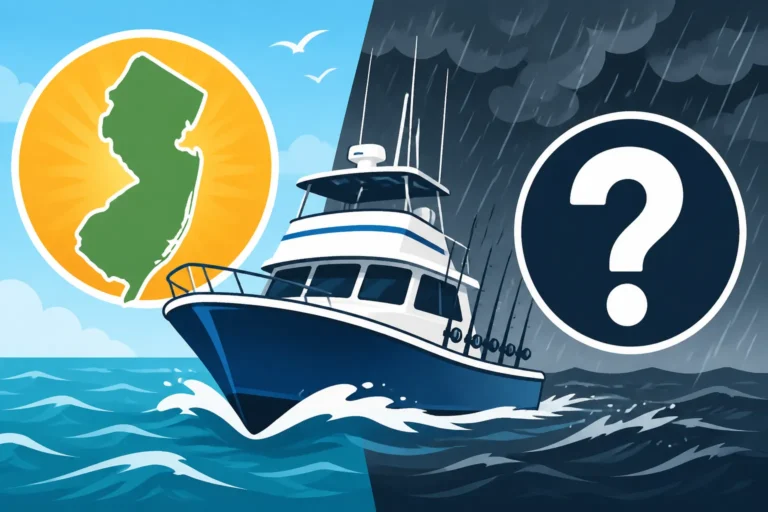
- Sea Conditions and Forecast: This is probably the single most important factor. A reputable party boat operation will always monitor the marine forecast. If a trip is canceled due to rough seas, it’s for your safety and comfort. However, even moderate forecasts can still be enough to trigger seasickness in sensitive individuals. Always check the forecast yourself and understand what "2-4 foot seas" or "choppy" really means for your comfort level.
- Duration of Trip: Longer trips, especially full-day or even overnight excursions, mean more prolonged exposure to motion, which can wear down your resistance over time. A shorter, half-day trip might be a good way to test your sea legs if you're unsure.
New Jersey Party Boat Passengers and Seasickness
| Factor | Impact on Seasickness Risk |
|---|---|
| Boat Size | Larger, heavier boats generally mean less pronounced motion, reducing risk. Smaller boats can be tossed more easily. |
| Sea Conditions | Calm, flat seas = low risk. Choppy, wavy, or significant swells = high risk. Always check the marine forecast before booking or departing. |
| Location | Open ocean fishing (e.g., offshore wrecks) typically has higher risk than calmer, shallower bays (e.g., Barnegat Bay). |
| Trip Duration | Longer trips (full-day, offshore) increase exposure time, potentially wearing down resistance. Shorter trips (half-day, inshore) might be better for testing waters. |
| Individual Susceptibility | Some people are simply more prone due to genetics, inner ear sensitivity, or previous experiences. Anxiety about seasickness can also worsen symptoms. |
| Preparation | Proper hydration, light meal, adequate sleep, and taking medication proactively can significantly reduce risk and severity. |
Strategies for Preventing and Managing Seasickness
Okay, so seasickness is a real possibility, but it doesn’t have to ruin your New Jersey fishing trip! There are plenty of proactive steps you can take to prevent it or at least minimize its effects. Think of it like packing your tackle box – preparation is key.
Proactive Medications and Remedies
This is often the first line of defense for many anglers, and for good reason. Medications can be incredibly effective, but timing is crucial.
- Over-the-Counter Options: Medications like dimenhydrinate (Dramamine) or meclizine (Bonine, Antivert) are widely available. The golden rule with these is to take them before you even feel sick. Taking Dramamine the night before or at least an hour before you depart is often recommended for maximum effectiveness. Meclizine tends to cause less drowsiness, which is a big plus when you want to enjoy the fishing! Always read the labels carefully and consult with your doctor or pharmacist, especially if you have other medical conditions or are on other medications.
- Prescription Patches: For those who are highly susceptible, a transdermal scopolamine patch (like Transderm Scop) can be a game-changer. These small patches are placed behind the ear, and they slowly release medication over a few days. They require a prescription, so plan ahead and talk to your doctor well before your trip. Again, apply it several hours before you expect to encounter motion.
- Natural Remedies: Many swear by natural methods. Ginger, in various forms (ginger candies, ginger ale, ginger snaps, or even ginger capsules), has a long-standing reputation for soothing stomachs. Acupressure wristbands (like Sea-Bands) work by applying pressure to a specific point on your wrist. While their efficacy can vary from person to person, they offer a drug-free alternative or a supplement to medication. Don’t hesitate to pack a variety of options – you never know what might work best for you. For a deeper dive into these options, check out Best Seasickness Remedies for New Jersey Boat Trips.
Smart Positioning and Horizon Gazing
Once you're on the boat, where you stand or sit can significantly impact how your body perceives motion.
- Amidships is Your Friend: The center of the boat, both lengthwise and widthwise, experiences the least amount of rocking and rolling. Try to secure a spot here if possible. Avoid the bow (front), which tends to pitch up and down the most, and the stern (back), which can sway a lot.
- Fresh Air is Key: Stay on the open deck where you can breathe fresh air. Avoid going into enclosed cabins or below deck, as the lack of a clear horizon and stale air can quickly exacerbate feelings of nausea. If you absolutely must go inside, try to keep it brief.
- Fix Your Gaze on the Horizon: This is one of the most effective non-medicinal strategies. By continuously looking at the distant horizon, you give your eyes a stable reference point, helping to resolve that sensory conflict your brain is experiencing. Don't look down at your phone, a book, or your fishing rod tip for extended periods. Keep your eyes up and on the horizon as much as possible, even when reeling in a fish. This is crucial for keeping your visual input aligned with your inner ear.
Mind Your Body: Hydration, Food, and Rest
Your physical state before and during the trip plays a huge role in your susceptibility to seasickness.
- Eat Light, But Don't Starve Yourself: A completely empty stomach can be just as bad as an overly full one. Opt for a light, bland meal a couple of hours before your trip. Think toast, crackers, or a plain bagel. Avoid greasy, spicy, or heavy foods, and definitely steer clear of excessive alcohol the night before or during the trip.
- Stay Hydrated: Dehydration can worsen seasickness symptoms. Sip water or clear beverages regularly throughout the trip. Again, avoid sugary sodas, coffee, and alcohol, as they can contribute to dehydration.
- Get Enough Sleep: Fatigue can make you more vulnerable to motion sickness. Ensure you get a good night's rest before your fishing excursion. Being well-rested helps your body cope better with unfamiliar motions.
- Manage Anxiety: The mere fear of getting seasick can sometimes trigger symptoms. Try to relax and focus on the excitement of the trip. Deep breathing exercises can help calm your nervous system. Remember that party boat crews, many of whom you might find listed on FishingBooker, are experienced and will do their best to make you comfortable.
Picking the Right Party Boat and Conditions to Minimize Risk
Beyond personal preparation, making smart choices about your party boat and understanding the conditions can significantly reduce your chances of getting seasick. It’s all about setting yourself up for success!
Choosing Your Vessel Wisely
Not all party boats are created equal, especially when it comes to stability. When you're researching options for your New Jersey fishing adventure, keep these points in mind:
- Size Matters for Stability: As a general rule, larger and heavier vessels tend to offer a more stable ride. They cut through waves rather than being tossed by them as much as smaller boats. If you have a choice between a compact party boat and a substantial, multi-deck vessel, the larger one will likely be more comfortable in choppy conditions. Many fishing charters listed on platforms like FishingBooker provide boat specifications, so take a moment to look at the length and beam (width) of the vessel.
- Consider the Boat's Mission: Some party boats specialize in deep-sea fishing, venturing many miles offshore into potentially rougher waters to target tuna, cod, or tilefish. Others stick closer to shore, focusing on species like fluke, sea bass, or stripers in shallower areas or within the bays. Trips that stay in calmer, inshore waters or within sheltered bays will inherently involve less intense motion, which can be a huge benefit if you're prone to seasickness. If you're a beginner or highly susceptible, perhaps opt for a bay-focused trip for your first outing.
- Reputation and Comfort Features: Read reviews and ask around. Experienced captains and crews often take pride in providing a comfortable experience, and some boats might even have features designed to reduce motion, although these are less common on typical party boats. A boat known for its smooth ride is often a good indicator. Understanding the difference between party boats and private charters can also help you make an informed decision, as private charters sometimes offer more flexibility in choosing calmer fishing grounds. Learn more here: New Jersey Party Boat vs Private Charter: What's the Difference?.
Reading the Forecast Like a Pro
Understanding marine forecasts is like having a secret weapon against seasickness. Don't just glance at the sunny-day icon; dig a little deeper!
- Wave Height and Period: This is critical. A forecast of "2-4 foot seas" sounds manageable, but pay attention to the "wave period" or "swell period." This refers to the time interval between successive wave crests. A longer wave period (e.g., 8-10 seconds) means long, rolling swells that are generally more comfortable. A shorter wave period (e.g., 3-5 seconds) means short, choppy waves that can feel much more jarring and increase the likelihood of seasickness, even if the wave height isn't extreme. Short, steep chop is what often gets people.
- Wind Speed and Direction: Wind creates waves. A strong wind, especially one blowing against the current, can churn up seas very quickly. A forecast indicating strong winds (e.g., 15-20 knots or higher) often signals a bumpy ride. If the wind is light, even if there's a swell, the ride might be more comfortable.
- Knowing When to Reschedule: This is a tough one, especially when you've been looking forward to your trip. However, if the marine forecast is consistently predicting rough conditions (e.g., 4-6 foot seas with a short period, or strong winds) and you know you're susceptible, it's wise to consider rescheduling if the charter allows. Many New Jersey party boats have flexible cancellation policies for weather, but it’s always best to check beforehand. Sometimes, the difference between a miserable trip and a fantastic one is just waiting for a calmer weather window. Don't feel pressured to go if you know it's going to be rough – your comfort and enjoyment are paramount.
Disclaimer
This article is for general informational purposes only and does not constitute professional advice. Laws, prices and regulations vary by location and change over time. Consult a qualified professional for guidance on your specific situation.