What Sharks Can You Catch Off the New Jersey Coast?
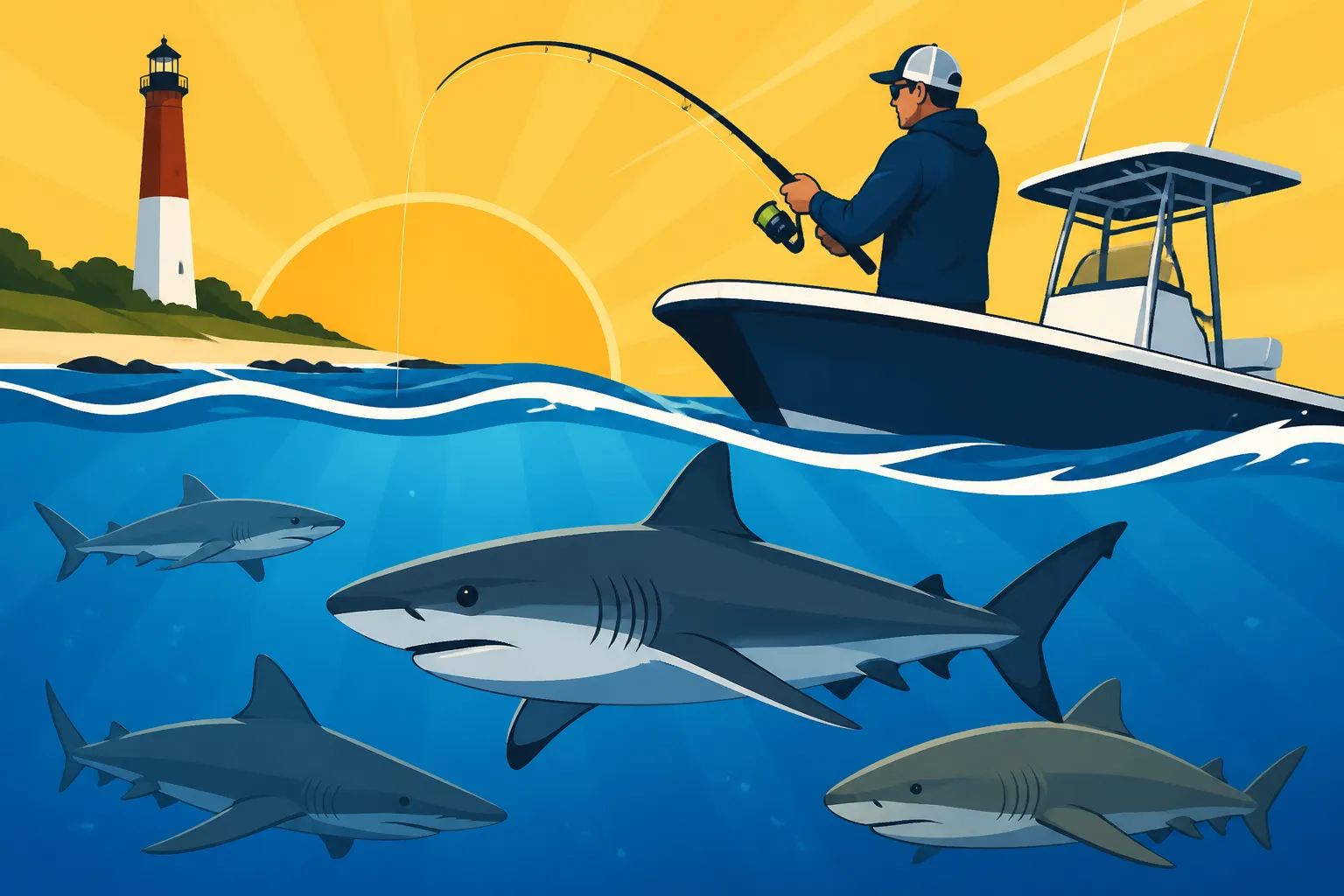
There’s a unique thrill that comes with the thought of encountering a shark, especially when you're out on the water along the stunning New Jersey coast. Whether it's a mix of awe, curiosity, or a healthy dose of respect for these apex predators, many anglers dream of a shark encounter. But what kinds of sharks can you actually expect to find in our local waters, and what’s involved in trying to catch one safely and legally? This guide will dive deep into the fascinating world of New Jersey's shark population, covering the species you might encounter, the regulations you need to know, and how to approach this exciting fishery responsibly.
The Allure and Reality of Shark Fishing in New Jersey
For generations, the image of a powerful shark has captured our imaginations. For anglers, the thought of hooking into one of these magnificent creatures is often the ultimate challenge, a test of skill, strength, and patience. But let's be real, it's not like every time you cast a line in the surf, you're going to pull in a great white. New Jersey’s waters are teeming with a diverse array of sharks, some of which are very common, while others are rarer, migratory visitors. Understanding what to expect is key to managing that excitement and ensuring a rewarding experience.
Dispelling Myths and Setting Expectations
When most people think of sharks, they often picture the massive, toothy predators from movies. While New Jersey definitely sees some impressive sharks, the vast majority of what you'll encounter are smaller, less intimidating species, or larger ones that require specialized offshore trips. It's crucial to approach shark fishing with realistic expectations and a deep respect for these animals and their role in the ecosystem. This isn't just about the fight; it's about the connection to a truly wild part of our ocean.
One common misconception is that all sharks are dangerous. While caution is always prudent, many of the sharks found here are relatively docile, especially if handled properly. The real 'frustration' for many beginners is often the sheer amount of preparation and regulation involved, which can feel overwhelming. But trust me, taking the time to learn these details makes all the difference for a safe and successful trip. Plus, remember that many shark species are strictly protected, and knowing the difference between a legal catch and a species that needs immediate release is paramount.
Why New Jersey Waters Attract Sharks
New Jersey's coastline is a vibrant and dynamic environment, acting as a critical habitat and migratory pathway for countless marine species, including sharks. The unique geography, ranging from the shallow, nutrient-rich bays to the deeper offshore canyons, creates a diverse food web that supports these powerful predators.
During the warmer months, as baitfish like bunker, mackerel, and squid move into our coastal waters, so do the sharks that feed on them. The continental shelf drops off considerably not too far offshore, providing deeper, cooler waters for larger pelagic species. Also, the seasonal migration patterns of many shark species bring them right past our shores. For instance, species might move north along the coast in spring and early summer, following the warming waters and their food sources, and then head south again as temperatures drop in the fall. These migrations are what make shark fishing a seasonal pursuit for many of the larger species.
Common Shark Species Found Off the New Jersey Coast
When you head out to fish in New Jersey, particularly for sharks, you'll find a surprising variety. From small, bottom-dwelling species that are common catches for surf anglers to the powerful, open-ocean predators sought by offshore charter boats, there's a lot to learn. Knowing what's likely to be at the end of your line helps you prepare and ensures you comply with all current regulations.
Coastal Cruisers: Sandbar and Smooth Dogfish
These are probably the most frequently encountered sharks for many anglers fishing inshore or even from the beach. They are fantastic to catch, offering a good fight, and are generally found closer to shore, making them more accessible.
The Sandbar Shark is a medium-sized shark, often reaching lengths of 5-6 feet. They have a distinctive high, triangular dorsal fin and are found in coastal and offshore waters, often over sandy or muddy bottoms. Many surf anglers or those fishing from piers will unexpectedly hook into a sandbar shark, and they put up a surprisingly strong battle. While some are allowed to be harvested, they are also a species that benefits greatly from careful catch and release, especially the larger breeding females. It's important to know the current size limits and regulations, as they can change.
Smooth Dogfish, sometimes called "smooth hounds," are much smaller, typically only growing to about 3-4 feet. They are very common in bays and inshore waters and are often caught by anglers targeting other bottom fish like fluke or even striped bass. These sharks are a blast on light tackle, pulling hard and giving you a great introduction to shark fishing without the need for heavy-duty gear. They're characterized by their smooth skin (hence the name) and blunt snouts. They are generally an abundant species, making them a good option for those looking to experience a shark catch without the intense regulations surrounding larger species. Just remember, even with these smaller guys, careful handling is key to their well-being.
Migratory Giants: Thresher, Mako, and Blue Sharks
If you're looking for a serious battle and have the means to head offshore, these are the heavy hitters you might encounter. These sharks are powerful, fast, and demand specialized gear and experience.
Thresher Sharks are instantly recognizable by their incredibly long, scythe-like tail, which can be as long as their body. They use this tail to stun schools of baitfish before feeding. These magnificent creatures are highly migratory and often caught offshore during the warmer months. They put up an acrobatic fight, making them a prized catch for serious big-game anglers. Due to their migratory nature and historical overfishing, thresher sharks are subject to strict management and often have complex regulations regarding size limits and retention. Anglers often book specialized New Jersey Deep Sea Fishing Charters to target these species.
Mako Sharks are known for their incredible speed and athleticism. They are true pelagic predators, found in the open ocean, and are capable of incredible jumps when hooked. There are two main species, the shortfin mako and the longfin mako, with the shortfin being the more commonly encountered in our waters. Makos are a favorite target for offshore sport fishermen due to their fighting prowess and the quality of their meat. However, mako populations have faced significant pressure, leading to very stringent conservation measures. Anglers need to be acutely aware of current retention limits, circle hook requirements, and often federal permits to even target them. It's a fishery where responsible practices are absolutely non-negotiable.
Blue Sharks are another highly migratory, open-ocean species, known for their slender bodies and distinctive iridescent blue coloration. They are widespread in temperate and tropical waters and are often found in cooler offshore areas off New Jersey, particularly during late spring and early summer. Blue sharks can grow quite large, sometimes exceeding 10 feet, and are strong fighters. They are often caught incidentally by anglers targeting other species, but also specifically targeted by some offshore outfits. They are generally considered an abundant species, but like all sharks, they require careful handling and adherence to regulations. If you're planning a trip, be sure to check out services like FishingBooker to find a charter that specializes in offshore shark trips, as they'll have all the necessary permits and gear.
Occasional Visitors and Protected Species
Beyond the regularly encountered species, New Jersey waters also host a variety of other sharks that are either occasional visitors, seasonal migrants, or strictly protected.
You might hear whispers of Hammerhead Sharks (specifically the scalloped or great hammerhead) making appearances, particularly further offshore or in our southern waters during peak summer. Their distinctive head shape is unmistakable, and they are powerful, impressive fish. Similarly, Tiger Sharks, known for their striped patterns (especially when young) and their large size, can also be found offshore. Both hammerheads and tiger sharks are generally highly protected, and their accidental capture often necessitates immediate, careful release.
The most famous of all, the Great White Shark, is present in New Jersey waters, especially further offshore or during certain migration periods, but they are federally protected and absolutely cannot be targeted or harvested. If you happen to encounter one, it's usually a very rare, accidental occurrence, and proper protocol is to release it immediately and unharmed. Seeing a great white, even from a distance, is an experience few forget and a powerful reminder of the ocean's wild beauty.
It's also worth noting that the Spiny Dogfish is another common smaller shark found in New Jersey, often in large schools. They are generally considered a nuisance by many anglers due to their abundance and spiny dorsal fins (handle with care!). They're usually caught while bottom fishing for other species and are typically released.
Here's a quick overview of some common and notable shark species off New Jersey:
| Shark Species | Typical Size Range (Feet) | Common Habitat | Target Fishery / Status | Notable Characteristics |
|---|---|---|---|---|
| Smooth Dogfish | 3-4 | Inshore, Bays | Common bycatch / Targeted | Slender, smooth skin, blunt snout |
| Sandbar Shark | 5-6 | Coastal, Offshore | Targeted (regulated) | High dorsal fin, powerful fight |
| Blue Shark | 8-10+ | Offshore | Targeted / Bycatch | Iridescent blue, slender body, highly migratory |
| Thresher Shark | 8-15+ (incl. tail) | Offshore | Targeted (regulated) | Extremely long, scythe-like tail |
| Shortfin Mako Shark | 6-10+ | Offshore | Highly targeted (strict) | Fast, acrobatic, conical snout, sharp teeth |
| Spiny Dogfish | 2-4 | Inshore, Offshore | Common bycatch | Spiny dorsal fins, often in large schools |
| Great White Shark | 12-20+ | Offshore | Federally Protected | Large, conical snout, iconic predator (strictly C&R) |
| Tiger Shark | 10-14+ | Coastal, Offshore | Protected / Rare bycatch | Striped pattern (especially when young) |
| Hammerhead Shark | 10-15+ | Offshore | Protected / Rare bycatch | Distinctive hammer-shaped head |
Essential Regulations and Responsible Shark Fishing Practices
Fishing for sharks is not just about the thrill; it's also about responsibility and conservation. The health of shark populations is a critical concern for marine ecosystems, and as anglers, we play a direct role in their protection. That means understanding and strictly adhering to all the rules, which can be quite complex, especially for migratory species.
Understanding Federal and State Rules
Shark regulations are often a combination of federal and state laws, and they can be notoriously difficult to navigate because they change frequently based on scientific assessments and conservation needs. What might be legal one year could be prohibited the next, or size and bag limits might shift. It's not uncommon for changes to occur mid-season for some species, so staying informed is paramount.
For many shark species, especially the larger pelagic ones like makos and threshers, federal permits are required even if you are on a recreational boat. These permits help wildlife agencies track fishing effort and manage populations. Beyond permits, there are strict size limits (often measured from the fork of the tail to the tip of the snout), bag limits (how many you can keep), and sometimes even specific seasons when certain species can be retained. How Bag and Size Limits Work in New Jersey is a good resource to grasp the basics, but for sharks, you'll need to go even deeper.
One of the most important regulations to be aware of is the circle hook requirement for many shark species when using natural bait. Circle hooks are designed to hook fish in the corner of the mouth, significantly reducing gut-hooking and improving the chances of survival for released fish. New Jersey Circle Hook Requirements for Bait Fishing provides more detail on this critical practice. It’s a conservation measure that truly makes a difference. Always check the most current New Jersey Fish and Wildlife Digest or the NOAA Fisheries website for the most up-to-date regulations before any shark fishing trip.
Catch and Release for Conservation
Given the vulnerable nature of many shark populations, catch and release is not just a recommendation; it's often a legal requirement or simply the most ethical practice. When you do catch a shark, especially if it's undersized, a protected species, or if you've already met your bag limit, knowing how to release it properly is crucial.
Proper handling minimizes stress and injury to the shark, increasing its chances of survival. This includes:
- Minimizing fight time: Bring the fish to the boat as quickly as safely possible.
- Leaving the shark in the water: If possible, do not bring the shark onto the boat, especially larger ones.
- Using dehooking tools: Long-handled dehookers allow you to remove hooks without reaching into the shark's mouth.
- Cutting the leader: If a hook is deeply set and cannot be removed quickly, cut the leader as close to the hook as possible. Stainless steel hooks will eventually corrode.
- Supporting the shark: If you must handle the shark, support its body horizontally and avoid lifting it by the tail or head alone.
- Reviving the shark: Before releasing, ensure the shark is strong enough to swim away on its own, sometimes by holding it by the tail and moving it back and forth to push water over its gills.
These practices demonstrate respect for the animal and ensure that future generations can also experience the thrill of encountering these incredible fish.
Choosing the Right Charter for Shark Encounters
For many anglers, especially those without specialized offshore gear or experience, booking a reputable fishing charter is the best way to safely and successfully target sharks off the New Jersey coast. These captains and crews are experts in the local waters, understand shark behavior, and most importantly, are well-versed in the constantly changing regulations.
When looking for a shark charter, do your homework. Seek out operators who emphasize ethical fishing practices, conservation, and proper handling of sharks. They should have the appropriate federal permits to target regulated species and use required gear like circle hooks. A good charter will also prioritize safety, both for you and for the sharks. You can use platforms like FishingBooker to browse reputable charters, read reviews, and see what specific shark species they target. They often list whether their trips are catch-and-release focused or if they allow for legal retention of certain species.
Don't be afraid to ask questions before you book. Inquire about their experience with shark fishing, their approach to catch and release, and what species are most likely to be encountered during your trip. A knowledgeable and responsible charter captain will be happy to share this information and ensure you have a memorable and ethical experience. Many charter captains are also excellent educators, providing insights into Seasonal Fish Migration Patterns Along the New Jersey Coast and how those affect shark movements.
Preparing for Your New Jersey Shark Fishing Adventure
Getting ready for a shark fishing trip isn't like heading out for panfish in a local pond. It requires robust gear, a focus on safety, and careful planning. This is where the real fun begins for those who love the technical side of fishing.
Gear and Tackle Considerations
If you're going after the larger migratory sharks like makos or threshers offshore, you'll need heavy-duty conventional tackle. This means stout rods capable of handling powerful runs, large conventional reels spooled with heavy braided line (often 80 to 130 lb test), and strong fluorocarbon or monofilament leaders (at least 200 lb test, often much more) to resist abrasion from rough skin and sharp teeth. Wire leaders might be used for toothy species, but in general, heavy mono or fluorocarbon is preferred for its stretch and to minimize stress on the fish.
Hooks are almost exclusively large, strong circle hooks to ensure proper mouth hooking and facilitate release. Bait for these offshore giants often includes whole or large chunks of oily fish like bunker, mackerel, or sometimes even small tunas. How to Rig Live Bait for Striped Bass can offer some basic rigging ideas, but specialized shark rigs are much heavier duty.
For the smaller, inshore sharks like sandbar sharks or smooth dogfish, lighter but still robust gear is appropriate. A 30-50 lb class conventional or heavy spinning setup with 50-80 lb braided line and 80-100 lb mono or fluorocarbon leader will usually do the trick. Chunk baits of bunker or even fresh clam work well for these coastal cruisers.
Safety First
When dealing with powerful fish with sharp teeth, safety is paramount. This isn't just about the shark; it's about the safety of everyone on board.
- Gloves: Always wear heavy-duty gloves when handling leaders, hooks, or the shark itself.
- Dehooking tools: Have long-handled dehookers readily accessible.
- Cutting tools: Heavy-duty wire cutters or a sharp knife should be ready to cut the leader if needed.
- Clear the deck: Ensure the deck is clear of obstructions when a shark is being fought or brought alongside the boat.
- Stay alert: Sharks, even smaller ones, can make sudden movements. Never turn your back on a shark being handled.
- Respect the animal: Understand that you are interacting with a wild animal, and unpredictable behavior is always possible.
If you're on a charter, the captain and crew are trained in safe shark handling. Follow their instructions precisely. They are responsible for everyone's safety, and their experience is invaluable. You might even learn some tricks from watching them, like the best way to utilize New Jersey Fishing License Requirements on a Guided Charter.
Planning Your Trip
Timing is everything for a successful shark fishing trip. For the larger migratory species, the best months are typically late spring through early fall, when warmer offshore waters attract baitfish and the sharks that follow them. Inshore species like dogfish can often be found year-round in certain areas, but their activity peaks in warmer water too.
Booking in advance is often a good idea, especially for prime season dates. When researching charters on platforms like FishingBooker, you can usually see their availability and what types of trips they specialize in. Remember to discuss whether the trip is primarily catch and release or if legal harvest is an option, as this can affect the focus of the trip. Always check the weather forecast close to your trip date, as offshore shark fishing is highly dependent on calm seas for safety and comfort.
A well-planned trip starts with being informed. Reading up on topics like New Jersey Deep Sea Fishing Charters or New Jersey Shark Fishing Charters will give you a great head start. Make sure you're aware of personal items to bring, such as appropriate clothing, sunscreen, food, and drinks. Most importantly, bring an open mind and a spirit of adventure – because encountering a shark in its natural habitat truly is an unforgettable experience.
Disclaimer
This article is for general informational purposes only and does not constitute professional advice. Laws, prices and regulations vary by location and change over time. Consult a qualified professional for guidance on your specific situation.