Difference Between a Fishing Guide and a Charter Captain
It's incredibly common to hear anglers in New Jersey use the terms "fishing guide" and "charter captain" interchangeably, often leading to a good deal of confusion when you're trying to book that perfect trip. You might think they're all just folks who take you fishing for a fee, but there are actually some really important distinctions between the two that can significantly impact your experience on the water. This guide is here to clarify those differences, helping you understand who does what, where they do it, and ultimately, how to pick the right professional for your next fishing adventure in the Garden State.
What Exactly is a Fishing Guide?
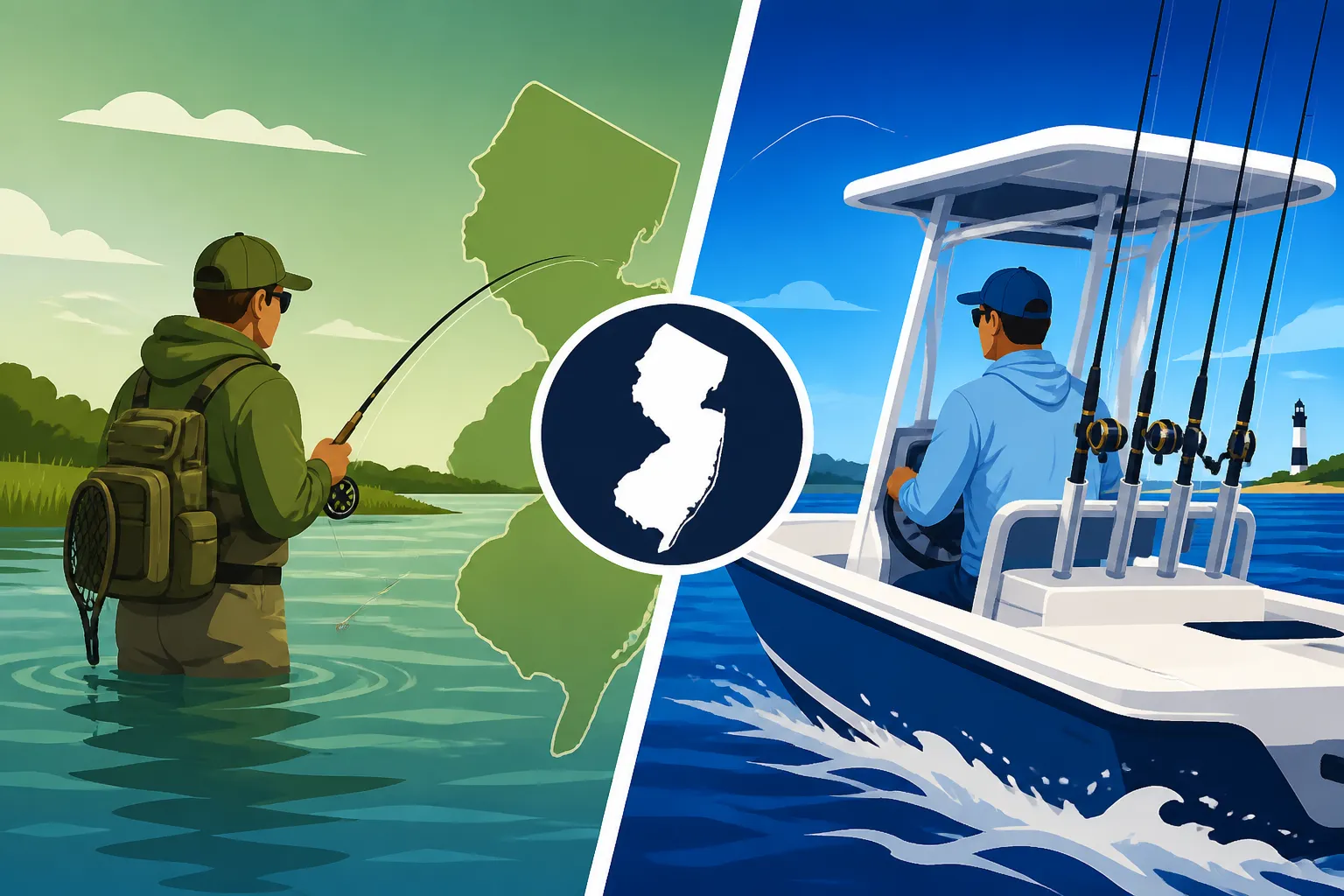
When you hear "fishing guide" in New Jersey, you should typically picture an individual or a small operation focused on a highly personalized, often educational, experience in specific freshwater environments. Think small boats, wade fishing, or even shore-based instruction on lakes, rivers, and streams. These guides are true specialists, usually intimately familiar with a particular body of water and the unique habits of the fish species that inhabit it.
The Freshwater Specialist: Intimate Knowledge of Lakes and Rivers
A fishing guide's domain is most often the tranquil, often winding waters of New Jersey's freshwater systems. They are the experts on places like Lake Hopatcong, Round Valley Reservoir, or the Musconetcong and Pequest Rivers. These aren't vast, open oceans, but complex ecosystems requiring a deep understanding of bottom structure, current, weed lines, and seasonal fish movements. Your guide will know precisely where that trophy largemouth bass likes to hide or where the plumpest trout are feeding on a specific hatch.
They've spent countless hours scouting these areas, understanding the nuances of water temperature changes, barometric pressure effects, and how these factors influence fish behavior. This hyper-localized knowledge is their superpower. For instance, a guide on the Delaware River specializing in smallmouth bass won't just take you to a spot; they'll explain why that spot is productive today based on the water level, clarity, and time of year. It’s about leveraging every bit of environmental data to put you on fish.
This kind of expertise is invaluable, especially if you're exploring a new lake or river for the first time. You might have all the gear in the world, but without that insider knowledge, you could spend hours casting blindly. A good guide cuts through that learning curve, making your limited time on the water exponentially more productive.
Focus on Instruction and Technique
One of the biggest reasons people seek out a fishing guide is for the learning aspect. Unlike many charter trips that focus solely on getting fish in the boat, guides often prioritize teaching you the skills and techniques necessary to become a better angler. They'll show you how to read the water, explain why a certain lure or bait is effective, and refine your casting or presentation.
Imagine you're trying to master fly fishing for trout in one of New Jersey's pristine streams. A dedicated fly fishing guide won't just hand you a rod; they'll walk you through proper casting mechanics, teach you how to "match the hatch," and help you identify prime holding water for trout. They'll explain the intricacies of nymphing, dry fly fishing, or streamer tactics, adapting their instruction to your skill level. You're not just a passenger; you're an active participant in the learning process.
This hands-on instruction is perfect for beginners who want to build a solid foundation, or experienced anglers looking to hone specific skills or tackle a new species. The goal isn't just to catch a fish that day, but to empower you with the knowledge to catch fish on your own in the future. It’s an investment in your personal angling journey.
Smaller Scale, Personalized Experience
Fishing guides typically operate with smaller boats, often jon boats, bass boats, or drift boats, perfectly suited for navigating shallow rivers, tight coves, and smaller lakes. In some cases, especially for trout fishing, the trip might even be entirely on foot, wading through pristine streams. This smaller scale lends itself to a much more intimate and personalized experience.
You're usually sharing the boat with just one or two other people, sometimes even just the guide himself. This low guide-to-client ratio means you get undivided attention, tailored advice, and the flexibility to adapt the trip on the fly. If you want to spend more time perfecting your topwater presentation for largemouth bass, your guide can accommodate that. If you decide halfway through the day you want to try a different section of the river, chances are your guide can make it happen.
This level of personalization is a stark contrast to larger operations. It's about crafting an experience around your specific interests and skill level, making it ideal for families with young children, solo anglers seeking a challenge, or friends looking for a focused day on the water. It’s not uncommon to build a lasting relationship with a good guide, returning to them year after year for new adventures and continued learning.
What Exactly is a Charter Captain?
A charter captain, on the other hand, usually navigates the vast expanse of New Jersey's saltwater coastline and offshore waters. They command larger vessels, from speedy center consoles to substantial party boats, and their primary focus is often putting clients on a volume of fish or large, migratory game species.
The Saltwater Navigator: Deep Sea and Coastal Expertise
Charter captains are masters of the ocean. Their expertise lies in understanding the immense, ever-changing environment of the Atlantic Ocean, the bays, and inlets along the Jersey Shore Party Boat Fishing Guide. They track migratory patterns of species like striped bass, fluke, bluefish, and even offshore giants like tuna and sharks. They know the subtle shifts in ocean currents, the best wrecks and reefs, and how marine weather systems affect fish behavior miles from shore.
Think about navigating the complex tides of Raritan Bay for striped bass or venturing far offshore into the canyon country for bluefin tuna. This requires serious navigational skills, an understanding of marine electronics like sonar and radar, and a deep knowledge of maritime safety protocols. A charter captain’s vessel is often equipped with advanced fish-finding technology and powerful engines designed for covering large distances and handling various sea conditions.
They’ll know precisely where the bunker schools are holding for striped bass, or which piece of structure is currently teeming with black sea bass. This isn't just about reading the water; it's about reading the ocean, its depths, its currents, and the multitude of life within it. When you book a New Jersey Deep Sea Fishing Charters, you're trusting their extensive experience to take you to the most productive spots available on that given day.
Variety of Vessels: From Party Boats to Private Charters
One of the most significant differences you'll notice with charter captains is the sheer variety of vessels and trip styles available. You've got everything from massive "party boats" (also known as head boats) that can accommodate dozens of anglers, to sleek center console boats for private groups of 4-6, and even larger sportfishing yachts designed for extended offshore trips. This means there's a charter option for almost any budget and group size.
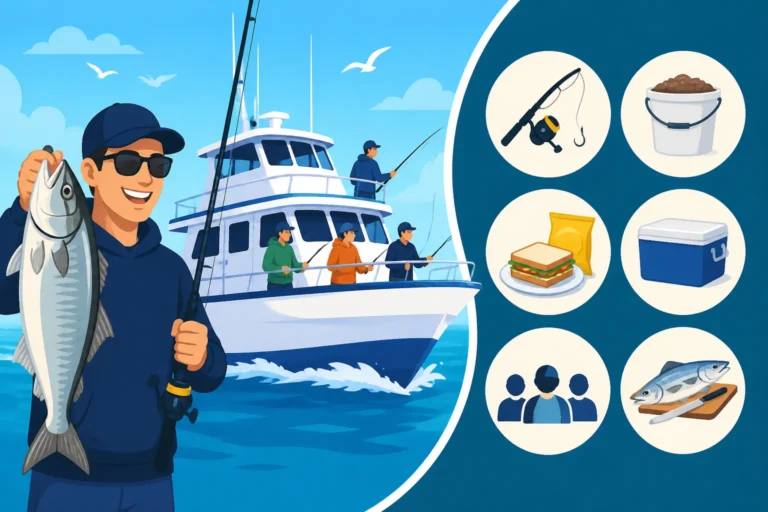
Party boats are often the most accessible option, with a per-person fare that includes bait and often basic tackle. You share the rail with many other anglers, making it a social and often lively experience, perfect for beginners or those just looking to catch some fish without a big investment. Think of a bustling day on the Manasquan River catching fluke. New Jersey Party Boat vs Private Charter: What's the Difference? delves deeper into this.
Private charters, while more expensive, offer exclusivity and customization. You and your chosen group have the entire boat and crew to yourselves. This allows for more flexibility in target species, fishing locations, and trip duration. If your dream is to target trophy striped bass or head out for New Jersey Offshore Tuna Charters, a private charter is usually the way to go, allowing the captain to dedicate their full attention to your group's goals.
Catching Volume and Larger Game Fish
While guides often focus on a quality experience with an emphasis on teaching, charter captains, particularly on private charters, are often judged by their ability to put clients on fish – and often a lot of them, or very big ones. The primary goal is often to fill coolers, battle large game fish, or achieve specific catch quotas for species like black sea bass or mahi-mahi.
When you sign up for a New Jersey Striped Bass Charter Guide, the captain's expertise is geared towards finding those migratory schools and employing effective strategies like live baiting, trolling, or jigging to get multiple hook-ups. On a party boat, the crew works tirelessly to ensure everyone has a fair shot at catching their share, often moving from spot to spot throughout the day.
For serious anglers, a private charter provides the opportunity to chase bucket-list species, testing their skills against powerful fish far from shore. The captain and mate are there to handle the heavy lifting, from setting up complex trolling spreads to gaffing large fish, allowing you to focus purely on the fight. It's an adrenaline-pumping experience often measured by the size and number of fish brought aboard.
Key Differences in Operation and Experience
The operational models and the experiences they offer are truly what set fishing guides and charter captains apart. Understanding these core distinctions is crucial for planning your ideal fishing trip in New Jersey.
Vessel Size and Waterways Explored
As we've touched upon, the type of water dictates the vessel. Fishing guides, focusing on freshwater, typically use smaller boats that can navigate shallow rivers, access tight coves in lakes, or even be launched from remote ramps. These boats are designed for maneuverability and intimacy with the water, allowing anglers to get close to shoreline structure or drift silently down a river. They might be 16-20 feet long, sometimes even smaller, and are not built for rough open waters.
Charter captains, however, are dealing with the vastness and power of saltwater. Their boats are larger, ranging from 25-foot center consoles to 60-foot party boats or even larger sportfishing yachts. These vessels are built for stability in waves, speed to cover long distances, and the capacity to carry more gear and passengers. A typical charter boat needs to be robust enough to handle the ocean swell and has deeper drafts suitable for coastal bays, inlets, and the open sea. You wouldn't take a bass boat into the Atlantic, nor would you use a large sportfisher to navigate a narrow trout stream.
| Feature | Fishing Guide | Charter Captain |
|---|---|---|
| Primary Waterway | Freshwater lakes, rivers, streams | Saltwater bays, inlets, ocean, offshore |
| Typical Vessel | Bass boat, jon boat, drift boat, often wade | Center console, sportfisher, party boat |
| Boat Size | Smaller (16-24 ft), sometimes no boat | Larger (25-60+ ft) |
| Group Size | 1-3 (highly personalized) | 1-6 (private), 10-100+ (party boat) |
| Main Goal | Instruction, personalized experience, learning | Catching volume, targeting large game, success rate |
| Focus Species | Bass, trout, muskie, panfish | Striped bass, fluke, bluefish, tuna, shark, sea bass |
| Pace of Trip | Slower, instructional, methodical | Faster, covering ground, often focused on action |
| Gear Provided | Usually all specialized gear, high quality | Standard gear provided, often option to bring own |
| Licensing Covered | Angler needs own freshwater license & stamp | Vessel covers saltwater registration, angler needs own freshwater license if applicable |
Target Species and Fishing Techniques
The type of fish you're after also dictates who you should hire. Fishing guides specialize in freshwater species like largemouth and smallmouth bass, trout (rainbow, brown, brook), pickerel, muskie, and panfish. Their techniques are highly refined for these species, often involving specific casting methods, lure presentations, and understanding subtle bites. They might teach you advanced jigging for smallmouth, delicate fly casting for trout, or how to work topwater frogs in thick lily pads for big bass. They often utilize lighter tackle, emphasizing finesse and precision.
Charter captains, conversely, target the vast array of New Jersey's saltwater species. This includes popular inshore fish like striped bass, fluke (summer flounder), bluefish, and tautog, as well as offshore giants such as tuna, mahi-mahi, and sharks. The techniques employed are often more geared towards power and efficiency: heavy trolling setups for tuna, bottom fishing with bait for sea bass and tautog, or drift fishing with bucktails and Gulp! for fluke. The tackle is generally heavier, designed to handle stronger currents and larger, more powerful fish.
It's rare to find a professional who excels equally in both realms. A freshwater guide might feel lost trying to find bluefin tuna in the canyons, and a seasoned charter captain might struggle to guide you to a productive trout run on a tiny stream. Each profession requires a distinct set of skills, knowledge, and equipment tailored to their specific environment and quarry.
Trip Structure, Duration, and Group Size
The typical length and structure of a trip can vary significantly. A freshwater guided trip might be a half-day (4 hours) or a full-day (8 hours) experience, often very flexible. The pace is generally more relaxed, allowing for instruction, breaks, and changes in strategy based on conditions or angler preference. Group sizes are small, usually 1-3 anglers, ensuring personalized attention.
Charter trips, especially on the ocean, tend to be more structured. Party boats often have fixed departure and return times, with half-day (4-5 hours) or full-day (8-10 hours) options. Private charters offer more flexibility, from inshore half-days to multi-day offshore excursions. The pace on a charter can be more intense, especially if fish are biting, with the crew working hard to keep lines in the water. Group sizes on private charters range from 1 to 6 people, while party boats can host dozens, sometimes even over a hundred anglers. This means less individual attention but a lower per-person cost. For example, What's Included on a New Jersey Party Boat Trip often varies from what a private charter offers.
The overall atmosphere also differs. A guided trip often feels like a shared learning experience with a friend. A charter trip, especially a private one, can feel more like an expedition or a productive hunt, with the crew serving as facilitators for your angling success.
Cost Implications and Value Proposition
The cost structure is another major differentiator. Fishing guides generally charge a flat rate per trip, regardless of the number of anglers (within their small capacity). This rate covers the guide's time, expertise, boat use, specialized tackle, and bait. While the upfront cost might seem higher than a per-person party boat ticket, the value lies in the exclusive attention and tailored experience. If you split the cost with one or two friends, it can become quite reasonable for the high level of service.
Charter captains have a more varied pricing model. Party boats charge a per-person fee, which is often the most budget-friendly way to get out on the water. This typically includes bait and shared tackle. Private charters, however, charge a significant flat rate for the entire boat for a specific duration. This might cover up to 6 passengers, and while it's a higher overall cost, it offers exclusivity and allows you to divide the cost among your group. How Much Does a Private New Jersey Fishing Charter Cost? will illustrate that this can be a substantial investment. Both types of professionals represent an investment, but the value proposition depends entirely on your fishing goals and preferences.
Choosing the Right One for Your New Jersey Adventure
Now that we’ve broken down the distinctions, how do you decide who to book for your next New Jersey fishing trip? It really comes down to your personal goals, budget, and the kind of experience you're hoping for.
Considering Your Fishing Goals and Experience Level
First, think about what you really want out of the day. Are you a complete beginner who wants to learn the basics of casting and knot tying in a calm environment? A freshwater fishing guide is probably your best bet. They can provide that focused, patient instruction without the added distractions of rough seas or a crowded boat. They'll teach you the fundamentals, often including New Jersey Trout Fishing Techniques or how to target bass in local ponds.
Are you an experienced angler looking to conquer a specific freshwater species, perhaps a trophy muskie, or master advanced fly-fishing techniques? Again, a specialized fishing guide offers the deep knowledge and personalized coaching to push your skills to the next level. They can guide you through nuances that a general charter might overlook.
On the flip side, if your goal is to simply catch a lot of fish, enjoy a lively social atmosphere, or battle a big, powerful saltwater species, a charter captain is your go-to. If you dream of fighting a tuna offshore, battling stripers during the fall run, or filling a cooler with fluke for dinner, then a saltwater charter is unequivocally what you need. Even if you're new to saltwater, the crew on a party boat or private charter will help you bait hooks, untangle lines, and land fish. You can find excellent options for New Jersey Charter Fishing Guide for a variety of experiences.
Matching Your Group Size and Budget
Your group size and budget are practical considerations that will heavily influence your choice. If you're planning a solo trip, a guided freshwater trip offers unbeatable personalized attention. For a small group of 2-3 friends or a family looking for a private experience, both a guide (for freshwater) or a private charter (for saltwater) are viable, depending on your target species and budget. The cost per person for a private charter can be more palatable when split among several anglers.
If you have a larger group, say 6-10 people, a private saltwater charter is likely your best bet, as most freshwater guides operate with smaller capacities. For even larger groups, or if you're working with a tighter per-person budget, a New Jersey party boat is the ideal choice for saltwater fishing. They can accommodate many anglers at a reasonable price, providing rods, reels, and bait, making it a hassle-free option for a big group outing. Just remember that the instruction will be less individualized in such a setting.
Don't forget to factor in other costs beyond the base fee. Will you need to buy a New Jersey Freshwater Fishing Regulations Every Angler Should Know and possibly a trout stamp? Will you need to acquire a New Jersey Saltwater Registry Explained (though often covered by the vessel on charters)? Tipping the crew on a charter is customary, as is showing appreciation for a guide. These small additions can affect your overall budget.
Researching and Booking Your Trip
Once you have a clear idea of your goals, group size, and budget, it’s time to start researching. Word-of-mouth is always powerful, so ask fellow anglers for recommendations. Online reviews are incredibly helpful for getting a sense of a guide or captain's reputation, professionalism, and ability to deliver a great experience. You want someone who is not only skilled but also personable and safety-conscious.
Many anglers use online booking platforms to find and compare options. A resource like FishingBooker, for instance, allows you to browse listings for both fishing guides and charter captains across New Jersey, often with detailed descriptions of their boats, target species, and pricing. You can filter by location, date, and type of trip, making it easy to find a professional that matches your specific needs. Reading through angler reviews on FishingBooker can give you invaluable insights into past clients' experiences.
When you're ready to book, don't hesitate to communicate your expectations clearly. Let your guide or captain know what you're hoping to catch, your skill level, and any special requests you might have. A good professional will appreciate this honesty and work to tailor the trip to your preferences as much as possible, ensuring you have the best possible How to Choose a New Jersey Fishing Charter for an unforgettable day on the water.
Disclaimer
This article is for general informational purposes only and does not constitute professional advice. Laws, prices and regulations vary by location and change over time. Consult a qualified professional for guidance on your specific situation.