New Jersey Trout Fishing Techniques
There’s nothing quite like the thrill of chasing trout in the beautiful waterways of New Jersey. However, if you’ve ever found yourself wondering why the fish aren't biting despite your best efforts, or felt overwhelmed by the sheer variety of techniques out there, you’re definitely not alone. It can feel like a puzzle, matching the right approach to the right conditions. This comprehensive guide is designed to demystify trout fishing in the Garden State, breaking down everything from essential gear to advanced techniques, so you can increase your chances of a successful and enjoyable day on the water.
Understanding New Jersey Trout: Species and Stocking
Before you even think about casting a line, it's incredibly helpful to understand what kind of trout you're actually targeting and where they come from. New Jersey's trout program is heavily reliant on stocking, but we also have some precious wild populations that require a different approach. Knowing the difference and appreciating each species will make you a much more effective angler.
Native vs. Stocked Trout: What's the Difference?
When we talk about trout in New Jersey, we're really looking at two main categories: native and stocked. Native trout, primarily brook trout in our state, are those that naturally reproduce and sustain their populations without human intervention. These fish are often found in pristine, colder headwater streams, and they can be incredibly wary and challenging to catch. Their populations are sensitive, so many anglers practice catch-and-release with wild trout. Fishing for wild trout requires a stealthier, more delicate approach, often with lighter tackle or fly gear, to avoid spooking them in their often-shallow, clear habitats.
Stocked trout, on the other hand, are raised in hatcheries and released into designated waters across the state to provide ample angling opportunities. These fish, predominantly rainbows and browns, are often less wary, especially immediately after stocking. They are accustomed to eating pellets and may initially be more receptive to a wider variety of baits and lures. The New Jersey Division of Fish and Wildlife (NJDEP Fish & Wildlife) puts a tremendous effort into its stocking program, releasing hundreds of thousands of trout annually into lakes, ponds, and rivers, creating fantastic opportunities for anglers of all skill levels.
The Big Three: Rainbow, Brown, and Brook Trout
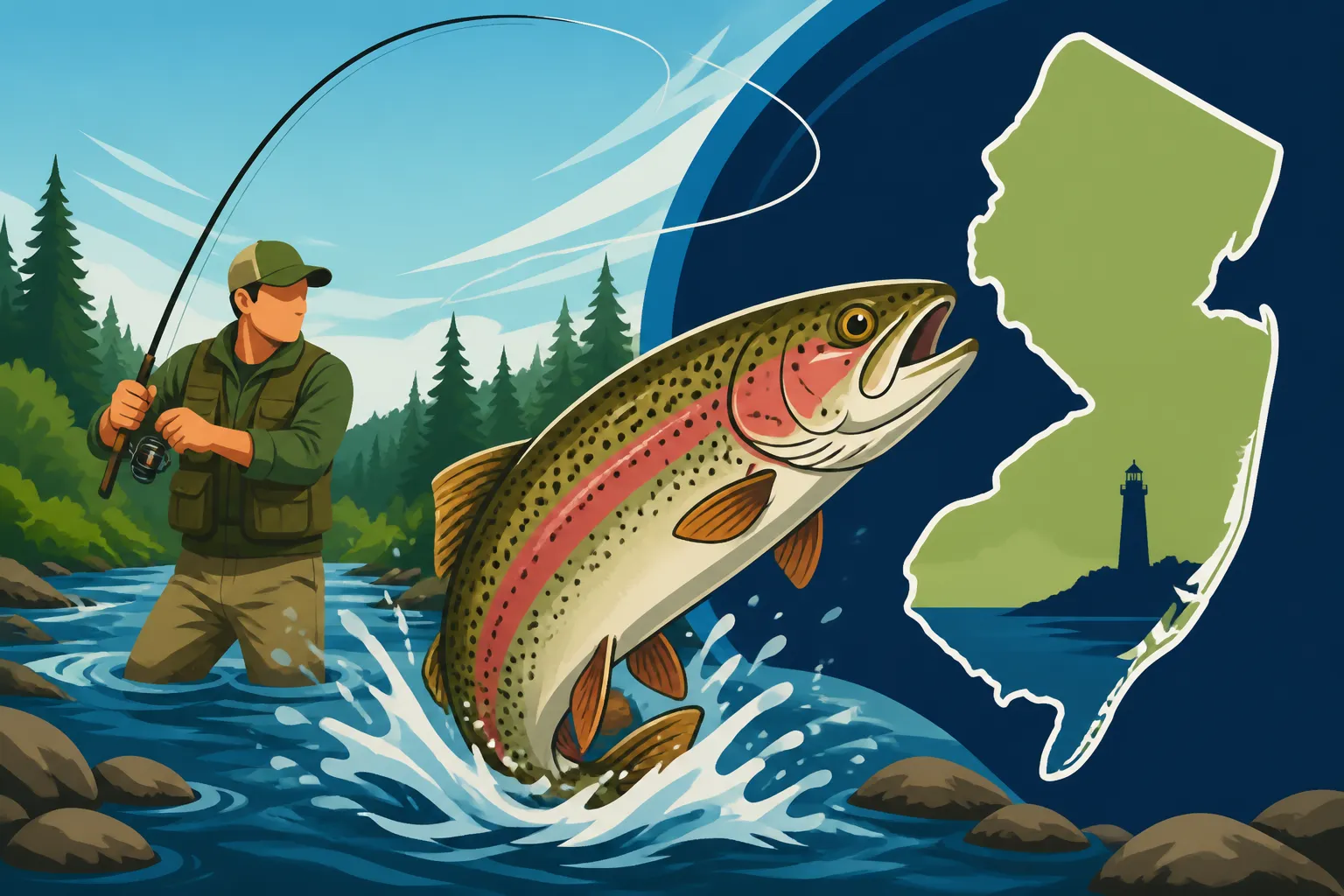
New Jersey is home to three main species of trout: rainbow, brown, and brook trout. Each has its unique characteristics, making them fun and distinct targets for anglers. Rainbow trout are probably the most recognizable, known for their iridescent, silvery bodies with a distinct pink or red stripe running horizontally along their sides. They are aggressive eaters, fight hard, and are a staple of the stocking program. Browns are often more elusive and can grow quite large, showing off their golden-brown bodies dotted with dark spots, sometimes ringed with lighter halos. They tend to be more nocturnal and prefer cover, offering a different kind of challenge.
Then there are brook trout, the true native char of New Jersey. These beauties are smaller, typically sporting an olive-green body with distinctive worm-like markings on their back, and often vibrant red spots with blue halos along their sides, finished with white leading edges on their fins. They thrive in cold, clean, oxygenated water and are a prized catch for fly anglers due to their delicate beauty and the pristine environments they inhabit. You can learn more about the distinct features of these fish in our guide on how to tell the difference between New Jersey Rainbow Trout vs Brown Trout vs Brook Trout. Knowing which species you're likely to encounter in a particular body of water will help you tailor your techniques.
New Jersey's Extensive Stocking Program
New Jersey’s trout stocking program is truly impressive, ensuring that anglers have plenty of opportunities throughout the spring, fall, and even winter. The state stocks over half a million trout each year into approximately 200 rivers, streams, lakes, and ponds. This means there's almost always a stocked water body within a reasonable drive, no matter where you are in the state. The spring stocking typically begins in late March or early April, leading up to the much-anticipated Opening Day of trout season. Following this initial burst, regular in-season stockings continue for several weeks, replenishing popular fishing spots.
Beyond spring, there's a significant fall stocking program, usually starting in October, that rejuvenates the waters for cooler weather fishing. And for those who brave the cold, a winter stocking for ice fishing in select lakes offers additional chances. The NJDEP Fish & Wildlife website is your best friend here, as they publish detailed stocking schedules, letting you know exactly when and where trout are being released. Keep in mind that some waters, especially our small wild trout streams, are not stocked at all, relying solely on natural reproduction. For the complete picture of when and where fish are being placed, check out our guide on the New Jersey Spring Trout Stocking Start Date.
Essential Gear for New Jersey Trout Anglers
Stepping onto the stream or lake for trout fishing in New Jersey can be a fantastic experience, but having the right gear is crucial. You don't need to break the bank, but a few key pieces of equipment will make your day much more productive and comfortable. From the rod in your hand to the waders on your feet, each item plays a role in your success.
Rods, Reels, and Lines for Trout Success
For general trout fishing in New Jersey, a light to ultra-light spinning rod between 5'6" and 7 feet is ideal. This length gives you good casting distance while maintaining sensitivity for detecting subtle bites, especially when fishing smaller streams or tight cover. A fast or moderate-fast action rod will offer enough backbone to set the hook but still be flexible enough to handle the fight of a feisty trout without tearing the hook out of its mouth. Pair this with a small spinning reel, sized 1000 to 2500, that balances well with your rod. Make sure the reel has a smooth drag system, as this is vital for tiring out trout, especially larger ones, on light line.
Speaking of line, fluorocarbon or monofilament lines in the 2 to 6-pound test range are perfect for trout. Fluorocarbon is nearly invisible underwater and has less stretch, offering more sensitivity, making it a great choice for clear waters. Monofilament is a bit more forgiving, has good knot strength, and floats, which can be beneficial for certain topwater presentations. Some anglers prefer to spool their reels with braided line, which offers incredible sensitivity and casting distance, and then add a fluorocarbon leader for stealth. You can find a wide array of options for all these essentials on platforms like Amazon, making it easy to get exactly what you need delivered right to your door.
The Must-Have Tackle Box Essentials
Your trout tackle box doesn't need to be massive, but it should be well-organized with a few critical items. For bait fishing, you’ll definitely want a selection of small hooks (sizes 8-14 are common), split shot weights in various sizes (from tiny BBs to slightly larger sizes), and swivels to prevent line twist. A good pair of needle-nose pliers or hemostats is indispensable for removing hooks, especially when practicing catch and release. A small pair of line clippers or nail clippers attached to a lanyard around your neck will save you time and frustration.
When it comes to lures, a variety of small spinners (like Mepps Aglias or Panther Martins) in different blade colors (silver, gold, black) are trout magnets. Tiny spoons (Kastmasters, Little Cleos) can also be incredibly effective, especially in lakes and wider stretches of rivers. Don't forget some small soft plastic baits like tiny grubs or trout worms, often fished on a jig head. A stringer or a small cooler to keep your catch fresh (if you plan to harvest) is also a good idea. And always, always carry a valid New Jersey fishing license and, if applicable, a New Jersey Trout Stamp: Who Needs One – the Conservation Police are out there, and you don't want to get caught unprepared!
Waders, Boots, and Layering for Comfort and Safety
Comfort on the water is paramount, especially when trout fishing, which often involves wading in cold water. A good pair of breathable chest waders is a game-changer, keeping you dry and warm even when immersed. Pair these with comfortable wading boots that provide excellent grip on slippery rocks. Felt soles are traditional for grip, but rubber soles with studs are also popular and can be more versatile across different terrains. Neoprene waders are an option for colder conditions but can be hot in warmer weather.
Layering your clothing underneath your waders is key. Start with a moisture-wicking base layer, add insulating layers like fleece, and then your waders. This allows you to adjust to changing temperatures throughout the day. A waterproof, breathable jacket is also essential, even on clear days, as sudden showers can pop up. Don't forget a hat for sun protection or warmth, and polarized sunglasses are invaluable for seeing into the water and spotting fish or submerged structure. Safety is always first, so consider a wading belt, which can greatly reduce the risk of water filling your waders if you happen to slip and fall.
Bait Fishing Techniques for New Jersey Trout
Bait fishing is often the entry point for many trout anglers, and for good reason—it’s incredibly effective, especially for freshly stocked trout. There’s something satisfying about presenting a natural offering and watching your line twitch with a bite. But even with bait, there are techniques and considerations that can significantly improve your catch rates.
PowerBait, Worms, and Other Natural Baits
When it comes to bait fishing for trout in New Jersey, you've got a few proven winners. PowerBait (often in dough or nugget form) is a staple, especially for stocked rainbow trout. It comes in a rainbow of colors and scents, and the key is to mold it onto a small hook so it floats just off the bottom. Popular colors include chartreuse, rainbow, and white. Experimentation is key, as trout can be picky about color on any given day. If you want to dive deeper into why certain baits work, check out our piece on Best Bait for Opening Day Trout.
Worms are another timeless choice, particularly red wigglers or nightcrawlers. Their natural scent and movement are irresistible to all trout species. You can fish them whole or in pieces, depending on the hook size and the size of the trout you’re targeting. Live minnows can also be very effective, especially for larger brown trout, though they might be harder to keep alive and typically require a larger hook. Lastly, don't overlook natural options like corn kernels or even marshmallows, which, surprisingly, are quite popular and effective, especially for stocked fish.
Setting Up a Successful Bait Rig
A simple yet effective bait rig for trout fishing usually involves a few components. The most common setup is a slip-sinker rig. Start by threading an egg sinker (or a few split shot) onto your main line, followed by a small barrel swivel. Tie your main line to one end of the swivel. Then, attach a 12-24 inch leader of lighter fluorocarbon or monofilament (e.g., 2-4 lb test) to the other end of the swivel. Finally, tie your small hook (sizes 8-14) to the end of the leader. The sinker allows your bait to get to the bottom, while the swivel prevents line twist and allows the fish to take the bait without feeling the weight of the sinker.
Another common method, especially for floating baits like PowerBait, is to simply add one or two small split shot about 12-18 inches above your hook. This provides just enough weight to cast and sink the bait slowly, allowing it to suspend naturally in the water column. The trick here is to use just enough weight to keep your bait in the strike zone without anchoring it completely. Always check your knots and leaders frequently for abrasion, as trout have small, sharp teeth that can fray lighter lines.
Reading the Water for Optimal Bait Placement
Successful bait fishing isn't just about using the right bait; it's about knowing where to put it. Trout are often found in areas where they can expend minimal energy while still having access to food. Look for structure like submerged logs, rocks, undercut banks, and overhanging vegetation, as these provide cover and ambush points. In rivers and streams, target current seams—the lines where fast-moving water meets slower water. Trout will often hold in the slower water, waiting for food to drift by in the faster current.
Deeper pools, especially those downstream from riffles or rapids, are also prime locations, as they offer shelter and often collect food. In lakes, focus on drop-offs, points, and areas where feeder creeks enter, bringing in cooler, oxygenated water and potential food sources. Pay attention to the water temperature; trout prefer colder water, so in warmer months, they'll seek out springs or deeper, cooler sections. By carefully observing the water and understanding where trout naturally hold, you can place your bait right where they're feeding, significantly increasing your chances of a bite.
Lure Fishing Strategies for Active Trout
Lure fishing for trout is an exciting and active way to target these fish. It involves more casting and retrieving, and often draws more aggressive strikes than passive bait fishing. It's a fantastic choice for covering a lot of water and finding those active, hungry fish, especially in streams and rivers where trout might be chasing prey.
Spinners and Spoons: Classic Trout Catchers
Spinners and spoons are arguably the most iconic trout lures, and for good reason—they consistently catch fish. Spinners, with their rotating blades, create flash and vibration that mimic small baitfish or insects, triggering an aggressive reaction strike. Brands like Mepps, Panther Martin, and Roostertail are perennial favorites. When using spinners, cast upstream or up-and-across the current and retrieve just fast enough to get the blade spinning. Vary your retrieve speed and depth until you find what the fish prefer. Different blade colors (silver, gold, copper, black) and dressings (bucktail, silicone skirts) can make a huge difference, so carry a variety.
Spoons, on the other hand, have a wobbling, darting action that imitates injured baitfish. Kastmasters, Little Cleos, and Phoebes are excellent choices. They are particularly effective in lakes and larger rivers where you need to cast long distances or fish deeper. Cast them out, let them sink to your desired depth, and retrieve them with a steady, wobbling motion. You can also incorporate pauses or jigs to add more erratic action. Both spinners and spoons are available in a wide range of sizes; for New Jersey trout, stick with smaller sizes, typically 1/16 oz to 1/4 oz, to match the forage.
Jigs and Soft Plastics for Finesse Fishing
For those days when trout are a bit more finicky, or when you’re targeting them in slower, clearer water, jigs and soft plastics can be incredibly effective finesse presentations. Small marabou jigs, often 1/32 oz or 1/16 oz, tied with sparse feathers, have a natural breathing action in the water that trout find hard to resist. Colors like white, black, olive, or even bright pink can be deadly. Fish them on ultra-light tackle, using a slow, subtle jigging retrieve or by allowing them to drift naturally with the current.
Tiny soft plastic grubs, tubes, or trout worms (like Berkeley Gulp! Trout Worms) rigged on a small jig head or under a bobber are also fantastic. The key with soft plastics is their realistic texture and scent, which often encourages trout to hold on longer, giving you more time to set the hook. These are excellent for probing deeper holes, fishing around structure, or when trout are being shy. Experiment with different colors and retrieve styles—sometimes just a slow, steady reel is all it takes, while other times a series of small twitches can make the difference.
Targeting Trout with Trolling Techniques
While often associated with larger game fish, trolling can be a highly effective technique for trout, particularly in New Jersey's larger lakes and reservoirs like Round Valley Reservoir, Lake Hopatcong, or Merrill Creek Reservoir. Trolling allows you to cover vast expanses of water and present your lure at a consistent depth and speed, which can be crucial for suspended trout. You’ll typically need a boat (or kayak) equipped with a rod holder.
The technique involves slowly propelling your boat forward while dragging lures behind it. Small spoons (like Sutton Spoons or smaller Kastmasters), crankbaits that mimic baitfish, or even small worm harnesses can all be trolled successfully. The depth you fish is critical and can be controlled using lead core line, downriggers, or by simply adjusting the amount of line you let out and the type of lure (some dive deeper than others). Pay close attention to your fishfinder to locate schools of baitfish or suspended trout, and then adjust your trolling depth accordingly. Vary your speed until you start getting bites, as trout can be particular about how fast a lure is moving.
Fly Fishing: The Art of the Cast in New Jersey
Fly fishing for trout in New Jersey is an immersive and rewarding experience, connecting you more intimately with the water and its inhabitants. It's a dance of delicate presentations, keen observation, and understanding insect life. While it has a reputation for being complex, with a little patience and practice, anyone can learn the basics and enjoy this beautiful discipline.
Basic Fly Fishing Gear for Beginners
Getting started with fly fishing doesn't require an arsenal of expensive equipment, but a few core pieces are essential. A good starter fly rod is typically a 4- or 5-weight, 8.5 to 9-foot rod. This is a versatile size that can handle most trout fishing scenarios in New Jersey, from smaller streams to larger rivers. Pair this with a matching fly reel; for trout, the reel primarily serves as a line holder and a smooth drag system is important for fighting fish. Don't worry too much about a high-end reel initially.
The most important component, however, is the fly line. You'll want a weight-forward floating line (WF) that matches your rod's weight. This line has a heavier front taper that helps with casting distance and presentation. A tapered leader, usually 7.5 or 9 feet long with a 4X or 5X tippet, connects your fly line to your fly. The leader is designed to turn over your fly gently, presenting it naturally. A small fly box filled with a basic selection of dry flies, nymphs, and streamers will get you started. Many local fly shops in New Jersey, like Shannon's Fly & Tackle in Califon, are fantastic resources for gear and advice for beginners, and you can also find a good range of entry-level fly fishing kits on Amazon.
Mastering Essential Fly Casting Techniques
Fly casting is often seen as the biggest hurdle, but it's more about rhythm and timing than brute force. The basic overhead cast is where every beginner starts. It involves loading the rod with the weight of the fly line, not the fly itself. Imagine your rod tip traveling in a narrow arc, accelerating to a crisp stop on your back cast, pausing, and then accelerating forward to another crisp stop. This creates a loop of line that unrolls elegantly.
Practice is key, even in your backyard. Focus on smooth, continuous motion, feeling the rod load and unload. Common beginner mistakes include trying to cast with your arm instead of your whole body, too wide of an arc, or not pausing long enough on the backcast. Once you've got the overhead cast down, you can move on to roll casts, which are invaluable for fishing in tight quarters where a backcast isn't possible, often found on our smaller, brushy trout streams. Consider taking a beginner's class from a local guide; it can shave years off your learning curve.
Reading the Hatch and Choosing the Right Fly
One of the most captivating aspects of fly fishing is "reading the hatch" – identifying the insects that trout are currently feeding on and selecting a fly pattern that imitates them. This is where observation really comes into play. Look for rising trout (fish feeding on the surface), and then observe the size, color, and shape of the insects on the water or flying nearby. Common hatches in New Jersey include various species of mayflies, caddisflies, and stoneflies, especially on pristine streams.
If trout are rising and sipping insects from the surface, a "dry fly" that floats on the water is your best bet. If they're feeding sub-surface (which is most of the time), a "nymph" pattern that sinks is typically more effective. Small "streamer" patterns that imitate baitfish can also be deadly, especially for larger trout or when fish aren't actively feeding on insects. Carry a variety of patterns in different sizes and colors. A good starting point for spring fishing might include some Hendrickson or Quill Gordon dry flies, Hare's Ear or Pheasant Tail nymphs, and a few Woolly Bugger streamers. Our guide on Fly Selection for Trout Streams in Spring offers more specific recommendations.
Seasonal Approaches to New Jersey Trout Fishing
Trout fishing in New Jersey is a year-round affair, offering unique challenges and rewards in every season. The tactics you employ in the chilly days of spring will likely be very different from those that work in the dog days of summer. Understanding these seasonal shifts is crucial for consistent success.
Spring: Opening Day Frenzy and Post-Stocking Tactics
Spring is undeniably the most popular time for trout fishing in New Jersey, largely thanks to the excitement of Opening Day, which typically falls in early April. Waters are brimming with freshly stocked rainbow and brown trout, eager to bite. The key to success on Opening Day and in the weeks immediately following is to capitalize on the trout's initial lack of wariness. Brightly colored PowerBait, shiny spinners, and even worms are incredibly effective. Fish tend to congregate in deeper pools and slower runs, often close to where they were stocked. Many anglers find success using a simple bottom rig with PowerBait or floating a worm under a bobber.
However, after a few weeks, the fish can become "educated" and spread out, making them a bit more challenging. This is when finesse techniques start to shine. Lighter lines, smaller baits, and more subtle lure presentations become necessary. In streams, target current seams and structure. In lakes, look for them holding near drop-offs or submerged cover. Remember to be aware of the New Jersey Trout Season Preseason Closure Explained, as many waters are closed to fishing for a few weeks before Opening Day to allow for uninterrupted stocking.
Summer: Seeking Cooler Waters and Wild Trout
As New Jersey's summer temperatures rise, trout fishing shifts dramatically. Stocked trout in warmer, shallower waters often become lethargic, or may not survive if water temperatures climb too high. This is the time to seek out cooler, oxygenated waters. Head to higher elevation streams or those fed by cold springs, which are more likely to hold wild brook trout or healthy holdover browns and rainbows. Fishing during the cooler parts of the day, like early mornings or late evenings, becomes much more productive.
For wild trout, stealth and delicate presentations are paramount. Lighter fly rods with small dry flies or nymphs, or ultra-light spinning gear with tiny spinners or jigs, are your best bets. Look for shaded pockets, undercut banks, and swift runs where water is cooler and oxygenated. In larger, deeper lakes and reservoirs, trout will seek out thermal refuges in deeper water. Trolling or deep jigging can be effective in these situations. Always be mindful of the stress heat puts on trout; if water temperatures are too high (above 68°F), it's best to avoid fishing or practice extreme care with catch and release, as fish mortality rates increase. You can read more about Trout Survival Through Summer in New Jersey Lakes.
Fall: The Second Wind of Trout Season
Fall brings a refreshing change to New Jersey trout fishing. Cooler air and water temperatures revitalize trout, and the annual fall stocking program injects a fresh batch of eager fish into many waters. This period often rivals spring in terms of angling excitement. Trout become more active, feeding aggressively to build up reserves for the coming winter. Spinners, spoons, and various baits are once again highly effective for stocked fish.
For wild or holdover trout, particularly brown trout, fall is a prime time as they begin their spawning rituals. They can become very aggressive and territorial, making them susceptible to larger streamers or minnow-imitating lures. Rivers and streams that were slow in summer will now have vibrant activity. Fly anglers will find excellent nymphing conditions, and sometimes a late-season hatch can bring fish to the surface. Check out the New Jersey Fall Trout Stocking Dates to plan your autumn adventures. The beautiful fall foliage only adds to the magic of being on the water.
Winter: Ice Fishing and Coldwater Tactics
When winter truly sets in and lakes freeze over, New Jersey offers fantastic opportunities for ice fishing for trout. Several designated trout-stocked lakes and ponds become popular ice fishing destinations. The key here is safety – never venture onto ice less than 4 inches thick. Once on the ice, small jigging spoons, tiny soft plastics, or even live fathead minnows fished through holes drilled with an auger can be very effective. Trout often hold near the bottom or suspend in the middle of the water column, so adjust your bait depth until you find them. Our guide on How to Ice Fish for Trout in New Jersey has all the details you need to get started safely.
For streams that remain open and unfrozen, coldwater tactics come into play. Trout are still present but are generally less active and feed more sporadically. They will hold in deeper, slower pools and seek refuge from fast currents. Nymphing with heavily weighted fly patterns or slow-retrieving small jigs and baits close to the bottom can entice sluggish fish. Look for sunny days when water temperatures might creep up slightly, or target the warmest parts of the day. Patience is a virtue when fishing for trout in the dead of winter.
Locating Trout Hotspots and Reading the Water
Knowing where to fish is just as important, if not more important, than knowing how to fish. Trout are creatures of habit and prefer specific types of environments that offer them food, cover, and comfortable water temperatures. Learning to "read the water" means understanding these preferences and spotting the subtle clues that indicate a trout's likely hiding spot.
Identifying Prime Trout Holding Lies
Trout, whether in a stream or a lake, are always looking for three things: food, cover, and oxygenated water at a comfortable temperature. In streams, prime "holding lies" include the heads of pools where fresh food drifts in, the tails of pools where food collects, and especially current seams where faster water brings food past a trout holding in slower water. Look for "eddies" behind large rocks or logs, which create natural resting spots. Undercut banks provide excellent overhead cover and deep water where trout can feel secure. Overhanging trees or bushes also offer shade and a source of terrestrial insects.
In lakes and reservoirs, trout often relate to structure such as sunken timber, rock piles, and submerged vegetation. Drop-offs, where the bottom contour changes sharply, are also excellent holding areas, as trout can move between shallow and deep water easily. The mouths of feeder creeks, especially those bringing in cooler water or nutrients, can be magnets for trout. Pay attention to the depth – trout will often suspend in the water column in lakes, especially if they are feeding on schooling baitfish or insects.
Understanding Current, Structure, and Cover
The interplay of current, structure, and cover dictates where trout will be found. Current is vital in streams as it delivers food, but trout don't want to fight strong currents all day. They position themselves in "sweet spots" where they can dart out into the current to feed and then retreat to conserve energy. These spots are often pockets of slower water adjacent to faster flows.
Structure refers to anything that changes the natural flow of the water or provides a physical barrier. This could be large boulders, submerged logs, bridge pilings, or even changes in the riverbed material. Structure breaks up the current, creating those valuable holding lies, and also provides ambush points for trout. Cover is anything that protects the trout from predators (like eagles, herons, or even human anglers) and harsh sunlight. This includes the shade from overhanging trees, deep water, undercut banks, and dense aquatic vegetation. When you find an area with a good combination of these elements, you're likely to find trout.
Using Technology and Local Knowledge to Your Advantage
In today's age, technology can be a powerful ally for trout anglers, especially on larger bodies of water. Portable fishfinders can help you identify depth changes, locate structure on the bottom, and even spot schools of baitfish or suspended trout in lakes and reservoirs. GPS units on your phone or dedicated devices can help you mark productive spots and navigate back to them. Online contour maps of lakes and rivers can reveal hidden depths and structures before you even leave home.
However, don't underestimate the value of local knowledge. Talking to anglers at bait shops, joining local fishing forums, or hiring a guide for a day can provide invaluable insights into current conditions, recent stocking locations, and productive techniques specific to a particular body of water. The New Jersey Fish and Wildlife Digest, available online or at bait shops, is an absolute treasure trove of information, detailing regulations, stocking locations, and even specific characteristics of different waters. Combining your own observation skills with these resources will dramatically shorten your learning curve and make you a more successful trout angler.
Conservation and Responsible Angling Practices
As anglers, we have a responsibility to protect the resources we cherish. New Jersey's trout fisheries, both wild and stocked, are a precious commodity that requires our care and respect. Practicing ethical angling ensures that future generations can enjoy the same opportunities we do.
Catch and Release Best Practices
Many anglers choose to practice catch and release, especially when targeting wild trout or larger trophy fish. If you plan to release a fish, minimizing stress and handling time is critical for its survival. Wet your hands before touching the fish to protect its delicate slime coat. Avoid squeezing the fish, particularly around the belly. If the hook is easily accessible, remove it quickly with pliers or hemostats. If the hook is deeply embedded, it's often better to cut the line as close to the hook as possible, as the hook will eventually rust out. Using barbless hooks can make hook removal much easier and cause less damage.
When releasing, hold the fish gently in the water, facing upstream, until it regains its strength and swims away on its own. Never just toss a fish back into the water. If fishing in warm weather, be extra cautious, as trout are more susceptible to stress in higher water temperatures. If you see a trout struggling excessively, it’s a good indicator that the water might be too warm for catch and release. This responsible approach helps sustain populations and preserves the thrill of the catch for another day.
Understanding and Adhering to Regulations
New Jersey has a comprehensive set of regulations designed to manage its trout populations effectively. These rules cover everything from season dates and size limits to daily bag limits and tackle restrictions. It's not just about getting a license; it's about knowing the specific rules for the waters you intend to fish. For example, some streams are designated "Trout Conservation Areas" or "Seasonal Trout Stocked Waters" and have unique regulations that differ from general statewide rules. Others might be "Wild Trout Streams" with stricter catch-and-release rules or gear limitations.
Always check the current New Jersey Freshwater Fishing Regulations Every Angler Should Know before heading out. Ignorance of the law is no excuse, and penalties for violations can include fines and even loss of fishing privileges. Remember that a New Jersey Trout Stamp is required for anglers aged 16 and older to fish for trout in freshwaters, even if you plan on releasing your catch. These fees directly support the state's trout stocking and management programs. By adhering to these rules, you're contributing directly to the health and sustainability of New Jersey's trout fishing.
Protecting New Jersey's Trout Habitats
Beyond individual fish, responsible angling extends to protecting the habitats that trout depend on. Trout thrive in clean, cold, oxygenated water, and their health is a direct indicator of environmental quality. This means avoiding littering – even a single piece of discarded fishing line can be deadly to wildlife. Be mindful of stream banks and riparian zones; avoid trampling vegetation, which helps prevent erosion and provides crucial shade and cover.
Proper disposal of old fishing line, bait containers, and other trash is paramount. Never introduce invasive species by using live bait from one waterway in another. If you're wading, take care not to disturb spawning beds (redds) during the fall (for browns) or spring (for rainbows), which appear as clean, gravelly depressions in the stream bed. Supporting conservation organizations and staying informed about environmental issues impacting local waterways also plays a vital role in ensuring that New Jersey's trout fishing remains vibrant and healthy for generations to come.
Disclaimer
The information provided in this guide is for general informational purposes only and is not intended as legal advice regarding New Jersey fishing regulations. Fishing regulations can change frequently. Always consult the official New Jersey Division of Fish and Wildlife website or the current New Jersey Fish and Wildlife Digest for the most up-to-date rules and regulations before planning any fishing trip. Adherence to all state and local laws is the angler's responsibility.