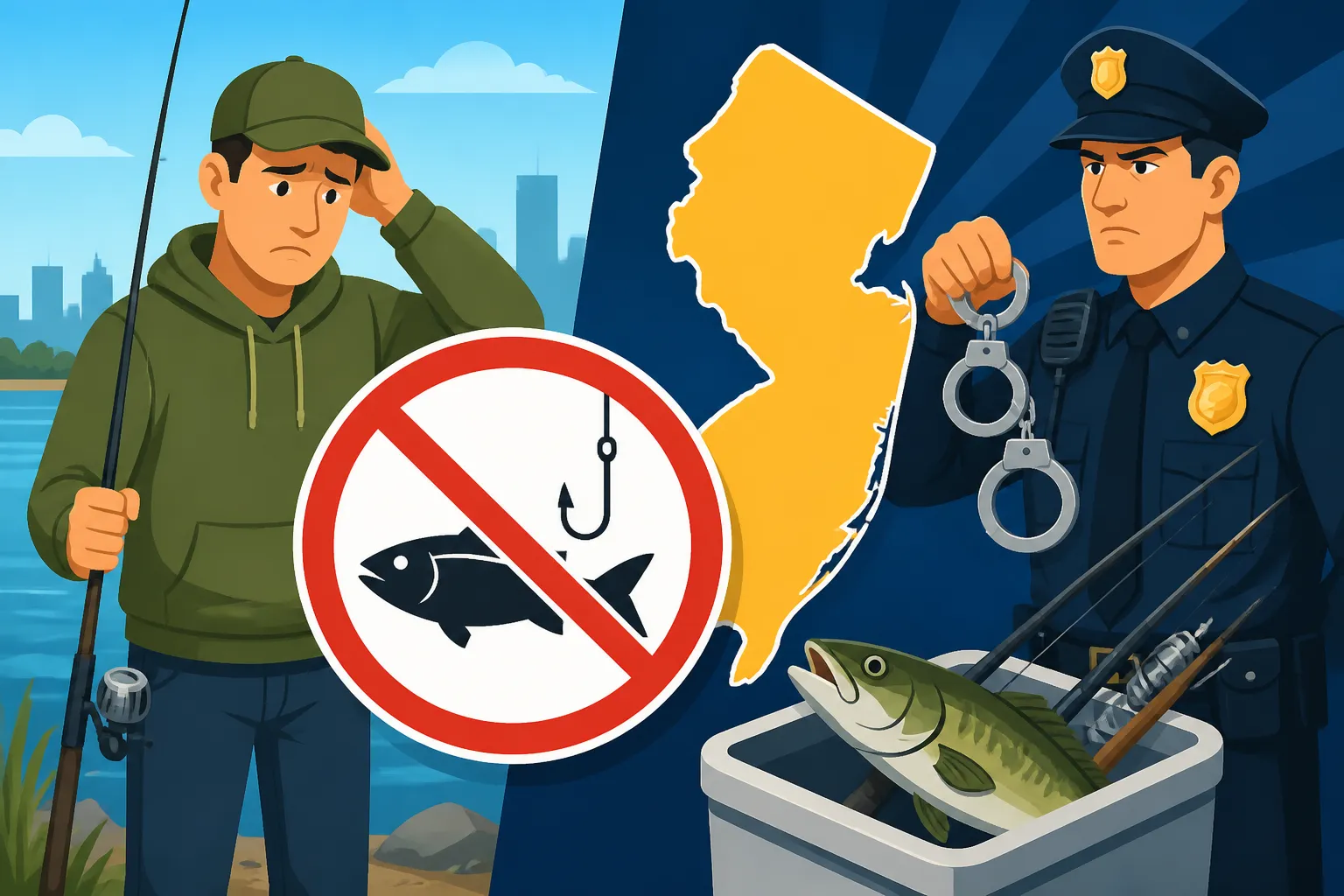
Penalties for Fishing Without a License in New Jersey
We've all been there: that sudden, undeniable urge to grab a rod and reel, head to your favorite New Jersey fishing spot, and cast a line. The sun's shining, the water looks promising, and the thought of a fresh catch fills you with excitement. But amidst that eagerness, it's easy to overlook a crucial detail – your fishing license. Forgetting it, or worse, intentionally fishing without one, can quickly turn a peaceful day on the water into a costly and frustrating experience. This guide will meticulously break down the serious penalties for fishing without a license in New Jersey, ensuring you understand the risks and how to always stay on the right side of the law.
The Harsh Reality: What Happens When You're Caught
It might seem like a minor oversight, but fishing without a valid license in New Jersey is a legitimate offense, and the state takes its regulations seriously. The moment a Conservation Police Officer (CPO) approaches you, that relaxed fishing trip can take an immediate turn for the worse.
Initial Encounter and Violation Issuance
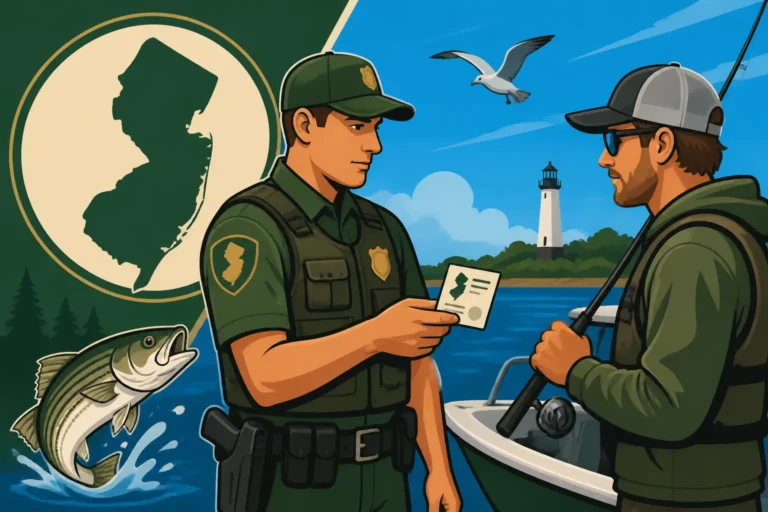
Imagine you're out on Lake Hopatcong, enjoying the calm morning, when a boat with official markings pulls up. Or perhaps you're surf fishing at Island Beach State Park, and a uniformed officer walks down the beach towards you. This initial encounter is typically straightforward and professional. The Conservation Police Officer will identify themselves and politely ask to see your fishing license and, if applicable, your New Jersey Saltwater Registry.
They'll likely ask to see your physical license, which you should have readily available, or your digital copy on your phone. Even if you've purchased it online, you still need to be able to produce proof. What happens if you can't? The officer will then run a check based on your identification. If their system shows no record of a valid license for you, the conversation shifts from a routine check to a violation. At this point, your fishing day is effectively over. The officer will explain the violation and issue you a summons, which is essentially a ticket requiring a court appearance. It's not just a warning; it's a formal legal document that starts a process.
Fines and Court Appearances
Receiving a summons for fishing without a license is a lot more serious than, say, a parking ticket. In New Jersey, fishing without a license is typically classified as a violation of Title 23 (Fish and Game) and can be considered a petty disorderly persons offense or a comparable violation. This means you're not just paying a small, fixed fee; you're often looking at a court date. The fines can vary significantly depending on the specific circumstances, whether it's your first offense, and the discretion of the judge.
Generally, for a first offense of fishing without a license in New Jersey, you could face fines ranging from $20 to $100, plus mandatory court costs and administrative fees. However, don't be surprised if the total cost, including fees, easily pushes that figure north of $100, sometimes even closer to $250-$300. If you neglect to appear in court, or if you're a repeat offender, those penalties can escalate dramatically, potentially reaching up to $3,000 and, in extremely rare and severe cases involving other serious offenses, even jail time. The court will expect you to explain why you were fishing without a license, and simply saying you forgot often isn't enough to waive the fine, though it might influence the judge's decision on the amount.
Beyond the Fine: Other Serious Consequences
While the immediate financial hit of a fine and court costs is certainly unwelcome, the repercussions of fishing without a license in New Jersey can extend far beyond a simple monetary penalty. These additional consequences can be particularly frustrating, impacting your ability to enjoy the sport you love.
Suspension of Fishing Privileges
One of the most disheartening consequences for a passionate angler is the potential suspension of your fishing privileges. This typically doesn't happen for a first-time, simple license violation, but it's a very real possibility if you're a repeat offender or if your license violation is coupled with other, more severe infractions like exceeding bag limits, fishing during a closed season, or possessing prohibited gear.
If your fishing privileges are suspended, you won't be able to legally purchase a fishing license in New Jersey for a specified period, which could range from one year to several years, depending on the severity and frequency of the offenses. This means you're completely shut out from fishing any of the state's incredible waters, whether it's the trout streams of North Jersey or the productive saltwater bays. It's a severe blow for anyone who finds solace and joy in angling, effectively sidelining you from your favorite pastime.
Confiscation of Gear and Catch
Another tangible and immediate consequence that can sting deeply is the confiscation of your fishing gear and, of course, any fish you've managed to catch. When a Conservation Police Officer discovers you're fishing without a license, they have the authority to seize your equipment. This could mean your prized rod and reel, your tackle box, or even your entire set of fishing tools.
The reasoning is twofold: it serves as evidence of the violation, and it acts as an immediate deterrent. Imagine the frustration of having your favorite rod, perhaps a new one you just ordered from Amazon, taken from you. Beyond the monetary value of the seized items, there's the emotional attachment to gear you've carefully selected and used. Any fish you've caught will also be confiscated. This isn't just about losing your dinner; it's a stark reminder that illegal fishing undermines conservation efforts, and the state will prevent you from benefiting from an illegal act. The financial loss here can quickly add up, easily exceeding the cost of an annual license.
Potential for Criminal Charges in Extreme Cases
While it's important to clarify that simply forgetting your license rarely leads to criminal charges, there are specific, extreme scenarios where a license violation can escalate into a much more serious legal predicament. These situations typically involve a combination of offenses.
For example, if you're found fishing without a license while also poaching protected species, knowingly exceeding extreme bag limits by a significant margin, fishing in a designated closed area or during a closed season for a specific species, or if you actively resist arrest and obstruct justice, the charges can be elevated. In these compounded cases, a simple administrative fine can transform into a petty disorderly persons offense or even a more serious misdemeanor or felony, depending on the details. Such criminal charges can lead to much higher fines, extended jail time, a permanent criminal record, and long-term loss of fishing and even hunting privileges. It's a stark reminder that while a forgotten license is an error, combining it with deliberate illegal activities can have devastating legal repercussions.
The Cost-Benefit Analysis: Why a License is Always Worth It
When you weigh the minimal expense of a New Jersey fishing license against the potentially crippling financial and personal costs of a penalty, the decision becomes incredibly clear. There's simply no logical reason to risk fishing without one.
Comparing License Cost to Potential Penalties
Let's put this into perspective with a simple comparison. The cost of a New Jersey fishing license is remarkably low, especially when you consider the access it grants you to thousands of miles of freshwater streams, rivers, lakes, and even the ability to register for saltwater fishing.
Here's a quick look at typical costs (for 2026, though prices are subject to change slightly year to year):
| License Type | Estimated Cost (2026) | Minimum Fine (First Offense) | Max Fine (Severe/Repeat Offense) |
|---|---|---|---|
| Resident Annual Fishing | $22.50 | $100 (plus court fees) | Up to $3,000 (plus court fees & jail) |
| Non-Resident Annual Fishing | $47.00 | $100 (plus court fees) | Up to $3,000 (plus court fees & jail) |
| Resident 7-Day Vacation License | $11.50 | $100 (plus court fees) | Up to $3,000 (plus court fees & jail) |
| Non-Resident 7-Day Vacation License | $20.00 | $100 (plus court fees) | Up to $3,000 (plus court fees & jail) |
| New Jersey Saltwater Registry | Free | $20-50 (if required) | Up to $3,000 (plus court fees & jail) |
Note: Fines for the Saltwater Registry are typically lower than for a full freshwater license, but still an unnecessary expense.
As you can clearly see from this table, even the lowest possible fine for fishing without a license is often several times the cost of an annual resident license, and potentially ten times the cost of a short-term vacation license. This doesn't even account for court costs, administrative fees, the potential loss of your gear, or the incalculable value of your time spent in court. It's truly a no-brainer: spending a small amount upfront for a license saves you a massive headache and expense down the line. For more detailed pricing, you can check out our guides on the New Jersey Resident Fishing License Cost 2026 or the New Jersey Nonresident Fishing License Cost 2026. If you're just visiting, our articles on the New Jersey 7-Day Vacation License Cost and the New Jersey 2-Day Vacation License Cost can help you plan your trip without breaking the bank.
Supporting Conservation Efforts
Beyond the personal financial calculation, there's a much larger, more altruistic reason why buying a fishing license is always the right choice: you're directly contributing to the health and future of New Jersey's aquatic ecosystems. Every dollar spent on a fishing license isn't just revenue for the state; it's earmarked for vital conservation and management efforts.
These funds directly support the New Jersey Division of Fish and Wildlife's programs, which include everything from stocking fish in freshwater lakes and rivers – like the popular trout stocking program that brings countless opportunities to anglers each spring – to conducting scientific research on fish populations and habitats. License fees also fund critical enforcement activities, ensuring that regulations are followed and our natural resources are protected from illegal harvesting or pollution. They help manage access points, maintain boat ramps, and educate the public on responsible angling practices. Essentially, when you buy a license, you're investing in your own passion and helping to ensure that future generations will also have abundant opportunities to fish in New Jersey's beautiful waters. It's a small price to pay to be part of something so important for the environment and the angling community.
Avoiding the Penalty Box: How to Stay Legal
The good news is that avoiding penalties for fishing without a license is incredibly easy and entirely within your control. A little planning and understanding of the rules will ensure your fishing trips remain enjoyable and stress-free.
Understanding License Requirements
The first step to staying legal is knowing who actually needs a license. In New Jersey, generally, anyone age 16 or older needs a valid freshwater fishing license to fish in the state's freshwater bodies. This rule is pretty straightforward. However, there are a few important nuances and exemptions to be aware of:
- Age: Kids under the age of 16 do not need a freshwater fishing license. This is fantastic for getting youngsters hooked on fishing early! You can learn more about this in our article, Do Kids Need a Fishing License in New Jersey?.
- Seniors: New Jersey offers some great benefits for its senior anglers. Residents who are 70 years of age or older are exempt from the freshwater fishing license requirement. For those between 65 and 69, there's a reduced-cost "Senior Resident Annual Fishing License." Details can be found in our guides like Do Seniors Need a Fishing License in New Jersey? and Fishing License Exemptions for Anglers 70 and Older in New Jersey.
- Residency: Whether you're a resident or a non-resident of New Jersey determines the type and cost of your license. Proof of residency is required for resident licenses.
Always double-check the current regulations, as they can sometimes change. The New Jersey Fish and Wildlife Digest is your ultimate resource for the most up-to-date information.
How and Where to Purchase Your License
Once you know you need a license, acquiring one is incredibly convenient. New Jersey has made it simple to get licensed, whether you prefer digital or a physical copy.
- Online: The easiest and fastest way to get your license is through the New Jersey Division of Fish and Wildlife's official license portal. You can purchase it from the comfort of your home, print it out immediately, or save a digital copy to your phone. It's a quick process that ensures you're legal before you even leave the house. Our guide on How to Buy a New Jersey Fishing License Online walks you through the steps.
- Retailers: If you prefer a more traditional approach, or you're already at the bait shop gearing up, many authorized license agents across the state sell fishing licenses. This includes larger retailers like Walmart, as well as countless local tackle shops, sporting goods stores, and even some town clerk offices. These vendors are equipped to issue licenses on the spot. You can find a list of Retailers That Sell New Jersey Fishing Licenses, Including Walmart on our site.
- Proof: Regardless of how you purchase it, always carry proof of your license while fishing. A printed copy in a waterproof holder or a digital image on your smartphone is acceptable. Just make sure your phone battery doesn't die! For more details, see Carrying Proof of Your New Jersey Fishing License and Showing a New Jersey Fishing License on Your Phone.
- Gear: And while you're at it, stocking up on essential fishing gear can make all the difference. You can often find great deals and a wide selection of rods, reels, and tackle on platforms like Amazon, ensuring you're ready for your next fishing adventure.
Don't Forget the Saltwater Registry
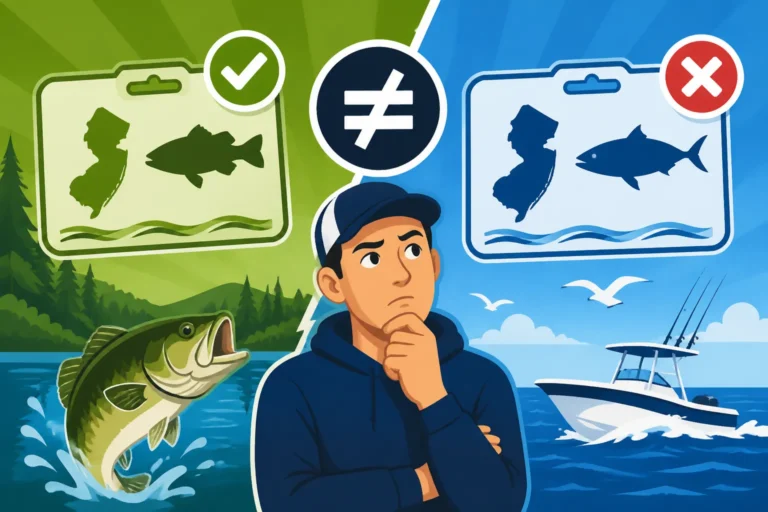
This is a critical point that many anglers, especially those new to New Jersey's coastal waters, often overlook. Owning a freshwater fishing license does not automatically cover you for saltwater fishing. If you plan to fish in any of New Jersey's marine waters – whether it's the Atlantic Ocean, the back bays, or tidal rivers – you need to register with the New Jersey Saltwater Recreational Registry Program.
The good news? The New Jersey Saltwater Registry Explained is entirely free! It’s a mandatory federal requirement managed by the state to track saltwater recreational fishing effort and collect important data for fisheries management. Even if you're just dipping a line off a pier or jetty, or doing some surf fishing along the coast, you need to be registered. This registry is separate from your freshwater license and is essential for avoiding unnecessary fines. You can easily register online in minutes. To avoid any hassle, make sure to read our detailed guide on How to Register for New Jersey's Saltwater Registry Program and understand that The New Jersey Saltwater Registry Is Free to Join.
Common Misconceptions and Specific Scenarios
The rules around fishing licenses can sometimes feel a bit convoluted, especially for newcomers or those used to different regulations in other states. Let's clear up some common misunderstandings and look at specific scenarios.
Private Ponds and Property Lines
One of the most persistent myths out there is that if you're fishing on private property, or in a private pond, you don't need a state fishing license. Unfortunately, this is largely incorrect in New Jersey. The vast majority of waters in the state, even those that might appear to be on private land, are generally considered "waters of the state." This means that the fish within them are a public resource, and their management falls under the purview of the New Jersey Division of Fish and Wildlife.
So, even if you own the pond or have permission from the landowner, if that pond is connected to other waterways, or if it has been stocked by the state, you likely still need a valid freshwater fishing license if you're 16 or older. There are very few truly "private" ponds that are entirely self-contained and not subject to state regulations. The best rule of thumb? Always assume you need a license unless you've thoroughly researched and confirmed an exemption. Don't let this common misconception lead you into a penalty. Our guide, Can I Fish a Private Pond in New Jersey Without a State License?, delves deeper into this often-confusing topic.
Charter and Party Boat Rules
Fishing on a charter boat or a party boat (often called a head boat) out of one of New Jersey's many coastal towns like Belmar or Point Pleasant can be a fantastic experience. These vessels typically operate under a blanket fishing permit that covers the boat itself. However, this doesn't always mean you as an individual angler are completely off the hook for personal licensing requirements.
For freshwater charters (though less common in NJ), individual licenses are almost always required. For saltwater party and charter boats, the vessel's federal permit usually covers the requirement for the federal saltwater registry for all anglers on board. So, typically, you won't need to personally register for the New Jersey Saltwater Recreational Registry if you're fishing strictly as a passenger on a federally permitted for-hire vessel. However, you will need a state freshwater fishing license if you plan to fish in tidal freshwater portions of rivers that these boats might access, or if you ever fish saltwater on your own from shore or a private vessel. It's always, always best practice to confirm the specific license requirements with the captain or booking agent before you board. Don't make assumptions. Check out our detailed articles on New Jersey Party Boat Fishing License Requirements and Do You Need Your Own Fishing License on a New Jersey Charter? for more clarity.
Reciprocal Agreements with Neighboring States
New Jersey shares borders with several other states, and where these borders meet on major waterways, things can get a little tricky regarding fishing licenses. For instance, the Delaware River forms a significant portion of the border between New Jersey and Pennsylvania, as well as New York. Recognizing the impracticality of needing two separate licenses to fish in the same river, these states have established reciprocal agreements for certain stretches of water.
What this means is that if you possess a valid fishing license from either New Jersey or Pennsylvania, you are typically authorized to fish in the non-tidal portions of the Delaware River that form the common boundary between the two states. The same applies to specific border waters with New York, such as Greenwood Lake. However, it's absolutely crucial to understand the exact boundaries of these reciprocal waters and any specific rules that might apply, as these agreements often don't cover tributaries or non-border sections. Always consult the latest New Jersey Fish and Wildlife Digest, or the regulations of the neighboring state, to be certain. Fishing outside the agreed-upon reciprocal zones without the correct license can still lead to a violation. For more in-depth information, you can read our posts on New Jersey Reciprocal Fishing Waters With Pennsylvania and Do You Need Two Licenses to Fish the Delaware River Between New Jersey and Pennsylvania?.
Disclaimer
The information provided in this guide is for general informational purposes only and does not constitute legal advice. While we strive to provide accurate and up-to-date information, fishing regulations in New Jersey can change. It is always the responsibility of the individual angler to consult the most current New Jersey Fish and Wildlife Digest or contact the New Jersey Division of Fish and Wildlife directly for the most accurate and legally binding information before engaging in any fishing activities.