Why a New Jersey Fishing License Doesn’t Cover Saltwater Registration
It’s a common point of confusion and, let's be honest, a real head-scratcher for many anglers: you buy your New Jersey fishing license, eager to hit the water, only to discover it doesn't cover saltwater fishing. This guide is here to unravel that mystery, explaining why New Jersey differentiates between freshwater fishing licenses and saltwater registration, and what you need to do to stay compliant, no matter where you cast your line.
Understanding the "Why" Behind Separate Regulations
The first step to understanding why your New Jersey fishing license doesn't cover saltwater registration is to grasp that freshwater and saltwater environments are fundamentally different ecosystems, managed by different legal frameworks and often by different agencies. It's not just a quirk of New Jersey; this distinction exists in many coastal states, driven by a complex interplay of ecological needs, funding structures, and jurisdictional boundaries.
The Fundamental Difference: Freshwater vs. Saltwater Management
Think about the fish you typically find in a tranquil lake compared to the vast expanse of the ocean. Freshwater bodies like lakes, rivers, and ponds in New Jersey are primarily managed by the New Jersey Department of Environmental Protection's (NJDEP) Division of Fish and Wildlife. Their focus is on species like trout, bass, catfish, and panfish, and their management strategies often involve stocking programs, habitat restoration in specific areas, and setting regulations unique to these enclosed or semi-enclosed systems.
Saltwater environments, on the other hand, are part of a much larger, interconnected marine ecosystem that extends far beyond New Jersey's coast. Species like striped bass, fluke, bluefish, and tuna are migratory, often crossing state and even international borders. This means their management requires a broader, more collaborative approach, involving federal agencies like the National Oceanic and Atmospheric Administration (NOAA) Fisheries, regional management councils (like the Mid-Atlantic Fishery Management Council), and interstate commissions, in addition to state efforts. The rules for saltwater species are often set to comply with federal mandates and regional conservation plans, which aim to manage fish stocks across their entire range, not just within New Jersey's state waters.
Funding Mechanisms and Their Impact
Another critical aspect of this separation lies in how these different types of fishing are funded and supported. When you purchase a New Jersey Fishing License Guide for 2026, a significant portion of that revenue, particularly from freshwater licenses, goes directly into funding freshwater conservation and management programs. This includes things like the state's trout stocking program, which ensures ample fish for anglers in various lakes and streams, as well as habitat improvement projects, scientific research on freshwater species, and enforcement by conservation officers. It's a user-pay, user-benefit system where the funds generated directly support the resource being utilized.
Saltwater fishing, historically, has had a different funding model. For a long time, there wasn't a universal state or federal license for recreational saltwater fishing that generated revenue in the same way freshwater licenses did. The federal government recognized a need to collect better data on recreational saltwater fishing effort and harvest to inform management decisions. This led to the creation of federal registration programs, which states could then adopt or supplement. The New Jersey Saltwater Registry, which we’ll discuss more in a bit, is a direct response to this need for data collection, rather than a revenue-generating license that directly funds New Jersey-specific saltwater initiatives, though it does contribute to the overall management picture.
Federal vs. State Jurisdictions
The distinction between federal and state jurisdictions plays a huge role in why these regulations are structured the way they are. Freshwater fishing, largely confined within the state's borders, falls almost entirely under New Jersey's purview. The state can implement its own laws regarding who needs a license, how much it costs, and what specific regulations apply to individual bodies of water. You'll find detailed rules in the New Jersey Freshwater Fishing Regulations Every Angler Should Know, all managed by the state.
Saltwater fishing, however, involves both state waters (typically up to three nautical miles from shore) and federal waters (beyond three miles). Even within state waters, many migratory marine species are subject to federal management plans that dictate catch limits, seasons, and reporting requirements. To avoid a patchwork of confusing federal and state registrations, the federal government offers states the option to create their own approved saltwater angler registry programs. New Jersey opted to create its own program, the New Jersey Saltwater Registry Explained, which satisfies the federal requirement for anglers fishing in New Jersey's marine and estuarine waters. This state-run registry streamlines the process for local anglers while still providing the crucial data needed for federal stock assessments. It's a collaborative effort, but the mechanisms for compliance remain distinct from freshwater licensing.
Diving Deeper into New Jersey's Freshwater Licensing
So, you understand the foundational differences. Now let’s peel back the layers on what a New Jersey freshwater fishing license truly entails and why it's so important for the state's inland waters.
What Your Freshwater License Actually Supports
When you shell out your hard-earned cash for a freshwater fishing license in New Jersey, you're not just buying a piece of paper; you're directly investing in the health and vitality of the state's freshwater fisheries. The funds generated from these licenses are critical for a wide array of conservation and management efforts. A significant portion goes towards financing the extensive trout stocking program, which is a massive undertaking each spring and fall. These efforts ensure that popular fishing spots across the state are regularly replenished with feisty rainbow, brown, and brook trout, providing fantastic angling opportunities for thousands of residents and visitors.
Beyond trout, license fees also support vital scientific research into other freshwater species, helping biologists understand population dynamics, habitat needs, and disease prevalence. This data is crucial for setting sustainable regulations. Additionally, your license contributes to habitat restoration projects, improving water quality, and enhancing fish spawning grounds in rivers, streams, and lakes. Enforcement is another key area, with Conservation Police Officers using these funds to ensure compliance with fishing laws, protecting the resource from overharvesting and poaching. Essentially, your license helps keep New Jersey's freshwater fishing vibrant and accessible for everyone.
Who Needs a Freshwater License
The rules for who needs a freshwater license are fairly straightforward, but they do have specific age requirements and some exemptions. Generally, anyone 16 years of age or older must possess a valid New Jersey freshwater fishing license to fish in the state's freshwater lakes, ponds, rivers, and streams. This means if you're planning a trip to places like Lake Hopatcong, Round Valley Reservoir, or the Delaware River's freshwater stretches, you'll need to have your license in hand.
There are, however, some notable exceptions. Children under 16 years old are not required to have a license. This is a fantastic initiative to encourage youth participation in fishing, making it easier for families to get out on the water together. Additionally, residents age 70 and older are exempt from the freshwater fishing license requirement. For everyone else, including non-residents and those between 16 and 69, a license is mandatory. It's always a good idea to check the most current regulations, as age requirements or exemptions can sometimes be updated. You can find more details in the New Jersey Fishing License Age Requirements guide.
How to Get Your Freshwater License
Getting your New Jersey freshwater fishing license is a relatively simple process designed for convenience. Most anglers choose to purchase their licenses online through the New Jersey Division of Fish and Wildlife's official license portal. This is often the quickest and most efficient method, allowing you to buy your license from the comfort of your home and print it out immediately, or even keep a digital copy on your phone to show to a Conservation Police Officer. Many anglers keep their licenses on their phone, which is perfectly acceptable as long as it's readable.
If you prefer a more traditional approach, or simply need to pick up some last-minute bait and tackle, you can also purchase a license in person at various authorized license agents across the state. These agents include many bait and tackle shops, sporting goods stores, and even major retailers like Walmart. It’s always smart to call ahead to ensure they are equipped to issue fishing licenses, especially if you're making a special trip. When you’re at a store, you might also browse for some new gear, like a spinning reel or perhaps a tackle box on Amazon, to complete your setup. For a comprehensive guide on where to buy one, check out Where and How to Buy a New Jersey Fishing License. Remember to have some form of identification ready, as they'll need to verify your residency status and age.
Unpacking New Jersey's Saltwater Registry Program
Now let's switch gears and delve into the world of saltwater. The New Jersey Saltwater Registry serves a very different purpose than the freshwater license, and understanding its background is key.
The Purpose of the Saltwater Registry
Unlike a freshwater fishing license, which primarily serves as a funding mechanism for state-level conservation, the New Jersey Saltwater Registry program's main objective is data collection. It doesn't cost you a dime, which is often a pleasant surprise for anglers. The primary goal is to provide accurate and comprehensive information about recreational saltwater fishing activity to federal authorities. This data includes how many anglers are fishing, where they are fishing, and what species they are targeting.
Why is this data so crucial? It's used by federal agencies, particularly NOAA Fisheries, to estimate total fishing effort and harvest for various marine species. These estimates are then fed into complex scientific models that assess the health of fish populations. Without reliable recreational harvest data, management decisions would be based solely on commercial fishing data, which wouldn't give a complete picture. By collecting this information, resource managers can make more informed decisions about quotas, seasons, and size limits, helping to ensure the sustainability of popular species like striped bass and fluke. So, while it feels like a mere formality, your registration is a vital cog in the larger machine of marine fisheries conservation.
It's About Federal Mandates, Not Just State Revenue
The New Jersey Saltwater Registry Program exists largely because of federal mandates. Years ago, the federal government implemented a national program called the National Saltwater Angler Registry. This was designed to address a recognized data gap in recreational saltwater fishing, which was becoming increasingly important for fisheries management. States were given a choice: either have their residents register directly with the federal program, or develop their own state-run registry that meets federal requirements. New Jersey, along with many other states, opted to create its own program.
This decision benefited New Jersey anglers by allowing them to register through a familiar state agency, rather than navigating a separate federal system. It also meant that the state could integrate this data collection into its existing wildlife management framework, even if the primary driver for the registry was a federal one. So, when you register, you’re fulfilling a requirement that ultimately helps federal and state biologists manage fish stocks across the entire East Coast, ensuring that there are fish to catch for generations to come. For more on this, check out New Jersey Saltwater Registry Program Requirements.
Who Needs to Register for Saltwater
The rule for saltwater registration is pretty encompassing for shore anglers. If you are 16 years of age or older and plan to recreationally fish, clam, or crab in New Jersey's marine and estuarine waters (which basically means the ocean, bays, and tidal rivers), you must register with the New Jersey Saltwater Registry. This includes fishing from shore, piers, jetties, private boats, kayaks, or even wading in the shallows. So, whether you're surf fishing at Island Beach State Park, casting for fluke in Barnegat Bay, or crabbing off a dock in Cape May, you need to be registered.
However, there are a few important exemptions. If you are fishing aboard a for-hire vessel (like a party boat or a charter boat) that is already federally registered, you typically do not need to register individually. The captain of that vessel is responsible for ensuring the vessel is compliant and for reporting catches. This is a huge relief for many vacationing anglers who just want to enjoy a day out on the water without worrying about extra paperwork. Kids under 16, just like with freshwater, are also exempt from the registration requirement.
How to Join the Saltwater Registry
One of the best things about the New Jersey Saltwater Registry is that it’s completely free to join! There’s no cost involved, which is a welcome change compared to buying licenses. The process is also incredibly simple and can be completed entirely online. You just need to visit the New Jersey Division of Fish and Wildlife’s website, locate the saltwater registry section, and fill out a brief form with your personal information. It literally takes just a few minutes of your time.
Once you’ve completed the registration, you'll receive a confirmation, which you should keep handy. While you're not usually required to carry a physical copy, having the confirmation number or a screenshot on your phone is always a good idea in case a Conservation Police Officer asks for proof. The registration is typically valid for the calendar year, so you’ll need to renew it annually, but again, it’s a quick and free process. To get started, refer to How to Register for New Jersey's Saltwater Registry Program. It’s a small step that makes a big difference for marine conservation efforts, and it won’t cost you a penny.
Navigating Both Worlds: Practical Advice for Dual Anglers
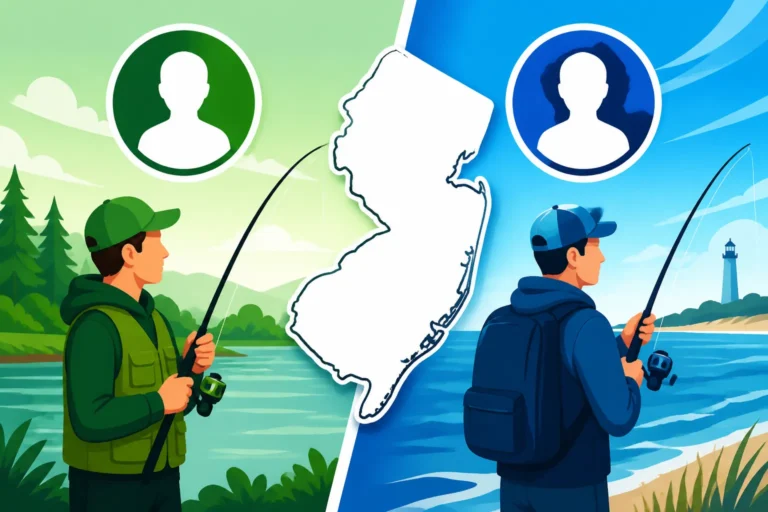
For many of us who love to fish in New Jersey, our passion isn't confined to just one type of water. We might chase trout in a mountain stream one weekend and then head to the shore for stripers the next. This means understanding and complying with both the freshwater licensing and saltwater registration requirements. It doesn't have to be confusing, but it does require a bit of awareness.
The Angler Who Fishes Both
If you’re like me, and you enjoy the best of both worlds – the serene beauty of freshwater lakes and the thrilling unpredictability of the ocean – then you absolutely need to make sure you're covered for both. This means purchasing your annual New Jersey Resident Fishing License Requirements if you’re 16-69 years old, and also completing the free The New Jersey Saltwater Registry Is Free to Join registration. It might seem redundant to some, especially since New Jersey offers a comprehensive Freshwater vs Saltwater Fishing Rules in New Jersey guide, but as we’ve discussed, the underlying purposes and management structures are distinct.
Think of it this way: your freshwater license is like a membership fee for state-managed resources and programs, directly funding stocking and habitat. Your saltwater registration, however, is more like a free census entry, providing essential data for federal and interstate marine fisheries management. Neither one negates the need for the other if you plan on participating in both types of fishing. It's about being a responsible angler and contributing to the conservation efforts that keep our waters healthy and abundant, whether you're using a fancy rod and reel you bought on Amazon or a simple hand-line.
Common Misconceptions and Penalties
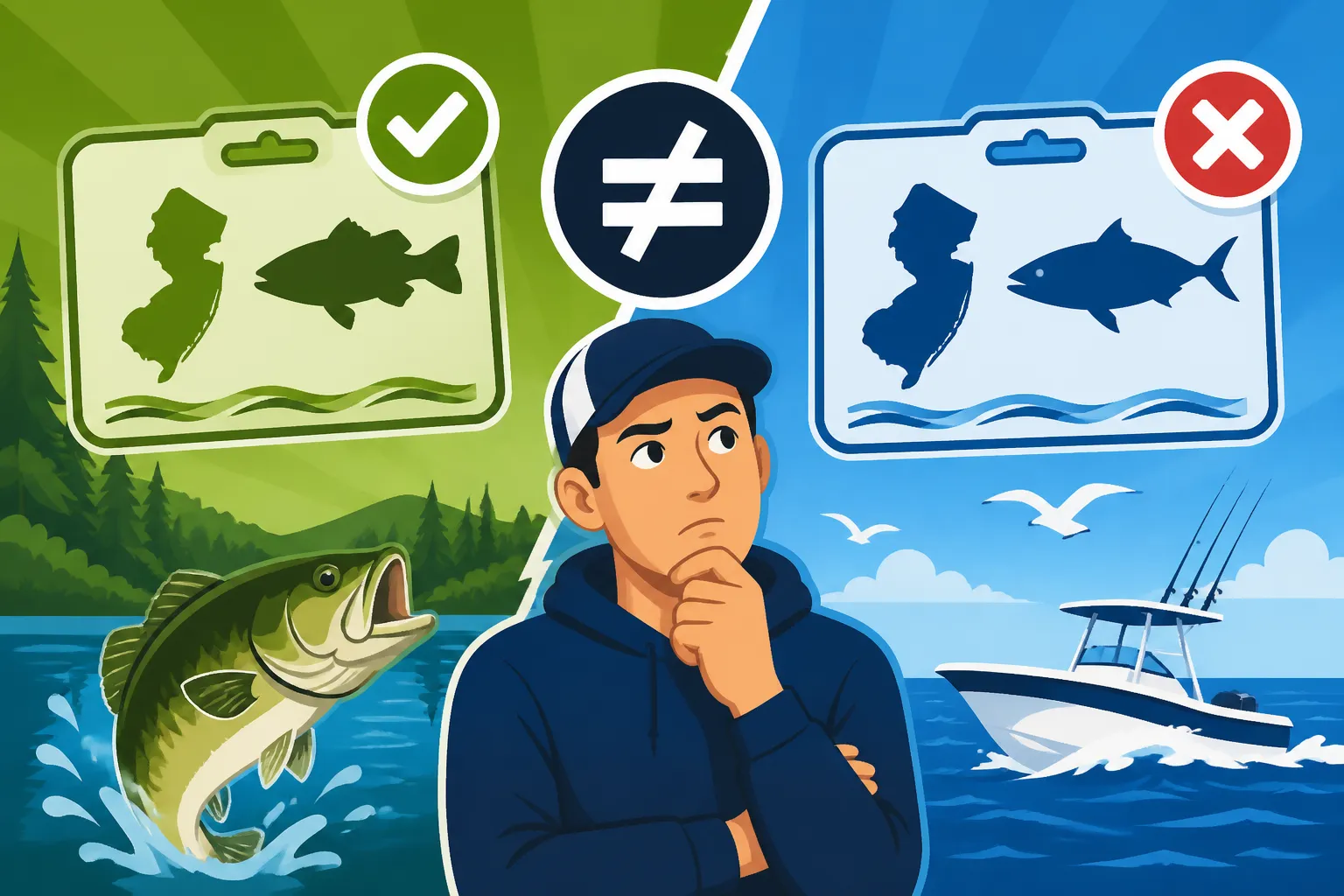
One of the biggest misconceptions is that if you have any New Jersey fishing document, you're good to go. This isn't the case. Having a freshwater license will not protect you from penalties if you are caught fishing in saltwater without being registered, and vice-versa. Conservation Police Officers are well-versed in these distinctions and routinely check for compliance in both environments.
The consequences of not adhering to these regulations can range from warnings to fines. While getting caught without a freshwater fishing license might incur a more significant penalty because it's tied to revenue and state resources, failing to register for saltwater can still lead to fines, particularly if it's a repeat offense. It’s definitely not worth the hassle or the potential financial hit. Always ensure you have the appropriate documentation for the specific waters you are fishing in. If you're curious about the specifics of what might happen, you can look into What Happens If You Get Caught Fishing Without a License in New Jersey?.
Staying Informed with the New Jersey Fish and Wildlife Digest
Regulations, especially those related to fishing, can change. Seasons, bag limits, and even the nuances of licensing and registration are periodically updated to reflect current scientific data, conservation needs, and federal mandates. The best way to ensure you're always up-to-date is to regularly consult the official sources.
The primary resource for all New Jersey fishing regulations is the New Jersey Fish and Wildlife Digest. This comprehensive guide, often released annually, contains all the rules, seasons, limits, and important information for both freshwater and saltwater fishing. You can usually find a digital version on the NJDEP Division of Fish and Wildlife website, and printed copies are often available at bait and tackle shops or license agents. Making it a habit to glance through the digest each season is crucial for responsible angling. It's much easier to spend a few minutes reading through the digest or looking something up on Amazon, than to face a hefty fine or unknowingly violate a conservation rule. For more guidance, be sure to check out Reading the New Jersey Fish and Wildlife Digest.
Here's a quick comparison to help solidify the differences:
| Feature | New Jersey Freshwater Fishing License | New Jersey Saltwater Recreational Registry |
|---|---|---|
| Purpose | Funds state freshwater fisheries management (stocking, habitat, research, enforcement). | Collects data for federal marine fisheries management and stock assessment. |
| Cost | Required fee (varies by residency, age, type). | FREE |
| Who Needs It | Anglers 16-69 years old fishing freshwater (residents & non-residents). | Anglers 16+ years old fishing saltwater from shore, private boat, kayak. |
| Exemptions | Under 16, 70 and older (residents), certain disabled persons. | Under 16, those on federally registered for-hire vessels (party/charter boats). |
| Validity | Annual (calendar year). | Annual (calendar year). |
| Where to Get It | Online (NJDEP website), authorized license agents (e.g., bait shops, Walmart). | Online (NJDEP website). |
| Primary Oversight | New Jersey Division of Fish and Wildlife (NJDEP). | New Jersey Division of Fish and Wildlife (NJDEP) in cooperation with NOAA Fisheries. |
Disclaimer
The information provided in this guide is for general informational purposes only and is not a substitute for official legal advice or the current regulations published by the New Jersey Department of Environmental Protection, Division of Fish and Wildlife. Always consult the most recent New Jersey Fish and Wildlife Digest and official state resources to ensure compliance with all fishing laws and regulations before heading out on the water. Regulations can change, and it is the angler's responsibility to stay informed.