Can You Fish at Night in New Jersey Without a Permit?
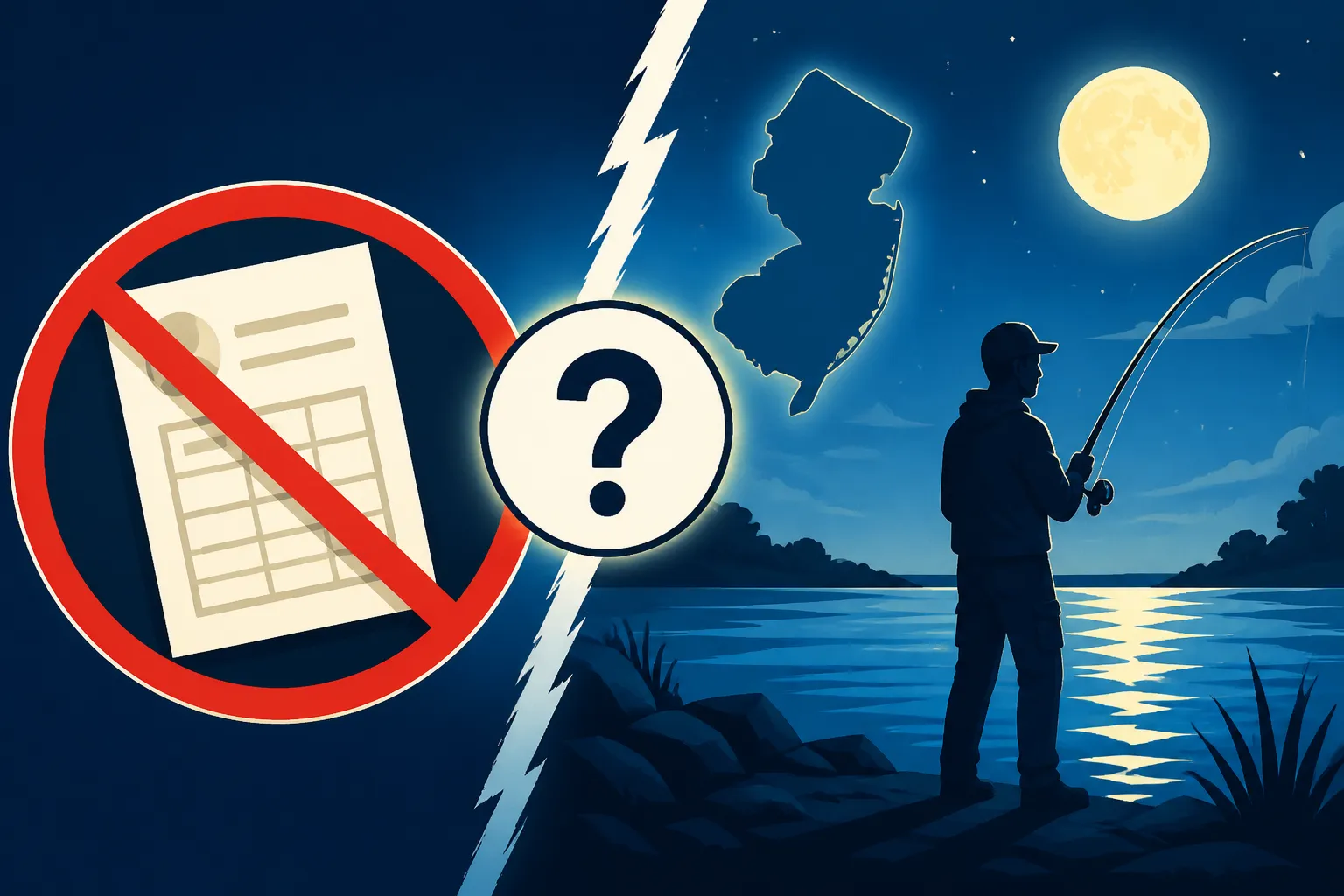
It can be incredibly frustrating to plan a peaceful night fishing trip in New Jersey, only to second-guess yourself about whether you need some special, elusive "night fishing permit." Many anglers, especially those new to fishing after dark, worry about inadvertently breaking rules or facing fines just for enjoying the quiet beauty of the Jersey Shore or a serene freshwater lake under the stars. This guide will clarify the regulations surrounding night fishing in New Jersey, explaining exactly what you need (and don't need) to stay on the right side of the law while pursuing your passion after sundown.
Understanding New Jersey's General Fishing Regulations for Night Anglers
Let's cut right to the chase: in New Jersey, there isn't a specific, separate "night fishing permit" that you need to acquire. The regulations that govern fishing during the day generally extend into the nighttime hours. What does matter immensely, however, is having your standard New Jersey fishing license if you're fishing freshwater, or being registered with the New Jersey Saltwater Registry if you're targeting marine species. Thinking that just because the sun has set, the rules disappear is a common misconception that can lead to some pretty hefty penalties.
Freshwater vs. Saltwater Considerations at Night
The fundamental distinction between freshwater and saltwater regulations remains just as crucial after dark as it is during the day. If your night angling adventure takes you to a lake, river, or stream – essentially any inland body of water – you'll need a valid freshwater fishing license. This isn't just a suggestion; it's a legal requirement for most anglers over the age of 16 and under 70. You can learn all about what you need in our comprehensive guide, New Jersey Fishing License Guide for 2026. The specific rules for bag limits, size limits, and even the types of bait or tackle you can use will be dictated by the species you're targeting and the body of water you're on, regardless of the time of day. For instance, if you're trying to catch some channel cats in a local pond at 2 AM, those same size and creel limits apply as if you were fishing at noon. It's really important to consult the New Jersey Fish and Wildlife Digest for the most current regulations affecting freshwater species.
On the flip side, if you're casting lines into the ocean, bays, or tidal rivers after dark, you're entering the realm of saltwater fishing. For this, you typically don't need a traditional license from the state, but you must be registered with the New Jersey Saltwater Registry Explained. This registry is absolutely free and can be done online in just a few minutes. It's how the state and federal agencies track recreational fishing effort for vital data collection. Again, the specific species you're after — be it striped bass from the surf, bluefish from a pier, or even eels for bait — will have their own set of rules regarding seasons, sizes, and bag limits, which are in full effect 24/7. You can't just keep a 40-inch striped bass in New Jersey, even if you caught it under the cover of darkness. The slot limit still applies, as you'd find in our article, Can You Keep a 40-Inch Striped Bass in New Jersey?. Always make sure you understand both the general and species-specific regulations for whatever type of water you're fishing.
The Role of a Valid Fishing License After Dark
Your fishing license or saltwater registry isn't something that expires with the setting sun. It's your legal pass to participate in recreational fishing. Whether you're fishing for an hour before bed or pulling an all-nighter, conservation officers are just as likely to check your credentials. Imagine getting a knock on your car window from a New Jersey Conservation Police Officer at 3 AM while you're packing up from a productive night of striper fishing on the beach. You'd better have that license or registry proof ready!
It's a common mistake for folks to assume that because it's dark and fewer people are around, enforcement is lax. That's simply not true. These officers work around the clock to protect our natural resources. Being caught without the proper authorization can lead to significant fines, something no one wants after a relaxing night out. We've got a whole article dedicated to this important topic: Penalties for Fishing Without a License in New Jersey. Beyond the legal requirement, having a license or being registered directly contributes to the conservation efforts that ensure healthy fish populations for all of us to enjoy, day or night. It’s part of being a responsible angler, and it applies equally to fishing during the day as it does to casting lines under the moon.
Specific Locations and Their Night Fishing Rules
While a general "night fishing permit" doesn't exist, access to certain fishing locations after dark can be restricted or require specific permits beyond your standard fishing license. This is where it gets a little nuanced, and paying attention to signage or local ordinances is paramount.
State Parks, Wildlife Management Areas, and Reservoirs
Many of New Jersey's beautiful state parks, wildlife management areas (WMAs), and major reservoirs offer excellent fishing opportunities. However, these areas often have designated operating hours, which typically mean gates close at dusk and reopen at dawn. Fishing within these closed areas after hours usually isn't permitted without a special use permit or prior arrangement with the park office. For example, while you might have a valid New Jersey freshwater fishing license, trying to fish Round Valley Reservoir at 11 PM would likely put you in violation of park access rules, even if fishing itself isn't explicitly prohibited by state regulation for that body of water.
Always check the specific rules for any state park or WMA before planning a night trip. Some locations, especially those with boat ramps that close, might still allow walk-in access to certain fishing areas, but this is the exception, not the rule. It’s not uncommon to find clear signage at park entrances detailing hours of operation and stating that no admittance is allowed after a certain time. Ignoring these signs can lead to fines for trespassing or being in a park after hours, even if you’re just trying to catch a few fish. When considering a spot like Island Beach State Park, for instance, there are very specific rules, especially for night fishing and 4×4 access, detailed in New Jersey's Island Beach State Park Shore Fishing Rules. These rules are usually in place for safety, environmental protection, and maintenance reasons.
| Location Type | General Night Fishing Access | Specific Permit Needed Beyond License? | Key Considerations |
|---|---|---|---|
| State Parks/WMAs | Often restricted after hours | Yes, for after-hours access (rare) | Check park operating hours; potential trespassing fines. |
| Public Piers/Jetties | Varies; often open 24/7 | No, but sometimes an access fee applies | Local ordinances, safety, crowd control. |
| Public Beaches | Generally open 24/7 | No, but local ordinances vary | Driving on beach (4×4 permit), protected areas, nesting. |
| Designated Public Access | Generally open 24/7 | No | Local rules, parking, noise restrictions. |
| Private Property | Only with permission | No, but express permission required | Trespassing laws, landowner liability. |
| Reservoirs | Often restricted after hours | Yes, for after-hours access (rare) | Water supply protection, dam safety. |
Public Piers, Jetties, and Beaches
This is where night fishing in New Jersey truly shines for many anglers. A vast number of public piers, jetties, and beaches along the Jersey Shore offer 24/7 access, making them prime spots for after-dark excursions. From the vast stretches of sand in Cape May to the bustling piers in Belmar, many of these spots are explicitly open around the clock for fishing. Think about those legendary striped bass blitzes under the moonlight or the quiet pursuit of fluke from a jetty as the crowds thin out.
While you don't need a special fishing permit for night use, some piers might have a small access fee, or municipal ordinances might restrict certain activities at night. For example, some towns might prohibit bonfires or loud music on the beach after certain hours. Always look for signage at the entrance to piers or beach access points. When fishing from jetties, be extra cautious at night; they can be incredibly dangerous in low light, especially with slippery rocks and incoming tides. You’ll want a good headlamp, maybe even one from Amazon with a red light setting to preserve your night vision. Remember that your New Jersey Saltwater Registry Explained is still necessary for these locations if you're targeting marine species. Even though you might not be fishing from a boat, understanding New Jersey Boat Ramp Rules and Access Fees can give you insight into areas that might have different access restrictions after dark.
Private Property and Designated Fishing Areas
Fishing on private property, whether it's a pond in someone's backyard or a stream running through private land, always requires explicit permission from the landowner, regardless of the time of day. This isn't about fishing regulations but about property rights. Fishing without permission, even if you have all your state licenses, is trespassing and can lead to legal trouble. It's not uncommon for landowners to be more wary of after-dark activity, so if you're granted permission to fish their land, make sure it extends to nighttime hours.
There are also many designated public access points, such as small municipal parks along rivers or bay-front areas, that might have less restrictive hours than larger state parks. Again, the key is to look for posted signs. If there are no signs explicitly prohibiting night access or detailing specific hours, and it's public land, then your standard fishing license/registry is usually all you need. However, always be respectful of noise levels, especially if you are near residential areas, and leave no trace of your presence. A quality, hands-free light source, easily purchased from retailers like Amazon, is indispensable for setting up your gear and navigating safely in these areas.
Essential Gear and Safety for Night Fishing in New Jersey
Night fishing in New Jersey can be incredibly rewarding, offering a unique sense of peace and the chance to target species that are more active after dark. However, it also presents distinct challenges that require preparation and adherence to safety guidelines. It’s not just about what permits you need; it’s about being smart and safe.
Lighting and Visibility Requirements
When the sun goes down, your ability to see and be seen plummets. This isn't just about finding your tackle box; it's about personal safety and being visible to others, especially if you're near water or in areas with other nocturnal activities. A reliable headlamp is not just recommended; it's practically mandatory. Look for models that offer different brightness settings and, crucially, a red light option. Red light preserves your night vision much better than white light, which is incredibly useful for tying knots, re-baiting hooks, or simply walking without blinding yourself or others. Many anglers find great headlamps and lanterns suitable for night fishing on Amazon, often with durable, waterproof designs.
Beyond personal lighting, if you're fishing from a boat at night, you absolutely must comply with U.S. Coast Guard navigation light requirements. This includes displaying appropriate bow and stern lights to ensure other boaters can see you. Even a kayak angler needs to consider some form of 360-degree white light, especially if paddling in areas with powerboat traffic. These rules are in place to prevent collisions and ensure everyone's safety on the water. Failing to display proper lighting on a vessel can result in fines and, more importantly, put your life and others' at risk.
Navigating the Challenges of Night Fishing
Night fishing introduces a whole new set of navigational and practical challenges. Familiar terrain can look completely different in the dark. Uneven ground, slippery rocks on jetties, or submerged obstacles become invisible hazards. Always scout your fishing location during the day if you plan to fish it at night. Take note of access points, potential hazards, and where you'll be setting up your gear. This pre-trip reconnaissance can be a game-changer for safety.
Consider your tackle and setup as well. Pre-tying rigs or organizing your tackle box before it gets dark can save you a lot of fumbling. Using glow-in-the-dark lures or reflective tape on your rod tips can help you detect subtle bites. If you're fishing with multiple rods, remember that the standard limits on How Many Fishing Rods Can You Use at Once in New Jersey? still apply, and managing several lines in the dark requires extra attention to avoid tangles. Many anglers carry a dedicated night fishing tackle bag, often stocked with specialized gear they found through places like Amazon, ensuring everything is easily accessible without having to rummage through a larger, less organized bag.
Protecting Yourself and the Environment
Safety extends beyond just seeing where you're going. New Jersey's coastal areas can get surprisingly chilly at night, even in summer, due to sea breezes. Dress in layers to stay comfortable. Bug spray is another absolute necessity, especially in freshwater areas or near marshy coastlines, where mosquitoes and biting flies can be relentless. A small first-aid kit is also a wise addition to your gear, just in case of minor cuts or scrapes that are more likely to occur when you're not seeing things clearly.
Environmentally, practicing "leave no trace" is even more critical at night. It's easier to accidentally leave behind monofilament line, bait containers, or food wrappers when you can't see them clearly. Always bring a trash bag and pack out everything you pack in. Be mindful of wildlife; many animals are more active at night. Shining bright lights directly at nocturnal creatures can disorient them. Responsible night angling is about enjoying the experience while respecting the natural world around you.
Legal Ramifications and Common Misconceptions
It’s easy to get confused with fishing regulations, especially when you start adding variables like time of day or specific locations. Let's clear up some common misunderstandings and ensure you know the consequences of cutting corners.
Penalties for Violating Night Fishing Rules
As we’ve established, there isn't a specific "night fishing permit" you can violate. However, breaking any of the standard fishing laws or access rules at night carries the same penalties as doing so during the day. This typically means fines, which can range from minor to significant depending on the offense. For instance, being caught fishing for freshwater species without a valid New Jersey freshwater fishing license can result in fines upwards of $100, plus court costs. Repeated offenses or more serious violations, such as exceeding bag limits or catching undersized fish, can lead to even steeper penalties, potential confiscation of gear, and even loss of fishing privileges.
Beyond state fishing regulations, violating local ordinances regarding park access, trespassing on private property, or creating excessive noise can also result in fines from local police or park rangers. These penalties exist to ensure public safety, manage resources sustainably, and maintain peace in communities. It's always better to take a few minutes to check the rules for your chosen spot and ensure your license or registration is up-to-date rather than risk a run-in with law enforcement that could spoil your night and empty your wallet. You can find comprehensive details about what you need to fish responsibly in the New Jersey Freshwater Fishing Regulations Every Angler Should Know.
Distinguishing Between Fishing and Crabbing Regulations
Another area where confusion often arises at night is distinguishing between fishing and crabbing regulations. While both activities involve harvesting aquatic life, they are often governed by different sets of rules and, crucially, may have different license or permit requirements. For example, in New Jersey, recreational crabbing from shore or a public dock generally does not require a fishing license, but there are strict size limits, possession limits, and prohibitions on keeping female crabs, especially those carrying eggs. You can delve deeper into this in our New Jersey Crabbing License Requirements guide.
The confusion sometimes stems from the fact that people might be fishing for bait (like eels) at night and also crabbing. Just remember that each activity has its own legal framework. So, if you're out past dark with a fishing rod and a crab trap, make sure you're compliant with both sets of rules. Don't assume that because you're legally fishing, you're automatically cleared for crabbing, or vice versa. These separate regulations are detailed in the annual New Jersey Fish and Wildlife Digest, which you should always review before heading out, whether it's day or night.
Disclaimer
Please remember that fishing regulations are subject to change. While every effort has been made to provide accurate and up-to-date information, it is ultimately the angler's responsibility to consult the latest New Jersey Fish and Wildlife Digest or visit the official New Jersey Department of Environmental Protection (NJDEP) Division of Fish and Wildlife website before heading out. Local ordinances for specific bodies of water or access points can also vary.