New Jersey’s Island Beach State Park Shore Fishing Rules
If you've ever dreamt of casting a line into the churning surf of one of New Jersey's most pristine stretches of coastline, you're likely thinking about Island Beach State Park. It's an angler's paradise, but navigating the specific rules and regulations can feel like trying to untangle a bird's nest of fishing line. This guide is here to unravel all that confusion, helping you understand everything from permits to species limits so your day on the sand is about reeling in fish, not paperwork headaches.
Why Island Beach State Park is a Premier Fishing Destination
Island Beach State Park (IBSP) isn't just another beach; it's a 10-mile-long barrier island, largely undeveloped, that serves as a crucial natural habitat and an unparalleled fishing spot in New Jersey. For years, anglers have flocked here, drawn by its relatively untouched beauty and the incredible variety of fish that pass through its waters. Unlike many developed beaches with crowded boardwalks and limited access, IBSP offers expansive stretches of sand, dunes, and oceanfront that truly make you feel immersed in nature. It's a place where the roar of the surf is often the loudest sound, and your closest neighbors are likely fellow anglers or nesting shorebirds. This unique environment makes it not just a place to fish, but an experience in itself, a true escape from the hustle and bustle. The sheer length of the park means that even on busy days, you can usually find a secluded spot to cast your line, offering both peace and prime angling opportunities.
Understanding IBSP's Unique Ecosystem and Target Species
The undeveloped nature of Island Beach State Park contributes to a thriving ecosystem that supports a rich diversity of marine life, making it a hotspot for many popular game fish. The clean, oxygen-rich waters and abundant baitfish populations create an ideal feeding ground. Here, you're not just hoping to catch a fish; you're often finding yourself in the middle of a vibrant, active fishery. Common catches from the surf include striped bass, especially during their spring and fall migrations, robust bluefish that put up a fantastic fight, and even summer flounder (fluke) close to the inlets. You might also encounter kingfish, weakfish, and various panfish, depending on the season and specific conditions. The health of this ecosystem is meticulously protected, which is why understanding and adhering to the park's specific rules is so critical. It ensures that this incredible fishing resource remains vibrant for generations to come.
The General Fishing License and Saltwater Registry Essentials
Before you even think about setting foot on the sand at Island Beach State Park with a fishing rod, you need to make sure you're properly licensed, just like anywhere else in New Jersey. For those targeting freshwater species, a valid New Jersey Fishing License is an absolute must. While IBSP is primarily known for its saltwater opportunities, it's good to know the basics in case your fishing adventures take you to freshwater elsewhere. More importantly for IBSP, all anglers aged 16 and older engaging in saltwater fishing must register with the New Jersey Saltwater Registry Program. This isn't a separate license you purchase, but a mandatory, free registration that helps the state monitor recreational fishing effort and gather crucial data for managing fish populations. It's a common misconception that if you're only fishing in saltwater, you don't need any state documentation beyond the park's specific permits. Always carry proof of your current New Jersey Saltwater Registry Explanied, whether it's a printed copy or accessible on your phone, because New Jersey Conservation Police and License Checks do happen.
Differentiating Park Entry Fees from Fishing Permits
Navigating the entry requirements for Island Beach State Park can be a bit tricky, as there's a clear distinction between the general park entry fee and any specialized fishing permits. When you drive up to the gate, you'll pay a standard entrance fee per vehicle, which varies by season and whether you're a New Jersey resident or not. This fee grants you access to the park for the day, allowing you to use facilities like bathing beaches, restrooms, and designated walk-on fishing areas. However, this general entry fee does not automatically permit you to drive onto the beach with your vehicle for surf fishing. That requires a separate, specific permit. Think of it like this: your entrance fee gets you into the stadium, but a special pass gets you onto the field. Understanding this difference upfront will save you a lot of confusion and potential disappointment at the gate.
Acquiring Your Annual Mobile Sportfishing Vehicle Permit
For serious surf anglers who want the convenience and flexibility of driving their 4×4 vehicles directly onto the beach, the Mobile Sportfishing Vehicle Permit is essential. This is the golden ticket for accessing miles of prime fishing real estate away from the main parking lots. The permit is issued annually and typically goes on sale in late fall or early winter for the upcoming calendar year. These permits are incredibly popular and often sell out quickly, especially the unlimited passes, so it pays to be prepared. To apply, you'll usually need a valid driver's license, vehicle registration, and proof of insurance for your 4×4. There are often limits on the number of permits issued, making them a coveted item among the surf fishing community. You can usually purchase them online through the New Jersey State Parks website or in person at the park office. For detailed requirements, you can check out the specific page on IBSP surf fishing permits.
Types of Mobile Sportfishing Vehicle Permits
Island Beach State Park offers a couple of options when it comes to Mobile Sportfishing Vehicle Permits, designed to accommodate different levels of commitment and availability. The most sought-after is the Annual Mobile Sportfishing Vehicle Permit, which allows access for the entire calendar year. This is what most dedicated surf anglers strive for, as it provides unrestricted access (within park rules) whenever the park is open. These permits are typically limited in number and can be quite competitive to obtain.
Then there are sometimes more limited options, like Seasonal or Off-Peak permits, which might offer access during specific times of the year or weekdays only. For instance, in the past, there have been permits tailored for specific shoulder seasons when the crowds are thinner, or even weekday-only permits. While these might not offer the same flexibility as the full annual permit, they can be a more accessible option for those who fish less frequently or only during certain times. It’s crucial to check the New Jersey State Parks website each year for the most current offerings and their respective costs and limitations, as these can change.
Where and How to Obtain Permits
Getting your hands on an IBSP Mobile Sportfishing Vehicle Permit requires a bit of planning, mainly due to their popularity and limited availability. The primary method for purchasing these permits is online through the official New Jersey State Parks website. This is generally the fastest and most efficient way, especially when they first go on sale. You'll need to create an account, fill out the necessary vehicle and personal information, and then process the payment. It's a good idea to have all your vehicle's documentation handy – registration, insurance card, and your driver's license – as you'll likely need to input details from these.
Alternatively, if you prefer an in-person transaction or encounter issues online, permits can sometimes be purchased directly at the Island Beach State Park office. However, this option might be subject to availability, and office hours can be limited, especially during the off-season. Given how quickly the annual permits can sell out, relying solely on an in-person purchase could mean missing out. My personal advice is always to try the online route as soon as they become available for the best chance. You'll also need to ensure you have your regular New Jersey Fishing License Guide for 2026 and your Saltwater Registry squared away, as those are distinct requirements from the park permit itself.
Specific Regulations for Common IBSP Species
Fishing at Island Beach State Park means adhering not only to park-specific rules but also to the broader New Jersey state regulations regarding size limits, bag limits, and seasons for various species. These regulations are designed to protect fish populations and ensure sustainable fishing for everyone. It's easy to get caught up in the excitement of a bite, but a quick check of the rules beforehand can save you from a costly fine or, worse, impacting the future of the fishery. Before heading out, always consult the current New Jersey Fish and Wildlife Digest, which you can often find online or at tackle shops, for the most up-to-date information. Regulations, especially for popular species like striped bass and fluke, can change year to year based on stock assessments and management decisions.
Striped Bass Slot Limits and Seasons
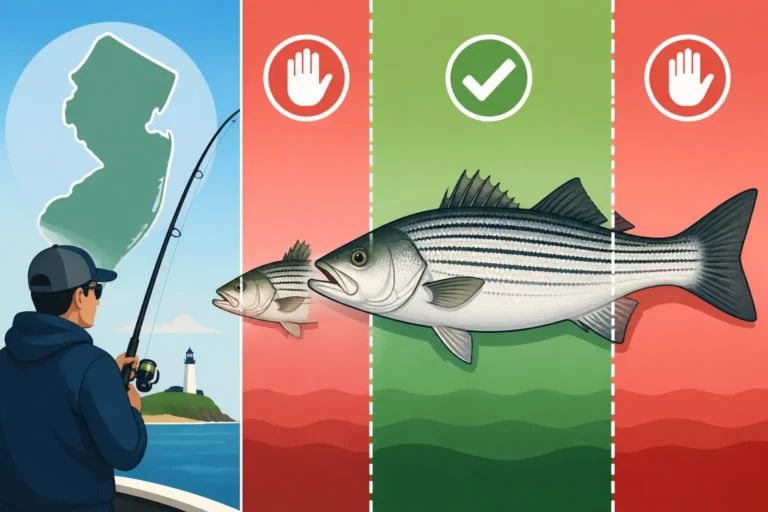
Striped bass are arguably the most sought-after species along the Jersey Shore, and Island Beach State Park is a prime location to target them, particularly during the spring and fall migrations. The regulations for striped bass are particularly complex and are subject to change, often featuring specific slot limits rather than just a minimum size. For example, the New Jersey Striped Bass Slot Limit Explained usually dictates that you can only keep fish within a certain size range (e.g., 28 to 38 inches), and only one fish per angler per day. This slot limit is implemented to protect the breeding stock (larger fish) and juvenile fish, focusing harvest on the reproductively active middle-sized fish.
Additionally, there are often specific seasons when striped bass fishing is open or closed, and sometimes even variations depending on whether you're fishing in the ocean or in tidal rivers. It’s absolutely critical to be aware of the exact New Jersey Fishing Season Dates and Closures for striped bass, as they can have nuances such as specific dates for the spring run and fall run, or even specific bait restrictions like the New Jersey Circle Hook Requirements for Bait Fishing when fishing with natural bait for striped bass. Always measure your fish carefully and release any that fall outside the legal slot immediately and gently.
Fluke Size and Bag Limits
Summer flounder, affectionately known as fluke, are another highly popular target for surf anglers at IBSP, particularly during the warmer months. These delicious flatfish hug the sandy bottom, often lurking in the troughs and sloughs just beyond the breaking waves. The New Jersey Fluke Size and Bag Limits Explained are also very specific and crucial to follow. Typically, there's a minimum size limit (e.g., 18 inches) and a daily bag limit (e.g., 2-3 fish per angler). These limits are in place to ensure that fluke have a chance to mature and reproduce before being harvested, which is vital for the health of their population.
It's common for anglers to catch many "shorts" (undersized fluke) when fishing the surf, so having a reliable measuring device on hand is essential. When you catch a fluke, measure it immediately, and if it's undersized, release it quickly and carefully. The season for fluke usually runs through the summer, but the exact start and end dates can shift annually. Remember, these regulations are statewide, applying just as much to the waters off Island Beach State Park as they do to any other part of the coast. For instance, the Delaware Bay Fluke Rules vs the Rest of New Jersey often have slight variations, though IBSP generally follows the ocean regulations.
Prohibited Activities and Gear Restrictions
Island Beach State Park, being a natural preserve, has several specific rules regarding fishing activities and gear to protect its sensitive ecosystem and ensure public safety. Beyond general state fishing regulations, there are often restrictions on where and when certain activities can occur. For example, snagging (deliberately hooking fish in any part of the body other than the mouth) is generally prohibited for most species. Using more than the legally allowed number of rods, typically two or three per angler depending on the species and waterbody, is also something to be mindful of. For a comprehensive overview, refer to "How Many Fishing Rods Can You Use at Once in New Jersey?".
Furthermore, certain areas within the park, particularly near nesting bird sites or sensitive dune habitats, might have temporary closures or specific restrictions on foot traffic and fishing. Littering is strictly forbidden, and "leave no trace" is the mantra here. This includes disposing of all fishing line, bait containers, and any other trash properly. Don't leave discarded bait or fish carcasses on the beach, as this can attract unwanted scavengers and create an unpleasant environment for others. Digging for bait (like sand worms or clams) in certain protected areas might also be restricted, so always check local signage or the park's specific rules before you start digging.
Navigating Vehicle Access and Beach Driving Rules
For many surf anglers, the ability to drive directly onto the beach is a huge part of the Island Beach State Park experience. It allows you to explore vast stretches of shoreline, get away from the crowds, and easily transport all your gear – from coolers and tackle boxes to a robust surf rod holder. However, this privilege comes with a stringent set of rules designed to protect the delicate dune ecosystem and ensure the safety of all park visitors, including swimmers, sunbathers, and wildlife. Without a valid Mobile Sportfishing Vehicle Permit, you simply cannot drive onto the sand. Attempting to do so will result in fines and possible vehicle impoundment.
Mobile Sportfishing Vehicle Permit Requirements for Driving
Having the Mobile Sportfishing Vehicle Permit in hand is just the first step; understanding the associated driving rules is equally vital. Your vehicle must be a true 4×4 with high clearance, and it's highly recommended to carry essential recovery gear like a shovel, tow strap, and a tire pressure gauge. Before hitting the sand, you're usually required to air down your tires to a specific PSI (often around 15-20 PSI, but check current park guidelines), which significantly increases traction and prevents you from getting stuck in the soft sand. Failing to air down is one of the most common reasons vehicles get bogged down.
Moreover, the permit typically specifies that the vehicle must be actively engaged in fishing. This means you should have fishing gear visible and ready to deploy, not just using the beach as a recreational driving area. The permit is tied to the act of surf fishing, not just general beach access. There are also rules about driving speed (very slow, usually 15 mph or less), giving way to pedestrians, and never driving on or over the dunes, which are fragile and protected. Always keep your permit clearly displayed on your vehicle, usually on the dashboard or rearview mirror, so park rangers can easily verify it.
Designated Driving Areas and Restrictions
Island Beach State Park has very specific designated driving areas, and straying from them can lead to serious consequences, including fines and permit revocation. Generally, you are allowed to drive on the open beach below the high-tide line, parallel to the ocean. You are strictly prohibited from driving on the dunes, in vegetated areas, or in areas marked as closed for nesting birds or other environmental protections. These restrictions are in place to safeguard the park's sensitive habitat and wildlife, which are critical components of its appeal.
There are also specific entry and exit ramps for beach access that must be used. You can't just drive onto the sand from anywhere. These ramps are designed to minimize erosion and impact on the dunes. During peak season or certain periods, portions of the beach might be closed to vehicle traffic due to high tide, severe weather, or specific ecological concerns. Always pay attention to signage at the park entrance and along the beach itself. The park rangers patrol regularly, and they are vigilant about enforcing these rules, as the preservation of this unique environment is paramount. Always check the park's official website or call the ranger station for current conditions and any temporary closures before you head out, especially after major storms.
Safety and Etiquette for Anglers at IBSP
Fishing at Island Beach State Park is an incredible experience, but it's vital to prioritize safety and practice good etiquette to ensure an enjoyable and respectful environment for everyone. The ocean can be a powerful force, and beach conditions can change rapidly. Beyond that, sharing the shoreline with fellow anglers, beachgoers, and abundant wildlife requires a considerate approach. Being a responsible angler means more than just following the fishing regulations; it means respecting the environment and those around you.
Understanding Tide, Weather, and Current Safety
The raw, exposed nature of Island Beach State Park means that understanding and respecting the forces of nature is paramount. Always check the tide charts before you go. A rising tide can quickly cut off access points or submerge your vehicle if you're not paying attention, especially on the narrower stretches of beach. Strong currents, particularly near inlets or during certain tidal phases, can make wading dangerous. Even casting from the sand can be affected by strong currents pulling your line. Learning "How to Read Tide Charts for Better Fishing in New Jersey" is a skill that will serve you well here.
Weather conditions also play a huge role. Sudden thunderstorms can bring lightning, and even a light drizzle can turn into a downpour, making the sand difficult to navigate. Always keep an eye on the sky and be prepared to pack up if conditions deteriorate. Rough surf can also be hazardous, not just for wading but also for getting swamped by rogue waves while standing on the sand. Wind can also be a major factor, making casting difficult and chilling you to the bone even on a sunny day. Dress in layers, carry extra water, and always let someone know where you're going and when you expect to return.
Respecting Wildlife and Fellow Beach Users
Island Beach State Park is a sanctuary for diverse wildlife, from various bird species nesting in the dunes to seals sometimes spotted offshore. It’s crucial to respect their space and avoid disturbing them. Never approach nesting birds or their young, and keep a safe distance from any marine mammals you might encounter. Proper disposal of fishing line and tackle is vital, as discarded gear can be deadly to birds and other animals. Ensure you're leaving no trace behind.
When it comes to fellow beach users, courtesy goes a long way. If you're driving on the beach, always yield to pedestrians and maintain a slow, safe speed. When setting up to fish, be mindful of how close you are to other anglers. Give everyone ample casting room, especially if you're using long surf rods or casting heavy weights. Avoid shouting or loud music. Many people come to IBSP for the peace and quiet, and respecting that contributes to a positive experience for everyone. If you're setting up a beach camp with multiple rods, ensure you're not hogging too much prime real estate. A little common sense and kindness will make the day better for all.
Essential Gear and Best Practices for IBSP Fishing
To truly make the most of your fishing trip to Island Beach State Park, having the right gear and adopting smart practices can make all the difference between a frustrating day and a memorable one. The surf environment is demanding, and being well-prepared ensures you can tackle the challenges and capitalize on the opportunities the park offers. Investing in quality equipment and knowing how to use it effectively will significantly enhance your chances of success and enjoyment.
Recommended Surf Fishing Gear
Surf fishing at Island Beach State Park requires specialized gear designed to withstand the harsh saltwater environment and cast long distances. A sturdy surf rod, typically between 9 and 12 feet long, paired with a reliable spinning reel capable of holding at least 20-pound test monofilament or braided line, is your primary tool. Brands like Penn, Shimano, and Daiwa offer excellent options that you can often find great deals on, perhaps even on Amazon. A sand spike or two to hold your rods upright while you wait for a bite is indispensable, keeping your expensive gear out of the sand.
Your tackle bag should include a variety of weights (pyramid sinkers, Hatteras sinkers) ranging from 3 to 8 ounces, depending on current conditions, and an assortment of hooks appropriate for the bait you're using. Circle hooks are often mandated for striped bass fishing with bait. Don't forget pre-tied surf fishing rigs, or the components to tie your own. A quality cooler for your bait and any keepers, a cutting board, and a sharp fillet knife are also essential. If you plan to wade, investing in quality waders and surf boots can extend your comfort and safety. A good headlamp for early morning or late evening fishing is also a must, and you can pick up a reliable, waterproof one from Amazon.
Here's a quick comparison of essential gear:
| Item | Purpose | Key Features | Recommended for |
|---|---|---|---|
| Surf Rod | Long-distance casting, handling large fish | 9-12 ft, medium-heavy to heavy action, corrosion-resistant guides | Striped Bass, Bluefish, Drum, Fluke |
| Spinning Reel | Line management, smooth retrieve | Saltwater rated, sealed, high line capacity, smooth drag | Pairing with surf rod for all-around use |
| Fishing Line | Connecting rod to fish | 20-50 lb mono or braid, abrasion-resistant | Main line (braid) with fluorocarbon leader (mono) |
| Sand Spikes | Holding rods upright in sand | Aluminum or PVC, sturdy, pointed end | Keeping rods secure while waiting for bites |
| Weights | Anchoring bait, casting distance | Pyramid, Hatteras, Sputnik sinkers (3-8 oz) | Matching current strength and casting range |
| Hooks | Securing bait, catching fish | Various sizes, circle hooks (mandated for striped bass bait) | Depending on target species and bait type |
| Measuring Tape | Ensuring legal catches | Flexible, waterproof, clearly marked increments | Verifying fish size for compliance |
| Cooler | Storing bait and catches | Insulated, durable, easy to clean | Keeping bait fresh, preserving harvested fish |
| Headlamp | Night/low-light visibility | Waterproof, multiple brightness settings, red light option | Setting up in dark, baiting hooks, navigating beach |
| Waders | Staying dry and warm while wading | Breathable, durable, stockingfoot or bootfoot | Accessing deeper water, staying comfortable in cold |
Tips for a Successful Day at IBSP
Success at Island Beach State Park often comes down to preparation and understanding the unique dynamics of the surf. First and foremost, scout your location. Look for "structure" in the form of sloughs, troughs, and cuts – deeper areas between sandbars that run parallel to the beach. These are highways for baitfish and predators. You can often spot them at low tide or by observing wave patterns; waves break on sandbars and then reform in the deeper troughs. Learning the "New Jersey Surf Fishing Techniques" will greatly enhance your success.
Timing is also key. The hours around dawn and dusk, and often the periods around a rising or falling tide, are typically the most productive. These low-light conditions and moving water can trigger feeding frenzies for many species. Speaking of tides, familiarize yourself with "How to Fish a Falling Tide" and "How to Fish a Rising Tide" to maximize your chances. Fresh bait is another non-negotiable for success; bunker, clam, and bloodworms are perennial favorites for surf fishing in New Jersey. Some anglers swear by artificial lures like metal jigs or large plugs, especially for striped bass and bluefish. Don't be afraid to experiment with different baits and lures until you find what the fish are hitting. Finally, be patient. Surf fishing is often a game of waiting, but the reward of a powerful strike in such a beautiful setting is truly unmatched. Remember to always bring a valid fishing license and be aware of "New Jersey's Two Free Fishing Days" if planning your trip around those dates, though the park entry fee would still apply.
Final Thoughts on Island Beach State Park
Fishing at Island Beach State Park is a truly special experience, offering some of the best surf fishing opportunities on the East Coast. It combines the thrill of the catch with the serene beauty of a relatively untouched barrier island. By understanding and respecting the rules — from securing the correct Mobile Sportfishing Vehicle Permit to adhering to all state-wide New Jersey fishing regulations — you help preserve this incredible resource for future generations of anglers. Whether you're chasing the trophy striped bass of the fall run or simply enjoying the peaceful solitude of the shore, IBSP promises an unforgettable adventure. Just remember to pack your gear, check the tides, and always leave the beach cleaner than you found it. You might even be invited to participate in the "New Jersey Recreational Fishing Survey: Why You Might Get a Call" which helps biologists understand catch rates and fishing effort. It’s all part of the unique experience of being an angler in the Garden State!
Disclaimer
The information provided in this guide is for general informational purposes only and is subject to change. Fishing regulations, permit requirements, and park rules are updated periodically by the New Jersey Department of Environmental Protection (NJDEP) and Island Beach State Park authorities. Anglers are responsible for verifying all current regulations and requirements before engaging in any fishing activities. Always consult the official New Jersey Fish and Wildlife Digest or the Island Beach State Park website for the most accurate and up-to-date information.