New Jersey Crabbing License Requirements
It's easy to get tangled up in all the regulations when you're just trying to enjoy a simple day out on the water in New Jersey. One common question that trips up many aspiring crabbers, myself included, is whether you actually need a license to go crabbing. This guide is going to walk you through exactly what New Jersey requires for crabbing, so you can drop your traps or nets with confidence and avoid any unnecessary headaches.
Do You Really Need a Crabbing License in New Jersey?
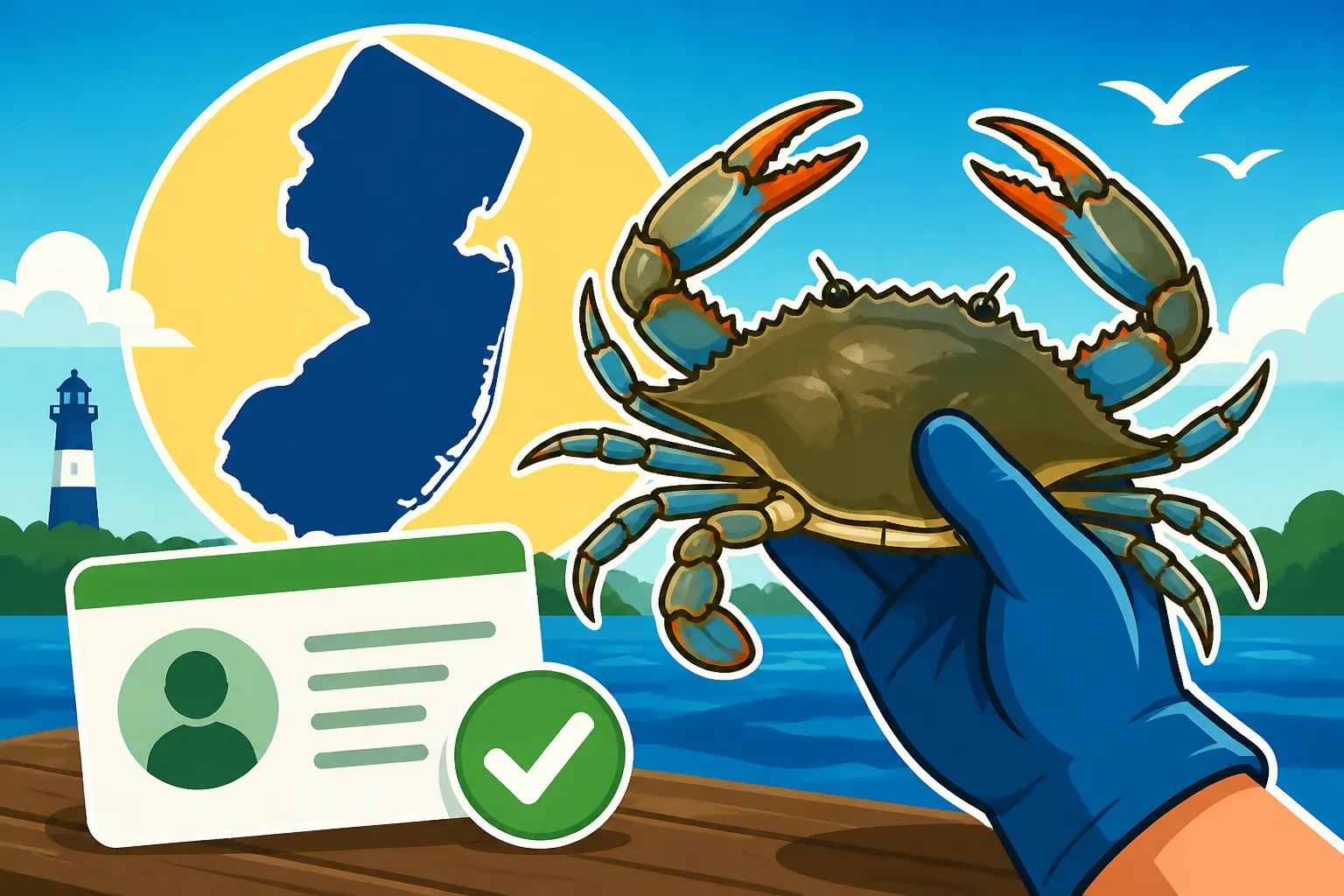
The short answer for most recreational crabbers in New Jersey is a resounding no, you do not need a specific crabbing license. This comes as a pleasant surprise to many, especially compared to the various fishing licenses required for finfish. However, like most things in life, there are always nuances and specific regulations you absolutely need to understand to stay on the right side of the law.
Recreational Crabbing: The Good News
For the vast majority of us who just want to spend a sunny afternoon with friends or family, dropping a few crab pots or using hand lines, the New Jersey Department of Environmental Protection (NJDEP) Division of Fish and Wildlife has made it relatively simple. You can absolutely enjoy recreational crabbing in New Jersey's abundant tidal waters without purchasing a dedicated crabbing license. This applies to popular methods like using hand lines, dip nets, and even a limited number of crab pots or trotlines. It’s a wonderful way to introduce kids to the joys of harvesting from the ocean or bays, making it one of the most accessible forms of outdoor recreation along the Jersey Shore.
This means you don't need to worry about a separate permit just for chasing those tasty blue claws. While you might need to understand the nuances of a New Jersey Fishing License Guide for 2026 if you're targeting finfish, crabbing operates under a different set of rules entirely. The freedom to crab without a license makes it a spontaneous and enjoyable activity, whether you're vacationing down the shore or just looking for a local adventure.
When a Crabbing License Is Required
While recreational crabbing is largely license-free, there are specific situations where a license or permit becomes mandatory. These usually pertain to more intensive methods or commercial operations. If you're planning on selling your catch, or if you intend to use gear far beyond what's considered recreational, you'll definitely need to delve into the commercial licensing requirements, which are much more stringent and involve different permits.
Additionally, certain specialized gear or an excessive number of pots might push you out of the recreational category. The state is keen to regulate commercial harvesting to ensure sustainability, so the distinction is very important. Always remember that while a freshwater license and saltwater registry are separate considerations for anglers, crabbing generally falls outside these specific requirements for recreational purposes, focusing instead on gear and catch limits.
Understanding New Jersey's Recreational Crabbing Regulations
Even without a license, it's crucial to understand and adhere to the specific regulations governing recreational crabbing in New Jersey. These rules are in place to ensure the sustainability of the blue crab population and to maintain fair access for everyone. Ignoring them can lead to fines and a ruined day on the water.
Legal Crabbing Methods and Gear Limits
New Jersey is quite specific about the types of gear you can use and how much of it. For recreational crabbers, the most common and widely accepted methods include:
- Hand Lines and Dip Nets: These are perhaps the simplest and most accessible methods, perfect for families. You can use an unlimited number of hand lines (just a line with bait attached) and dip nets (used to scoop crabs once they grab the bait).
- Ring Nets: These are circular nets that lie flat on the bottom, with bait in the middle. When pulled up, the sides collapse, trapping the crab. Recreational crabbers are typically allowed to use up to two (2) ring nets per person.
- Trotlines: A trotline is a long line with bait attached at intervals, laid out on the bottom. While commonly associated with commercial crabbing, recreational users can use a trotline up to 150 feet in length.
- Crab Pots/Traps: These are cage-like traps designed to catch crabs. For recreational use, you are limited to two (2) pots per person. It's absolutely critical that any crab pots you deploy are clearly marked with your name and address, or a unique identification number if provided by the state. This helps enforcement officers identify responsible gear and differentiate recreational from commercial setups.
It's important to stick to these limits. Exceeding them, even if unintentionally, could be seen as trying to engage in commercial activity without the proper permits, leading to a much more serious infraction. When purchasing your crabbing gear, whether it's simple hand lines or more robust crab pots, retailers like Amazon offer a wide range of options that comply with these regulations. Always double-check product descriptions to ensure they fit New Jersey's specific guidelines.
Daily Bag Limits and Size Restrictions
Unlike many finfish species where you need to keep a close eye on your New Jersey Daily Bag Limits by Species, the good news for recreational blue claw crabbers in New Jersey is that there is generally no daily bag limit. This means you can keep all the legal-sized crabs you catch, as long as you're not exceeding commercial thresholds or intending to sell them.
However, size restrictions are strictly enforced and are crucial for conservation:
- Hard Crabs: Any hard-shelled blue crab you keep must measure at least 4 ½ inches from point to point across the carapace (the widest part of the back shell). This is an essential rule to ensure crabs have had a chance to reproduce before being harvested.
- Soft Crabs and Shedders: These are crabs that have recently shed their hard shell or are about to. They are a delicacy but have a smaller minimum size limit of 3 ½ inches from point to point.
- Sponge Crabs (Females with Eggs): It is illegal to possess a female blue crab bearing eggs, often referred to as a "sponge crab" because of the yellowish-orange egg mass carried under their abdomen. These crabs are vital for the next generation, so if you catch one, you must release her unharmed immediately.
Understanding these size and possession limits is just as important as knowing you don't need a license. It directly impacts the health of the blue crab fishery. Fines for keeping undersized crabs or sponge crabs can be substantial, so always carry a measuring device and know what to look for. For a deeper dive into how limits work across various species, you might want to read up on How Bag and Size Limits Work in New Jersey.
Here's a quick reference table for recreational crabbing regulations:
| Aspect | Recreational Crabbing | Commercial Crabbing (for context) |
|---|---|---|
| License Needed? | No specific crabbing license | Yes, various licenses and permits are required |
| Hand Lines | Unlimited | Limited by commercial permit type |
| Dip Nets | Unlimited | Limited by commercial permit type |
| Ring Nets | Up to 2 per person | Regulated by commercial permits |
| Crab Pots/Traps | Up to 2 per person (must be marked) | Many more allowed, strictly regulated, specific marking rules |
| Trotlines | Up to 150 feet | Much longer, regulated by commercial permits |
| Daily Bag Limit | Generally no daily limit for blue claw crabs | Strict daily and seasonal limits |
| Hard Crab Size | Minimum 4.5 inches (point to point) | Minimum 4.5 inches (point to point) |
| Soft Crab Size | Minimum 3.5 inches (point to point) | Minimum 3.5 inches (point to point) |
| Sponge Crabs | Illegal to possess (release immediately) | Illegal to possess (release immediately) |
| Purpose | Personal consumption, recreation | Sale and profit |
Important Crabbing Practices and Safety Tips
Beyond the legalities, there are best practices and safety measures that every crabber should embrace. These not only make your crabbing experience more enjoyable but also contribute to the long-term health of New Jersey's aquatic ecosystems.
Responsible Crabbing: Protecting the Resource
Our waterways are a precious resource, and responsible crabbing ensures that future generations can enjoy it just as much as we do. Here are some key principles:
- Catch and Release of Undersized Crabs: Always, always measure your crabs. If a crab is even slightly under the legal limit, gently release it back into the water. Handle them with care to minimize stress, avoiding excessive squeezing or dropping.
- Releasing Sponge Crabs: As mentioned, female crabs carrying eggs are absolutely off-limits. Their role in reproduction is critical. Learn to identify them – the egg mass is usually quite visible under their tail flap. Releasing them promptly and carefully is a testament to responsible crabbing.
- Handling Crabs Safely: Blue claw crabs have powerful claws that can deliver a painful pinch. Always handle them from the back, gripping the carapace just above the back swimming legs. Using a sturdy pair of gloves, especially when handling multiple crabs or larger specimens, is highly recommended. Many anglers find durable, waterproof gloves sold on Amazon to be invaluable for this.
- Using Proper Bait: The best bait for crabbing is typically something oily and smelly. Bunker (menhaden), chicken necks, or even fish carcasses are excellent choices. Avoid using raw red meat, as it tends to attract undesirable species and can decay quickly, fouling the water. The guide on Best Bait for Crabbing can offer more specific recommendations.
- Dispose of Bait and Trash Properly: Leftover bait, broken lines, or any trash should never be left in or near the water. Pack out everything you pack in. This protects wildlife and keeps our beautiful New Jersey shores clean for everyone.
Where to Go Crabbing in New Jersey and Other Considerations
New Jersey boasts an incredible coastline with numerous prime crabbing spots. The expansive Barnegat Bay, with its myriad creeks and estuaries, is a perennial favorite. The Delaware Bay also offers excellent crabbing opportunities, especially further south. Other productive areas include tidal rivers and creeks along the coast, such as the Mullica River, Great Bay, and the back bays behind barrier islands like Long Beach Island. Public docks, piers, and bulkheads often provide easy access. However, remember to respect private property signs if you're exploring lesser-known spots.
- Tide Considerations: Blue crabs are heavily influenced by tidal movement. Many experienced crabbers find that the best time to catch blue claw crabs in New Jersey is during an incoming or outgoing tide, as the moving water tends to stir up food and makes crabs more active. Slack tide can be slower.
- Equipment Essentials: Beyond your traps and bait, bring a few key items: a sturdy bucket or cooler to hold your catch (with ice to keep them fresh), a measuring device, durable gloves, and maybe a pair of tongs. A comfortable chair and plenty of water or snacks will make your day more enjoyable.
- Water Quality: While generally safe, it's always wise to be aware of any local water quality advisories that might impact the safety of consuming your catch. Information can usually be found on the NJDEP website.
Common Questions About Crabbing in New Jersey
Crabbing is a fantastic pastime, but new and experienced enthusiasts alike often have lingering questions about the activity, from involving children to the consequences of non-compliance.
Crabbing with Kids and Family Fun
One of the most wonderful aspects of crabbing in New Jersey is how incredibly family-friendly it is. It's an activity that doesn't require complex gear or advanced techniques, making it perfect for introducing children to the outdoors and the aquatic world.
- Is it kid-friendly? Absolutely! Simple hand lines with a chicken neck tied to the end, or small dip nets, provide endless entertainment for kids. The excitement of slowly pulling up a line to reveal a crab clinging to the bait is unforgettable. It teaches patience, respect for wildlife, and provides a tangible reward.
- Teaching Responsible Crabbing: Crabbing offers a fantastic opportunity to teach children about conservation from a young age. Show them how to measure crabs, explain why sponge crabs need to be released, and emphasize the importance of not littering. These lessons stick with them.
- Creating Family Memories: From the scramble to net a crab off the line to the shared feast of steamed blue crabs, crabbing creates lasting memories. It's an active, engaging way to bond outdoors.
For more hands-on advice, you might find articles like How to Trap Blue Claw Crabs From a Dock particularly useful, as many public docks are perfect for family crabbing excursions.
Enforcement and Penalties
While recreational crabbing is license-free, the regulations around gear, size, and possession are taken seriously by New Jersey's authorities.
- Who Enforces Crabbing Regulations? The primary enforcement agency is the New Jersey Conservation Police. These officers patrol waterways, check recreational and commercial vessels, and ensure compliance with all fishing and crabbing laws. Just like with fishing, they can and will perform checks on crabbers. Understanding the role of the New Jersey Conservation Police and License Checks is beneficial for any angler or crabber.
- What Happens If You Violate Rules? Getting caught with undersized crabs, keeping sponge crabs, or exceeding gear limits can result in significant fines. The exact penalty can vary depending on the severity and nature of the violation, but it's rarely a cheap mistake. Conservation Police are generally fair but firm; ignorance of the law is not an excuse. It's always better to err on the side of caution.
- Why It's Important to Know the Rules: Beyond avoiding penalties, understanding and following the rules is about being a good steward of New Jersey's natural resources. The blue crab fishery is a vital part of our ecosystem and economy, and responsible recreational practices help ensure its health for years to come. Staying informed, perhaps by occasionally reviewing the New Jersey Fish and Wildlife Digest, is always a good idea.
Disclaimer
The information provided in this guide is for general informational purposes only and is not intended as legal advice. Fishing and crabbing regulations in New Jersey can change. Always consult the most current regulations issued by the New Jersey Department of Environmental Protection (NJDEP) Division of Fish and Wildlife before engaging in any crabbing activities.