Free Fishing License Days for New Jersey Residents With Disabilities
It can feel incredibly frustrating when you’re passionate about fishing, but the rules and regulations seem like another barrier, especially when dealing with a disability. Many anglers with disabilities wonder if there are special provisions to make enjoying New Jersey's waters easier and more affordable. This guide is here to untangle the complexities, explaining not only New Jersey's general free fishing days but also the crucial, ongoing license exemptions specifically designed to support residents with disabilities in their angling pursuits.
Beyond Just "Free Days": Comprehensive Fishing License Exemptions for New Jersey Residents with Disabilities
When people hear "free fishing license days," they often think of specific dates on the calendar where everyone can fish without a license. New Jersey certainly has those, and they're fantastic opportunities for anyone to try fishing or enjoy a day on the water without the need for a license. These are usually two specific days each year, often in June and October, and they're open to all residents and non-residents. We have a whole guide dedicated to New Jersey Free Fishing Days Explained if you want to know more about those general opportunities.
However, for New Jersey residents living with disabilities, the provisions go much deeper than just these occasional free days. The state recognizes that a permanent disability shouldn't be a perpetual barrier to enjoying the great outdoors and the serenity of fishing. That's why New Jersey offers ongoing, year-round exemptions from needing a fishing license for certain individuals with qualifying disabilities. This isn't about a temporary reprieve; it's about making fishing a consistently accessible activity. This often means that if you meet specific criteria, you might not need to purchase a freshwater fishing license at all, anytime you decide to cast a line in freshwater. It's a significant difference that provides much-needed relief and encourages participation for a community that might face other hurdles.
Understanding the Broader Picture of Exemptions
It's important to differentiate between the general free fishing days and these specific disability exemptions. The general free days are promotional events, a taste of fishing freedom for everyone. The disability exemptions, on the other hand, are a recognition of a permanent condition, offering sustained access. This means if you qualify, you don't have to plan your fishing trips around those two specific free days. You can go whenever the weather's good, your schedule allows, or the fish are biting! This flexibility is invaluable for many, as planning activities can be more challenging when managing a disability.
New Jersey's approach highlights a commitment to inclusivity, moving beyond just token gestures to provide meaningful, continuous support. It's about ensuring that everyone, regardless of physical challenges, can experience the joy and therapeutic benefits that fishing offers. This framework also complements other programs like the specific provisions for New Jersey Disabled Veteran Fishing License Rules, showing a tiered system of support for different circumstances.
Who Qualifies for a New Jersey Fishing License Exemption Due to Disability?
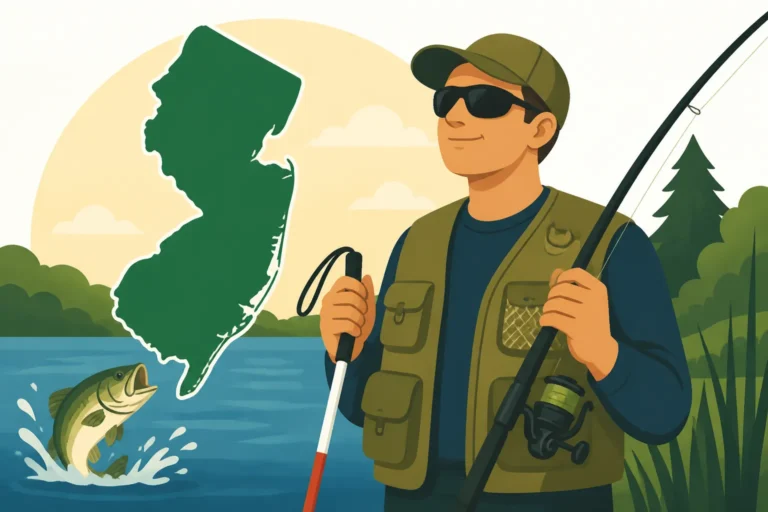
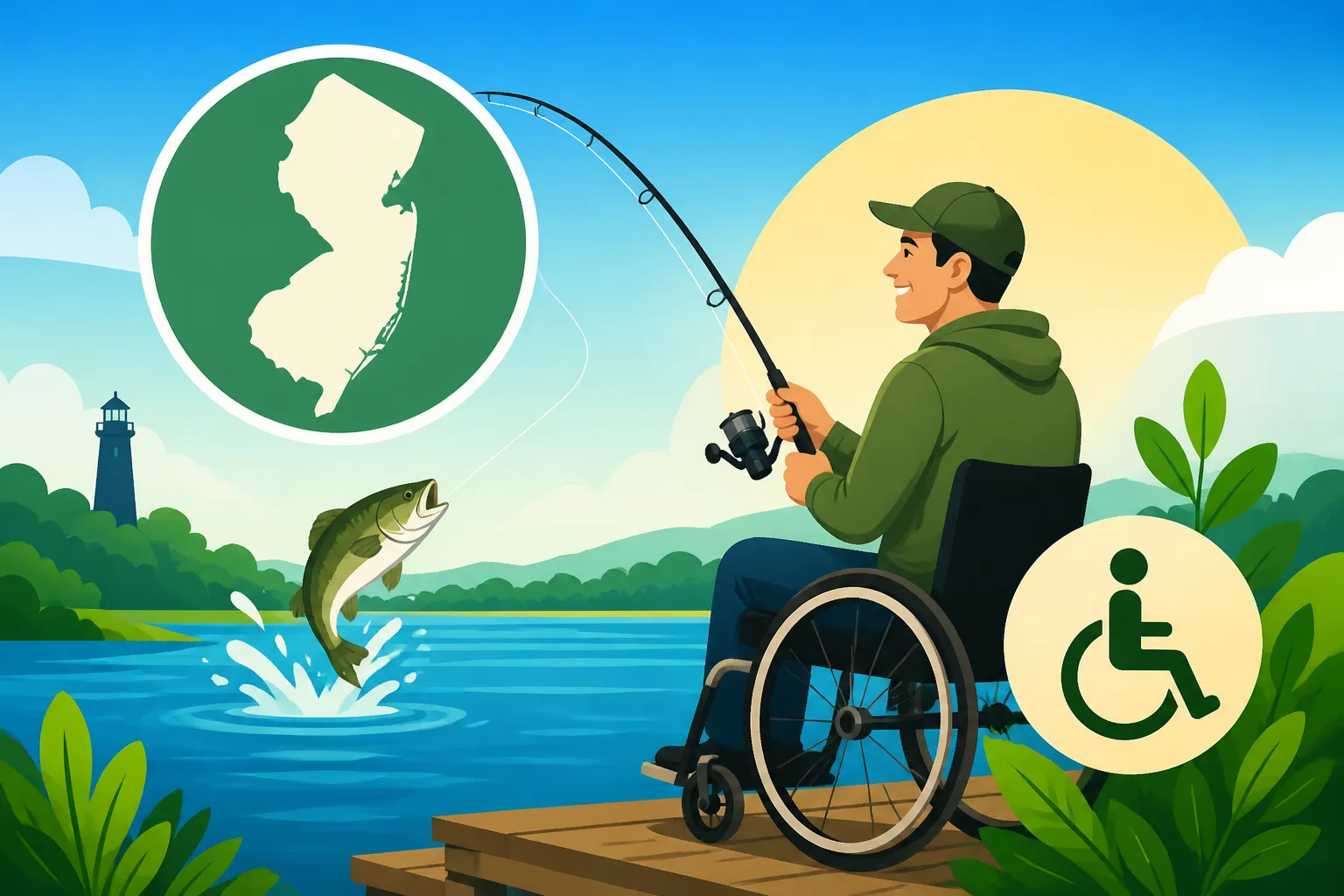
Navigating the specific criteria for disability exemptions can feel like trying to read legal jargon, but it's crucial to understand who qualifies. New Jersey's regulations aim to assist those whose permanent disabilities significantly impact their ability to engage in activities like fishing, or require specialized assistance. The primary qualification for a free freshwater fishing license (which effectively acts as an exemption, meaning you still have a license, but at no cost) typically applies to residents who are permanently disabled and rely on the use of a wheelchair, crutches, or are legally blind.
This isn't an exhaustive list, and the exact wording matters. For example, "legally blind" has a specific definition from a legal standpoint, not just a general visual impairment. Similarly, relying on a wheelchair or crutches implies a significant, permanent mobility impairment. The spirit of these exemptions is to support those with profound physical challenges that necessitate assistive devices for daily mobility. It's not simply about having a condition, but about how that condition permanently impacts physical function.
The Nuances of Permanent Disability for Anglers
Defining "permanent disability" is key here. It means a condition that is not temporary or expected to improve significantly. This distinction ensures the benefit goes to those who genuinely need long-term support. If your disability is temporary, say, a broken leg that will heal, you wouldn't typically qualify for this specific exemption, though you would still be welcome on the general free fishing days. The state is looking to alleviate persistent burdens, not short-term ones.
It's also worth noting that the state sometimes offers specific programs or permits for fishing in certain areas, such as New Jersey State Park Fishing Permit Fees. While these are separate, they can sometimes have additional provisions or considerations for individuals with disabilities, so it's always wise to check local rules for any specific fishing spot you plan to visit. Understanding these nuances helps ensure you're compliant and taking full advantage of all available resources.
Applying for Your New Jersey Fishing License Exemption: A Step-by-Step Guide
The process of applying for a disability-related fishing license exemption in New Jersey might seem daunting, but breaking it down makes it much more manageable. You won't simply be handed a free license; there's a specific application procedure to verify eligibility. This ensures the system is fair and that benefits are distributed appropriately.
Here’s a general overview of the steps involved:
- Obtain the Application: The first step is to get the official application form from the New Jersey Division of Fish and Wildlife. You can usually find this on their website, or by contacting their main office or a regional office. They don't typically hand these out at every local tackle shop like regular licenses.
- Gather Necessary Documentation: This is where you'll need to prove your disability status. You'll likely need a doctor's certification or other medical documentation clearly stating the nature and permanence of your disability, and how it aligns with the state's criteria (e.g., legal blindness, reliance on a wheelchair or crutches). This isn't just a casual note; it needs to be official, often on letterhead, and signed by a licensed medical professional. You might also need proof of New Jersey residency, such as a driver's license or utility bills, similar to what's required for standard licenses where ID Required to Buy a New Jersey Fishing License is a factor.
- Complete the Form Accurately: Fill out the application form entirely and accurately. Double-check all personal information and ensure it matches your supporting documents. Any discrepancies could delay the process.
- Submit Your Application: Once you have the completed form and all supporting documents, you'll submit them to the New Jersey Division of Fish and Wildlife. This is usually done via mail to a specific address, not typically online like a standard license purchase.
- Await Approval: The Division of Fish and Wildlife will review your application. This can take some time, so it's wise to apply well in advance of when you plan to fish. If approved, you will receive your free fishing license or exemption documentation, which you should carry with you whenever you are fishing.
Remember, this exemption typically applies to freshwater fishing. For saltwater fishing, New Jersey operates a separate registration system, the New Jersey Saltwater Registry Explained, which is free for everyone. So, even if you have a freshwater exemption, you'll still need to register for saltwater if you plan to fish in the ocean or bays. It's a simple, quick online process, but it's a separate step that many often overlook.
Important Considerations and Tips
It's vital to remember that these exemptions are specifically for qualifying disabilities as defined by the state. While other groups like seniors (especially those 70 and older, as covered in Fishing License Exemptions for Anglers 70 and Older in New Jersey) might also receive exemptions or discounts, the criteria are distinct. Don't assume one exemption covers another. Always confirm the exact requirements for your specific situation.
Additionally, always carry your exemption documentation or free license with you when fishing, just as you would a regular paid license. New Jersey Conservation Police and License Checks are a real thing, and showing proof of your valid status is essential to avoid any misunderstandings or penalties, which can be severe for fishing without proper authorization as detailed in What Happens If You Get Caught Fishing Without a License in New Jersey?. It's always better to be prepared.
Here's a quick comparison of various license provisions in New Jersey:
| Category | Freshwater License Requirement | Saltwater Registry Requirement | Key Details |
|---|---|---|---|
| General Angler (16-69) | Required (Paid) | Required (Free) | Annual license valid March 1 – February end. |
| Disabled Resident | Exempt (Free, with application) | Required (Free) | For permanently disabled (wheelchair, crutches, legally blind) residents with approved application. |
| Seniors (70+) | Exempt (Free) | Required (Free) | No license needed for residents age 70 and older. |
| Disabled Veteran | Exempt (Free, with application) | Required (Free) | For residents with 100% service-connected disability, with approved application. |
| Youth (Under 16) | Exempt (Free) | Exempt (Free) | No license or registration needed. See New Jersey Fishing License Age Requirements. |
| General Free Fishing Days | Exempt (Free) | Exempt (Free) | Two specific days per year, open to all, no license or registration required for these dates only. |
Making Fishing More Accessible: Gear, Locations, and Community Support
Even with a license exemption, fishing with a disability can still present unique challenges. But don't let those discourage you! The world of fishing has come a long way in terms of accessibility, offering innovative gear and increasingly accessible locations. It's about finding the right tools and spots that work for you.
Adaptive Gear and Equipment
Technology has made huge strides in adaptive fishing equipment, allowing anglers with limited mobility, dexterity, or vision to enjoy the sport. You don't have to jury-rig solutions anymore. Many companies are creating purpose-built items that can make a real difference. For instance, there are rod holders that can be mounted to wheelchairs or boats, allowing hands-free fishing. Some specialized reels feature oversized handles or electronic controls for easier operation. Even simple things like casting aids, modified grip handles, or voice-activated fish finders can enhance the experience.
It's worth exploring what's out there. A quick search on platforms like Amazon will reveal a surprising array of adaptive fishing gear, from easy-grip tools to specialized casting devices. Don't be afraid to experiment with different setups. What works for one person might not work for another, so be patient and find what fits your specific needs. Sometimes, even modifying existing gear with something as simple as a larger handle or a custom brace can make all the difference. For those new to the sport, checking out guides on Best New Jersey Fishing Gear for Beginners can also help identify basic equipment that can then be adapted.
Accessible Fishing Locations
New Jersey boasts a wealth of fishing spots, and many are becoming more accessible. When planning your trip, look for locations with paved paths, accessible piers or docks, and accessible restrooms. State parks, county parks, and even some municipal areas are investing in infrastructure to make their facilities usable for everyone. Places like Island Beach State Park, while known for surf fishing (which can be challenging for some), does have some accessible amenities, and many other freshwater lakes and reservoirs across the state offer accessible docks.
A great starting point is to check the New Jersey Department of Environmental Protection (NJDEP) website or call specific parks and reservoirs. They often list accessibility features for their various locations. Also, don't overlook community fishing ponds, which are often designed with easy bank access in mind. Many of the Best Places to Fish in New Jersey are working towards better accessibility, so research before you go is key. Always call ahead to confirm the current conditions and accessibility features, as things like ramp conditions or dock repairs can change.
Community and Support Networks
You are absolutely not alone on this journey. There are fantastic organizations dedicated to making outdoor activities, including fishing, accessible for people with disabilities. Groups like "Physically Challenged Anglers of America" or local adaptive sports organizations often host events, provide resources, and connect anglers facing similar challenges. These communities are incredible sources of information, tips, and companionship. They can help you find accessible spots, recommend adaptive gear, or even just offer encouragement and share experiences.
Connecting with fellow anglers, whether online or through local clubs, can transform your fishing experience. They can share insights on how to handle different conditions, suggest specific products available on Amazon, or just be a friendly face on the water. Fishing is a sport that thrives on shared experiences, and finding your community can make it even more rewarding.
Disclaimer
The information provided in this guide is for general informational purposes only and is subject to change. While we strive to provide accurate and up-to-date information, fishing regulations and exemption criteria can be modified by the New Jersey Division of Fish and Wildlife. It is always the angler's responsibility to consult the most current New Jersey Fish and Wildlife Digest or visit the official NJDEP website before fishing to ensure compliance with all applicable laws and regulations.