New Jersey Fishing License Cost for Nonprofit Youth Programs
Many wonderful nonprofit youth programs in New Jersey want nothing more than to share the joy of fishing with eager young minds. However, they often find themselves tangled in a web of questions about licenses – specifically, the costs. It can feel really daunting trying to figure out if every single child needs a license, what type, and how much it will all add up to, potentially eating into precious program funds. This guide is here to untangle that knot, breaking down the specific rules and associated costs for nonprofit youth programs in New Jersey, ensuring your organization can introduce kids to fishing smoothly, compliantly, and affordably, without any unexpected financial surprises.
Understanding New Jersey's Youth Fishing License Landscape
Getting kids involved in fishing is a fantastic way to foster an appreciation for nature, teach patience, and develop new skills. Thankfully, New Jersey's regulations often make it quite accessible for younger anglers, but there are nuances when it comes to organized group activities.
General Rules for Kids and Licensing
Let's start with the good news: for the most part, kids don't need to carry a fishing license in New Jersey. Specifically, any child under the age of 16 is exempt from needing a freshwater fishing license or from registering for the saltwater registry. This is a huge relief for many programs, as it means you don't need to worry about individual permits for your youngest participants. The idea behind this exemption is simple: New Jersey wants to encourage youth participation in outdoor activities and reduce any potential barriers to entry for families and youth organizations.
While the kids themselves don't need a license, it's really important to remember that any adult (age 16 and older) who is actively fishing alongside them or simply casting a line at the same time, will need their own valid New Jersey fishing license. This often applies to the adult leaders or chaperones of your program. It's a common oversight, so keep this in mind. For more detailed information on age requirements, you might want to check out our guide on New Jersey Fishing License Age Requirements.
The Specifics for Nonprofit Youth Programs
Now, this is where your nonprofit status can really shine and potentially save you and your program a lot of hassle and money. While the individual under-16 exemption covers many scenarios, a formal program running a structured event might have additional considerations, especially if you have older teens (age 16 and up) participating, or if you're seeking a more official blessing for your outing.
The New Jersey Department of Environmental Protection (NJDEP) Fish & Wildlife is generally very supportive of youth outreach. They understand the immense value of getting kids outdoors and connected with fishing. Because of this, they often have specific provisions, waivers, or even free group permits designed for bona fide nonprofit youth organizations. The key here isn't necessarily about each child needing an individual license, but rather the program itself securing the right kind of authorization to cover its participants. These special considerations are typically extended to educational, conservation-focused, or purely recreational events organized for youth, distinguishing them from commercial guiding operations. It means that for a registered nonprofit, the path to a license-free (or low-cost) outing for a group of kids is often through an application for a group exemption or special permit. To learn more about these options, take a look at our article on New Jersey Youth Fishing Programs and License Waivers.
Eligibility and Application Process for Nonprofit Youth Programs
Navigating the specifics for group permits might seem a bit daunting, but it's often more straightforward than you'd expect. The key is understanding what the state needs from you and then following the proper channels.
What Qualifies as a "Nonprofit Youth Program"?
When applying for special fishing waivers or group permits, the NJDEP Fish & Wildlife looks for legitimate, recognized organizations. This typically means:
- Official Nonprofit Status: You'll generally need to demonstrate official nonprofit status, such as a 501(c)(3) designation from the IRS, or similar official recognition from the state. Simply being a community group isn't always enough; formal documentation is often a requirement to qualify for these special considerations.
- Clear Mission: Your program should have a clear mission focused on youth development, education, conservation, or safe recreational activities for minors. This helps assure the state that the program aligns with their goals of promoting responsible outdoor ethics.
- Supervised Activities: The fishing activities must be supervised by responsible adults who are part of the program. This ensures safety and adherence to regulations.
Good examples of programs that typically qualify include organizations like the Boy Scouts of America, Girl Scouts, local YMCA or YWCA branches, Boys & Girls Clubs, church youth groups, school-sponsored outdoor clubs, and established environmental education centers. If you represent such an organization, you're likely in a strong position to apply for these benefits.
Step-by-Step Application for Special Waivers or Group Licenses
For nonprofit youth programs looking to minimize or eliminate individual license costs for all participants (especially those 16 and older who would normally require a license), the primary route is to apply for a Group Fishing Permit or Waiver through the NJDEP Fish & Wildlife. Here’s a general roadmap for how to approach this:
- Initial Contact: Your first and best step is to directly contact the appropriate division within NJDEP Fish & Wildlife. For freshwater fishing events, you'll want to reach out to the Bureau of Freshwater Fisheries. For saltwater events, the Bureau of Marine Fisheries is your contact. They are the authoritative source for the most current requirements and application forms. Their contact information can usually be found on the official NJ Fish & Wildlife website.
- State Your Intent Clearly: When you make contact, be prepared to clearly explain your program's mission, the number of participants you expect, their age range, the proposed dates of your fishing event, and the specific locations (e.g., Lake Hopatcong, Delaware River, Barnegat Bay). The more detail you provide, the easier it will be for them to guide you.
- Provide Documentation: Have your official nonprofit status documentation ready to submit. This is usually the first thing they'll ask for to verify your eligibility.
- Understand the Conditions: Be aware that these group waivers or permits often come with specific conditions. These might include requirements for adult-to-child supervision ratios, adherence to catch-and-release rules for certain species, or the inclusion of an educational component in your program. It's crucial to understand and agree to these conditions before proceeding.
- Submit Formal Application: Once you've had your initial discussions and gathered all necessary information, you'll typically be directed to a formal application form. Fill this out thoroughly and submit it well in advance of your planned event. These applications can take time to process, so early planning is absolutely essential to avoid last-minute scrambling.
Sometimes, the simplest path for many programs is to plan their fishing events to coincide with New Jersey's designated Free Fishing Days. On these special days, no license is required for anyone, regardless of age or residency. This can be a fantastic, cost-free option for your youth group, bypassing the need for individual licenses or complex group waivers altogether. We have a great resource on New Jersey Free Fishing Days Explained that can help you plan.
Cost Breakdown and Potential Exemptions for Group Fishing
While the goal is often to minimize or eliminate costs for youth participants, it's important to understand where expenses might still arise and how to navigate them effectively.
When a License Might Still Be Required (and Its Cost)
Even with the generous youth exemptions and potential group waivers, there are still specific scenarios where a fishing license or registration is mandatory. Being aware of these will help your nonprofit program budget and plan accurately:
- Adult Leaders and Chaperones: This is perhaps the most common requirement. Any adult (age 16 and older) actively participating in the fishing – meaning they are casting a line, retrieving, or otherwise engaging in the act of fishing – must possess a valid New Jersey fishing license. Even if their primary role is supervision, if they pick up a rod, they need a license. It’s always safer for supervising adults to have one, especially if they are demonstrating techniques.
- Older Youth Participants (Age 16+): If your program includes teenagers who are 16 years old or older, and you haven't secured a specific group waiver that covers them, or if your activity falls outside the scope of such a waiver, these individuals will need to purchase their own fishing licenses.
- Specific Species or Waters: While rare for general youth programs, extremely specialized fishing trips might have unique requirements. For instance, if your program specifically targets trout in waters designated as "Trout Stocked Waters" during certain seasons, a trout stamp might be required for those needing a license, in addition to the base freshwater license. See New Jersey Trout Stamp Requirements Explained for details.
To help you understand potential costs, here’s a breakdown of the typical annual license fees for those who do need them:
| License Type | Resident Annual Cost (Approx. 2026) | Nonresident Annual Cost (Approx. 2026) |
|---|---|---|
| Freshwater Fishing License | $22.50 | $40.00 |
| Trout Stamp (if applicable) | $10.50 | $10.50 |
| Saltwater Registry | FREE | FREE |
(Note: Costs are approximate and subject to change. Always check the official NJDEP Fish & Wildlife website for the most current fees.)
You can find more detailed information on specific costs in our article, New Jersey Fishing License Cost 2026. Remember that for leaders who are residents, the New Jersey Resident Fishing License Requirements will apply.
Maximizing Free Fishing Opportunities for Youth Groups
Leveraging existing programs and specific days can significantly reduce or even eliminate license costs for your nonprofit youth program.
- New Jersey's Free Fishing Days: This is hands-down the easiest and most cost-effective solution for many programs. New Jersey typically designates two Free Fishing Days each year – usually a Saturday in June and another in October. On these specific dates, no fishing license or trout stamp is required for anyone, resident or non-resident, to fish in the freshwaters of the state. While saltwater registry is still technically required for those 16 and older in marine waters, the spirit of these days extends to encouraging all types of fishing. Planning your youth fishing event on one of these days completely bypasses the need for licenses for all participants, including adult leaders. It’s a fantastic way to ensure everyone can focus purely on the joy of fishing. To confirm dates, always check the official New Jersey's Two Free Fishing Days listing. You might also wonder, Do You Need a License on New Jersey's Free Fishing Days?.
- NJDEP Youth Fishing Programs: The NJDEP Fish & Wildlife, along with various county and local conservation organizations, often host their own free youth fishing events. These events typically have pre-arranged license waivers for all participants, and sometimes even cover licenses for accompanying adults under the umbrella of the event. Connecting with these existing initiatives can be a great way to offer fishing experiences without any license costs to your program. They often provide gear and instruction too!
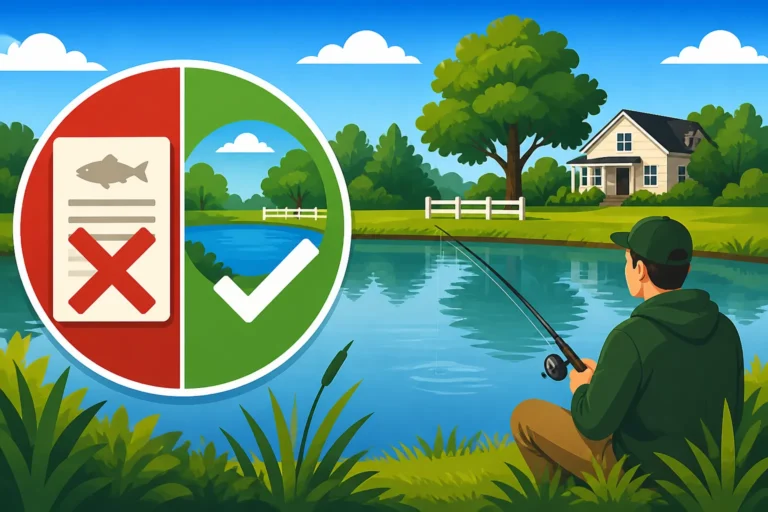
- Fishing on Private Ponds: If your nonprofit youth program has access to a truly private pond or lake that is entirely contained on private property and has no inlet or outlet to public waterways, state fishing licenses might not be required. However, this is a nuanced area, and it's absolutely crucial to confirm this with the property owner and, ideally, cross-reference with NJDEP Fish & Wildlife to be certain. Most fishing spots, even seemingly secluded ones, have some connection to public waters, making state regulations applicable. When in doubt, assume a license is needed or seek clarification. We touch on this in Can I Fish a Private Pond in New Jersey Without a State License?.
- Saltwater Registry – It's Free! While distinct from a freshwater fishing license, don't forget the New Jersey Saltwater Registry. If your program plans to fish in marine waters (bays, ocean, tidal rivers), any participant aged 16 or older (including adult leaders) must register. The good news is that The New Jersey Saltwater Registry Is Free to Join, so it won't add to your program's costs, but it is a mandatory administrative step. You can easily complete the registration online by following instructions in How to Register for New Jersey's Saltwater Registry Program.
Beyond the License: Other Important Considerations for Youth Fishing Events
Getting the license situation sorted is a big step, but a successful and safe youth fishing event involves a few more crucial elements. Planning for these will ensure a positive and memorable experience for everyone.
Essential Gear and Safety for Group Outings
When you're taking a group of kids fishing, having the right gear and prioritizing safety are paramount. You want them to have fun, not get frustrated or, worse, hurt.
- Rods and Reels: For youth programs, simplicity and durability are key. Investing in a set of inexpensive but robust spinning rod and reel combos is highly recommended. Look for combos that are pre-spooled with line and easy for small hands to operate. Brands like Ugly Stik or even basic starter kits found on Amazon are excellent choices for beginners. These combos often include some basic tackle to get started. Aim for lighter action rods, typically 5-6 feet in length, which are easier for kids to handle for panfish, trout, or small bass.
- Basic Tackle Box Essentials: You don't need a huge, fancy tackle box. A small, organized box with the basics will do:
- Hooks: Sizes 6, 8, and 10 are versatile for panfish and trout. Consider circle hooks for easier hook removal and less harm to fish.
- Sinkers: A variety of split shots and small egg sinkers will cover most situations.
- Bobbers: Small, easy-to-see bobbers are fantastic for visual strike detection and maintaining bait depth.
- Line Clippers: Small scissors or nail clippers are essential for tying knots.
- Pliers/De-hooker: Crucial for safely removing hooks from fish, especially if you plan on catch and release.
- Bait: Live bait is often the most effective and exciting for kids. Worms (nightcrawlers, red worms) are universal and relatively mess-free. Minnows can be great for larger panfish or bass. Artificial baits like PowerBait (for trout) or small jigs (for panfish) are also good, but nothing beats the excitement of a wiggling worm for a beginner.
- Safety Gear and Comfort:
- Life Vests: If fishing from a boat, kayak, or near deep/fast-moving water, life vests are non-negotiable. Ensure you have properly sized vests for all participants.
- First-Aid Kit: A well-stocked first-aid kit is essential for minor cuts, scrapes, and splinters.
- Sun Protection: Sunscreen, hats, and sunglasses are vital, even on cloudy days.
- Hydration: Bring plenty of water to keep everyone hydrated.
- Appropriate Clothing: Advise participants to wear layers and clothes suitable for the weather, including rain gear if there's a chance of precipitation.
- Adult Supervision: Emphasize maintaining adequate adult-to-child ratios. This isn't just about safety, but also about providing proper instruction and assistance.
You can find more suggestions for starting anglers in our guide to Best New Jersey Fishing Gear for Beginners.
Navigating Regulations for Specific Fish Species
Even when your youth program benefits from license exemptions or free fishing days, it's critical to remember that all other fishing regulations still apply. This includes bag limits, size limits, and specific season dates for various species. This is a perfect opportunity to teach young anglers about responsible stewardship and conservation.
- Bag and Size Limits: Just because kids are fishing for free doesn't mean they can keep every fish they catch, or fish that are undersized. For example, striped bass in New Jersey have a very specific slot limit, and fluke (summer flounder) have a minimum size. These limits are designed to protect fish populations and ensure healthy fisheries for the future. Always check the current New Jersey Fish and Wildlife Digest for the most up-to-date regulations. Our article How Bag and Size Limits Work in New Jersey can provide a good overview.
- Protected Species and Seasons: Some species might be entirely catch-and-release only, or have very specific open seasons. For instance, winter flounder populations have faced challenges, leading to stricter regulations. Be aware of these rules for the specific waters you'll be fishing.
- Ethical Catch and Release: If your program emphasizes catch and release, teach proper fish handling techniques. Wet hands, minimizing time out of water, and using de-hookers are all important lessons.
- The New Jersey Fish and Wildlife Digest: This is your bible! The official New Jersey Fish and Wildlife Digest is published annually and is available online through the NJDEP website, or in print at most bait and tackle shops and license vendors. Program leaders must consult the most current digest before every outing to ensure compliance. Regulations can change year to year, especially for popular species like striped bass or fluke. Familiarize yourself with Reading the New Jersey Fish and Wildlife Digest to know what to look for.
By paying attention to these details, your nonprofit youth program can provide a fun, educational, and fully compliant fishing experience for the next generation of New Jersey anglers, fostering a lifelong love for the outdoors.
Disclaimer
The information provided in this guide is for general informational purposes only and is subject to change. While we strive to provide accurate and up-to-date content, fishing regulations, license costs, and program requirements are determined by the New Jersey Department of Environmental Protection (NJDEP) Fish & Wildlife and can be amended at any time. It is crucial for all anglers and program organizers to consult the official NJDEP Fish & Wildlife website or the current year's New Jersey Fish and Wildlife Digest directly before planning any fishing activity to ensure full compliance with all state laws and regulations.