New Jersey Fishing License Digital Copy vs Printed Copy
It’s a common frustration for many New Jersey anglers: you’ve gone through the process of getting your fishing license, whether it's for freshwater or if you’ve also sorted your New Jersey Saltwater Registry Explained, but now you're left wondering about the best way to carry it. Do you really need to carry a paper copy that’s going to get soggy and torn, or is that shiny digital version on your phone perfectly acceptable? This guide will dive deep into the nuances of New Jersey's regulations regarding fishing license formats, helping you understand what's required and what's simply practical when you're out on the water.
The Evolution of New Jersey Fishing Licenses
For decades, the idea of a fishing license was synonymous with a small, often fragile piece of paper that you meticulously folded into your wallet or tucked into a tackle box. It was a tangible proof, a physical representation of your compliance. But as technology has advanced, so too have the options for how we manage our official documents, and fishing licenses are no exception. New Jersey has adapted, but understanding the shift and its implications is key for every angler.
The Traditional Printed Copy and Its Reliability
There's a certain old-school charm, and frankly, a reliable practicality, to having a physical, printed copy of your New Jersey fishing license. Before the digital age fully took hold, this was the only way to carry proof, and it still holds significant weight with conservation officers in the field. Think about it: no battery issues, no glare on a screen, no fumbling for service in a remote area. A crisp printout, perhaps laminated, is undeniably robust against technological hiccups. Many experienced anglers, myself included, have a ritual of printing their license as soon as they get it online, maybe even tucking a spare copy into their glove compartment or a waterproof bag. It’s peace of mind, knowing that if your phone decides to take an unplanned swim or run out of juice, you still have verifiable proof that you're legal to fish.
This reliability extends beyond just convenience. When a New Jersey Conservation Police Officer approaches you on the water or bank, they often expect immediate, clear access to your license information. A printed copy, especially one you've kept in good condition, makes that exchange quick and seamless. You hand it over, they glance at the dates and details, and you're usually good to go. There’s no waiting for a PDF to load, no squinting at a small screen in bright sunlight, which can sometimes lead to misunderstandings or delays. For some, the act of printing and signing their license is part of the pre-fishing ritual, grounding them in the tradition of the sport. It's a method that has worked for generations, and many still swear by it for its sheer simplicity and dependability.
The Rise of Digital Licensing for Convenience
The digital age has brought a new level of convenience to almost every aspect of our lives, and fishing licenses are no exception. The ability to purchase your New Jersey fishing license online and have immediate digital proof sent to your email or accessible through a state portal has revolutionized how many anglers approach compliance. Instead of waiting for mail or visiting a vendor, you can complete the entire process from your couch, often just minutes before heading out to the lake or bay. This immediacy is a huge draw, especially for those spontaneous trips. Plus, it means one less piece of paper to worry about losing, at least in theory.
Having your license on your smartphone or another device offers unparalleled portability. Most of us carry our phones everywhere, so adding a digital license to your wallet app or as a readily accessible PDF means you're almost always covered. This eliminates the worry of forgetting your physical license at home, a common mishap that can lead to significant headaches if you encounter a conservation officer. Imagine being able to flash your license with the same ease you might show your digital car insurance card. Many people even buy waterproof phone cases from sites like Amazon specifically to keep their device safe while on the water, making the digital license even more practical. It's a modern solution for a modern world, designed to streamline the process and make fishing accessible with minimal fuss.
Understanding New Jersey's Stance on Digital Licenses
While the digital convenience is appealing, it’s crucial to understand what New Jersey’s regulations actually say about carrying proof of your fishing license. It's not always as simple as just having it on your phone; there are specific requirements and practical considerations that can make a big difference if you're ever asked to present your license by law enforcement. Ignorance of the law is never an excuse, so let's clarify what's expected of you.
Legal Requirements for Carrying Proof of License
New Jersey law is pretty clear on the matter of carrying proof of your fishing license. When you’re engaged in fishing activities, whether freshwater or saltwater (if registered), you are required to have your valid license or proof of registration on your person and exhibit it when requested by a Conservation Police Officer or any other authorized law enforcement official. Now, the good news for the modern angler is that the New Jersey Division of Fish and Wildlife has indeed embraced digital proof. This means that a legible image of your license displayed on a smartphone or other electronic device is generally considered acceptable. You can find detailed information about these expectations in the annual Reading the New Jersey Fish and Wildlife Digest.
However, "generally acceptable" doesn't mean without caveats. While a digital copy is legal, it still needs to be readily accessible and viewable. This isn't just about having it on your phone; it's about being able to show it. If your phone battery is dead, your screen is cracked beyond recognition, or you're in an area with no service and the document isn't downloaded, then your digital copy becomes useless. A common misconception is that if you bought it, you're fine. But the critical part is displaying it. This is why some anglers still prefer a physical backup, just in case their tech fails at the most inconvenient moment. Remember, if you can't present proof, it can be treated similarly to What Happens If You Get Caught Fishing Without a License in New Jersey?, potentially leading to penalties.
Practicalities of Showing Your License in the Field
Beyond the strict legal definitions, there are significant practicalities to consider when relying solely on a digital copy of your fishing license in the field. Picture this: you're out on a remote trout stream in northern New Jersey, maybe near the Pequest River, enjoying a peaceful day. Suddenly, a Conservation Police Officer approaches. You reach for your phone, but your hands are wet, you’re fumbling with gloves, and the sun is glinting off the screen, making it hard to see. Or worse, your phone, which you usually rely on, has just conked out because it got cold or you forgot to charge it overnight. These aren't far-fetched scenarios; they're everyday realities for anglers.
A digital copy is only as good as the device it's on and the conditions you're in. If you're fishing offshore on a party boat out of Belmar, a spray of saltwater could temporarily render your phone unusable. If you’re deep in the woods, service might be nonexistent, preventing you from accessing a cloud-stored license. Officers are generally understanding, but their job is to enforce regulations, and if you can't immediately produce your license in a clear, legible format, it can become a problem. This is why many experienced anglers carry both – a digital copy on their phone for convenience, and a laminated paper copy tucked away securely as a failsafe. It’s all about minimizing potential friction and making your interaction with law enforcement as smooth as possible, ensuring you can quickly get back to fishing.
Pros and Cons of Each License Format
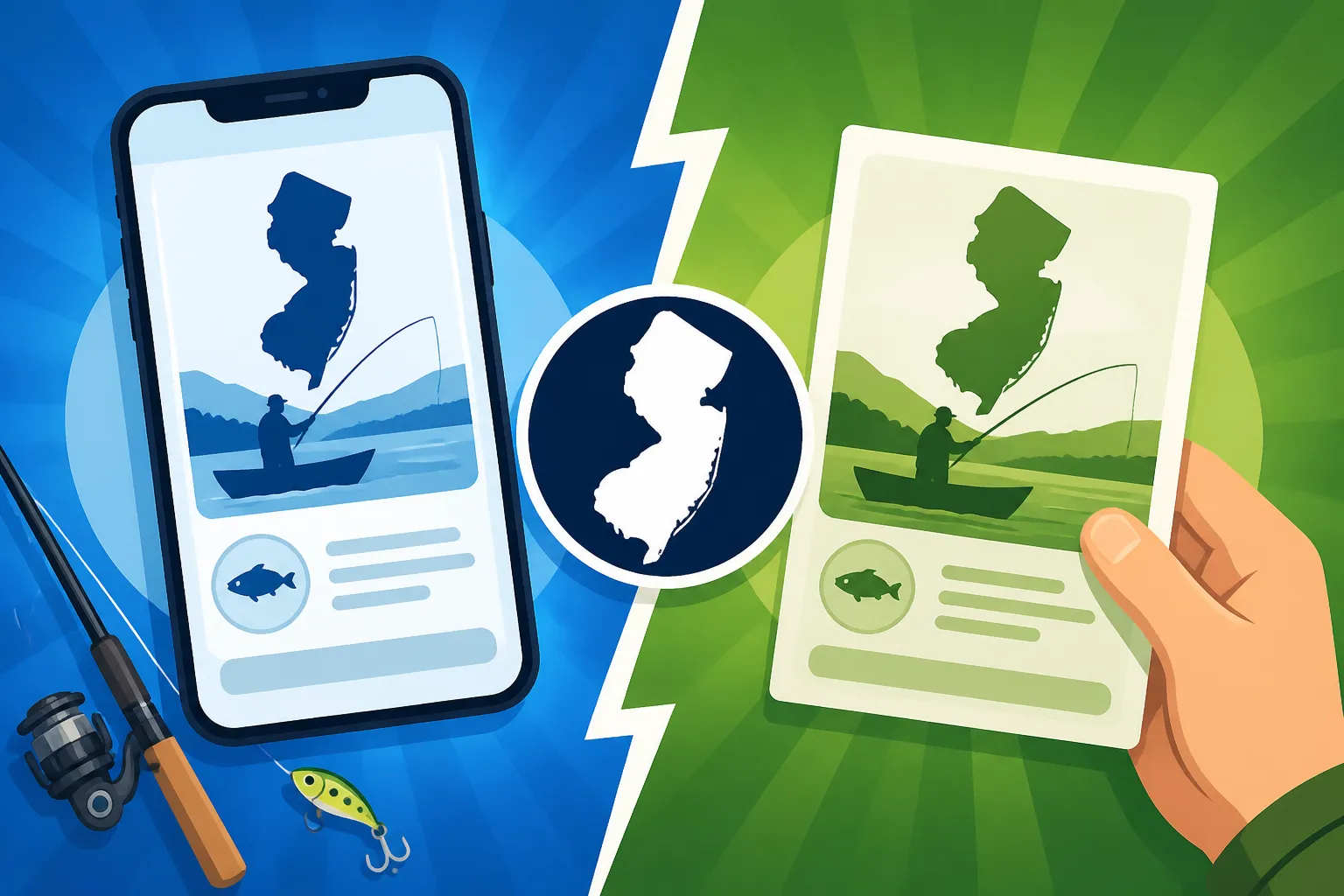
Deciding between a digital and printed copy isn't just a matter of personal preference; it involves weighing the real-world benefits and drawbacks of each. Every angler's situation is different, and what works perfectly for one might be a significant hassle for another. Let’s break down the advantages and disadvantages so you can make an informed choice that suits your fishing style and minimizes potential issues when New Jersey Conservation Police and License Checks occur.
Advantages and Disadvantages of a Digital Fishing License
The allure of a digital fishing license is strong, primarily due to its undeniable convenience. The biggest advantage is immediate access. As soon as you purchase your license online, you can usually download it to your phone. This means no waiting for mail, no trips to a retailer. If you're planning a last-minute trip, this can be a lifesaver. Furthermore, carrying your license on your phone means one less item to remember separately, as most people rarely leave home without their smartphone. Many anglers use apps to track their catches or check tide charts, so having their license on the same device just makes sense. It's a paperless solution, which also appeals to those looking to reduce their environmental footprint. If you lose your phone, you can always access the digital file again from a new device, unlike a physical copy that's gone for good.
However, the disadvantages can be significant and, at times, trip-ending. The primary concern is device reliability. Phones run out of battery, screens crack, and devices can be damaged by water or falls. Imagine being asked for your license and finding your phone dead, or realizing you dropped it in the lake. Suddenly, that convenience turns into a major problem, as inability to present proof can result in fines under Penalties for Fishing Without a License in New Jersey. Environmental conditions also play a role; bright sun can cause screen glare, making your license unreadable, and cold weather can rapidly drain phone batteries. Additionally, some remote fishing spots in New Jersey have no cell service, which can be an issue if your license isn't downloaded directly to your device and you need to access a state portal. While most officers accept digital, a small percentage might prefer or implicitly expect a physical copy, adding a layer of potential awkwardness.
Advantages and Disadvantages of a Physical, Printed License
The traditional printed fishing license, despite its seemingly old-fashioned nature, comes with a host of advantages rooted in reliability. The foremost benefit is its independence from technology. A paper license doesn't need battery power, isn't susceptible to water damage (especially if laminated, which is a popular angler hack using simple laminating pouches often found on Amazon), and doesn't care about cell service. This makes it incredibly dependable in all weather conditions and remote locations. When a conservation officer asks for your license, a printed copy is usually straightforward to present; it’s a quick glance and you’re on your way. It provides a tangible sense of security, a physical proof that you've done your due diligence. Many anglers appreciate having a signed, physical document that they can easily verify themselves without relying on a screen. For those who enjoy flipping through the pages of the New Jersey Fish and Wildlife Digest, a printed license feels like a natural companion.
On the flip side, printed licenses have their own set of drawbacks. The most obvious is their susceptibility to wear and tear. Paper can easily get wet, torn, or faded, especially after a few trips in a tackle box or wallet. If you don't take the time to laminate it or store it in a waterproof holder, it can quickly become illegible. There's also the risk of forgetting it at home. Unlike a phone, which is a daily carry for most, a fishing license is a specific item you need to remember for fishing trips. If you lose a physical copy, it’s gone – while you can reprint it, the original is lost. Finding a printer can also be a minor hassle for some, especially if they don't own one. Despite these minor inconveniences, for many, the reliability of a printed copy often outweighs these issues, particularly for serious anglers who spend a lot of time outdoors in varied conditions.
Best Practices for Anglers in New Jersey
Navigating the rules around fishing licenses in New Jersey doesn’t have to be a source of anxiety. With a little preparation and understanding of best practices, you can ensure that you’re always compliant and ready for any interaction with law enforcement. It’s all about being proactive and setting yourself up for success, so you can focus on the important stuff: catching fish!
Preparing for a Conservation Officer Check
No angler wants to feel unprepared when a Conservation Police Officer asks to see their license. The best way to avoid stress is to always be ready. First and foremost, always ensure your license is valid and current. Make a note of your New Jersey Fishing License Renewal Rules to avoid any lapses. When approached by an officer, maintain a polite and cooperative demeanor. Their job is to protect New Jersey's natural resources and ensure fair play, and your cooperation helps everyone. Have your license, whether digital or physical, immediately accessible. Don't make them wait while you dig through a cluttered tackle box or scroll endlessly through your phone.
If you are using a digital license, ensure your phone is charged, the screen is clean, and the brightness is turned up for easy viewing. Have the PDF or image file downloaded directly to your device, rather than relying on an internet connection to access it from a website. This is particularly crucial if you plan to fish in remote areas like some of the pristine sections of the Musconetcong River, where cell service can be spotty at best. Many anglers find it helpful to create a dedicated folder on their phone for fishing documents, including their license and perhaps a digital copy of the current New Jersey Fish and Wildlife Digest for quick reference on bag and size limits. A little preparation goes a long way in ensuring a smooth and pleasant interaction, allowing you to quickly get back to enjoying your day on the water.
Recommendations for Combining Digital and Physical Options
Given the pros and cons of both digital and physical licenses, the absolute best practice for New Jersey anglers is to adopt a hybrid approach: carry both. This strategy provides the ultimate peace of mind, combining the convenience of digital access with the bulletproof reliability of a physical backup. For example, you can purchase your license online, download the digital copy to your smartphone, and then immediately print a copy at home. You might even consider laminating the printed version for durability, using a simple laminator or even self-laminating sheets you can easily pick up from Amazon. This way, your physical license is protected from the elements, ensuring it remains legible throughout the season.
Imagine this scenario: you're out on Barnegat Bay, and your phone, with your digital license, unexpectedly dies. No problem! You simply reach into your waterproof tackle bag or your boat's dry storage and pull out your laminated paper license. Conversely, if you happen to forget your printed copy at home but have your phone with you, you’re still covered. This dual-format approach minimizes the chances of being caught without proof, covering you against technological failures, human forgetfulness, and adverse environmental conditions. Whether you're targeting striped bass in the Raritan Bay or fishing for trout in a stocked lake, having both options ensures you're always compliant with Carrying Proof of Your New Jersey Fishing License regulations, letting you focus on the joy of fishing, not on bureaucratic worries.
Disclaimer
Please note that fishing regulations can change. While this guide provides current information based on New Jersey Division of Fish and Wildlife guidelines, it is always the angler's responsibility to consult the most recent New Jersey Fish and Wildlife Digest or visit the official NJ Fish and Wildlife website for the most up-to-date rules and requirements before heading out to fish.