Reading the New Jersey Fish and Wildlife Digest
Few things are more frustrating than heading out for a relaxing day of fishing, only to realize you've inadvertently broken a rule you didn't even know existed. New Jersey's fishing regulations can feel like a labyrinth, with different rules for every species, body of water, and even time of year. This comprehensive guide is designed to demystify the official New Jersey Fish and Wildlife Digest, helping you confidently navigate its pages so you can spend less time worrying about fines and more time enjoying your time on the water.
The Indispensable Guide: What is the New Jersey Fish and Wildlife Digest?
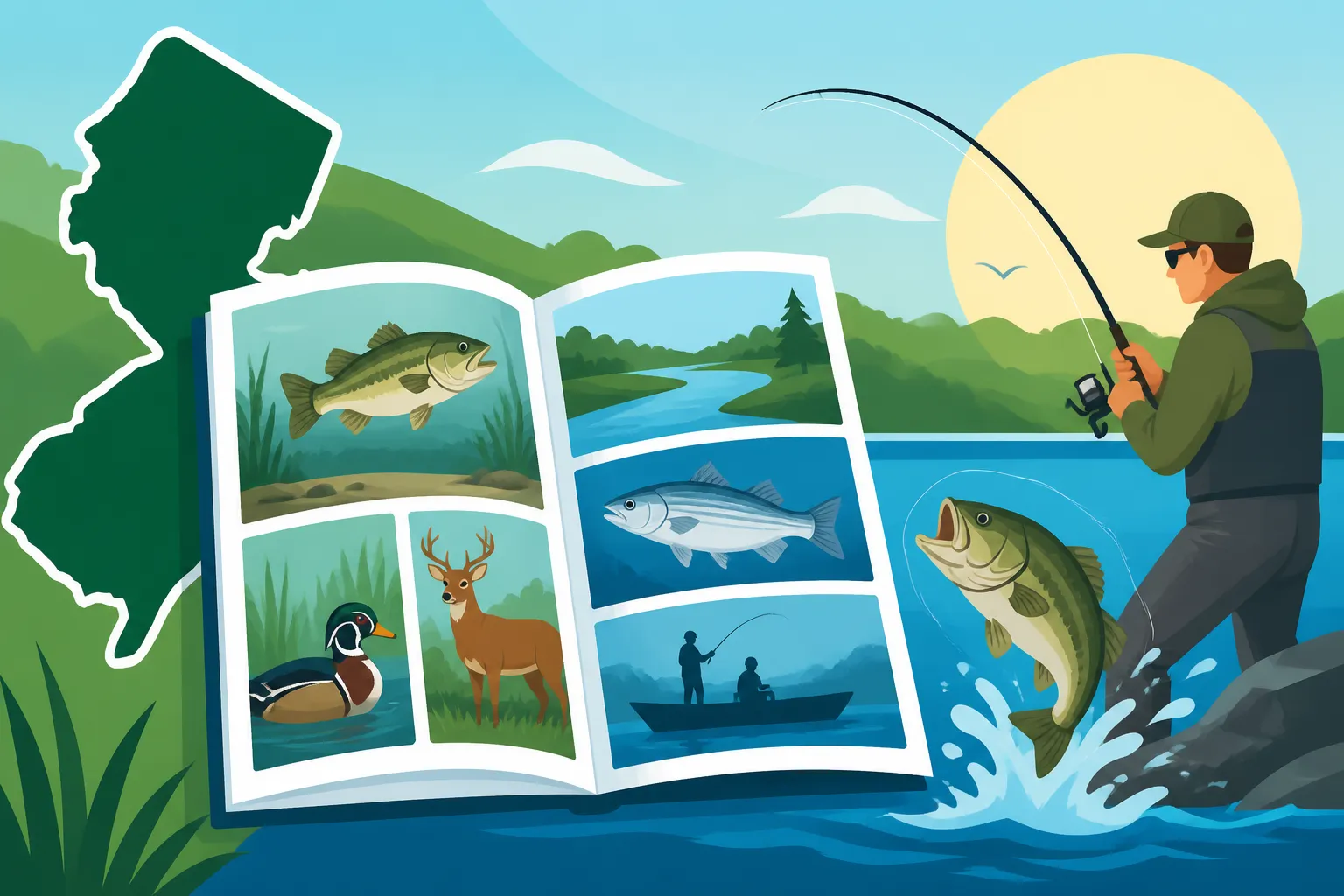
Imagine trying to drive a car without knowing any of the road rules. You wouldn't get very far before running into trouble, right? Fishing in New Jersey is much the same. The New Jersey Fish and Wildlife Digest is your ultimate rulebook, put out annually by the state's Division of Fish and Wildlife. It's not just some dry, legalistic document; it's the very foundation of legal and ethical angling in the Garden State, and understanding it is paramount for every angler, from the seasoned pro to the weekend warrior.
More Than Just a Pamphlet: Its Purpose and Scope
While often referred to as a "digest" or even a "pamphlet" because of its accessible format, this publication is far more comprehensive than those terms suggest. It's the official, legally binding document that outlines all the statutes and codes pertaining to recreational fishing in New Jersey. From freshwater to saltwater, from bass to bluefish, and from lake ice to ocean surf, the Digest covers it all. Its primary purpose is to inform anglers about their responsibilities, the conservation efforts in place, and the specific rules they must follow to protect New Jersey's precious aquatic resources for future generations.
Think of it as the single source of truth for all your fishing inquiries. If you have a question about a specific bag limit, a closed season, or even what kind of bait is allowed in a particular stream, the answer will be found within these pages. Relying on word-of-mouth or outdated information can lead to honest mistakes that still carry real consequences, so getting familiar with the Digest is truly non-negotiable for anyone who wants to fish legally in New Jersey. It’s also important to remember that this document serves as a guide for law enforcement, specifically the New Jersey Conservation Police Officers, when they conduct their checks in the field.
Why Every Angler Needs to Read It Annually
You might think, "Once I read it, I'm good for life, right?" Oh, if only that were true! The truth is, fishing regulations in New Jersey are far from static. They are dynamic, evolving, and subject to change based on scientific research, fish stock assessments, environmental factors, and even federal mandates. What was perfectly legal last year might land you a hefty fine this year. This is why making an annual review of the Digest a mandatory part of your pre-season ritual is so critical.
Consider the recent changes to striped bass slot limits or fluke size and bag limits; these are not minor adjustments but significant shifts that directly impact how you fish and what you can keep. If you're planning a trip to the Delaware Bay, you might find the fluke rules are even different there compared to other areas of the state. Ignoring these updates, even unintentionally, is no defense against a violation. Getting a new copy and giving it a thorough read-through each year ensures you're always fishing within the current legal framework. It’s a small investment of your time that protects your wallet and contributes to the sustainable management of our fisheries.
Finding Your Copy: Where to Access the Digest
Accessing the New Jersey Fish and Wildlife Digest is thankfully quite straightforward, whether you prefer the convenience of digital media or the tangible feel of a printed booklet. The state makes a concerted effort to distribute this vital information widely, ensuring that every angler has the opportunity to review the current regulations. Knowing where to look for your copy is the first practical step in becoming a more informed and compliant angler.
Digital Access: Your Go-To Online Resource
In this digital age, the most immediate and often most up-to-date way to access the New Jersey Fish and Wildlife Digest is online. The New Jersey Division of Fish and Wildlife's official website is the definitive source for the current regulations. Typically, they release a digital PDF version of the Digest that you can download, save to your device, or print out at home. This online format offers several advantages, especially for those of us who appreciate instant access and searchability.
You can easily pull up the full document on your smartphone, tablet, or laptop, which means you have the entire rulebook right in your pocket or tackle box whenever you need it. This can be incredibly handy when you're out on the water and suddenly have a question about a specific species' size limit or a particular water body's restrictions. Plus, the online version is usually available right as the new regulations are implemented, often even before the physical copies hit the shelves. If you're ever in doubt about where to find the absolute latest version, always head to their website first. For a detailed guide on this, you can check out our post on New Jersey Fish and Wildlife Digest: Where to Find the Current Rules.
Physical Copies: Local Bait Shops and Retailers
For many traditional anglers, there's just something comforting about holding a physical copy of the Digest. It's often tossed into the glove compartment of the truck, tucked into a tackle box, or left on the coffee table for easy reference. The New Jersey Division of Fish and Wildlife partners with various local businesses to ensure these printed copies are readily available and, importantly, free of charge to the public.
Your best bet for finding a physical copy is usually at local bait and tackle shops throughout the state. These establishments are often the heart of the local fishing community, and they almost always have a stack of the current year's Digest by the counter. Larger sporting goods stores, like certain Dick's Sporting Goods locations or local independent outfitters, will also stock them. Sometimes, you might even find them at larger retail chains that sell fishing gear, though it’s less consistent. While you can order various fishing accessories or specialized guides from retailers like Amazon, for the official, free, and current New Jersey Fish and Wildlife Digest, a trip to your local tackle shop is usually the most reliable way to grab a paper copy. It’s a good excuse to see what’s new in lures, too!
Navigating the Maze: Key Sections to Master
When you first open the New Jersey Fish and Wildlife Digest, it can feel a bit overwhelming, like trying to find a specific grain of sand on a vast beach. The document is packed with information, from general statewide rules to incredibly specific regulations for certain fish in particular bodies of water. But don't despair! With a little guidance, you can learn to quickly and efficiently find the information you need, saving you time and preventing those dreaded "uh-oh" moments out on the water.
Decoding the Table of Contents
The Table of Contents is your best friend when navigating the Digest. It's designed to give you a clear roadmap of the entire document, breaking down complex information into digestible sections. Instead of flipping aimlessly, take a moment to scan the headings and subheadings. You'll quickly notice logical groupings that help you zero in on what you're looking for.
Typically, you'll find sections dedicated to general statewide regulations, followed by more specific details about freshwater fishing and then saltwater fishing. Within those broader categories, the Digest often organizes information by species, making it simple to find the rules for that trout stream you're visiting or the fluke you're targeting in the bay. There will also be sections on licensing, definitions, prohibited acts, and even information on reporting violations. Getting familiar with the layout of the Table of Contents will drastically cut down on your search time and help you grasp the overall structure of New Jersey's fishing laws. It's the key to unlocking the wealth of information contained within, rather than feeling lost in a sea of text.
General Regulations vs. Species-Specific Rules
One of the most crucial distinctions to understand when reading the Digest is the difference between "General Regulations" and "Species-Specific Rules." It's a common point of confusion for many anglers, and getting it wrong can lead to unintended violations. Think of it like this: the General Regulations are the overarching rules that apply to most fishing situations across the state, unless specifically overridden. These might cover things like the number of rods you can use, general definitions, or rules about public access.
However, almost every popular game fish in New Jersey has its own set of "Species-Specific Rules." These are typically found in dedicated sections, often with tables, listing the minimum size, daily bag limit, and open season for that particular species. For instance, the general statewide rule might be broad, but then you'll find a specific entry for "Striped Bass" detailing its current slot limit (like 28 to 31 inches) and season. Or, if you're targeting winter flounder, you'll need to look up their specific season dates and limits, which will differ from, say, summer flounder (fluke). Always start with the general regulations to understand the baseline, but then always double-check the species-specific section for the fish you intend to target. This layered approach is fundamental to avoiding fines and fishing responsibly. For a deeper dive into these limits, you can refer to our guides on New Jersey Freshwater Fishing Regulations Every Angler Should Know and How Bag and Size Limits Work in New Jersey.
Freshwater Fishing: Understanding the Inland Waters
New Jersey offers a fantastic array of freshwater fishing opportunities, from the serene mountain lakes of the north to the winding rivers and quiet ponds of the south. But with this diversity comes a nuanced set of regulations tailored to protect these specific ecosystems and fish populations. Understanding the nuances of freshwater rules is essential for anyone casting a line in the state's lakes, rivers, and streams.
Licenses, Trout Stamps, and Seasons
Before you even think about casting your line into a freshwater body in New Jersey, you need to ensure you have the proper licensing. Generally, anyone aged 16 through 69 needs a valid New Jersey freshwater fishing license. However, there are nuances and specific exemptions, such as those for anglers 70 and older, or on designated New Jersey free fishing days. The Digest clearly outlines these age requirements and lists various license types, including annual resident and non-resident options, and even combination hunting and fishing licenses. You'll find specific details on how to acquire these, whether online, through an authorized agent, or via mail. For a comprehensive overview, our guide on the New Jersey Fishing License Guide for 2026 is an excellent resource.
Beyond the basic license, if you plan to target or possess trout in any of New Jersey's freshwater bodies, you’ll almost certainly need an additional Trout Stamp. This isn't just an arbitrary fee; the revenue from trout stamps directly funds the state's robust trout stocking program, which provides incredible fishing opportunities each spring and fall. The Digest specifies exactly who needs a trout stamp and when it's required. It also details the statewide trout season, including the critical preseason closure periods for stocked waters to allow for stocking efforts. Don't let a missing stamp or fishing during a closed season turn your relaxing trout outing into a costly mistake. Our article, New Jersey Trout Stamp Requirements Explained, can shed more light on this specific requirement.
Bag Limits, Size Limits, and Special Waterbody Rules
Once you have your license and trout stamp in order, the next crucial step is understanding the specific rules for the fish you're targeting and the water you're fishing. The Digest features detailed tables that outline the daily bag limits (how many fish you can keep) and size limits (the minimum or maximum length a fish must be) for various freshwater species. These limits are set to ensure sustainable populations and often vary significantly from one species to another. For example, the rules for keeping largemouth bass will be entirely different from those for crappie or pickerel.
What often catches anglers off guard are the special regulations that apply to specific water bodies. While there are statewide rules, many larger lakes and reservoirs, such as Round Valley Reservoir or Lake Hopatcong, have their own unique sets of rules due to their specific ecosystems, management goals, or unique fish populations. These special regulations might include different size or bag limits, restrictions on motor usage, bait restrictions, or even designated fishing zones. Always consult the section of the Digest dedicated to "Special Regulations by Waterbody" if you're planning a trip to a well-known lake or reservoir. This will prevent you from accidentally violating a specific local rule. Keep our New Jersey Freshwater Fish Size Chart 2026 handy for a quick reference on common species.
Saltwater Fishing: Navigating the Ocean and Bays
New Jersey boasts a stunning coastline and expansive bays that draw countless anglers eager to catch everything from striped bass to fluke. However, saltwater fishing in the Garden State comes with its own unique set of regulations, often influenced by both state and federal management plans. Successfully navigating these rules is key to enjoying the rich marine fisheries responsibly.
The Crucial Saltwater Registry and Marine Species Regulations
Before you even think about dropping a line in New Jersey's tidal waters, you absolutely need to be aware of the New Jersey Saltwater Registry. This is a critical component of saltwater fishing regulations, separate from your freshwater fishing license. Many anglers mistakenly believe their freshwater license covers all types of fishing, but that's simply not the case in New Jersey. The state mandates that most recreational saltwater anglers register annually, and while it's free, it is legally required. This registry is important for data collection, helping fishery managers understand recreational fishing effort and catch rates, which then informs future regulations.
The Digest dedicates a significant section to the saltwater registry, explaining who needs to register, how to do it (it's primarily an online process), and any exemptions (such as fishing on a licensed charter or party boat, though it's always wise to confirm with the boat's captain). Understanding the nuances of the registry is paramount. Our article New Jersey Saltwater Registry Explained offers a detailed breakdown of this vital requirement, and you can also learn more about New Jersey Saltwater Registry Program Requirements and Why New Jersey's Saltwater Registry Replaced the Federal Registry. Beyond the registry, the Digest provides comprehensive regulations for a wide array of marine species, including minimum sizes, possession limits, and open and closed seasons, all of which are subject to annual changes based on scientific assessments and regional management plans.
Coastal Species: Striped Bass, Fluke, and Beyond
New Jersey's coastal waters are famous for iconic species like striped bass and fluke (summer flounder), and as such, their regulations are often the subject of much discussion and change. The Digest provides clear, concise tables and text detailing the specific rules for these popular fish, along with many others like bluefish, black sea bass, tautog, and weakfish. It's not uncommon for these regulations to include slot limits for certain species, meaning you can only keep fish within a specific size range, protecting both juvenile and large breeding-size fish.
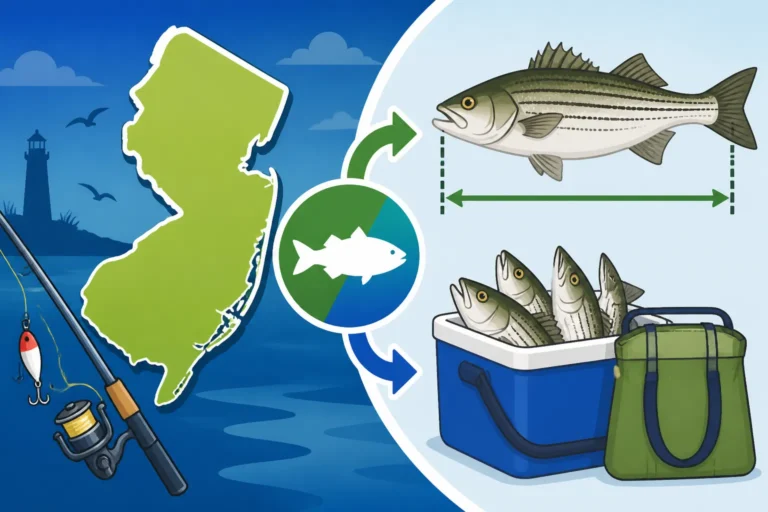
For instance, striped bass regulations have become particularly complex, often featuring tight slot limits and sometimes even specific gear requirements. You'll find detailed charts outlining the current striped bass slot limit, which might be 28 to 31 inches, along with bag limits (usually one fish per angler per day) and the season dates. Similarly, fluke regulations specify minimum size limits (e.g., 18 inches) and daily bag limits, which can sometimes vary by region, such as in Delaware Bay. Always check the Digest for the exact current numbers, as they can fluctuate year to year. Our articles on the New Jersey Striped Bass Slot Limit Explained and New Jersey Fluke Size and Bag Limits Explained can provide species-specific insights, but the Digest remains the official source for the most up-to-date information. Missing these details can quickly turn a successful day of fishing into a regulatory headache.
Beyond the Basics: Important Details and Enforcement
While understanding licenses, seasons, and limits are foundational, the New Jersey Fish and Wildlife Digest contains many other crucial details that anglers often overlook. These "fine print" regulations cover everything from the types of hooks you can use to the legal consequences of not adhering to the rules. Ignoring these sections can lead to unintended violations, even if your intentions are good.
Definitions, Prohibited Acts, and Gear Restrictions
The Digest isn't just a list of what you can do; it also clearly outlines what you cannot do. This includes a dedicated section on "Definitions," which is surprisingly important. Understanding terms like "immediate possession," "filleting," or "chumming" in the legal sense can prevent misunderstandings with law enforcement. For example, if a fish has a size limit, possessing a filleted fish that cannot be measured to confirm its legal length might be a violation unless specific rules for filleting at sea are followed.
Beyond definitions, the Digest details "Prohibited Acts," which cover a range of activities. This might include rules against snagging fish, using certain types of nets, or interfering with other anglers. There are also specific "Gear Restrictions" that vary by species and water body. A prime example that has recently gained prominence is the requirement for circle hooks when bait fishing for striped bass, a regulation put in place to reduce mortality for released fish. Failure to use the correct hook type, even if you’re catching legal-sized fish, can result in a violation. Other restrictions might involve spear fishing regulations, or limitations on the number of hooks or lines you can deploy simultaneously. Always give these sections a thorough read-through; what seems like a minor detail can have significant implications. To learn more about specific hook requirements, see our article on New Jersey Circle Hook Requirements for Bait Fishing.
Understanding Conservation Police Authority and Penalties
It’s an unfortunate reality that sometimes, despite our best efforts, we might still encounter a New Jersey Conservation Police Officer (CPO) while fishing. These officers are highly trained law enforcement professionals dedicated to protecting New Jersey’s natural resources and enforcing fishing, hunting, and boating laws. It's crucial to understand their authority and your responsibilities if approached by a CPO. They have the right to inspect your license, your catch, and your gear to ensure compliance with current regulations. Politeness, cooperation, and honesty are always the best approach.
The Digest outlines the various penalties for fishing violations, which can range from monetary fines to forfeiture of equipment, and in some serious cases, even suspension of fishing privileges. Being caught fishing without a license, for example, can result in a substantial fine, and ignorance of the law is never considered an acceptable excuse. These penalties are not arbitrary; they are designed to deter illegal activities and support conservation efforts. It's far better to invest the time in understanding the Digest than to face the legal repercussions of a violation. For more information on this, our articles on Penalties for Fishing Without a License in New Jersey and New Jersey Conservation Police and License Checks provide helpful context.
Staying Ahead of the Curve: Why Regulations Change
One of the most common frustrations for anglers is the seemingly constant churn of fishing regulations. Just when you think you've got them all memorized, something changes! It can feel like an endless loop, but there are very good reasons why these rules are dynamic. Understanding the 'why' behind the changes can help you appreciate their necessity and motivate you to stay informed.
The Dynamic Nature of Fisheries Management
Fishing regulations aren't pulled out of thin air; they are the result of complex, science-driven fisheries management. This process involves extensive research, data collection, and population assessments conducted by biologists and scientists within the New Jersey Division of Fish and Wildlife, often in collaboration with regional and federal agencies. Factors like fish spawning success, environmental conditions (water temperature, habitat health), fishing pressure (how many people are fishing and how much they're catching), and the health of forage species all play a role. When populations of a particular species decline, or if scientific models predict a decline, regulations must be adjusted to ensure the species can recover and thrive.
Take striped bass, for instance. They are a highly migratory species managed not just by New Jersey but by all states along the Atlantic coast, under the guidance of the Atlantic States Marine Fisheries Commission (ASMFC). This means that New Jersey's striped bass rules are often influenced by regional mandates aimed at protecting the overall East Coast population. These decisions are rooted in science, aiming for long-term sustainability rather than short-term gains. It's a challenging balancing act, trying to provide recreational opportunities while ensuring fish stocks remain healthy. Knowing that these changes are based on solid biological principles, even when they impact our fishing plans, can help us embrace the need for annual updates. Our article How New Jersey Sets Its Fishing Regulations Each Year delves deeper into this fascinating process.
How to Get Real-Time Updates
Given the dynamic nature of fishing regulations, simply reading the annual Digest once isn't always enough, especially if significant mid-season changes occur (which sometimes happens, particularly for highly migratory species or those facing emergency management actions). The good news is that the New Jersey Division of Fish and Wildlife understands this challenge and provides several avenues for real-time updates.
The most reliable source for up-to-the-minute information is their official website. They maintain a "News & Events" or "Fisheries Updates" section where they post public notices, press releases, and details about any regulation changes as soon as they are implemented. It's a good practice to bookmark this page and check it periodically, especially before targeting a species known for fluctuating regulations. Additionally, the Division often uses social media platforms to disseminate urgent updates, so following their official accounts can be a good way to stay in the loop. Many state agencies also offer email subscription services, allowing you to sign up for direct notifications about regulation changes, stocking schedules, and other important fishing news. Combining your annual deep dive into the Digest with regular checks of their online resources is the best way to ensure you're always fishing legally and responsibly in New Jersey.
Important Disclaimer
The information provided in this guide is for general informational purposes only and is not intended as legal advice. Fishing regulations in New Jersey are subject to change without notice and can be complex. Always consult the most current official New Jersey Fish and Wildlife Digest and any relevant updates from the New Jersey Division of Fish and Wildlife website before fishing to ensure compliance with all state and federal laws. Ignoring regulations, even unintentionally, can result in fines and penalties.