New Jersey Catch and Release Striped Bass Handling Rules
There's nothing quite like the thrill of a striped bass on the line here in New Jersey. Whether you're targeting that slot-sized keeper or just enjoying a day on the water, many times you'll find yourself needing to release a fish, either by choice or because it falls outside the legal limits. The real challenge, and frankly, the worry, often comes in trying to ensure that beautiful striper swims away healthy and strong, not just surviving the encounter, but truly thriving. This comprehensive guide is dedicated to helping every angler master the proper catch and release techniques for striped bass, giving these incredible fish the best possible chance.
Understanding the "Why" Behind Catch and Release for Striped Bass
It's easy to think of catch and release as just letting a fish go, but for a species as vital and beloved as the striped bass, it's so much more. There's a deep responsibility that comes with being an angler, and understanding the impact of our actions is the first step towards truly sustainable fishing.
The Importance of Striped Bass Conservation
Striped bass populations, while seemingly robust at times, have faced significant pressures over the years. Factors like habitat degradation, changes in forage fish availability, and, yes, fishing pressure, all contribute to their overall health. When you're out on the water, reeling in a beautiful striper, you're interacting with a living, breathing part of this delicate ecosystem. Every fish, whether it's a small "schoolie" or a massive cow, plays a role in the population's future. By practicing responsible catch and release, especially for fish outside the legal slot limit or those we simply choose not to keep, we're actively contributing to the long-term sustainability of the species. It helps ensure that future generations of anglers, and the fish themselves, will continue to enjoy the vibrant fisheries of New Jersey. Understanding the ever-evolving regulations, like the current New Jersey Striped Bass Slot Limit Explained, is crucial to knowing which fish must be released.
Maximizing Survival Rates: It's More Than Just Letting Them Go
The goal of catch and release isn't just to see the fish swim away. It's to ensure it swims away with the highest possible chance of long-term survival. A fish that appears to swim off strongly can still die hours or even days later due to stress, exhaustion, or injury sustained during the fight or handling. This is often referred to as "delayed mortality." Think of it like this: if you ran a marathon and then immediately had to sprint a few more miles while someone held you out of the water, you'd be pretty beat up. Fish experience something similar. Our methods, from the moment a fish bites to the moment it disappears back into the water, directly influence its fate. Minimizing stress and physical damage is paramount, which is why following proper New Jersey Catch and Release Striped Bass Handling Rules is so incredibly important.
Essential Gear for a Successful Catch and Release
Having the right tools at your disposal makes a monumental difference in the well-being of a released striped bass. It’s not about having the fanciest gear, but the most effective gear for a quick, safe release. Don't leave home without these key items in your tackle bag.
The Non-Negotiable: Circle Hooks
If you're using bait to target striped bass, using circle hooks is not just a recommendation in many areas, but a requirement in New Jersey. Specifically, New Jersey Circle Hook Requirements for Bait Fishing mandate their use when fishing for striped bass with bait. But beyond the regulations, circle hooks are hands-down the best tool for promoting fish survival. Unlike J-hooks, which are prone to deep hooking a fish in the gills or gut, circle hooks are designed to slide to the corner of the fish's mouth as the line tightens. This almost always results in a lip hook, which is much less damaging and far easier to remove.
Even if you’re fishing an area where they’re not strictly required by law for all bait applications, making the switch to circle hooks for striped bass is a no-brainer. They significantly reduce internal injuries, drastically improving the chances of survival for released fish. You can find a wide variety of high-quality circle hooks on platforms like Amazon, making it easy to stock up before your next trip.
Choosing the Right Landing Tools
Forget the gaff unless you're absolutely certain you're keeping the fish and it's within legal limits. For catch and release, a proper landing net or a set of lip grippers is essential.
- Rubberized Landing Nets: These are ideal because the soft, knotless rubber mesh protects the fish's delicate slime coat, fins, and eyes much better than traditional knotted nylon nets. The rubber doesn't scrape away their protective slime, which is crucial for preventing infections once the fish is back in the water. A large-mouthed, shallow-basket rubber net allows you to quickly scoop the fish, reducing its time out of the water. Look for one with a long handle if you're fishing from higher banks or boats.
- Lip Grippers (with a scale built-in is a plus): Quality lip grippers like the BogaGrip or similar robust tools from brands found on Amazon can be excellent for controlling a fish, especially if you're not using a net or if it’s a larger, feistier specimen. The key is to use them correctly: never lift a large fish vertically by lip grippers alone, as this can dislocate its jaw or damage its spine and internal organs. Instead, use the grippers to secure the mouth while supporting the body horizontally with your other hand or a cradle.
Must-Have Dehooking Devices
No matter how careful you are, sometimes a hook is a little deeper than you'd like. Having the right dehooking tools on hand is critical for a fast and efficient release.
- Long-Nose Pliers or Hemostats: These are your bread and butter. Long-nose pliers are great for grasping hooks that are just inside the mouth. Hemostats are smaller, more precise, and perfect for getting into tighter spots to remove smaller hooks or those with less bite. They offer a good grip and allow for quick action.
- Dehookers/Disgorgers: For those truly stubborn hooks that are lodged a bit deeper, a dedicated dehooker or disgorges tool is invaluable. These devices are designed to push the hook out without requiring you to put your hands inside the fish's mouth, which is safer for both you and the fish. Many come with various tip sizes to handle different hook gauges. Learning how to use a dehooker properly takes a little practice, but it's a skill every responsible angler should master. You can find various models online, including some highly rated options on Amazon, often labeled as "fishing forceps" or "hook removers."
Step-by-Step Guide to Safe Striped Bass Handling
Now that you've got the right gear, let's talk about the process. Every step, from the initial hook-up to the final swim-off, impacts the fish's survival. These techniques are designed to minimize stress and physical harm.
Minimizing the Fight Stress
The fight itself is the first major source of stress for a fish. A prolonged, grueling battle can exhaust a fish to the point where it can't recover after release, especially in warmer water.
- Use Appropriately Sized Tackle: While it's fun to battle a big fish on light gear, if your intention is catch and release, using tackle that's matched to the expected size of the fish and the conditions is crucial. This allows you to land the fish more quickly, reducing its exhaustion. A rod with good backbone and a reel with a smooth, reliable drag will help you control the fight without unnecessarily tiring the fish. Think about the strength of the fish; a big striper needs some serious power to bring in efficiently.
- Bring the Fish in Quickly but Gently: Don't horse the fish in so hard you risk breaking your line or ripping the hook, but also don't play it to exhaustion. Apply steady pressure and pump the rod to gain line, letting the drag do its job when the fish runs. The goal is to get the fish to you as efficiently as possible while still allowing it to fight enough to burn off some lactic acid, but not so much it's completely spent. This is a fine balance that comes with practice.
Keeping the Fish Wet and Supported
This is perhaps the most critical rule of all: keep the fish in the water as much as possible. A fish out of water isn't breathing, and its internal organs are compressed by gravity in a way they aren't evolved for.
- Wet Your Hands: Before you even think about touching the fish, wet your hands thoroughly. Dry hands strip away the fish's protective slime coat, leaving it vulnerable to bacteria, fungi, and parasites. This slime coat is their first line of defense.
- Leave the Fish in the Net (or Water) for Dehooking: If you're using a net, try to dehook the fish while it's still submerged in the net. If you're fishing from shore or a shallow area, gently guide the fish into very shallow water and perform the dehooking there. The less time it spends out of its element, the better.
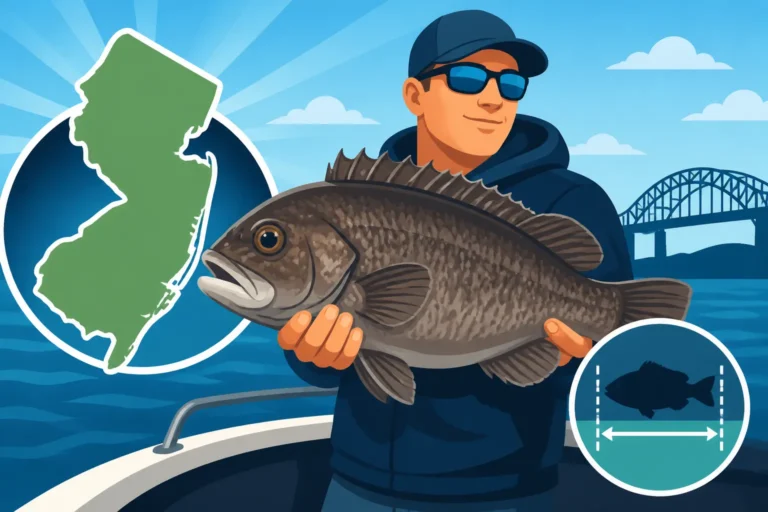
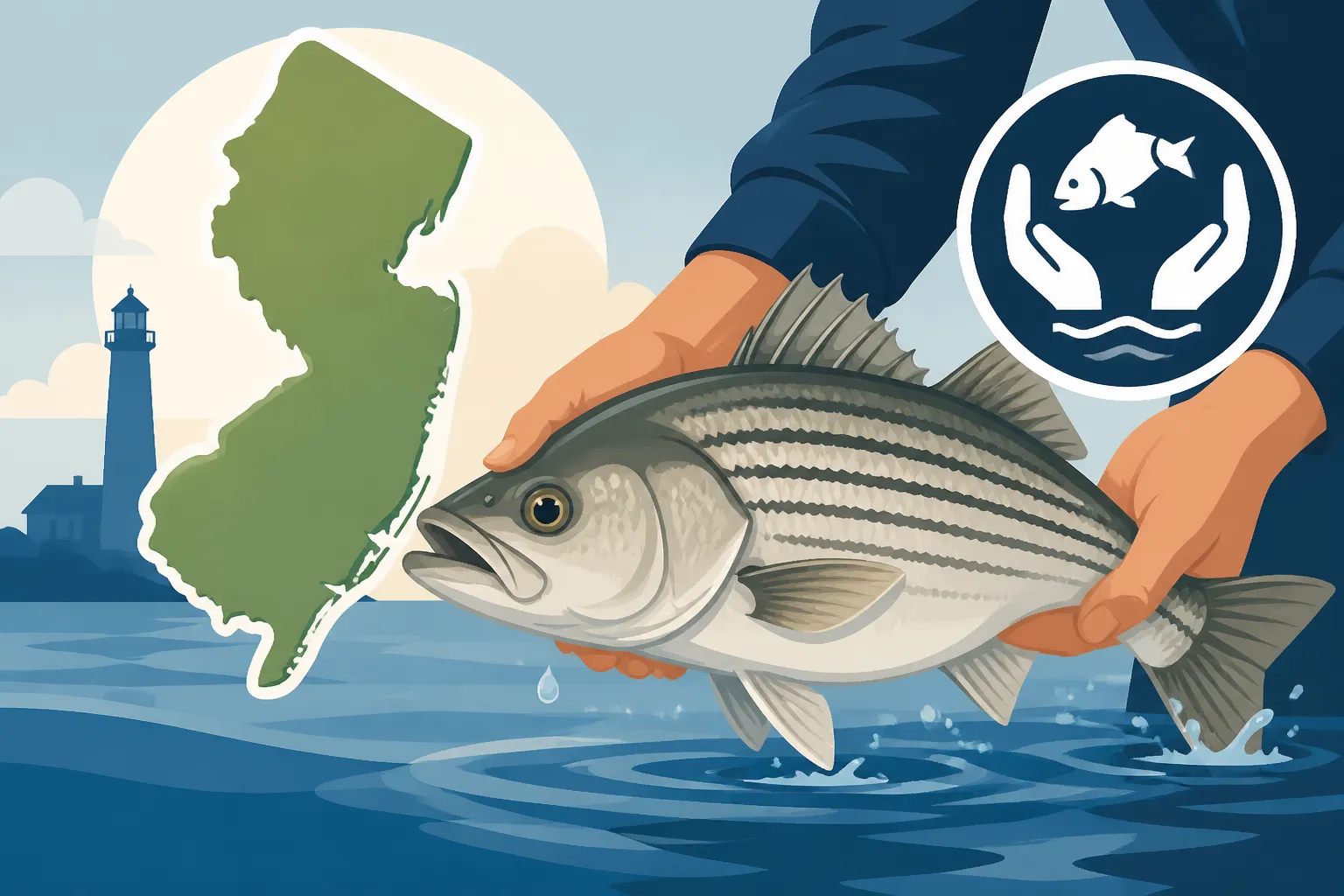
- Horizontal Support: If you absolutely must lift the fish for a quick photo, support its entire body horizontally. Cradle it with two hands – one under the head/gill plate area and the other under the tail. This distributes its weight evenly and prevents damage to its spine, jaw, and internal organs. Imagine holding a heavy, wet noodle; you need to support it fully. Avoid letting its tail flop unsupported, or worse, letting its head hang down while holding it by the tail.
Proper Dehooking Techniques
Speed and precision are key here. The quicker you get that hook out, the less stress for the fish.
- Identify the Hook Location: With the fish still in the water or gently cradled, locate the hook. Since you're using circle hooks with bait, it should ideally be right in the corner of the mouth.
- Use the Right Tool: Grab your long-nose pliers, hemostats, or dehooker.
- Twist and Remove: Grasp the shank of the hook firmly. Instead of pulling straight back, which can cause more damage, try to gently twist or rotate the hook out in the direction it went in. If it's a barbed hook (though often not the case with circle hooks), consider crushing the barb with your pliers before removal, as this makes extraction much easier and less traumatic.
- Don't Force It: If the hook is deeply embedded and you can't remove it quickly without tearing tissue, it's often better to cut the line as close to the hook as possible. Fish can often encapsulate or shed hooks over time, especially if they are non-stainless steel. Trying to violently rip out a deeply embedded hook will almost certainly cause lethal damage.
The Art of a Gentle Release
This is the grand finale. It’s not enough to just toss the fish back. A good release gives the fish a fighting chance to swim away strongly.
- Revive, Don't Just Release: If the fish seems sluggish or tired, hold it gently in the water, facing into a gentle current or moving it slowly forward to force water over its gills. This helps to re-oxygenate its blood and allows it to recover its strength. You'll feel it when the fish starts to kick strongly; it will try to pull away from your hands.
- Wait for the Strong Swim: Don't let go until the fish can swim away under its own power. Sometimes this takes a few seconds, sometimes a minute or two, especially for larger fish or those that fought hard. Be patient.
- Avoid Predators: If possible, release the fish away from obvious predators like seals, ospreys, or larger fish that might be lurking.
Here's a quick comparison table for reference:
| Best Practice for Catch & Release | What to Avoid (Common Mistakes) |
|---|---|
| Use circle hooks (especially with bait) | Using J-hooks with bait (leads to deep hooking) |
| Land fish quickly on appropriate tackle | Prolonging the fight on ultralight gear |
| Keep fish in water as much as possible | Dragging fish onto dry sand, rocks, or hot boat deck |
| Wet hands before touching fish | Handling fish with dry hands |
| Support fish horizontally with two hands | Lifting large fish vertically by lip grippers or jaw |
| Use long-nose pliers/dehooker for quick removal | Forcing deeply embedded hooks; leaving them in for too long |
| Gently revive fish until it swims off strongly | Tossing tired fish back without revival |
| Know and respect all New Jersey regulations | Ignoring slot limits or season closures |
Common Mistakes to Avoid When Releasing Striped Bass
Even with the best intentions, it's easy to make mistakes that can significantly harm a released fish. Being aware of these common pitfalls can elevate your catch and release game and dramatically improve survival rates.
The Dangers of Dry Hands and Hard Surfaces
This might seem obvious, but it's a mistake seen too often. Imagine if your skin was coated in a vital protective layer, and someone scraped it off before you entered a germ-filled environment. That's essentially what happens to a fish.
- Dry Hands: As mentioned earlier, touching a fish with dry hands removes its protective slime coat. This clear, slimy layer acts as a barrier against infections and helps with osmoregulation (balancing salts and water in their body). Without it, the fish is highly susceptible to bacterial and fungal infections, which can lead to a slow, painful death even after it appears to swim away. Always, always wet your hands thoroughly before making contact with the fish.
- Hard, Dry Surfaces: Dragging a striped bass onto dry sand, sharp rocks, a hot boat deck, or even a dry measuring board can have the same devastating effect. These surfaces abrade the slime coat, scrape off scales, and can cause bruising or cuts. Not only does this expose the fish to disease, but it can also induce further stress and injury. Always keep the fish over the water, or on a wet, soft surface like a wetted landing net or a specially designed wet measuring mat, if you need to quickly measure it.
Vertical Holds: Why They're Harmful
You often see pictures of anglers holding large fish vertically by the jaw or lip grippers. While it might make for an impressive photo, it's incredibly damaging for larger fish, especially striped bass.
- Damage to Internal Organs and Spine: When a large fish is held vertically, gravity pulls all its internal organs downwards, crushing them against each other and potentially causing severe damage. This can rupture blood vessels, damage swim bladders, and cause irreparable harm to vital organs. The spine, not designed to support the full weight of the fish in a vertical orientation, can also be stretched or dislocated. This type of injury might not be immediately apparent, but it's often fatal.
- Jaw Damage: Holding a heavy fish by only its jaw can dislocate it or tear ligaments and muscles around the mouth. This impairs its ability to feed, making long-term survival unlikely. Even if the fish manages to recover, it's a painful and unnecessary injury.
- Proper Alternative: For larger fish, always support the body horizontally with at least two hands – one under the belly/pectoral fins and another near the tail. If using lip grippers, use them only to control the head, while still fully supporting the body horizontally.
Over-Handling and Photo Etiquette
Everyone loves a hero shot with a magnificent striper, but the desire for that perfect photo can often come at the fish's expense.
- Minimize Time Out of Water: The absolute golden rule. The longer a fish is out of the water, the more stressed it becomes, and the less oxygen it receives. Aim for a maximum of 10-15 seconds out of water for a quick photo, then immediately return it to the water for dehooking and revival. If you can, take pictures with the fish still partially submerged.
- Avoid Excessive Posing: Don't try to manipulate the fish into unnatural poses or hold it for multiple shots from different angles. One quick, well-composed shot is plenty. Have your camera ready before the fish is landed.
- Resist Showing Off to the Point of Harm: It's natural to be excited, but remember your primary responsibility is to the fish. If a fish is already heavily stressed from a long fight, or if it's hot out, forgo the photo entirely and prioritize its immediate release and revival. This level of ethical awareness helps ensure that the fish you release can continue to contribute to a healthy population, perhaps even participating in a future New Jersey Recreational Fishing Survey.
Special Situations and Advanced Tips for Striped Bass Release
While the general rules apply to most catch and release scenarios, some situations call for a bit more nuance and specific techniques to ensure the best outcome for the fish.
Dealing with Deep-Hooked Fish
Despite our best efforts and the use of circle hooks, sometimes a fish gets deep-hooked. This is perhaps the most challenging scenario for catch and release.
- The "Cut the Line" Rule: If a hook is deeply embedded in the throat or gills, and you cannot easily remove it with your dehooking tool without causing significant trauma, do not try to force it out. The best course of action is almost always to cut the line as close to the hook as possible. This might feel counterintuitive, like you're leaving a foreign object in the fish, but studies have shown that fish have a remarkable ability to shed or encapsulate hooks over time, especially if they are non-stainless steel and begin to rust away. Aggressive removal attempts, on the other hand, often cause irreparable damage to vital organs, leading to certain death.
- Understanding the Risk: Deep hooking significantly reduces the chances of survival, even if the line is cut. This is why preventative measures like using circle hooks for bait fishing are so critical. If you find yourself frequently deep-hooking fish, re-evaluate your technique, bait presentation, or perhaps switch to lures, where deep hooking is less common.
Warm Water and Exhausted Fish
Fishing during the hotter months, when water temperatures rise, presents a unique challenge for catch and release. Warm water holds less dissolved oxygen, making fish more susceptible to stress and exhaustion.
- Shorter Fight Times: In warm water, it's even more crucial to land fish quickly. Prolonged fights in oxygen-depleted water can lead to severe lactic acid buildup and exhaustion, making revival difficult, if not impossible. Use heavier tackle if necessary to minimize the fight duration.
- Extended Revival: Pay extra attention to reviving the fish. Hold it gently in the water, facing into any current, until it vigorously swims away on its own. This might take longer than in colder water. If you notice a fish is particularly lethargic or floating upside down, spend more time moving it gently back and forth to push oxygenated water over its gills.
- Consider Not Fishing: On extremely hot days, especially if water temperatures are consistently in the high 70s or above, consider targeting other species or taking a break from striped bass fishing altogether. The delayed mortality rate for released stripers can be very high in these conditions. Being aware of the Best Time of Year to Fish for Striped Bass in New Jersey also means knowing when to scale back.
Releasing from a Boat vs. Shore
The mechanics of releasing a fish can vary slightly depending on your fishing platform.
- From a Boat: If you're on a boat, a large, rubberized net is your best friend. Ideally, keep the fish in the net and submerged alongside the boat while you remove the hook. If the fish needs to come aboard for a quick measure, have a wet measuring board or mat ready. Minimize its time out of the water, quickly snap a horizontal photo if desired, and then place it back in the water for revival. For larger fish, consider using a specialized fish cradle that allows you to keep the fish in the water while handling and dehooking it. Remember, always have your dehooking tools and measuring devices ready before the fish comes close to the boat.
- From Shore (Beach or Jetty): When fishing from the beach, try to keep the fish in the wash zone. Gently slide it onto the wet sand, keeping it in the shallowest possible water while you work quickly to remove the hook. Avoid dragging it up onto dry sand or rough rocks. For jetties, a long-handled net is invaluable. If you must lift the fish onto the jetty, have a wet towel or mat ready. Again, prioritize minimal time out of the water and gentle, horizontal support.
- Considering the Fall: Never drop or toss a fish from a height, whether from a boat, bridge, or jetty. The impact can cause severe internal injuries. Gently lower it back into the water, headfirst if possible, and ensure it's revived before letting it go.
By implementing these practices, you're not just adhering to regulations; you're becoming a more ethical and effective angler, directly contributing to the health and future of New Jersey's incredible striped bass fishery. Every healthy release adds to the resilience of the population, ensuring that these magnificent fish continue to grace our waters for years to come.
Disclaimer
The information provided in this guide is for general informational purposes only and does not constitute legal advice. Fishing regulations in New Jersey can change frequently. Always consult the official New Jersey Fish and Wildlife Digest or their website for the most current and accurate regulations, season dates, and size and bag limits before heading out to fish. Non-compliance with fishing regulations can result in significant penalties.