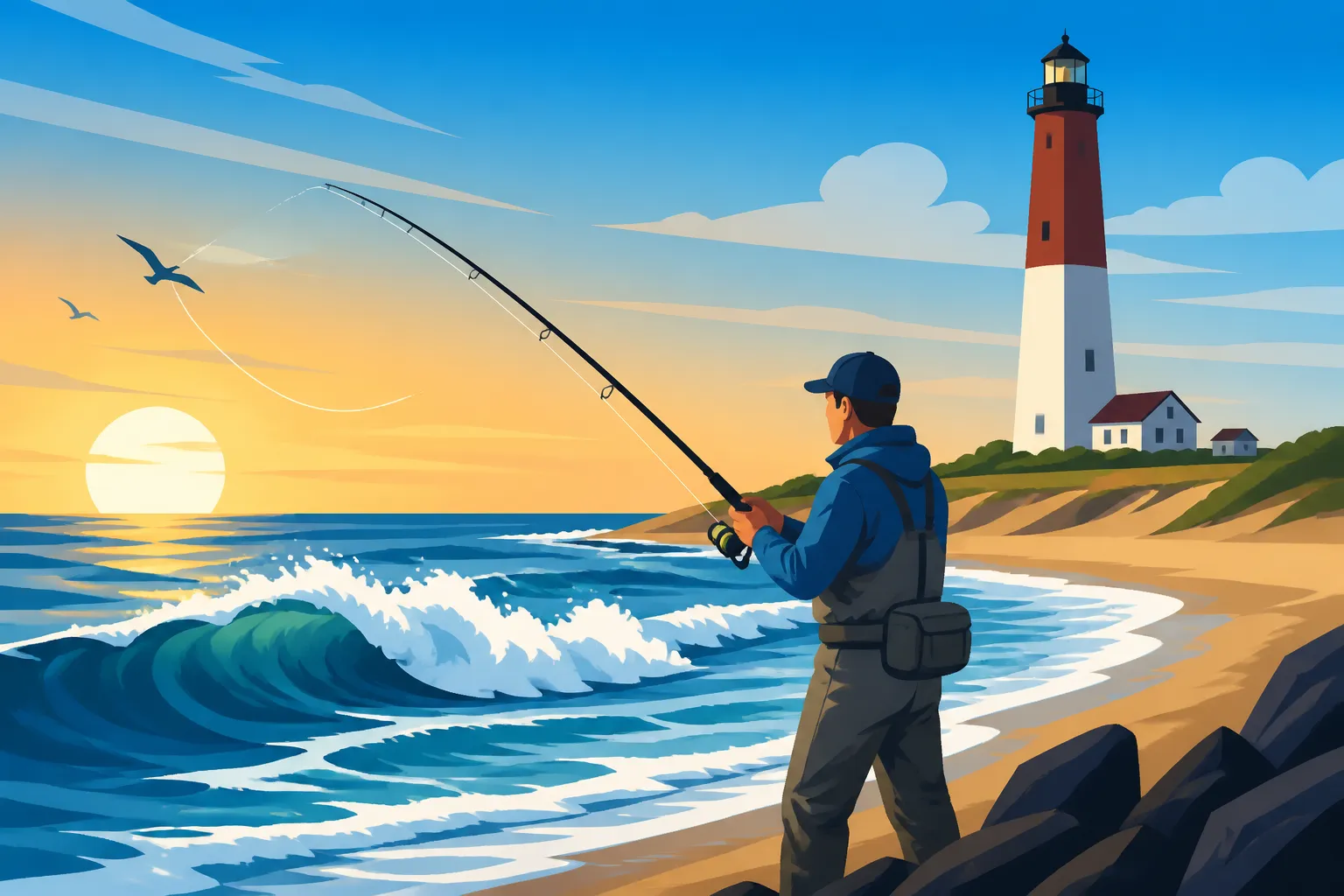
Barnegat Light Surf Fishing Guide
There's nothing quite like the feeling of the salty air on your face, the roar of the ocean in your ears, and the anticipation of a strong tug on your line, but finding the truly productive spots and understanding their nuances can be a real challenge for surf anglers. This comprehensive guide is dedicated to breaking down everything you need to know about surf fishing at Barnegat Light, offering detailed insights into its unique features, prime fishing locations, target species, and the best techniques to ensure your next outing is a success.
Why Barnegat Light is a Premier Surf Fishing Destination
Barnegat Light, situated at the northern tip of Long Beach Island (LBI), isn't just a picturesque spot with its iconic lighthouse; it's a legendary surf fishing mecca for a reason. Anglers come from all over New Jersey and beyond to experience the incredible opportunities this unique location offers. Its combination of deep water access, significant structure, and abundant baitfish populations creates a dynamic environment ripe for a diverse range of species.
The Allure of the Jetty and Beach Front
The most prominent feature drawing anglers to Barnegat Light is undoubtedly the massive Barnegat Inlet jetty. This granite behemoth stretches far into the ocean, providing crucial habitat for baitfish and ambush points for predatory species. Fishing the jetty offers an entirely different experience compared to open beach fishing, allowing anglers to cast into deeper channels and turbulent rips that hold large fish. On any given tide, you'll see a mix of dedicated jigging enthusiasts and bait fishermen lining its rocky edges, each hoping to hook into a trophy. Beyond the jetty, the extensive beachfront south of the lighthouse offers miles of prime surf access, characterized by a constantly shifting sandy bottom with promising troughs, bars, and cuts that are perfect for traditional surfcasting.
Rich Forage and Diverse Marine Life
What really makes Barnegat Light shine as a fishing hotbed is the sheer abundance of baitfish. The powerful currents of the inlet act like a natural funnel, concentrating schools of bunker (menhaden), spearing, mullet, and silversides. These dense baitfish aggregations, especially during their spring and fall migrations, draw in a host of larger predatory fish. Striped bass, bluefish, and fluke are the usual suspects, but the area also sees strong runs of weakfish, drum, and even some pelagic species venturing close to shore. This rich food source ensures a healthy ecosystem, providing consistent action for those who know how to tap into it. The constant movement of water also brings in crabs and shellfish, further diversifying the menu for bottom-feeding species.
Understanding the Unique Geography and Currents
To truly master surf fishing at Barnegat Light, you need to appreciate the specific geographical features and the powerful currents that shape this fishing ground. It’s not just about casting a line; it’s about understanding the ocean's intricate dance at this particular spot.
The Barnegat Inlet Dynamics
The Barnegat Inlet is a narrow, deep channel connecting Barnegat Bay to the Atlantic Ocean, and its dynamics are the beating heart of fishing at Barnegat Light. During outgoing tides, an immense volume of water rushes out of the bay, creating strong currents and flushing baitfish into the ocean. This creates a feeding frenzy, especially for striped bass and bluefish, which position themselves at the edges of these rips to ambush unsuspecting prey. Conversely, incoming tides push clean ocean water and new schools of bait into the inlet and back bay, often bringing warmer water and a different set of opportunities. The interplay of these tides around the jetty's structure creates complex current patterns that can be daunting but are incredibly productive if you learn to read them. These swift currents often necessitate heavier weights to hold bottom, so be prepared with a variety of sinker sizes.
Reading the Rips and Cuts
Successful surf fishing here hinges on your ability to "read" the water – identifying the rips, sloughs, and cuts where fish are likely to be holding or feeding. Rips are areas of turbulent water caused by opposing currents or currents hitting submerged structure, and they're prime ambush points for predators. Often, you'll see a distinct line of disturbed water where the currents clash, or a calmer "eddy" formed behind a rock or sandbar. Cuts, on the other hand, are deeper channels running perpendicular to the beach, often carved out by strong currents, providing fish with a highway to move closer to shore. Look for areas where waves aren't breaking, indicating deeper water, or where waves break consistently further out, suggesting a sandbar with a trough in between. Paying attention to bird activity can also be a huge clue; diving birds usually mean baitfish are being pushed to the surface by predators below. Observing other experienced anglers can also reveal where the most productive spots are on a given day.
Key Fish Species Targeted at Barnegat Light
Barnegat Light offers a smorgasbord of fishing opportunities throughout the year, with different species peaking in activity during specific seasons. Knowing what you're likely to encounter helps you tailor your approach, gear, and bait.
Chasing Striped Bass and Bluefish
Striped bass are, without a doubt, the undisputed kings of the surf at Barnegat Light. Both resident stripers and migratory fish that move along the coast in spring and fall can be found here. They love the turbulent waters around the jetty and the deeper troughs along the beach, especially when baitfish are plentiful. Anglers often target them with a variety of methods, from casting large plugs and swim shads to soaking chunks of fresh bunker or clams. During the legendary fall run, the action can be furious, with multiple hook-ups possible as vast schools of bass migrate south. Understanding the nuances of the New Jersey Striped Bass Slot Limit Explained is crucial for keeping legal fish.
Bluefish are the other dominant predators, known for their aggressive strikes and powerful fights. They frequent the same waters as striped bass, often feeding right alongside them, especially when baitfish are concentrated. While not always everyone's preferred table fare, their sheer ferocity makes them an exhilarating catch. They'll readily hit metal lures, poppers, and cut bait. Remember, bluefish have razor-sharp teeth, so wire leaders are often a good idea to prevent bite-offs. You can learn more about the Best Lure Color for Bluefish to increase your chances.
Fluke and Drum Opportunities
Beyond the aggressive predators, Barnegat Light is also an excellent spot for summer flounder, commonly known as fluke. These flatfish love to lie in wait in the sandy bottoms of sloughs and channels, ambushing baitfish and crustaceans. Drifting bucktails tipped with Gulp! or live minnows (like spearing or peanut bunker) is a highly effective method, particularly along the edges of the inlet channel or in the calmer parts of the surf. The key with fluke is presenting your bait close to the bottom, where they camouflage themselves. Always be mindful of the New Jersey Fluke Size Limit: 18 Inches to ensure your catch is legal.
As spring transitions into early summer, you also have a chance to encounter black drum and red drum, especially around the deeper cuts and the main channel. Black drum are big, powerful fish that feed primarily on shellfish, so targeting them usually involves using clam snouts or pieces of crab on a heavy bottom rig. Red drum, while less common than their black cousins, can offer an exciting fight and are often found in the shallower, surf-washed areas.
Other Exciting Catches
The diverse environment of Barnegat Light means you're never quite sure what might bend your rod. Weakfish, with their iridescent scales and delicate mouths, can provide thrilling action, especially during their spring and summer runs. They often feed on small baitfish and shrimp, making soft plastics and small jigs effective. Tog (tautog) are another possibility, especially for jetty anglers who target the rocky structure with green crabs or fiddler crabs. These hard-fighting fish are known for their strong jaws and ability to strip bait quickly. Even kingfish, blowfish, and various species of skates and rays are common catches, providing continuous fun, especially for family outings or beginners. It's truly a spot where every cast holds potential for surprise.
Essential Gear and Rigs for Barnegat Light Surf Fishing
Having the right tackle and knowing how to rig it properly is paramount for success at Barnegat Light. The conditions here, from powerful currents to potential trophy-sized fish, demand equipment that can stand up to the challenge.
Rods, Reels, and Line Selection
For general surf fishing along the beachfront, a medium-heavy to heavy surf rod, typically 9 to 12 feet long, is your best bet. This length provides the casting distance needed to reach distant sandbars and troughs. Match this with a robust spinning reel, sized 6000 to 10000, capable of holding a substantial amount of line and handling strong fish. When fishing from the jetty, some anglers opt for even longer rods, up to 13-15 feet, for maximum casting distance into the inlet, while others prefer shorter 7-9 foot rods for precise jigging between the rocks. You might find our guide on the Best Rod Length for Jersey Shore Surf Fishing helpful.
As for line, braided line is a popular choice for its strength-to-diameter ratio and sensitivity, allowing you to feel subtle bites even in strong currents. A 30 to 50 lb test braid is common. Always use a monofilament or fluorocarbon leader (50-80 lb test) when targeting toothy bluefish or abrasive structure with stripers, especially when fishing with artificials. This added abrasion resistance can save you from losing a trophy fish.
Go-To Baits and Lures
Barnegat Light offers conditions for both bait and artificial presentations. For bait fishing, fresh bunker (cut into chunks or fished whole), fresh clam (especially for drum or stripers), and shedder crab are all highly effective. Live eels are deadly for large striped bass, particularly when fished after dark around the jetty. For artificial lures, metal casting spoons like Hopkins or Tsunami Sizzle Fish are fantastic for bluefish and stripers, especially when they're feeding on schools of baitfish. Large poppers can trigger explosive surface strikes from both species. Bucktail jigs, especially when tipped with a Gulp! Swimming Mullet or a pork rind, are incredibly versatile for fluke, striped bass, and even bluefish. Soft plastic paddletails rigged on jig heads are also gaining popularity for their lifelike action.
| Species | Best Seasons | Primary Baits | Go-To Lures |
|---|---|---|---|
| Striped Bass | Spring (Apr-May), Fall (Oct-Dec) | Fresh Bunker, Clam, Live Eel | Large Plugs, Bucktail Jigs, Swim Shads |
| Bluefish | Spring (May-Jun), Summer (Jul-Sep), Fall (Sep-Nov) | Cut Bait (Bunker), Live Bait | Metal Lures, Poppers, Casting Spoons |
| Fluke | Summer (May-Sep) | Live Minnows, Squid Strips, Gulp! | Bucktail Jigs (tipped with Gulp!), Scented Grubs |
| Black Drum | Spring (Apr-Jun) | Clam Snouts, Peeler Crab | Heavy Bottom Rigs (bait only) |
| Weakfish | Spring (May-Jul), Fall (Sep-Oct) | Shrimp, Squid, Small Baitfish | Soft Plastics, Small Jigs |
Specific Rigs for the Jetty and Surf
The type of rig you use will depend heavily on where you're fishing. For open surf casting, a fish-finder rig is a classic choice, allowing your bait to move naturally with the current while your sinker holds bottom. A 3-way swivel rig with a pyramid sinker is also effective for keeping bait in the strike zone. If you're targeting fluke, a standard fluke rig with a Bucktail Jigging Techniques for New Jersey Anglers, or a simple high-low rig with Gulp! is often sufficient. When fishing the jetty, a snelled hook directly to your leader with a bank sinker (heavy enough to hold in the current) is common, allowing you to present bait close to the rocks. Many jetty anglers prefer heavier leaders to withstand abrasion against the granite. For artificials, simply tie your lure directly to your leader with a strong knot like a Palomar or improved clinch. Don't be afraid to experiment with different weights for your sinkers; conditions can change quickly, and what works one hour might not work the next.
Prime Fishing Spots and Access Points
Barnegat Light offers distinct fishing environments, each with its own strategies and challenges. Knowing where to go and how to fish it is key to maximizing your chances.
The Barnegat Lighthouse Jetty Strategy
The Barnegat Lighthouse jetty is arguably the most famous fishing spot at Barnegat Light. Its sheer length and the depth of the water it encompasses make it a magnet for large fish. Anglers fishing the ocean side of the jetty often cast large plugs or metal lures out into the open water, targeting migrating stripers and bluefish. The inlet side, however, is where the real current show happens. Here, anglers jig for striped bass and fluke in the rips and eddies, using heavy bucktails or swim shads to get down to where the fish are holding. Patience and persistence are vital on the jetty, as are proper footwear for navigating the uneven rocks. Always be aware of rogue waves, especially on windy days or during strong tides. If you're new to jetty fishing, consider going with an experienced angler first to learn the ropes. The jetty can be productive during both incoming and outgoing tides, but many veteran anglers swear by the outgoing tide for bringing baitfish out of the bay and into the hungry mouths of waiting predators.
Beachfront Access and Hot Zones
South of the lighthouse, the Long Beach Island beachfront stretches for miles, offering classic surf fishing opportunities. Access points are plentiful, with street-end parking and beach entrances throughout the town of Barnegat Light. The key here is finding the "hot zones" – the subtle depressions, sloughs, and sandbars that hold bait and attract fish. Look for areas where waves are breaking further out, indicating an outer bar, with a deeper trough between it and the shore. This trough is a prime feeding lane. Also, pay attention to "cuts" or "washes" – deeper channels that breach sandbars, providing access for fish to move closer to the beach. These areas are often visible at low tide. Walking the beach at low tide to identify these structures can be incredibly beneficial for planning your high tide assault. Areas near the jetty washout are often dynamic and can hold fish that are transitioning between the inlet and the open beach. Don't be afraid to walk a bit and try different spots until you find where the fish are holding on a given day. You can also book a local guide through platforms like FishingBooker to help you identify these hotspots more efficiently, especially if you're unfamiliar with the area.
Navigating Tides, Seasons, and Weather for Success
The ocean is a dynamic environment, and success at Barnegat Light often hinges on understanding and adapting to its ever-changing conditions. Tides, seasons, and weather all play a critical role in fish behavior and your overall experience.
Harnessing the Power of the Tides
At Barnegat Light, tides aren't just a recommendation; they are the backbone of your fishing strategy. The Barnegat Inlet generates incredibly strong tidal currents, especially during the new and full moons. Generally, the last two hours of an outgoing tide and the first two hours of an incoming tide are considered prime for striped bass and bluefish. During the outgoing tide, baitfish are swept out of Barnegat Bay, creating a feeding frenzy in the inlet and around the jetty. During the incoming tide, clean ocean water pushes fresh bait in, often activating fish closer to the beach. However, some species, like fluke, might prefer different tidal stages, often biting well during slower moving water or slack tide. Learning How to Read Tide Charts for Better Fishing in New Jersey is essential for planning your trip, ensuring you arrive at the peak bite window. Don't just show up and cast; understand what the water is doing and how it influences fish movement.
Seasonal Fishing Calendars
Barnegat Light is a year-round fishery, but different seasons offer distinct opportunities:
- Spring (April – June): This is when the migratory striped bass arrive, often large fish looking to feed heavily. Bluefish also show up, sometimes in massive numbers. Fluke season kicks off in May. This is a highly anticipated time, with anglers lining the jetty and beaches.
- Summer (July – August): While the largest stripers often move offshore, plenty of resident bass remain, along with strong populations of fluke, bluefish, and weakfish. This is a great time for family fishing, with opportunities for kingfish and blowfish in the calmer surf. Early mornings and late evenings are usually most productive to avoid beach crowds and boat traffic.
- Fall (September – December): The legendary fall run for striped bass and bluefish makes this a highly productive period. As baitfish migrate south, the predators follow, creating incredible blitzes and consistent action. Fluke fishing remains strong into early fall. This is arguably the most exciting time to be surf fishing at Barnegat Light, with the potential for trophy catches.
- Winter (January – March): While much slower, dedicated anglers can still find some holdover striped bass, especially around the deeper pockets of the inlet. Tautog fishing can also be productive on the jetty during milder winter days. This is a time for hardy anglers who don't mind the cold and are looking for a challenge. For a complete overview, check out our guide on New Jersey Fishing Season Dates and Closures.
Weather Considerations for Safety and Bites
Weather plays a huge role in surf fishing. Strong winds, especially from the northeast, can make casting impossible and create dangerous surf conditions. Always check the marine forecast before heading out. A slight chop on the water can actually be beneficial, as it breaks up the water's surface, making it harder for fish to spot your line and creating turbulent areas where baitfish get disoriented. However, extremely rough surf can make fishing unproductive and unsafe. Post-storm conditions, particularly after a strong nor'easter that churns up the bottom and disorients bait, can sometimes lead to incredible fishing as predators move in to capitalize on the chaos. Always prioritize safety: never turn your back on the ocean, especially on the jetty, and be aware of changing conditions. A local charter booked through FishingBooker might cancel due to adverse weather, which is a good indicator of when it's too rough to fish from shore as well.
Rules, Regulations, and Conservation at Barnegat Light
Fishing at Barnegat Light means respecting not only the ocean but also the regulations put in place to protect its precious resources. Ignorance of the rules is no excuse, and responsible angling ensures healthy fish populations for future generations.
Understanding Local and State Regulations
Before you even make your first cast, you need to be aware of the current New Jersey fishing regulations. This includes understanding bag limits, size limits, and open seasons for all species you might encounter. These rules are subject to change annually, so always consult the latest New Jersey Fish and Wildlife Digest. For instance, the New Jersey Striped Bass Slot Limit Explained dictates the specific size range of bass you can keep, a measure designed to protect spawning fish. Similarly, the New Jersey Fluke Size Limit: 18 Inches is strictly enforced. Violating these rules can lead to hefty fines and loss of fishing privileges, so it’s simply not worth the risk.
Furthermore, remember that you'll need a New Jersey fishing license for freshwater activities and must register with the New Jersey Saltwater Registry Explained if you're fishing in saltwater, which covers Barnegat Light. While the saltwater registry is free, it’s a crucial step to avoid penalties. Even if you're just visiting, this requirement applies. Ensure you always have proof of your license or registry on hand when fishing.
Ethical Angling and Preservation
Beyond just following the rules, ethical angling practices are vital at Barnegat Light. This means practicing catch and release properly, especially for fish outside the legal slot limits or those you don't intend to keep. Handle fish gently, minimize their time out of water, and use appropriate de-hooking tools. Avoid snagging baitfish unnecessarily. Also, never leave trash on the beach or jetty; pack out everything you pack in. Discarded fishing line, hooks, and plastics are hazardous to wildlife.
Considering the heavy fishing pressure this area receives, being mindful of your impact is more important than ever. If you witness a fishing violation, it's your responsibility as an angler to report it to the New Jersey Division of Fish and Wildlife's Marine Law Enforcement. By adhering to regulations and adopting a conservation-minded approach, we can all contribute to preserving the incredible fishing opportunities that Barnegat Light offers for years to come.
Disclaimer
Please remember that fishing conditions, regulations, and access can change. Always consult the latest New Jersey Division of Fish and Wildlife regulations before heading out. This guide is for informational purposes only and should not replace official sources.