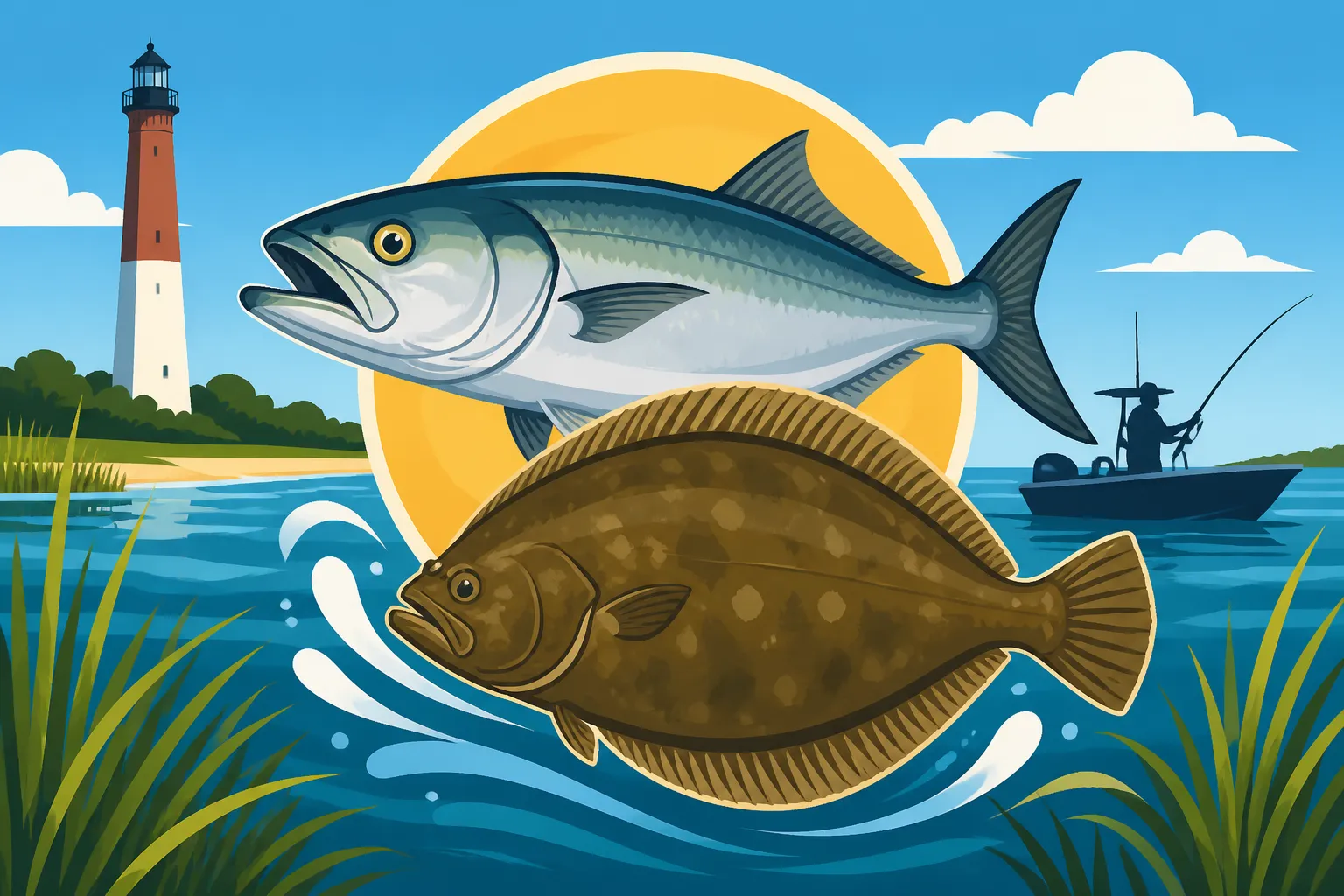
Barnegat Bay Bluefish and Fluke Spots
Few things are as frustrating as staring out at the seemingly endless expanse of Barnegat Bay, knowing it's teeming with bluefish and fluke, but having no idea where to even begin dropping your line. It's a vast, dynamic system, and trying to stumble upon the best spots can feel like searching for a needle in a haystack. This guide is designed to cut through that confusion, pinpointing the most productive areas for both hard-fighting bluefish and delicious fluke, so you can spend less time guessing and more time bending a rod.
Understanding Barnegat Bay's Unique Ecosystem for Bluefish and Fluke
Barnegat Bay isn't just any body of water; it's a critical estuary that offers a complex and ever-changing environment. This shallow, brackish bay, stretching for miles along the Jersey Shore, is a nursery, feeding ground, and migratory highway for countless species, including our target fish: bluefish and fluke. Its unique characteristics are precisely what make it such a fantastic fishery, but also what makes understanding it so crucial to your success.
The Lay of the Land: Depths, Structure, and Tides
The first thing you'll notice about Barnegat Bay is its relatively shallow nature. While there are deeper channels, especially near the inlets and bridges, much of the bay consists of expansive flats, mud bottoms, and sedge islands. These shallower areas warm up quickly in the spring, drawing in baitfish and, subsequently, the predators that chase them. Look for subtle changes in depth, even just a few feet, as these can create current breaks and ambush points.
Structure is another key element. This isn't just about artificial reefs (though New Jersey has some fantastic ones offshore); within the bay, structure means anything from submerged grass beds, oyster reefs, bridge pilings, jetty rocks, and even the edges of sandbars. Bluefish and fluke are masters of using these features to their advantage, either to hide from predators, ambush prey, or escape strong currents. The sheer number of sedge islands, particularly in the northern and central parts of the bay, creates a labyrinth of cuts and pockets that are absolutely magnets for fish.
Perhaps the most critical factor in Barnegat Bay fishing is the tide. Being a tidal estuary, the movement of water is everything. Rising tides push baitfish from the ocean and out of the deeper channels onto the flats, while falling tides pull them back out into the main channels and towards the inlet. Understanding these movements, and how they affect different areas of the bay, is paramount. For detailed guidance, you'll want to learn more about How to Read Tide Charts for Better Fishing in New Jersey, as it can make or break your trip.
Prime Forage: What Bluefish and Fluke Are Eating
To truly understand where to find bluefish and fluke, you need to think like them – which means understanding what they're looking for to eat. Barnegat Bay is incredibly rich in baitfish, and the presence of these smaller species directly dictates where your target fish will be.
For bluefish, the menu is diverse, but they have a particular fondness for oily, fast-moving baitfish. This includes abundant schools of spearing (silversides), peanut bunker (juvenile menhaden), and mullet. When these baitfish are present, especially in large, visible schools, bluefish won't be far behind, often creating chaotic surface feeds known as "bluefish blitzes." They're not picky and will often hit anything that resembles a struggling baitfish, making them an exciting target.
Fluke, or summer flounder as they're officially known, are ambush predators. They prefer to lie camouflaged on the bottom, waiting for an unsuspecting meal to swim by. Their diet primarily consists of smaller fish like spearing, killifish, and juvenile snapper bluefish. They also love squid, small crabs, and shrimp. This bottom-dwelling feeding habit means you'll often find them in areas where these smaller creatures congregate, particularly along channel edges, drop-offs, and in current-swept areas where food is delivered directly to them. Understanding what's on their menu helps you choose the right bait or lure.
Top Bluefish Hotspots in Barnegat Bay
Bluefish are often the first major migratory species to arrive in numbers in Barnegat Bay during the spring, and they stick around in varying sizes and quantities well into the fall. Their aggressive nature and powerful fights make them a favorite target for many anglers. When they're in the bay, they're usually there for one reason: to eat! Knowing their preferred ambush points will put you ahead of the game.
The Barnegat Inlet and Surrounding Channels
Without a doubt, the Barnegat Inlet is a bluefish magnet. This is where the powerful ocean currents meet the bay, creating a nutrient-rich mixing zone that funnels vast amounts of baitfish in and out. Bluefish of all sizes, from snapper blues to choppers, will stage in and around the inlet, particularly during strong tidal flows. The area immediately inside the inlet, where the water starts to calm and spread out, is incredibly productive.
Key areas to focus on include the Oyster Creek Channel, which runs parallel to the east side of the bay from the inlet northward. This channel, and its various feeder creeks and eddies, holds a tremendous amount of bait and is a consistent producer of bluefish. Additionally, the waters around Barnegat Light, both inside and outside the jetty, are prime territory. Look for birds diving, which is a sure sign of bait being pushed to the surface by predatory fish. Casting metal jigs or topwater poppers into these feeding frenzies can result in non-stop action. Just be mindful of the strong currents and boat traffic in this area.
Sedges and Shallow Flats: Ambush Points
While the inlet is famous, don't overlook the expansive sedge islands and shallow flats that dominate much of the central and northern bay. These areas, particularly during an incoming tide, become flooded, bringing in a smorgasbord of baitfish. Bluefish will push into these shallower waters, often herding bait against the marsh grass or into small pockets. This is where the infamous "bluefish blitz" can erupt, as large schools of blues corral and devour baitfish, often with a lot of splashing and bird activity.
Productive sedge island areas include the extensive marshlands near the Seaside Park and Island Beach State Park stretch, as well as the areas surrounding the "Double Creek" and "Sedge Island" zones. These spots are fantastic for kayak anglers or those in shallow-draft boats. Look for cuts and channels running through the sedges, as these provide deeper water access for bluefish to move in and out. Casting shallow-running plugs, soft plastics, or even small metal spoons can be incredibly effective when bluefish are actively feeding in these shallower ambush points. The action can be fast and furious, and it's an experience every angler should try to witness.
Bridges and Structure
Just like striped bass, bluefish are drawn to artificial structure. The bridge pilings, particularly those of the Mathis Bridge and Thomas A. Mathis Bridge that span the bay to connect Toms River and Seaside Heights, offer shelter, current breaks, and prime ambush points. These pilings are often encrusted with mussels and barnacles, attracting smaller baitfish and crabs, which in turn draw in larger predators.
Fishing around bridges can be tricky due to strong currents and boat traffic, but it can be highly rewarding. Casting metal jigs or even live bait (if you can get it to stay) near the pilings, especially on a moving tide, can entice a strike. The shadows cast by the bridges also provide cover. Other structures, such as old docks, navigation markers, and even larger moored boats, can also hold bluefish, especially smaller "snapper" blues that are looking for easy meals. Always approach these areas with caution and be aware of your surroundings, but don't hesitate to investigate them.
Premier Fluke (Summer Flounder) Grounds in Barnegat Bay
Fluke are arguably the most popular target species in Barnegat Bay, and for good reason. They are plentiful, delicious, and offer an engaging challenge for anglers using a variety of techniques. While bluefish are often found high in the water column, fluke are creatures of the bottom, requiring a different approach. Remember, it's crucial to know the rules, as New Jersey Fluke Size Limit: 18 Inches and New Jersey Fluke Bag Limit Explained are strictly enforced.
Main Channels and Causeway Bridges
The deep, well-defined channels of Barnegat Bay are textbook fluke habitat. These channels, like the main Intracoastal Waterway (ICW) that snakes its way north and south through the bay, provide consistent current flow which brings food directly to waiting fluke. They often lie on the edges of these channels, camouflaged against the bottom, waiting to ambush anything that drifts by.
The areas around the causeway bridges are particularly productive. The Mathis Bridge and Thomas A. Mathis Bridge, mentioned for bluefish, are equally fantastic for fluke. The strong currents around the pilings, combined with the deeper water and structure, create ideal conditions. Anglers often drift under these bridges or along their edges, bouncing bucktails or bait rigs along the bottom. The depth changes and eddies created by the bridge structure are prime spots. Other significant channels include the main channel running north from Barnegat Inlet towards the Toms River, and the sections of the ICW near Harvey Cedars and Beach Haven. Look for distinct drop-offs or areas where the current creates scour marks on the bottom – these are often fluke hot zones.
Inlet and Bay Mouth: Deeper Water Fluke
As the fluke season progresses and the bay waters get warmer, many of the larger "doormat" fluke tend to move towards the cooler, deeper waters of the Barnegat Inlet and the immediate mouth of the bay. The strong tidal currents here not only provide a constant supply of food but also keep the water cooler and more oxygenated.
Fishing the inlet for fluke typically involves drifting bucktails or Gulp! artificial baits, often tipped with a piece of natural bait like a spearing or strip of squid, along the deeper channel edges. The turbulent water can be challenging to fish, but it often holds the largest fish. Also, consider the sand shoals and sloughs just inside the inlet, particularly during slower tides when fluke might move up onto these slightly shallower areas to feed. For techniques on how to effectively fish these areas, exploring guides like How to Drift Fish for Fluke can provide invaluable tips. Don't forget the offshore wrecks and reefs are also fantastic for fluke later in the season, but for strictly bay fishing, the inlet is your gateway to bigger fish.
Grassy Flats and Edges
While deeper channels are excellent, fluke also frequent the expansive grassy flats and their edges, especially during cooler parts of the season or in the early morning/late evening. These grass beds provide excellent cover for fluke to hide, and they are teeming with baitfish, shrimp, and crabs – all prime food sources.
Areas with significant eelgrass or other submerged vegetation, particularly where the grass transitions to sandy or muddy bottom, are prime spots. The key here is to drift slowly, allowing your bait or bucktail to tick along the edge of the grass without getting completely bogged down in it. Look for potholes within the grass, which are small sandy clearings that fluke love to lay in. These areas are especially good for kayak anglers who can silently navigate the shallower waters. The flats around Great Bay, just south of the main Barnegat Bay, are also known for their productive grass beds and offer similar fluke opportunities.
Table: Bluefish vs. Fluke Fishing in Barnegat Bay
| Feature | Bluefish | Fluke (Summer Flounder) |
|---|---|---|
| Preferred Habitat | Inlet, channels, sedges, shallow flats, structure | Channels, bridge pilings, grassy edges, potholes, inlet |
| Feeding Behavior | Aggressive, surface feeders, schooling predators | Ambush predators, bottom dwellers |
| Primary Forage | Peanut bunker, spearing, mullet, squid | Spearing, killifish, squid, crabs, shrimp, juvenile blues |
| Best Seasons | Spring (smaller), Summer, Fall (larger choppers) | Late Spring, Summer, Early Fall |
| Common Baits/Lures | Metal jigs, poppers, topwater plugs, cut bait, spoons | Bucktail jigs (tipped), Gulp! soft plastics, live spearing, minnows, squid strips |
| Key Technique | Casting & retrieving, trolling | Drifting, slow jigging, bottom bouncing |
| Optimal Tide | Strong moving tides (incoming/outgoing) | Moving tides, often along channel edges |
Seasonal Strategies for Targeting Bluefish and Fluke
Fishing in Barnegat Bay is a year-round affair, but the presence and behavior of bluefish and fluke are heavily influenced by the seasons. Understanding these patterns is crucial for consistent success. The migration of fish like striped bass and bluefish through the bay is a testament to these seasonal shifts, and knowing when to expect them can significantly boost your catch rates.
Spring Transition: Early Season Opportunities
As the frigid grip of winter loosens and water temperatures slowly begin to climb into the 50s and 60s, Barnegat Bay awakens. This is a critical transition period where the first waves of migratory fish push into the bay, following the warming waters and the burgeoning baitfish schools.
For bluefish, early spring often sees the arrival of smaller "snapper" blues, followed by larger specimens. They'll typically be found in the warmer, shallower sections of the bay first, especially near creek mouths and protected coves where bait congregates. Casting small metal lures or even using chunks of cut bait can be effective. This is also a great time to target them around the Barnegat Inlet as they move in from the ocean.
Fluke also start to make their appearance in late spring, usually when water temperatures reach the mid-50s. The earliest fluke are often found in the shallower bay waters, particularly over mud or sand flats that absorb the sun's warmth quickly. Target the edges of these flats as well as the shallower sections of the main channels. Slow drifting with small bucktails tipped with Gulp! or natural bait like spearing is a classic early-season tactic. Don't expect huge numbers, but the fish you find will be hungry and aggressive after the cold winter. Be sure to check the New Jersey Fluke Season Dates for 2026 to ensure you're fishing legally.
Summer Peak: Consistent Action Across the Bay
Summer is prime time in Barnegat Bay, with warm waters and an abundance of baitfish meaning consistent action for both bluefish and fluke. However, the warmer water also means fish can spread out more, and you might need to adjust your tactics.
Bluefish during the summer can be found almost anywhere in the bay where bait is present. Early mornings and late evenings are often the best times, especially for surface activity, as bluefish tend to be more active when the sun isn't directly overhead. Look for working birds or surface boils to pinpoint schools. Trolling with plugs or casting metal jigs into these schools will yield results. During midday, bluefish might retreat to deeper channels or hold near structure, making them a bit harder to find but still catchable with deeper-running lures or bottom rigs.
Fluke fishing also peaks in the summer, though the fish might move into slightly deeper, cooler waters or areas with more current during the hottest parts of the day. The main channels and areas around the Barnegat Inlet remain highly productive. However, don't ignore the grassy flats during early mornings or overcast days. Many anglers opt for longer drifts, covering more ground, or focusing on specific channel bends and drop-offs. Live bait, like peanut bunker or killifish, becomes increasingly effective for larger fluke as summer progresses. The key is to keep your bait on the bottom and moving slowly.
Fall Run: Feeding Frenzies and Big Fish
The fall run is arguably the most exciting time to fish Barnegat Bay. As water temperatures begin to drop and days shorten, baitfish begin their migration out of the bay and along the coast, creating an epic feeding frenzy. Both bluefish and fluke gorge themselves, preparing for their own migrations.
For bluefish, the fall run is legendary. This is when the largest "chopper" blues enter the bay, often in massive schools, relentlessly chasing down peanut bunker and mullet. The entire bay can erupt in spectacular blitzes, especially near the Barnegat Inlet and along the ICW. Topwater plugs, large metal jigs, and even large chunks of cut bait can all produce savage strikes. The action can be non-stop, with multiple hookups common. This is also a fantastic time to target them from the surf along Island Beach State Park, as they often push bait right up to the beach.
Fluke fishing in the fall can also be exceptional, often producing some of the largest fish of the season. As the water cools, fluke become more aggressive, feeding heavily before moving offshore for the winter. They tend to concentrate in the deeper channels leading to the Barnegat Inlet, making long drifts in these areas particularly effective. Many anglers switch to larger live baits, like juvenile spot or peanut bunker, for targeting those trophy fluke. While the New Jersey Fluke Season End Date marks the close of the recreational season, the fishing in the lead-up to it can be phenomenal.
Essential Techniques and Gear for Barnegat Bay
Being prepared with the right techniques and gear makes all the difference when you're out on Barnegat Bay. Whether you're chasing the aggressive bluefish or the stealthy fluke, a few core principles will help you succeed. This isn't just about having expensive equipment; it's about having the right equipment for the job.
Fluke Rigging and Drifting Tactics
Fluke fishing in Barnegat Bay is synonymous with drifting. The idea is simple: let the current carry your boat, kayak, or even just your bait, across productive bottom, presenting your offering to waiting fluke.
- Bucktails: These are incredibly popular for a reason. A bucktail jig, typically in weights from 1/2 oz to 2 oz depending on current and depth, is often tipped with a scented artificial bait like a Gulp! Swimming Mullet (chartreuse, white, or pink are popular colors) or a strip of natural bait like squid or spearing. The key is to keep the bucktail bouncing or dragging along the bottom, simulating a wounded baitfish. Varying the retrieve, from short hops to a slower drag, can trigger strikes.
- Traditional Rigs: A simple two-hook rig, often called a "fluke rig," is also highly effective. This typically consists of a sinker (again, weight adjusted for current) at the bottom, with two snelled hooks branching off above it. These hooks can be baited with live minnows, spearing, killifish, or strips of squid. Many anglers will also add a small spinner blade or a colorful bead to the rig to add attraction.
- Drifting Patterns: Successful drifting isn't random. Pay attention to wind and current. Ideally, you want to drift parallel to channel edges, over potholes, or along the transition zones between grass and sand. If your drift is too fast, use a drift sock or sea anchor to slow down. If it's too slow, adjust your weight. A good starting point for learning these methods is guides on How to Drift Fish for Fluke.
Bluefish Lures and Baitfishing Approaches
Bluefish are less finicky than fluke, making them an exciting target with a wide range of lures and baits. Their aggressive nature means they often hit anything that moves with conviction.
- Topwater Plugs and Poppers: There's nothing quite like seeing a bluefish explode on a surface lure! Topwater plugs and poppers are fantastic, especially when bluefish are actively feeding on the surface, pushing bait. Retrieve them with erratic jerks and pauses to mimic a struggling baitfish. Popular colors include chrome, white, and chartreuse.
- Metal Jigs and Spoons: When bluefish are holding deeper or when you need to cast a long distance into a blitz, metal jigs like diamond jigs or casting spoons are your best friend. Cast them out and retrieve rapidly, often with a slight jigging motion. The flash and vibration mimic fleeing baitfish. These are also great for pier and jetty fishing. For crossover, some of the Best Lures for Striped Bass Fishing can also be highly effective for bluefish.
- Cut Bait: For those who prefer a more relaxed approach, or when bluefish are less active, cut bait can be incredibly effective. Chunks of bunker, mullet, or even pieces of mackerel on a simple bottom rig or float rig will often get a bite. This method is great for targeting larger bluefish that might be cruising deeper.
- Leader Material: Bluefish have razor-sharp teeth that can easily snip through monofilament line. Using a short section of heavy monofilament (50-80 lb) or fluorocarbon leader, or even a wire leader, is highly recommended to prevent cut-offs.
Boat and Kayak Considerations
Barnegat Bay offers diverse access for different types of vessels, but each comes with its own considerations.
- Boats: Most anglers use small to medium-sized center console or bay boats. A shallow draft is a huge advantage for accessing the sedge islands and flats, while enough power is needed to navigate the strong currents of the inlet and the main channels. Always carry up-to-date charts, a GPS, and all required safety equipment. Be mindful of shallow areas and constantly changing sandbars, especially on lower tides.
- Kayaks: Kayak fishing has exploded in popularity, and Barnegat Bay is a fantastic place for it. The ability to silently paddle into shallow water, right up to the marsh grass, gives kayak anglers a unique advantage for both fluke and bluefish. Safety is paramount; always wear your PFD, check weather forecasts, and avoid strong currents, especially near the inlet. For more specific locations, consider exploring the Best Kayak Fishing Spots on Barnegat Bay.
- Shore Access: While a boat opens up vast areas, there are still excellent opportunities from shore. Island Beach State Park offers miles of pristine surf fishing access. Piers like the ones in Seaside Heights also provide access to productive waters, particularly for bluefish and smaller fluke.
Navigating Barnegat Bay: Practical Tips and Resources
Fishing Barnegat Bay isn't just about casting a line; it's about understanding and respecting the environment. A little preparation and knowledge can turn a frustrating day into a fantastic one.
Tidal Influence: Timing Your Trip
We've mentioned it before, but it bears repeating: tides are everything in Barnegat Bay. The difference between a good day and a slow day often comes down to timing your fishing around the moving water. Both incoming and outgoing tides can be productive, depending on the specific spot and target species. For instance, an outgoing tide might concentrate baitfish in certain channels, while an incoming tide pushes them onto the flats.
Generally, you want to fish during a moving tide, when the water is pushing and pulling. Slack tide, when the water is still, often results in slower fishing. Using a reliable tide chart is non-negotiable. Plan your trips to coincide with the beginning or end of a tide cycle for maximum effect. Knowing when to expect the changes in current can help you reposition your boat or switch tactics to stay on the fish.
Conservation and Regulations
As stewards of the water, it's our responsibility to understand and adhere to all fishing regulations. These rules are in place to protect fish populations and ensure healthy fisheries for future generations. Before heading out, always consult the most current New Jersey Fish and Wildlife Digest, which can be found online or at bait and tackle shops.
Regulations cover everything from size limits and bag limits to season dates. For example, knowing the New Jersey Fluke Size Limit: 18 Inches is crucial, as is understanding the specific bag limits for different species. It's also important to have your proper licenses. A New Jersey Fishing License Guide for 2026 is a must-read for any angler, and remember that The New Jersey Saltwater Registry Is Free to Join but mandatory for saltwater anglers. Ignorance of the law is no excuse, and Conservation Police Officers regularly patrol the bay.
Finding Guides and Charters
Sometimes, the best way to learn a complex fishery like Barnegat Bay is to go with an experienced local. A good guide or charter captain can put you on fish, teach you local techniques, and share invaluable insights into the bay's nuances. This is especially true if you're new to the area or trying to target a specific species or technique.
Platforms like FishingBooker make it incredibly easy to find and book reputable New Jersey Charter Fishing Guide services in and around Barnegat Bay. You can search for captains specializing in fluke, bluefish, or a combination, and read reviews from other anglers to find the perfect fit for your trip. A guided trip can save you years of trial and error and significantly shorten your learning curve, making it a worthwhile investment for many. Whether you're looking for a half-day trip to target fluke or a full-day adventure to chase the biggest bluefish, a guide can provide the expertise and equipment you need.
Disclaimer
Please note that fishing conditions, regulations, and fish behavior can change rapidly. Always consult the latest New Jersey Fish and Wildlife regulations before any fishing trip. This guide is for informational purposes only and does not constitute a guarantee of catch. Practicing safe boating and fishing habits is paramount.