Fishing the Millstone River for Panfish
Many anglers, from seasoned veterans looking for a peaceful day to families introducing kids to the joys of the outdoors, often struggle to find accessible, productive spots for easy-to-catch panfish. It's a common frustration to drive around, hoping to stumble upon that perfect tranquil stretch of water where the bites are consistent and the atmosphere is relaxing. This comprehensive guide is here to alleviate that stress by detailing everything you need to know about successfully fishing the Millstone River for a variety of panfish, ensuring your next outing is both fruitful and enjoyable.
Understanding the Millstone River Ecosystem for Panfish
The Millstone River, a tributary of the Raritan River, winds its way through central New Jersey, offering a surprising amount of diverse habitat perfect for a variety of panfish species. It’s not a raging torrent, nor is it a stagnant pond; rather, it often strikes a beautiful balance, creating an ideal environment for those smaller, feisty fish that are so much fun to catch.
A Diverse Freshwater Habitat
The Millstone River is a tapestry of different aquatic environments, each contributing to its rich panfish population. You’ll find sections with fairly slow-moving water, creating deeper pools where fish can hide from predators and current. These pools often have abundant submerged vegetation, fallen logs, and undercut banks – all prime real estate for panfish. Think of these areas as apartment complexes for fish; they offer shelter, a steady food supply, and a place to spawn. Tributaries feeding into the Millstone can also create cooler, oxygenated zones that attract fish, especially during warmer months.
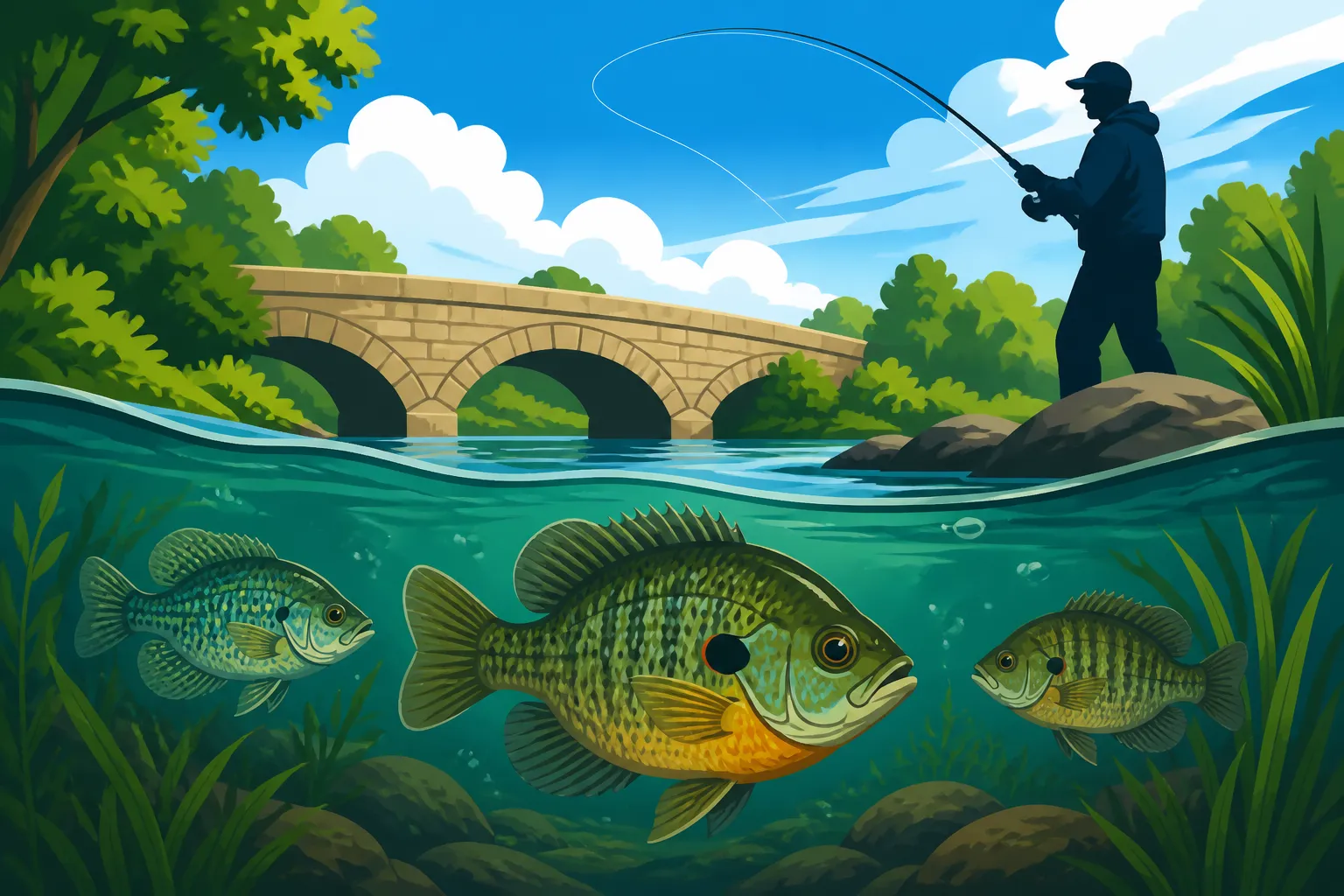
Within these diverse habitats, you're likely to encounter a fantastic array of panfish. Bluegill and pumpkinseed sunfish are often the most common, their vibrant colors flashing as they dart around structure. Crappie, both black and white, can be found lurking in deeper, calmer areas, especially around brush piles or submerged trees. Yellow perch, with their distinctive stripes, also call the Millstone home, particularly in slightly cooler or deeper sections. Don't be surprised if you hook into a bullhead catfish or even a small chain pickerel while targeting panfish; these species often share the same forage and habitats. Understanding these nuances of the river's structure will give you a significant advantage in knowing where to cast your line.
The Role of Water Levels and Conditions
Like any freshwater system, the Millstone River is heavily influenced by weather patterns, particularly rainfall. A heavy rainstorm can quickly transform a clear, placid river into a muddy, fast-moving torrent. While some anglers might see this as a deterrent, it’s simply a call to adapt your strategy. High water can spread fish out, making them harder to locate, and muddy water significantly reduces visibility, forcing fish to rely more on scent and vibration to find food. Conversely, prolonged dry spells can lead to lower water levels, concentrating fish in deeper pools and under shady cover.
The secret to consistent success on the Millstone, regardless of conditions, is observation and flexibility. After a heavy rain, fish often move to calmer backwaters, eddies, or close to the banks where the current is less aggressive and the water might clear faster. During periods of low, clear water, they become warier, making stealth and lighter tackle more important. Seasonal changes also play a huge role. Spring sees panfish moving into shallower areas to spawn, making them easier to target. Summer often means fishing early mornings or late evenings, or seeking out shaded, deeper pockets. Fall brings another feeding frenzy as fish fatten up for winter. Keeping an eye on the forecast and the river's recent history will help you predict fish behavior and choose the best times and locations for your outing.
Prime Access Points and Hotspots on the Millstone River
One of the great things about fishing the Millstone River is the relatively good public access, especially along portions that run parallel to the Delaware and Raritan Canal State Park. You don't always need a boat to find good fishing, making it a fantastic option for shore anglers and families.
Popular Public Access Areas
Several spots along the Millstone River offer excellent access for panfish anglers. The Griggstown Causeway area in Franklin Township is a well-known location. Here, you'll find parking and access to both the river and the parallel D&R Canal. The river often has some deeper stretches around the causeway and bridge abutments, which are natural holding spots for panfish. The slower current upstream or downstream from the causeway, especially where there's some woody debris or weed beds, is usually productive. It's a great spot for throwing a bobber rig with a worm or a small jig.
Further south, the area around Blackwells Mills Road also provides good bank access. Look for public land or small pull-offs that lead to the river's edge. Similar to Griggstown, the river in this section offers a mix of depths and structure. Any bend in the river or section with overhanging trees can concentrate panfish seeking shade and protection. Remember that much of the river runs through private property, so always be respectful and ensure you're on public access land.
Finally, while technically part of the Raritan River system, Carnegie Lake in Princeton is fed by the Millstone River, and the inlets where the Millstone flows in can be excellent for panfish, especially crappie and larger sunfish, particularly in early spring. The Delaware and Raritan Canal State Park, which runs for miles alongside the Millstone River, offers countless access points. While fishing the canal itself is often good for panfish (and usually calmer for beginners), many spots along the canal's river side provide opportunities to cast into the Millstone itself. If you're looking for a more personalized experience, or perhaps a different perspective from the water, resources like FishingBooker can help you find local guides who are intimately familiar with these waters and can take you to lesser-known, highly productive spots along the Millstone River or even the D&R Canal.
Navigating By Boat vs. Shore Fishing
When it comes to fishing the Millstone, you have options for how you want to approach it, each with its own advantages. Shore fishing is undoubtedly the easiest and most accessible method, especially for those new to the sport or fishing with young children. You can simply park your car, walk a short distance, and start casting. It’s cost-effective since you don't need specialized equipment beyond your rod, reel, and tackle. Many of the productive panfish spots, especially those near bridges, culverts, or public parks, are readily reachable from the bank. This makes it a perfect way to spend a relaxed afternoon, soaking up the sun and enjoying the natural surroundings without the hassle of launching a boat.
However, for those looking to explore more secluded areas, a kayak, canoe, or small jon boat can be a game-changer. These smaller craft allow you to reach areas of the river that are inaccessible from shore, often holding less pressured fish. You can quietly paddle into quiet coves, around submerged timber, or upstream to untouched pockets where panfish might be more abundant and less wary. There are several kayak and canoe launch points along the D&R Canal that also grant access to the Millstone River, allowing you to float and fish. For example, the Griggstown or Blackwells Mills areas often have suitable spots for hand-launching small watercraft. Just be mindful of the current, especially after heavy rains, and always wear a personal flotation device (PFD). No matter your chosen method, whether from shore or boat, always prioritize safety, especially when fishing unfamiliar waters.
Effective Panfish Techniques and Baits for the Millstone
Catching panfish on the Millstone River doesn't require a lot of fancy gear or complicated techniques. In fact, their cooperative nature is what makes them such a popular target, especially for beginners and those who just want to enjoy a simple day of fishing.
Simple Rigs for Maximum Fun
For panfish on the Millstone, simplicity is key. The classic bobber rig is probably the most effective and visually rewarding method. It’s incredibly straightforward: tie a small hook (sizes 8-12 are usually perfect) to your line, add a split shot or two a few inches above the hook to help your bait sink, and attach a small bobber a foot or two above that. The bobber not only suspends your bait at a desired depth but also provides that exciting visual cue when a fish bites, plunging under the surface. This setup is fantastic for fishing around weed edges, submerged logs, or over deeper holes from the bank or a boat. It's the quintessential setup for family fishing, as kids love watching the bobber disappear!
If you're fishing slightly deeper water or want to get your bait down faster without the current moving your bobber around too much, a small jig head can be incredibly effective. Use a 1/32 or 1/16 ounce jig head and tip it with a small piece of bait or a tiny soft plastic. You can cast this out and let it sink to the bottom, slowly retrieving it with subtle twitches, or fish it vertically under a bridge. For your main line, 4-6 pound test monofilament is ideal; it’s strong enough for most panfish but light enough to allow for good casting distance and a natural bait presentation. An ultralight or light action spinning rod, about 5.5 to 6.5 feet long, paired with a small spinning reel, will provide plenty of fight and make even a modest bluegill feel like a trophy.
The Best Baits and Lures for Millstone Panfish
When it comes to bait for panfish on the Millstone, you can’t go wrong with the classics. Live worms are hands down the most universal and effective bait. Nightcrawlers, red wigglers, or even garden worms are irresistible to bluegill, sunfish, crappie, and perch. Thread a small piece of worm onto your hook, ensuring the point is exposed, and get ready for action. They release scent, they wiggle, and they look like a natural food source – a combination that fish simply can’t ignore.
For targeting larger crappie or yellow perch, small live minnows can be incredibly effective. Hook them lightly through the lips or just behind the dorsal fin, and suspend them under a bobber near structure. They offer a more substantial meal and can entice the bigger panfish.
If you prefer artificials, there are plenty of excellent options. Tiny spinners like a Rooster Tail or Mepps in sizes #0 or #1, with silver, gold, or brass blades, can be deadly for active panfish. Small curly-tail grubs or tube jigs on those 1/32 or 1/16 ounce jig heads in colors like chartreuse, white, or pumpkinseed, are also very productive. Cast them out, let them sink, and retrieve them slowly with pauses or subtle jigging motions. Even miniature spoons like a tiny Kastmaster can work wonders. Remember, panfish have relatively small mouths, so keep your baits and lures diminutive. If you're looking to really dial in your approach for a specific species like crappie or to understand which artificials are performing best at a particular time, consulting a local guide, perhaps found through a service like FishingBooker, can give you invaluable, up-to-the-minute insights. They often know precisely what the fish are biting on.
Seasons, Regulations, and Tips for a Successful Outing
Knowing what to use and where to go is crucial, but understanding when to fish and the rules that govern our sport in New Jersey will truly round out your Millstone River panfishing strategy.
When to Target Panfish on the Millstone
Panfish are one of the most reliable groups of fish to catch throughout the year, but some seasons definitely offer hotter action on the Millstone River. Spring is arguably the absolute prime time. As water temperatures rise, panfish move into shallower areas to spawn, becoming highly active and aggressive as they protect their nests and feed heavily. This makes them easy targets, often found in large numbers near visible cover or weed beds. The weeks following the last frost and into early summer are fantastic.
During the summer, panfish on the Millstone will often retreat to deeper, cooler water during the heat of the day or seek refuge in dense shade provided by overhanging trees or submerged structures. Early mornings and late evenings, when the sun is lower and temperatures are milder, are often the most productive times. Look for them concentrated around bridge pilings, fallen trees, or the deeper bends in the river. As fall arrives and water temperatures begin to drop again, panfish undertake another strong feeding period, fattening up for the lean winter months. They can be found in similar locations to spring, often actively chasing baitfish. While the Millstone River typically doesn't freeze solidly enough for widespread safe ice fishing, some backwater ponds connected to the system might offer opportunities during exceptionally cold winters, but always prioritize safety and check ice thickness.
Understanding New Jersey Panfish Regulations
Even for seemingly abundant species like panfish, it's absolutely crucial to be aware of and follow New Jersey's fishing regulations. The first step for almost every adult angler is to obtain a valid New Jersey freshwater fishing license. It's often asked, Do Kids Need a Fishing License in New Jersey?, and generally, anglers under 16 years old are exempt, but it's always best to check the current rules. These regulations are in place to ensure sustainable fish populations for everyone to enjoy for years to come.
While panfish often have generous or no specific size and bag limits compared to game fish, it's vital to know the rules for the particular species you're targeting. For instance, crappie might have a daily limit in certain bodies of water. The New Jersey Division of Fish and Wildlife publishes an annual digest that outlines all these rules. This New Jersey Fish and Wildlife Digest: Where to Find the Current Rules is your go-to resource and can often be found online or at bait and tackle shops. It's a quick check that can save you a lot of trouble. Beyond legalities, practicing good conservation, such as releasing larger, breeding-size panfish and only keeping what you intend to eat, helps maintain healthy populations. If you ever have a question about a specific regulation or want to ensure you're compliant on a particular date, a local guide—who you might find through a platform like FishingBooker—is an excellent resource as they are typically up-to-date on all the latest rules and regional nuances.
Enhancing Your Millstone River Panfishing Experience
To truly make the most of your Millstone River panfishing adventure, a little preparation goes a long way. First, think about comfort and safety. Dress in layers, as New Jersey weather can be unpredictable, and bring essentials like sunscreen, a hat, and insect repellent. Hydration is key, so pack plenty of water and perhaps some snacks. A small tackle box with essential tools – extra hooks, sinkers, bobbers, a small pair of pliers for hook removal, and a measuring tape – will serve you well. Don't forget a camera to capture those memories, especially if you're fishing with kids!
Beyond personal comfort, being a responsible angler is paramount. Always practice "leave no trace" principles: pack out everything you pack in, including fishing line and bait containers. Respect private property signs and other anglers. If you're introducing children to fishing, remember that patience is a virtue, and the goal is to have fun, not just catch fish. Celebrate every bite, every cast, and every little fish. Sometimes, the tranquility of a river is just as rewarding as a full stringer. If you're looking for other great family-friendly fishing spots, you might want to check out some Best New Jersey State Park Ponds for Family Fishing. These curated experiences can often make for unforgettable outdoor adventures.
| Panfish Species | Common Millstone Size | Primary Habitat | Best Baits / Lures | Notes |
|---|---|---|---|---|
| Bluegill | 4-8 inches | Weedy areas, submerged structure, shallow | Worms, crickets, small jigs, tiny spinners | Abundant, aggressive, great for kids |
| Pumpkinseed Sunfish | 4-7 inches | Same as bluegill, often shallower | Worms, small jigs, bread bits | Colorful, similar behavior to bluegill |
| Black Crappie | 8-12 inches | Deeper pools, brush piles, submerged logs | Live minnows, small tube jigs, curly-tail grubs | Schooling fish, excellent eating |
| Yellow Perch | 6-10 inches | Cooler, deeper sections, near bottom | Worms, live minnows, small spoons, jigs | Distinctive stripes, often school |
| Brown Bullhead Catfish | 8-15 inches | Soft bottoms, deeper holes, low light | Worms, chicken liver, dough balls, stink bait | Bottom feeders, nocturnal, good fighting |
Disclaimer
Please remember that fishing regulations, conditions, and fish populations can change. Always consult the most current New Jersey Fish and Wildlife Digest and local advisories before heading out on any fishing trip. The information provided here is for general guidance and informational purposes only.