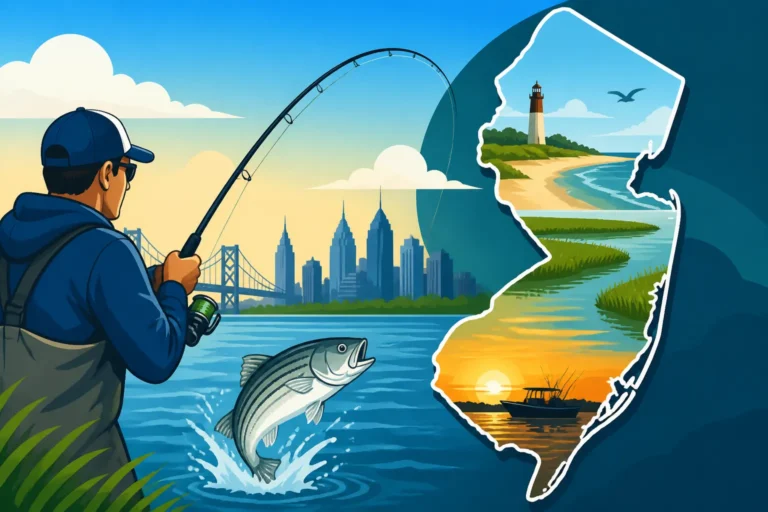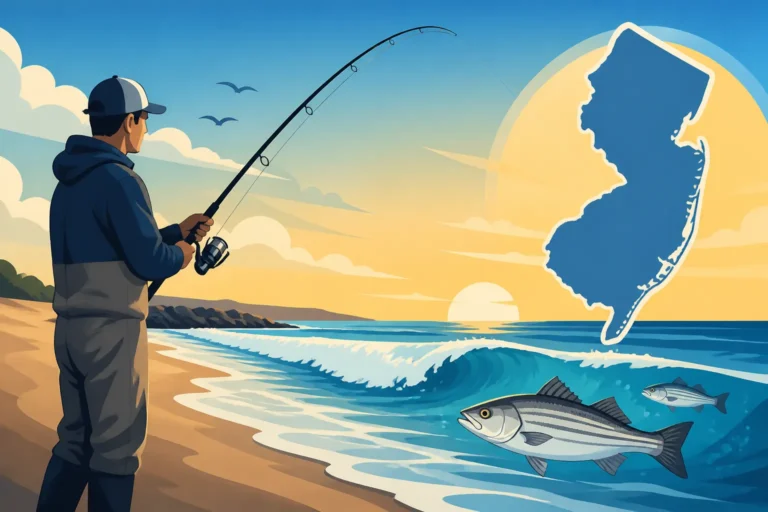
Toms River Striped Bass Fishing Guide
Trying to dial in on the best spots and strategies for striped bass in the Toms River can feel like trying to solve a puzzle, especially with varying tides, seasons, and bait preferences. It's frustrating when you spend hours on the water only to come up empty-handed. This guide is designed to cut through that confusion, offering practical, in-depth advice on everything you need to know to successfully target striped bass in the dynamic waters of the Toms River, from understanding their behavior to mastering the right techniques.
Understanding the Toms River Striped Bass Fishery
The Toms River, a tidal estuary flowing into Barnegat Bay, is a truly unique and productive fishery for striped bass. It’s not just a transient highway for migrating fish; it actually holds a significant population of resident stripers, especially in the brackish upper reaches and during the cooler months. This river offers a blend of challenges and rewards, from strong tidal currents to diverse bottom structures, making it an exciting place for anglers of all skill levels. Understanding the different facets of this fishery is crucial for consistent success.
The Life Cycle of Toms River Stripers
One of the most fascinating aspects of the Toms River is its role in the life cycle of striped bass. You'll find a mix here: the smaller, feisty resident fish that spend their entire lives within the Barnegat Bay watershed, and the larger, migratory stripers that pass through during their annual journeys up and down the coast. The resident population often includes "schoolie" stripers, typically under the slot limit, which provide fantastic action, especially in the spring and fall. These fish thrive on the abundant baitfish, crabs, and worms found in the river.
Then, there are the big migratory fish. These are the ones that make headlines during the spring and fall runs, often pausing in the deeper channels of the Toms River before heading into or out of Barnegat Bay. They're often on the hunt for larger bait like bunker (menhaden) or herring. The river serves as both a feeding ground and a crucial pathway for these fish, especially as they move between the bay and the ocean. It’s not uncommon to hear tales of massive cows being pulled from the deeper holes during these peak times. Knowing the difference and understanding which type of fish you’re likely to encounter can really shape your approach. If you're wondering about the specifics of what you can keep, our guide on the New Jersey Striped Bass Slot Limit Explained offers all the details.
Water Conditions and Habitat Influence
The Toms River is a truly dynamic system, and its productivity is heavily influenced by water conditions and the variety of habitats it offers. Salinity levels vary significantly from the mouth near Barnegat Bay, where it’s fully saltwater, to the upper reaches, which become increasingly brackish and even freshwater in places. Striped bass are incredibly tolerant of these changes, but they do tend to prefer certain conditions. For instance, after a heavy rain, the upper river might become too fresh for them, pushing them downriver towards the bay. Conversely, during periods of drought, the salinity can push further upstream, expanding their hunting grounds.
Beyond salinity, structure is key. The river is a patchwork of deep channels, shallow flats, oyster beds, bridge pilings, docks, and submerged timber. Each of these elements creates ambush points and feeding stations for stripers. They love to hold in current breaks behind bridge pilings, along channel edges, or in the lee of docks, waiting for bait to be swept past. The constant ebb and flow of the tide continually stirs up the bottom, dislodging crabs and worms, making these areas prime feeding zones. Understanding these nuances—how weather impacts water clarity and temperature, and where fish can hide—is what separates a casual angler from someone consistently finding fish.
Best Times and Tides for Striped Bass in Toms River
Successfully targeting striped bass in the Toms River isn't just about where you cast, but when you cast. These fish are creatures of habit, influenced heavily by seasonal changes and the relentless pull of the tides. Ignoring these factors is like trying to catch a fish without bait – you might get lucky, but your odds are significantly diminished. Getting your timing right can make all the difference, turning a slow day into an epic one.
Seasonal Migrations and Peak Fishing Windows
The Toms River truly shines during the spring and fall migrations, but it can offer action even in the dead of winter or heat of summer if you know where to look.
Spring Run (Late March to May): This is prime time. As water temperatures climb into the 50s Fahrenheit, migratory striped bass, along with the resident population, become highly active. They are often following schools of baitfish like bunker, herring, and spearing that are moving into the river and bay to spawn or feed. This is when you can encounter some of the largest stripers of the year. The early part of the run often sees hungry fish eager to strike after a long winter. As the spring progresses, bait becomes more abundant, and the fish become more spread out.
Summer (June to August): While the big migratory fish often push north or offshore to cooler waters, the Toms River still holds a strong population of resident stripers, especially the schoolie-sized fish. You'll find them active in the cooler parts of the day—dawn, dusk, and even at night. They'll seek out deeper holes, shaded areas under docks, or areas with good current flow to find comfort and ambush bait. Fishing after dark during the summer can be incredibly productive, as the fish are less wary and the water temperatures are more favorable.
Fall Run (September to December): This is arguably the most exciting time for Toms River stripers. The water cools, baitfish consolidate and start their southward migration, and the striped bass go into a feeding frenzy to build up reserves for winter. Large schools of bunker often hold in Barnegat Bay and move into the river, drawing in huge migratory stripers. This is a time of incredible blitzes and relentless action. As the season progresses into late fall and early winter, the fishing might slow down, but dedicated anglers can still find big fish in the deeper channels and holes of the river before the really cold weather sets in. Our comprehensive guide on the Best Time of Year to Fish for Striped Bass in New Jersey dives deeper into these seasonal patterns across the state.
The Crucial Role of Tides and Current
If there's one thing that dictates striped bass behavior in a tidal river, it's the tide. The Toms River experiences significant tidal swings, and understanding how these currents affect fish is paramount. Stripers are opportunistic predators, and they use the current to their advantage, ambushing baitfish that are being swept along.
Moving Tides (Incoming or Outgoing): This is almost always the best time to fish. The moving water dislodges bait, concentrates it, and creates current seams and eddies where stripers love to hold.
- Outgoing Tide: As the tide drops, water flushes out of the marshes, creeks, and shallower flats, carrying baitfish, crabs, and worms with it. Stripers will position themselves at choke points, channel edges, and creek mouths to pick off this easy meal. The last two hours of the outgoing tide can be particularly productive as bait is forced into deeper channels.
- Incoming Tide: As the tide pushes in from Barnegat Bay, it brings fresh, oxygenated water and often new schools of bait. Fish will move into shallower areas, flats, and around structure to feed. The first two hours of the incoming tide can be excellent as fish move upriver with the bait.
Slack Tide (High or Low): These periods, right at the peak of high or low tide when the current slows, are generally the toughest times to fish. The water is often stagnant, and baitfish are less active. However, sometimes fish will congregate in deeper holes during slack tide, waiting for the current to pick up again. It's often worth focusing on these deeper areas during slack, but expect a slower bite. For a comprehensive overview of how to interpret these critical water movements, make sure to check out our guide on How to Read Tide Charts for Better Fishing in New Jersey.
Best Times of Day for Action
While tides are king, the time of day also plays a significant role, especially when considering light levels and water temperatures.
Dawn and Dusk: These low-light periods are universally productive for striped bass. Stripers have excellent low-light vision and use it to their advantage, ambushing prey that are less aware. Baitfish are also often more active during these times. It's a fantastic time for both casting lures and soaking bait.
Night Fishing: For many Toms River anglers, especially in the warmer months, night fishing is where it’s at. The cover of darkness makes stripers more confident and less spooky, allowing them to move into shallower waters to feed. Plus, the water temperatures are often cooler and more comfortable for both fish and angler. Bridge lights, dock lights, and streetlights spilling onto the water can create prime ambush points as baitfish are drawn to the light.
Overcast Days: Don't let a cloudy day keep you home! Overcast conditions mimic low-light periods, often extending the peak feeding windows of dawn and dusk throughout the day. This can be particularly true in the summer when bright sun often pushes stripers into deeper, shadier haunts.
Understanding these patterns and combining them with tide knowledge is truly the secret sauce for consistent striped bass success on the Toms River.
Effective Techniques and Baits for Toms River Stripers
Catching striped bass in the Toms River isn't a one-size-fits-all endeavor. The river's diverse conditions—from deep channels to shallow flats, varying currents, and different bait present—demand a versatile approach. Whether you prefer the thrill of a hard strike on a lure or the anticipation of a soaking bait, having a few techniques and bait choices in your arsenal will greatly improve your chances. It’s all about matching the hatch and adapting to what the fish are doing on any given day.
Live Bait and Chunking Strategies
For many seasoned Toms River anglers, especially when targeting larger migratory stripers, live bait and chunking are the go-to methods. These techniques capitalize on the stripers' natural preference for easily accessible, high-protein meals.
Live Bait: There's nothing quite like a lively baitfish to entice a big striper. Bunker (Atlantic menhaden) is king here, especially during the spring and fall runs when they are abundant in Barnegat Bay and move into the river. You can snag bunker with a weighted treble hook or catch them in a cast net. Once you have them, live-lining them is incredibly effective. Hook them through the nose or back, allowing them to swim naturally. You can drift them along channel edges, near bridge pilings, or around deeper structure. Other effective live baits include eels, spot, peanut bunker (juvenile menhaden), and even bloodworms or sandworms, particularly for smaller resident stripers. For safety and compliance, remember that New Jersey Circle Hook Requirements for Bait Fishing are in effect, especially when targeting striped bass with bait.
Chunking: When live bait is scarce or you're fishing a stationary spot, chunking is a deadly alternative. This involves cutting up oily baitfish, primarily bunker, into chunks and drifting them down current with your hook bait. The scent trail created by the cut bait acts as a powerful attractant, drawing stripers from a distance. Use fresh bunker if possible; the oilier, the better. Hook a chunk of bunker, making sure the hook point is exposed, and let it drift naturally with the current. This method is particularly effective in deeper channels and holes, especially during moving tides when the scent can disperse widely. Setting up a dedicated chum slick using ground-up bunker can further enhance your chunking success.
Lure Fishing for Active Stripers
For anglers who prefer a more active approach, lure fishing offers the excitement of a direct strike and the versatility to cover a lot of water. The Toms River provides ample opportunities for targeting stripers with a variety of artificial presentations.
Soft Plastics: These are incredibly versatile and effective. Jig heads paired with soft plastic swimbaits like those from Berkeley Gulp! or Tsunami are phenomenal. White, chartreuse, and natural baitfish colors are consistent producers. Work them with a slow retrieve, bouncing them along the bottom, or a steady retrieve mimicking a swimming baitfish. They excel when fishing around structure like docks and bridge pilings or along channel edges.
Plugs and Hard Baits:
- Swimming Plugs: Darters, lipped swimmers, and even large minnow plugs can be highly effective, especially during the spring and fall runs when larger baitfish are present. Cast them out and retrieve steadily, letting the lure's action do the work. Brands like Bomber, Daiwa, and Yo-Zuri make excellent options.
- Topwater Plugs: Poppers and walk-the-dog lures create a commotion on the surface that can trigger aggressive strikes, especially during low light or when fish are actively busting bait on top. Seeing a striper blow up on a topwater lure is an unforgettable experience!
- Jigs: Bucktail jigs are a classic for a reason. They imitate a wide range of baitfish and can be fished effectively at various depths. Tipped with a small piece of pork rind or a soft plastic trailer, they are deadly when bounced along the bottom in current. Metal jigs can also be effective when stripers are holding deep or when imitating schools of spearing.
For more detailed recommendations on what to throw, consult our guide on Best Lures for Striped Bass Fishing. Remember, the key to lure fishing is to match the size and profile of the baitfish currently in the river. Keep an eye out for active baitfish or birds working the water, as that's often a sign of stripers feeding nearby.
Light Tackle and Fly Fishing Opportunities
While many anglers opt for heavier gear, the Toms River also offers fantastic opportunities for light tackle and even fly fishing, especially for the resident schoolie stripers. This is where the fight feels even more exhilarating.
Light Tackle Spinning: Using a medium-light to medium action spinning rod with 10-20 lb braided line can turn a schoolie striper into a real battle. It allows for longer casts with lighter lures and a more sensitive feel for subtle bites. Small soft plastics, jigheads, and even small swimming plugs become incredibly effective. This is an excellent method for targeting fish around docks, bridge pilings, or wading shallow flats. The thrill of a hard-fighting striper on light gear is truly something special.
Fly Fishing: For the dedicated fly angler, the Toms River can be a gem. During the spring and fall, when peanut bunker and spearing are abundant, stripers will readily take flies. Clouser Minnows, Deceivers, and Half-and-Half patterns in olive, white, chartreuse, or black are great choices. A 7-9 weight fly rod is typically sufficient. Focus your efforts around moving tides, especially in shallower areas, creek mouths, and where current seams concentrate bait. Fly fishing for stripers offers a unique challenge and a deeply rewarding experience, connecting you directly to the fish in a more intimate way.
Regardless of your preferred method, always remember to carry your New Jersey Fishing License Guide for 2026 and ensure you're compliant with all regulations. Safety first, especially when fishing near strong currents or at night.
Key Access Points and Hotspots on the Toms River
Knowing the right techniques and when to use them is crucial, but it's all for naught if you don't know where to fish! The Toms River offers a variety of access points, from bustling shoreline parks to quiet boat launches, each with its own character and potential hotspots. Finding your rhythm on this river involves exploring these areas and understanding what makes them attractive to striped bass.
Popular Shoreline and Dock Fishing Locations
Not everyone has a boat, and thankfully, the Toms River provides plenty of excellent shore-based opportunities for striper fishing. These spots are often easily accessible and can be incredibly productive, especially during the peak runs. For more general advice on shore fishing in the area, check out our guide on Where to Fish From Shore Along the Jersey Shore.
Huddy Park: Located right in downtown Toms River, Huddy Park is a classic and popular spot. It offers public docks and a boardwalk along the river, providing easy access to deeper water. The area beneath the bridge and along the channel edges often holds fish, especially during moving tides. You'll frequently see anglers soaking bait here, but it's also a good spot for casting soft plastics or small plugs. The lights from the downtown area can also attract bait and stripers at night, making it a viable option for after-dark sessions.
Shelter Cove Park: Further downriver towards Barnegat Bay, Shelter Cove Park offers a fishing pier and shoreline access. This spot benefits from its proximity to the bay, often seeing migratory stripers move in and out with the tides. The pier extends into deeper water, making it suitable for both bait fishing and casting lures. It's a fantastic spot for families and beginners due to its easy access and amenities.
Various Public Docks and Bulkheads: Scattered along both sides of the river, particularly on the lower half before it widens into the bay, are numerous public docks, bulkheads, and small parks that offer limited but often productive access. Look for areas with good current, structure (like pilings), or where smaller creeks feed into the main river. Always be respectful of private property and local ordinances when fishing from these locations. The Toms River Yacht Club area, while private, is surrounded by productive waters that can sometimes be accessed from nearby public points.
Boat Access and Prime Channels
If you have a boat, the Toms River truly opens up, offering access to deeper channels, expansive flats, and remote areas that are inaccessible from shore. This gives you the flexibility to chase the bite wherever it leads.
Public Boat Ramps: The most prominent public boat ramp is likely the one found at the end of Fischer Boulevard, providing direct access to the main stem of the Toms River. This is a popular launch point for heading upriver towards the Route 37 bridges or downriver towards Barnegat Bay. There are also smaller municipal ramps and marinas up and down the river. For broader information on launching your boat, consider reviewing New Jersey Boat Registration Requirements for Anglers.
Prime Channels and Holes: The main channel of the Toms River, especially from the Route 37 bridges downstream to the bay, is a major highway for striped bass. Look for depth changes, particularly where the channel drops off rapidly, as these are classic holding areas. The deeper holes, often marked on navigation charts, can hold significant numbers of fish, especially during slack tide or in colder weather. Drifting live bait or chunking in these channels during a moving tide is highly effective. Pay particular attention to the bends in the river where current creates eddies and concentrated bait.
Bridge Pilings: The pilings of the Route 37 and Garden State Parkway bridges are absolute magnets for stripers. They create current breaks and ambush points. Boaters can motor up to these pilings, jigging soft plastics or bucktails, or soaking live eels or bunker. Exercise caution around these busy areas, especially during strong currents. FishingBooker is a great resource if you're looking to book a local charter to experience these hotspots with a seasoned captain who knows the ins and outs of the river.
Confluence with Barnegat Bay: The area where the Toms River empties into Barnegat Bay is exceptionally productive. This is a vast area with extensive flats, deeper channels, and numerous structures. Stripers move freely between the river and the bay, especially during the major migrations. Work the edges of the bay, the mouths of smaller creeks, and any visible structure. This transitional zone is a fantastic area to troll plugs or jig for actively feeding fish.
Navigating Regulations and Local Etiquette
Fishing the Toms River, like any other New Jersey waterway, requires adherence to state regulations. It's not just about avoiding a fine; it's about contributing to the conservation of this incredible fishery.
Licenses and Registries: First and foremost, you need a valid New Jersey Fishing License Guide for 2026 if you're 16 or older and fishing freshwater portions of the river. For the tidal, saltwater portions, you'll need to register with the New Jersey Saltwater Registry Explained, which is free. Even if you're fishing from a private boat, you and your passengers may still need to comply with licensing and registration. Our guide on Do You Need a License to Fish From a Private Boat in New Jersey can help clarify specific scenarios.
Bag and Size Limits: Striped bass are closely managed. Always check the current regulations for bag limits and slot limits. These can change annually, so it's vital to stay informed. Releasing undersized or oversized fish quickly and safely is paramount. Our guide on New Jersey Catch and Release Striped Bass Handling Rules provides best practices.
Respectful Angling: The Toms River is a popular spot, shared by recreational boaters, kayakers, and other anglers. Always be mindful of your fellow water users. Avoid crowding others, especially when drift fishing or casting. Clean up after yourself—pack out all your trash, including discarded fishing line and bait containers. By respecting the resource and each other, we ensure the Toms River remains a fantastic fishing destination for years to come. If you're new to the area or prefer a guided experience, searching on FishingBooker for Toms River fishing charters can connect you with local experts who navigate these waters daily and know the current rules inside and out. They can provide all the gear and guidance you need for a successful and compliant trip.
Here's a quick overview of seasonal expectations:
| Season | Typical Water Temp | Primary Baitfish | Recommended Techniques | Key Areas to Target |
|---|---|---|---|---|
| Spring | 45-60°F | Bunker, Herring, Spearing | Live-lining, Chunking, Lures (swimmers/jigs) | Channels, Bridge Pilings, Creek Mouths |
| Summer | 65-80°F | Spearing, Crabs | Night Lures (soft plastics), Live Bait (eels) | Deep Holes, Shaded Docks, Current Seams |
| Fall | 60-45°F | Bunker, Spearing, Mullet | Live-lining, Chunking, Lures (topwater/swimmers) | Main Channels, Confluence with Barnegat Bay |
| Winter | Below 45°F | Small Baitfish, Worms | Slow Jigs, Bloodworms, Eels | Deeper Channels, Warm Water Discharges |
Remember, these are general guidelines, and adaptability is key. Always check the latest New Jersey Fishing Seasons Explained before heading out.
Disclaimer
Please note that fishing regulations, including bag limits, size restrictions, and season dates, are subject to change by the New Jersey Department of Environmental Protection (NJDEP) Division of Fish and Wildlife. It is the angler's responsibility to verify and comply with all current regulations before fishing. This guide provides general information and should not be considered legal advice.