Seaside Park Surf Fishing Guide
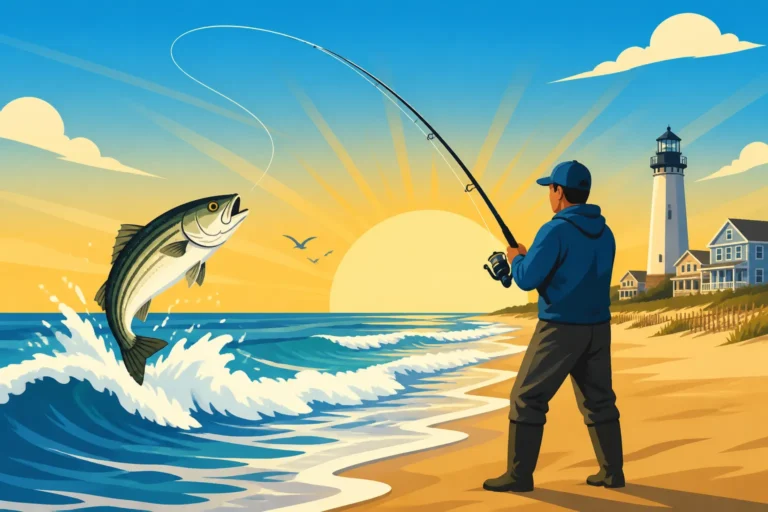
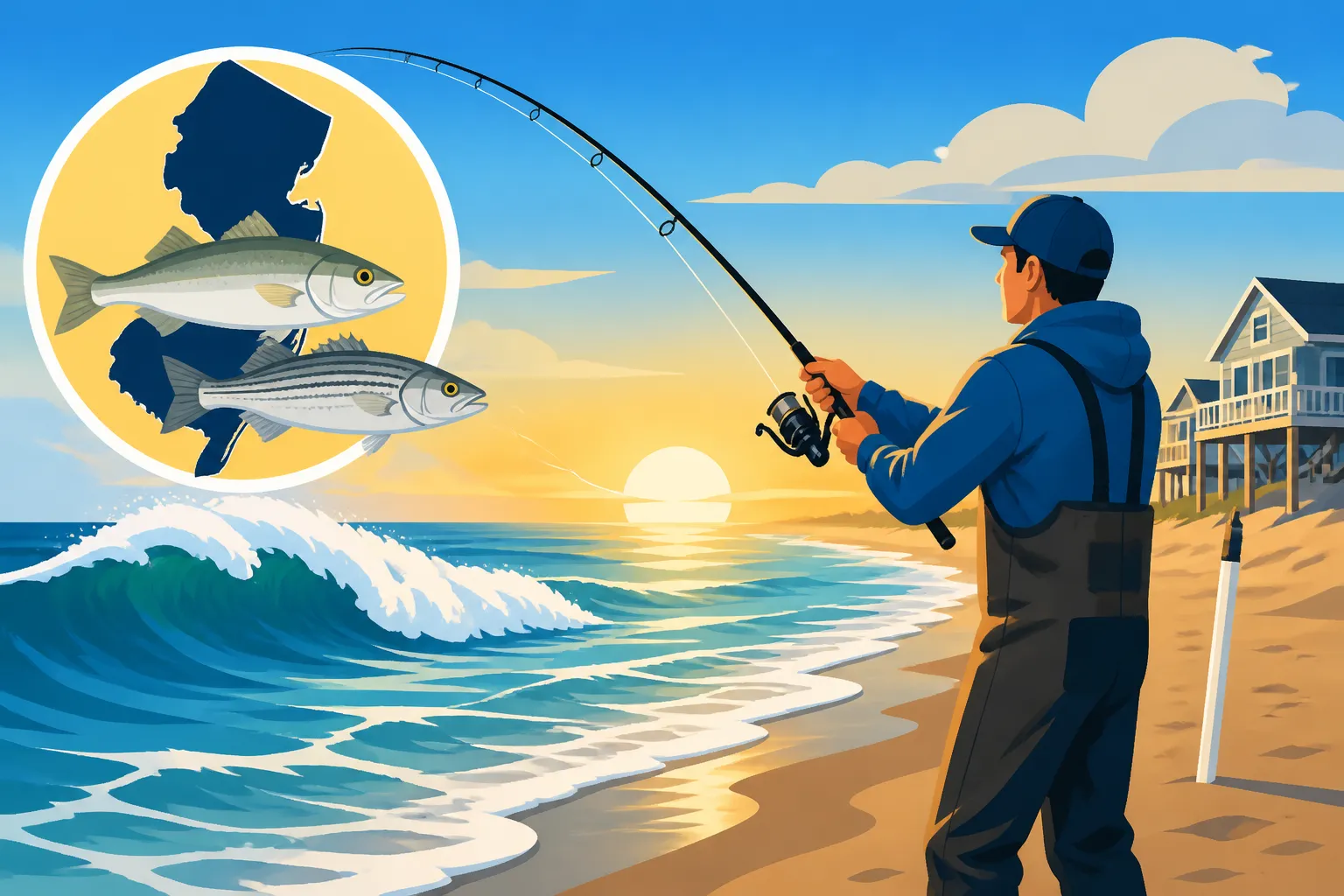
Oh, the Jersey Shore! There’s nothing quite like the salty air, the roar of the ocean, and the promise of a big catch just beyond the breakers. But if you’ve ever tried surf fishing, you know it’s not always as simple as throwing a line in the water. The currents, the ever-shifting sand, the crowds, and those tricky regulations can make it feel like you need a secret decoder ring just to get started. Well, breathe easy, because this guide is going to strip away the mystery and arm you with everything you need to know to make your surf fishing adventures in Seaside Park a resounding success.
Why Seaside Park is a Premier Destination for Surf Fishing
Seaside Park, nestled between the bustling boardwalks of Seaside Heights and the protected natural beauty of Island Beach State Park, offers a truly unique blend for the surf angler. It's accessible, yet it still holds onto that wild, untamed coastal feel that draws us to the surf. You're not just casting into an empty ocean; you're casting into rich, diverse waters teeming with life, and often, some truly impressive game fish.
The Allure of Seaside Park's Diverse Fishery
One of the biggest draws of surf fishing in Seaside Park is the incredible variety of fish species you can encounter throughout the year. It's not a one-trick pony; this stretch of coast serves as a highway for migrating fish and a home for resident species, making every trip a potential surprise. Imagine standing on the sand, rod in hand, knowing that a powerful striped bass could be lurking just beyond the waves, or a tasty fluke could be hugging the bottom in a slough. This dynamic environment keeps things exciting, ensuring that even on a slow day for one species, another might just decide to bite. The thrill of the unknown, coupled with the consistent presence of popular game fish, makes Seaside Park a prime spot for anglers of all skill levels.
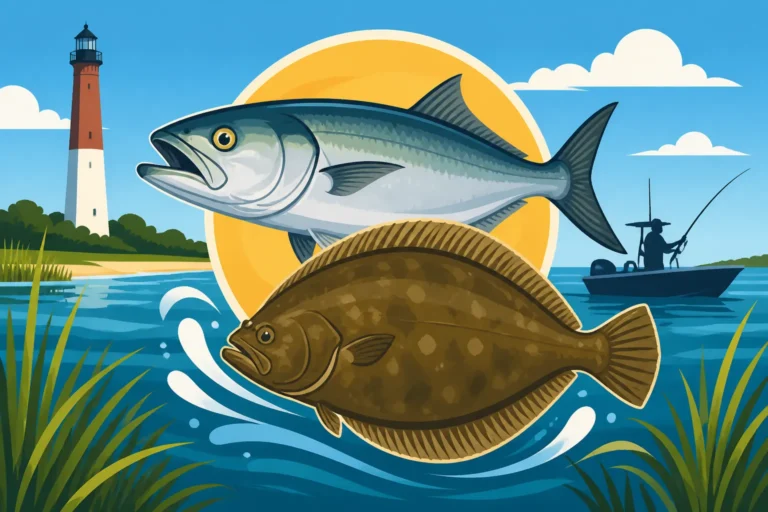
In spring, as the water begins to warm, you'll see the arrival of migratory striped bass making their way north, often followed closely by hungry bluefish. As summer settles in, the waters become a playground for fluke (also known as summer flounder), kingfish, and a variety of panfish. Then, as the crisp autumn air returns, the legendary fall run kicks into gear, bringing with it some of the largest stripers and bluefish of the year, all feasting before their journey south. Even in winter, dedicated anglers can find opportunities for smaller species, though the focus shifts more towards patience and cold-weather gear. This continuous cycle of fish movement means there's almost always something to target, provided you know when and how to look for it.
Understanding Seaside Park's Unique Coastal Landscape
Seaside Park's coastal landscape plays a crucial role in its fishing productivity. Unlike some areas with very flat, featureless beaches, Seaside Park, particularly its northern and southern ends, benefits from proximity to inlets and the dynamic structures they create. These areas are characterized by ever-changing sandbars, sloughs, and troughs – underwater features that act like highways and feeding grounds for fish. A "slough" or "trough" is a deeper channel running parallel to the beach, often situated between the shoreline and an outer sandbar. These depressions provide shelter and concentrate baitfish, making them prime ambush points for larger predators. Knowing how to identify these structures, even if they shift with every major storm, is a fundamental skill for any surf angler here.
The jetties and groins, especially towards the north near the inlet, also create currents and eddies that attract baitfish and, consequently, the larger game fish that prey on them. These structures disrupt the natural flow of the waves and can carve out deeper holes or create calmer areas where fish can rest or ambush unsuspecting prey. The constant interaction of sand, water, and these man-made structures ensures a dynamic fishing environment. What looks like a simple stretch of sand from above is, in fact, a complex underwater topography that changes and adapts, making local knowledge and adaptability key to consistent success. Learning to "read the beach" – understanding where these underwater features lie by observing wave patterns, water color, and currents – is an invaluable skill here.
Navigating the Best Fishing Access Points in Seaside Park
One of the beauties of surf fishing is its relative accessibility, but knowing precisely where to set up shop in Seaside Park can dramatically impact your success. Not all stretches of sand are created equal, and understanding the nuances of different access points is part of mastering the local scene.
Public Beach Access and Designated Fishing Areas
Seaside Park is generally very angler-friendly, offering ample public access points along its coastline. Most of the main beach areas, particularly between the town's residential sections, allow surf fishing. You’ll find numerous street ends with paths or ramps leading directly to the sand. It’s a good idea to scout these out beforehand, especially during peak season, as parking can sometimes be a challenge. While fishing is permitted along most of the public beach, anglers should always be mindful of swimmers and sunbathers, particularly during daylight hours in summer. It’s common courtesy, and often a regulation, to maintain a safe distance from beachgoers. Early mornings, late evenings, and the cooler shoulder seasons often offer the most serene fishing experiences with fewer crowds.
When targeting specific species, consider areas further away from the main swimming beaches. For example, the beaches closer to the Barnegat Inlet, both north and south, tend to offer more dynamic currents and deeper water, attracting larger predatory fish like striped bass and bluefish. These areas can sometimes be a bit of a walk, but the reward can be well worth the effort. Always check local signage, as some areas might have specific restrictions or hours of operation, especially around life-guarded beaches. For the most up-to-date information on general public beach access, local bait and tackle shops are an invaluable resource, often providing real-time conditions and advice on where the fish are biting.
Fishing Near Inlets, Jetties, and Piers
For many experienced surf anglers, the real hotspots in Seaside Park lie around its structural features: the inlets, jetties, and the pier. These areas create a funnel effect for baitfish and provide excellent ambush points for predators. The northern end of Seaside Park, specifically the area leading towards Barnegat Inlet, is a prime example. Here, the powerful currents sweeping in and out of the inlet constantly scour the bottom, creating deeper channels and depositing rich food sources. Fishing these areas requires a bit more skill and heavier tackle to contend with the currents, but the rewards can be substantial, often yielding larger fish. However, remember that fishing directly in the Barnegat Inlet might fall under different regulations or require more specialized techniques than typical surf casting.
The various jetties and groins that extend into the ocean along the Seaside Park coastline also serve as magnets for fish. These rock structures provide cover, attract bait, and create current breaks where fish congregate. Walking out onto these jetties allows you to cast into deeper water or target areas that are inaccessible from the beach. Just be extremely cautious when fishing from jetties; the rocks can be slippery, especially when wet, and waves can break unexpectedly over them. Safety should always be your top priority. While Seaside Park itself doesn't have a long fishing pier extending far into the ocean, the nearby Funtown Pier offers a unique platform to cast from, allowing access to deeper water without battling the surf directly. Always check if the pier has specific fishing hours or permit requirements.
| Location Type | Best for Species | Ideal Conditions | Considerations |
|---|---|---|---|
| Open Beach (Residential) | Kingfish, Fluke, Small Striped Bass, Bluefish | Calm to moderate surf, rising tide | Family-friendly, can be crowded in summer |
| Near Barnegat Inlet (North End) | Striped Bass, Bluefish, Drum, Tautog | Strong currents, moving tides (in or out) | Requires heavier tackle, dangerous footing |
| Jetties/Groins | Striped Bass, Bluefish, Tautog, Sea Bass | Moving water around structure | Very slippery, watch for waves, potential snags |
| Funtown Pier (Nearby) | Fluke, Croaker, Weakfish, Bluefish, Striped Bass | Any tide, offers height advantage | Pier fees may apply, specific rules for fishing |
Essential Gear and Techniques for Seaside Park Surf Fishing
Getting geared up for surf fishing in Seaside Park doesn't have to break the bank, but having the right tools for the job can make a world of difference. From your rod and reel setup to the baits and lures you choose, each piece plays a role in your success and enjoyment.
Selecting the Right Rod, Reel, and Line
For general surf fishing in Seaside Park, you'll want a rod that can handle the demands of casting heavy baits and lures into the often-rough ocean, while also having enough backbone to fight powerful fish. A good starting point is a surf rod between 9 and 11 feet in length, with a medium-heavy to heavy action. This length provides the leverage needed for long casts and helps keep your line above the incoming waves, reducing frustrating line sag and current drag. A rod like the St. Croix Mojo Surf or a Penn Prevail II are popular choices among Jersey Shore anglers for their durability and performance.
Pair your rod with a sturdy spinning reel in the 6000 to 8000 size range. This size offers ample line capacity for long casts and the necessary drag power to tire out hard-fighting fish. Reels from brands like Penn (Spinfisher or Battle series) or Shimano (Saragosa or Spheros series) are excellent, dependable options for saltwater use, designed to withstand the corrosive marine environment. Spool your reel with 30 to 50 lb braided line. Braid offers superior casting distance due to its thinner diameter and has no stretch, providing excellent sensitivity to feel even the most subtle bites. You'll want to add a top shot or a leader of 40 to 60 lb monofilament or fluorocarbon at the end of your braided line. This leader provides abrasion resistance against sharp shells and rocks, and some anglers believe fluorocarbon's invisibility helps with finicky fish. Learning to tie strong knots like the FG knot or uni-to-uni knot for joining your braid to leader is crucial for preventing break-offs when you hook into a big one. For more detailed insights on what length rod is ideal, check out our guide on the Best Rod Length for Jersey Shore Surf Fishing.
Effective Baits and Lures for Seaside Park
When it comes to baits for surf fishing in Seaside Park, fresh is always best. The natural scent and texture of live or freshly dead bait are often irresistible to hungry fish. Top choices include bloodworms, especially in spring for striped bass and kingfish. Clams, particularly the succulent surf clam, are fantastic all season long for a wide array of species, from kingfish and croaker to fluke and stripers. Bunker (menhaden), either whole or cut into chunks, is a prime bait for larger striped bass and bluefish, especially during their migratory runs. Squid strips are also a versatile option, effective for fluke, bluefish, and even bottom feeders. You can often find these baits fresh at local tackle shops around Seaside Park.
For those who prefer artificials, a variety of lures can be incredibly effective. Metal jigs and spoons, like Ava jigs or casting spoons, are excellent for imitating baitfish and can be cast a country mile, making them ideal for covering a lot of water when targeting bluefish and striped bass. Bucktail jigs, often tipped with a Gulp! Swimming Mullet or a strip of natural bait, are deadly for fluke and can also entice stripers. Plugs, particularly those designed for long casting such as poppers for surface strikes or swimming plugs for subsurface action, are also essential for striped bass and bluefish. Carrying a selection of both natural baits and artificial lures allows you to adapt to whatever the fish are biting on that day. If you're wondering which specific baits make the cut, our guide on Best Bait for Surf Fishing in New Jersey has you covered.
Essential Rigs and Casting Techniques
The fish finder rig is arguably the most popular and effective rig for surf fishing in Seaside Park, especially when using natural baits. This rig consists of a sliding sinker (typically a pyramid or sputnik sinker, ranging from 3 to 8 ounces depending on current) above a swivel, followed by a leader (18-36 inches of 30-50 lb fluorocarbon or mono) and a hook (octopus or circle hook, sizes 4/0 to 8/0 depending on bait and target species). The sliding sinker allows the fish to pick up the bait and move with it without feeling the full weight of the sinker, leading to more positive hookups. For fluke, a high-low rig with two hooks and a dropper loop can also be very effective, allowing you to present two different baits or depths.
Casting technique is paramount in surf fishing. A powerful overhead cast or a sidearm "Carolina cast" can send your bait far beyond the immediate waves, reaching those deeper sloughs and outer bars where bigger fish often lurk. Practice is key, and focusing on a smooth, powerful motion rather than pure brute force will yield better results. Once your bait is out, learning to "read the beach" by observing wave breaks, currents, and subtle changes in water color can help you pinpoint productive areas. Fish often hold in calmer water just inside or outside a breaking bar, or in deeper troughs. Don't be afraid to experiment with different casting distances and retrieve speeds until you find what the fish are responding to. Understanding how to use your tackle effectively in concert with the natural environment is what truly separates successful surf anglers from the rest.
Understanding Regulations, Safety, and Local Nuances
While the thrill of the catch is paramount, responsible and successful surf fishing in Seaside Park also means understanding the rules, prioritizing safety, and appreciating the local environment. New Jersey has specific regulations that anglers must follow, and the ocean itself demands respect.
New Jersey Fishing Licenses and Saltwater Registry
Before you even think about casting a line in Seaside Park, make sure you're properly licensed and registered. For saltwater fishing along the New Jersey coast, including surf fishing, anglers typically do not need a traditional New Jersey freshwater fishing license. However, you absolutely must register with the New Jersey Saltwater Recreational Registry Program. This program is free to join and is mandatory for most recreational saltwater anglers over the age of 16. It helps the state gather vital data on fishing effort, which is crucial for managing fish stocks. You can easily register online through the New Jersey Division of Fish and Wildlife website. Even if you're fishing with a charter, it's always wise to confirm if your registration is covered or if you need your own. For a complete understanding of this requirement, our guide on the New Jersey Saltwater Registry Explained is a must-read.
While the saltwater registry covers most of your bases, if you decide to venture into freshwater fishing in the region (perhaps targeting some of the nearby lakes or rivers), then you would need a separate New Jersey Fishing License Guide for 2026. This distinction is important and often confuses newcomers. Always carry proof of your saltwater registry (a printout or digital confirmation on your phone) when fishing, as conservation officers do conduct checks. Penalties for fishing without the proper documentation can include fines, so it's not something to overlook. Staying informed about these regulations is not just about avoiding trouble; it's about contributing to the conservation efforts that keep our New Jersey fisheries healthy for generations to come.
Species-Specific Bag and Size Limits
Beyond the general registry, New Jersey enforces strict bag and size limits for various fish species, and these are subject to change annually based on scientific assessments and federal guidelines. These limits are designed to prevent overfishing and allow fish populations to reproduce and grow. For surf anglers in Seaside Park, common target species include striped bass, fluke (summer flounder), bluefish, and kingfish, among others. Each of these will have specific rules. For instance, striped bass often have a "slot limit," meaning you can only keep fish within a certain size range (e.g., 28 to 31 inches). Fish outside this slot, both smaller and larger, must be released. Our comprehensive guide on New Jersey Striped Bass Slot Limit Explained offers more details on this.
Fluke also have specific size and bag limits, which can sometimes vary slightly depending on the body of water (e.g., Delaware Bay vs. ocean waters). You might find that the New Jersey Fluke Size and Bag Limits Explained provides precise details. Bluefish and kingfish generally have more generous limits, but it's still crucial to know them. The best way to stay current on all these regulations is to consult the latest New Jersey Fish and Wildlife Digest, which is updated annually and available online or at local tackle shops. Pay close attention to season dates as well; some species might have closed seasons or specific open periods. Always measure your fish carefully and accurately from the tip of the snout to the end of the tail to ensure compliance. When in doubt, it's always better to release a fish rather than risk a violation.
Essential Safety Tips for Surf Fishing
The ocean, while beautiful, is a powerful and unpredictable force. Safety should always be your number one priority when surf fishing in Seaside Park. Never turn your back on the ocean, as rogue waves can materialize out of nowhere and knock you off your feet, even on seemingly calm days. If you're fishing near jetties or rocky areas, watch your footing, as these surfaces can be incredibly slippery with algae or wet sand. Wearing appropriate footwear with good traction, like wading boots or spiked sandals, is highly recommended.
It's also a smart idea to fish with a buddy, especially if you're exploring new areas or fishing at night. If fishing alone, let someone know where you're going and when you expect to return. Be mindful of changing weather conditions; a clear sky can quickly turn stormy, and strong winds can make casting difficult and dangerous. Carry a fully charged phone in a waterproof case, and consider a headlamp if fishing at dawn, dusk, or night. Respect local wildlife, especially shorebirds and seals, and always pack out everything you pack in, leaving no trace of your presence. The tides also play a huge role in safety; a rising tide can quickly cut off access to certain sandbars or sections of beach. Always be aware of the tide schedule, which you can easily check with a guide on How to Read Tide Charts for Better Fishing in New Jersey, and plan your exit accordingly.
Finally, while not directly related to safety, having local knowledge can greatly enhance your overall experience. Local bait and tackle shops, like Betty and Nick's Bait & Tackle in Seaside Park, are treasure troves of information. They can tell you what’s biting, what baits are working, and any recent changes to the beach structure. Don't be shy about asking questions! And if you're ever interested in exploring guided trips to learn more about the local waters and techniques, resources like FishingBooker can help you connect with experienced local captains who specialize in different types of fishing, offering a unique opportunity to learn from the pros, even if you typically prefer to go it alone from the beach.
Seasonal Opportunities and Targeting Specific Species
Seaside Park's surf fishing calendar is a dynamic one, offering different experiences and target species throughout the year. Knowing what to expect when can help you plan your trips for maximum success and enjoyment.
Spring Migration: Striped Bass and Early Bluefish
As the chill of winter recedes and water temperatures begin to climb into the 50s and 60s, typically from April through early June, the spring migration kicks into high gear along the New Jersey coast, and Seaside Park becomes a prime vantage point. This is when the eagerly anticipated striped bass make their northward journey, often moving close to shore to feed on abundant baitfish. You'll find anglers lining the beaches, eager to intercept these powerful fish. Early in the spring, smaller "schoolie" stripers are more common, but as the migration progresses, larger fish can definitely be caught from the surf.
Following closely behind the stripers are the first waves of bluefish. Known for their voracious appetite and aggressive fighting style, bluefish provide incredible action, often in blitz-like conditions where they herd baitfish to the surface. For spring stripers, fresh clam and bunker chunks fished on a fish finder rig are deadly. Artificial lures like large swimming plugs, poppers, and metal-lipped darters also work well, especially during dawn and dusk. For bluefish, metals, poppers, and cut bait (like bunker or mackerel) are excellent choices. Be prepared with heavy leaders for bluefish, as their razor-sharp teeth can make quick work of lighter lines. The excitement of the spring run is palpable, with every cast holding the potential for a bent rod and a screaming drag.
Summer Bounty: Fluke, Kingfish, and More
Summer in Seaside Park, from late June through September, brings warmer waters and a different cast of characters to the surf. While striped bass and bluefish are still around, they often move further offshore or become more active at night or in the cooler hours of the morning and evening. The star of the summer show from the surf is undoubtedly the fluke, or summer flounder. These tasty flatfish lie camouflaged on the sandy bottom, ambushing baitfish and crustaceans. Drifting a bucktail jig tipped with a Gulp! Swimming Mullet or a strip of fresh squid or spearing is a highly effective method. Fishfinder rigs with a long leader and a strip of fluke belly or squid are also excellent. Look for fluke in the troughs and sloughs, especially on a moving tide. For more precise tactics, explore How to Drift Fish for Fluke.
Beyond fluke, summer surf fishing offers a delightful mix of smaller, often overlooked species that are perfect for a relaxing day on the beach. Kingfish, with their delicate flavor, are abundant and readily caught on small pieces of bloodworm or clam on a two-hook bottom rig. Croaker and weakfish also make appearances, adding to the variety. These fish are fantastic for families and beginner anglers, as they offer consistent action without requiring heavy tackle. The key to summer surf fishing is often lighter tackle, smaller baits, and focusing on those deeper pockets of water where fish can escape the warmest surface temperatures. Early mornings and late evenings are typically the most productive times, as the sun is less intense and fish are more active.
Fall Run: The Grand Finale of the Fishing Year
The fall run, typically spanning from late September through November, is widely considered the pinnacle of the surf fishing season in Seaside Park. As water temperatures begin to drop and days shorten, an incredible phenomenon occurs: massive schools of baitfish, primarily bunker and mullet, begin their southward migration along the coast, triggering an epic feeding frenzy among predatory fish. This is the time when some of the largest striped bass and bluefish of the year can be caught right from the beach.
The intensity of the fall run can be breathtaking, with bluefish and stripers often "blitzing" on baitfish just yards from shore. Anglers use a variety of techniques, from throwing large topwater poppers and swimming plugs to chunking fresh bunker or whole mullet on heavy fish finder rigs. Being present during one of these blitzes is an unforgettable experience, with fish crashing bait and gulls diving overhead. Pay close attention to bird activity, as diving gulls are often a dead giveaway for baitfish being pushed to the surface by predators. While the focus is often on stripers and bluefish, other species like false albacore and even red drum can make surprise appearances during the fall migration, adding to the excitement. This is a time to be prepared with sturdy tackle and a willingness to brave cooler temperatures, as the rewards can be truly spectacular.
Disclaimer
The information provided in this guide is for general informational purposes only. Fishing regulations, season dates, and bag limits are subject to change by the New Jersey Department of Environmental Protection (NJDEP) Division of Fish and Wildlife. Always consult the most current New Jersey Fish and Wildlife Digest or the official NJDEP website before engaging in any fishing activity. Adherence to all local, state, and federal laws is the responsibility of the angler. Fishing carries inherent risks; always prioritize safety and exercise caution when on or near the water.