Union Lake Catfish Fishing Conditions
For any angler looking to hook into something substantial in New Jersey's freshwater scene, the thought of wrestling a hefty catfish often comes to mind. Union Lake, nestled in Millville, is definitely one of those spots that whispers promises of bent rods and thrilling fights with these bottom-dwelling brutes. But catching them isn't always as simple as dropping a line in; successful catfish angling here hinges on understanding the specific conditions that make these whiskered wonders bite. This comprehensive guide will break down everything you need to know about the best catfish fishing conditions at Union Lake, from water temperatures to prime locations.
Understanding Union Lake's Catfish Population and Preferred Habitat
Union Lake isn't just any old pond; it's a significant body of water known for its diverse fishery, and catfish are definitely a star attraction. Knowing what kind of catfish reside here and where they like to hang out is the first step to a successful outing.
Species of Catfish You'll Find in Union Lake
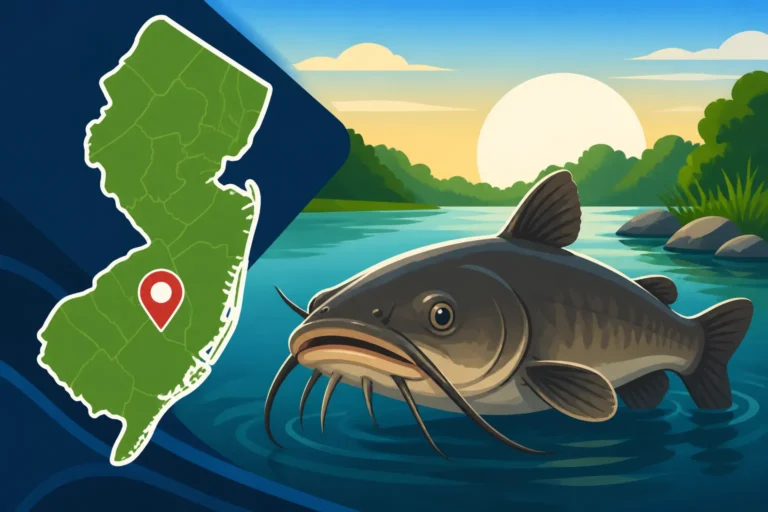
When you're fishing Union Lake for catfish, you're primarily targeting two main species: Channel Catfish and various Bullhead species (like Brown Bullheads and Yellow Bullheads). Each has its own quirks and preferences, but generally, what attracts one will attract the other, especially when it comes to food and shelter.
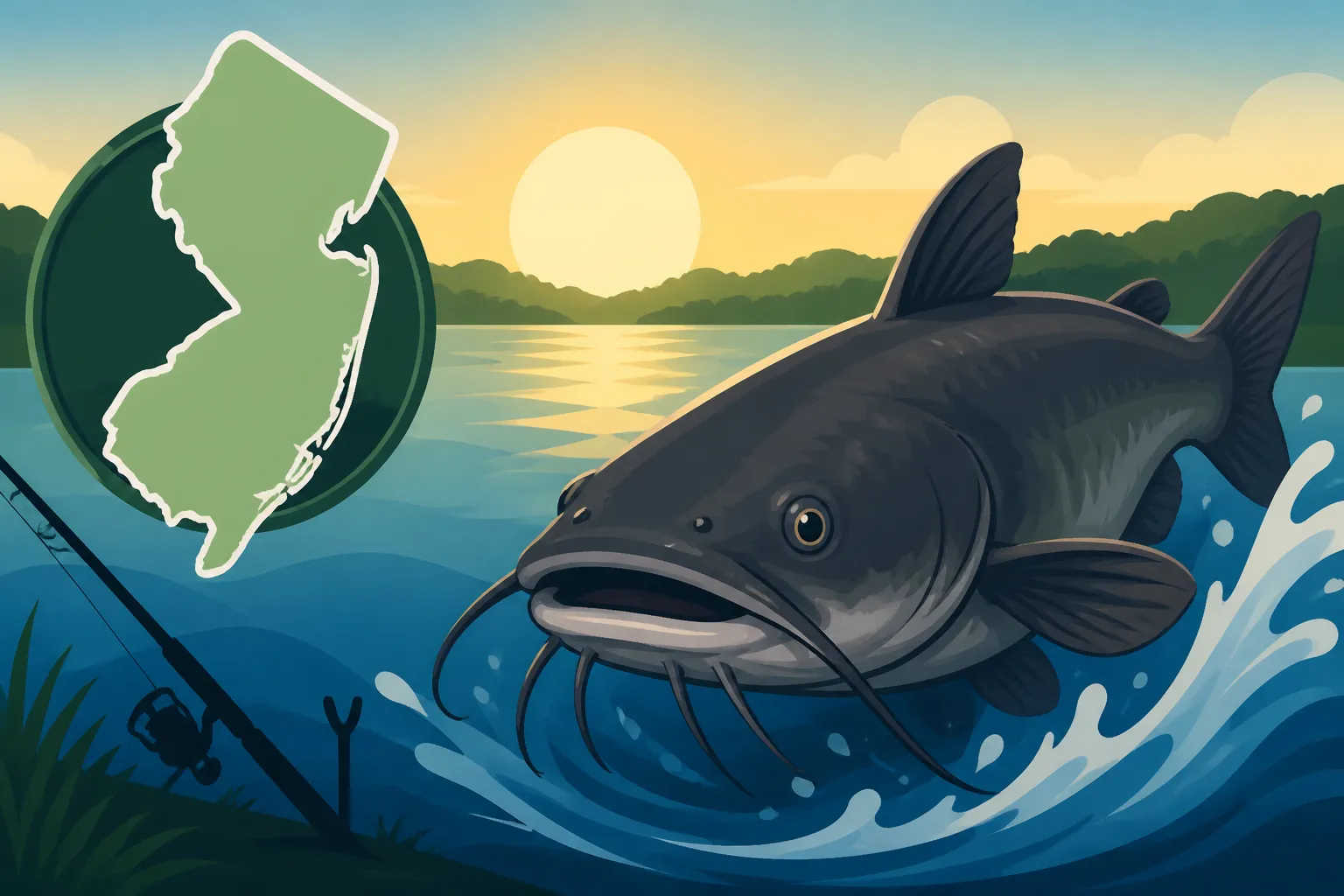
Channel Catfish are the sleek, often larger cousins, characterized by their deeply forked tails and speckled bodies when young. These are the ones that can really put a bend in your rod, sometimes reaching impressive sizes in Union Lake. They're strong fighters and are highly sought after by anglers for both sport and table fare. On the other hand, the Bullheads are smaller, stouter, and have square or slightly rounded tails. While they don't grow to the gargantuan sizes of Channels, they're abundant, readily caught, and provide fantastic action, especially for younger anglers or those just looking for consistent bites. Both species are drawn to similar conditions and baits, making Union Lake an excellent spot to target New Jersey Catfish Species Guide.
Key Habitat and Structure Where Catfish Hold
Catfish are opportunistic feeders and lovers of structure and comfort. In Union Lake, this translates to specific areas where they'll congregate, often hiding out during the day and emerging to feed when conditions are right. Look for deep holes, especially those near channels or drop-offs, as these offer refuge from sunlight and provide cooler water. Submerged timber, fallen trees, and brush piles are absolute magnets for catfish. These areas offer both cover from predators and ambush points for their prey, which largely consists of smaller fish, insects, and crustaceans. Weed lines and dense aquatic vegetation also provide cover and food sources, particularly for smaller bullheads. Don't overlook the mouths of feeder creeks or areas where smaller streams enter the lake, as these can wash in food and nutrients, creating a buffet for hungry catfish. Understanding these hideouts is crucial for effective targeting.
Prime Conditions for Catfish Fishing Success
Catfish are generally resilient fish, but like all species, they have preferred conditions that dictate their activity levels and, consequently, your chances of catching them. Paying attention to these environmental cues can dramatically improve your fishing trips to Union Lake.
Water Temperature and Time of Year
Water temperature is perhaps the most critical factor influencing catfish activity. While you can catch them year-round, their metabolism and feeding drive peak in certain temperature ranges. Generally, catfish become highly active when water temperatures range from the mid-60s to high 70s Fahrenheit. This makes late spring, summer, and early fall the absolute sweet spot for Union Lake catfish.
- Spring: As the ice melts and water temperatures climb into the 50s and 60s, catfish begin to emerge from their winter lethargy. They're often found in shallower areas, soaking up the sun and looking for easy meals. This is an excellent time to target them before the summer crowds arrive.
- Summer: This is peak catfish season. With water temperatures consistently in the prime range, catfish are constantly on the move and feeding aggressively. They'll often retreat to deeper, cooler water or dense cover during the hottest parts of the day, but come nightfall, they're cruising the shallows and structure looking for food. The warmer water also means their metabolism is high, requiring more food.
- Fall: As temperatures begin to drop from the summer highs, catfish will enter a pre-winter feeding frenzy. They're packing on reserves for the colder months, making them very susceptible to a well-presented bait. Look for them to remain active until water temperatures dip consistently below 60 degrees. After that, they’ll slow down and move to deeper parts of the lake.
Time of Day and Weather Considerations
Catfish are predominantly nocturnal feeders, especially the larger Channel Catfish. This means that while you can certainly catch them during the day, your best bet for consistent action, particularly for trophy-sized fish, is often from dusk through the night and into the early morning hours.
- Night Fishing: This is prime time. Under the cloak of darkness, catfish feel more secure moving into shallower water and open areas to forage. The lower light conditions are perfect for their keen sense of smell and touch, allowing them to easily locate food in the dark. If you're planning a trip to Union Lake specifically for catfish, consider a night expedition. Just make sure you understand all the New Jersey Freshwater Fishing Regulations Every Angler Should Know before heading out after sunset.
- Day Fishing: During daylight hours, especially on sunny days, catfish tend to retreat to deep pockets, under heavy cover, or near submerged structures. Cloudy days or periods of light rain can extend their active feeding periods into the day, as the reduced light penetration makes them feel safer. Overcast conditions mimic dusk, providing a perfect window to find them more actively feeding during the day.
- Pre-Storm Activity: Just before a storm front moves in, when barometric pressure is falling, catfish often go on a feeding binge. The changing pressure can trigger their instincts to feed heavily before the weather turns foul. However, be cautious and prioritize safety when fishing during active weather.
Water Clarity and Flow Impacts
Catfish, unlike many sight-feeding fish, actually thrive in slightly turbid or stained water. Their excellent sense of smell and barbels allow them to detect food even when visibility is poor, and the murkiness provides them with a sense of security from predators.
- Stained to Moderately Turbid Water: These conditions are ideal. Water that is a bit murky, perhaps after a rain shower or from wind stirring up sediment, is often a catfish hot spot. The reduced visibility benefits their feeding strategy and makes them bolder.
- Clear Water: While still catchable, catfish in very clear water tend to be more wary. During these times, they'll stick even closer to heavy cover and deep water, and you might need to use lighter lines or present your bait more subtly. Fishing at night becomes even more critical in clear water scenarios.
- Flow/Current: Although Union Lake is a lake, it does have some subtle currents, especially near its inlet and outlet, and where smaller creeks feed in. Catfish often position themselves just out of the main current, waiting for food to be swept past them. Areas with gentle flow can be very productive. Heavy rains can sometimes create stronger flows in these feeder creeks, washing in fresh food, which can be an excellent time to fish the confluence points.
Essential Gear and Bait for Union Lake Catfish
Having the right tackle and bait can be the difference between a memorable day of catching and a frustrating day of waiting. Catfish aren't typically picky, but they do have preferences that can increase your hook-up ratio.
Rods, Reels, and Line for Catfish
For the typical catfish you'll encounter in Union Lake – which can range from small bullheads to channel cats pushing into the double digits – a versatile medium-heavy setup is usually perfect.
- Rods: Look for a medium-heavy action spinning or baitcasting rod, typically 6 to 7.5 feet in length. The medium-heavy action provides enough backbone to handle a strong fighting fish and cast heavier baits, while still having enough sensitivity to detect subtle bites. A robust rod helps you control the fish and steer it away from snags like submerged timber.
- Reels: Pair your rod with a sturdy spinning reel (sizes 3000-5000) or a baitcasting reel designed for heavier lines. The key is a smooth, reliable drag system, as even a modest catfish can put up a surprisingly powerful fight. Capacity for ample line is also important, especially if you hook into a larger specimen or need to make longer casts from shore.
- Line: Monofilament line in the 12-20 pound test range is a popular choice for catfish. It has good abrasion resistance, which is helpful around snags, and a bit of stretch to absorb sudden runs. If you prefer braided line, consider 30-50 pound test, which offers superior strength-to-diameter ratio and sensitivity, but you might want to add a monofilament or fluorocarbon leader to provide some shock absorption and make it less visible in clearer water. Remember to check how many fishing rods can you use at once in New Jersey.
Top Baits for Union Lake Catfish
Catfish are renowned for their incredible sense of smell, and their favorite foods often reflect this. When fishing Union Lake, lean into pungent, oily, or natural baits.
- Chicken Liver: This is a classic for a reason. Its soft texture, strong scent, and bloody nature make it irresistible to catfish. It can be a bit messy and tricky to keep on the hook, but its effectiveness is undeniable. Many anglers will cure it slightly or wrap it with a small piece of nylon stocking to keep it from flying off during a cast.
- Nightcrawlers/Worms: Good old worms are a universal fish catcher, and catfish are no exception. A juicy wad of nightcrawlers provides both scent and enticing movement. They're also readily available and easy to use.
- Cut Bait: Freshly cut pieces of oily baitfish (like herring or bunker, if you can source them fresh) are phenomenal. The scent trail they release in the water drives catfish wild. Even pieces of sunfish or perch (if legally caught and used) from Union Lake itself can be highly effective, as it's a natural food source.
- Stink Baits/Prepared Baits: There are countless commercially available stink baits, dough balls, and pre-formed baits specifically designed for catfish. Brands like Berkley PowerBait for catfish or prepared "blood" baits are widely used. These are formulated with strong attractants that catfish can't resist.
- Hot Dogs: Believe it or not, hot dogs, particularly those with a strong smell, are a surprisingly effective and affordable catfish bait. Cut them into bite-sized chunks, and you've got a sturdy, smelly offering.
Rigging Strategies for Union Lake Catfish
Simplicity often reigns supreme when fishing for catfish. You want a rig that keeps your bait on the bottom, where catfish do most of their feeding.
- Carolina Rig (Slip Sinker Rig): This is probably the most popular and effective rig. It consists of a slip sinker (egg sinker or bullet sinker) threaded onto your main line, followed by a bead (to protect your knot), then tied to a swivel. A leader of about 12-24 inches is tied to the other end of the swivel, with a hook at the end. The slip sinker allows the line to pass freely through it, so a biting fish doesn't feel the weight of the sinker, giving you a better feel for the bite and preventing the fish from dropping the bait.
- Three-Way Swivel Rig: This rig is excellent for fishing in areas with a bit more current or if you want to keep your bait slightly off the bottom. You tie your main line to one eye of a three-way swivel, a short leader (6-12 inches) with a sinker to another eye, and a longer leader (12-36 inches) with your baited hook to the third eye. This keeps your bait elevated off the bottom, making it more visible and preventing it from getting lost in muck.
- Hooks: Use sturdy, sharp hooks appropriate for the size of bait you're using. Circle hooks (sizes 2/0 to 6/0) are highly recommended, especially if you plan to catch and release, as they significantly reduce gut-hooking. If you're using chicken liver, a treble hook can sometimes help keep the bait on better, but be mindful of deeper hooks.
Best Fishing Locations and Access Points on Union Lake
Union Lake offers various access points for both shore and boat anglers, each with its own advantages for targeting catfish. Knowing these spots can help you plan your fishing adventure. For specific details about fishing Union Lake in Millville, you can always check local resources or even connect with guides through platforms like FishingBooker to get hyper-local insights.
Shoreline Access for Catfish Anglers
Many anglers prefer the simplicity and accessibility of shore fishing, and Union Lake provides ample opportunities.
- Union Lake Wildlife Management Area (WMA): This WMA offers extensive shoreline access, particularly along the eastern and southern edges of the lake. There are numerous pull-offs and paths leading to the water's edge. Look for areas with deeper water close to shore, especially where you can cast towards submerged logs or weed lines. The section near the dam also often provides access to deeper water where catfish like to hold. This is a fantastic place for a relaxed day of fishing from the bank.
- Union Lake Park: Located on the northern side of the lake, Union Lake Park provides easy access with plenty of parking, picnic areas, and clear bank fishing spots. While it's more developed, targeting areas near docks or any natural structure like fallen trees can be productive. The park is particularly family-friendly, making it a good option if you're bringing kids along.
- Feeder Creeks and Inlets/Outlets: Pay attention to where smaller streams or ditches feed into Union Lake. These areas often deposit nutrients and small organisms that attract catfish. Similarly, the outflow areas can concentrate fish, especially when there's a slight current. These spots are often accessible from the WMA lands.
Boat and Kayak Fishing Advantages
For those with a boat or kayak, Union Lake opens up a whole new world of catfish opportunities, allowing you to reach areas inaccessible from shore.
- Public Boat Ramp: There is a public boat ramp available on the northern end of the lake, managed by the state. This allows for easy launch of powerboats, jon boats, or kayaks. Having a boat lets you explore the entire lake, get to those hard-to-reach brush piles, and fish the main lake channels.
- Deep Channels and Drop-offs: With a boat and a fish finder, you can pinpoint the deepest channels and sharp drop-offs in the main lake basin. These are prime spots for larger Channel Catfish, especially during the day when they seek cooler, darker water. Drifting over these deeper areas with cut bait can be highly effective.
- Submerged Structure: Boaters can use their electronics to locate extensive submerged timber, old foundations, or other hidden structures that are catfish havens. Anchoring upwind of these spots and casting in allows you to thoroughly present your bait to fish hiding within the cover. Kayak anglers can also quietly paddle into shallow coves or dense weed beds, which might be too difficult for larger boats, to target bullheads. If you're looking for more guidance on specific spots, local guides sometimes list their services on platforms like FishingBooker, offering guided trips that focus on these hard-to-reach honey holes.
No matter your preferred method of fishing, remember that patience and persistence are key when targeting catfish. They might not always bite immediately, but when the conditions are right at Union Lake, you're in for some rewarding action. For more information on what to expect, you can also look into the Typical Size of a Channel Catfish in New Jersey Lakes.
| Condition Factor | Best For Catfish Activity | Less Ideal For Catfish Activity |
|---|---|---|
| Water Temperature | Mid-60s to high 70s °F (18-26°C) | Below 50°F (10°C) or above 85°F (29°C) |
| Time of Year | Late Spring, Summer, Early Fall | Winter (ice fishing can be productive, but slower) |
| Time of Day | Dusk, Night, Early Morning | Midday on clear, sunny days |
| Weather | Overcast, pre-storm (falling pressure), light rain | Post-frontal, bluebird skies, high pressure |
| Water Clarity | Stained to moderately turbid | Extremely clear or heavily muddied/silted after floods |
| Location | Deep holes, submerged timber, weed lines, creek mouths | Open, featureless areas (unless schooling for baitfish) |
| Recommended Baits | Chicken Liver, Cut Bait, Nightcrawlers, Stink Bait | Artificial lures that lack strong scent |
New Jersey Fishing License and Regulations for Union Lake
Before you even wet a line at Union Lake, it's absolutely crucial to make sure you're properly licensed and familiar with the state's fishing regulations. Nobody wants a run-in with the New Jersey Conservation Police and License Checks!
License Requirements
Every angler over the age of 16 needs a valid New Jersey freshwater fishing license to fish Union Lake. There are different options available, whether you're a resident or a nonresident, and even special considerations for seniors and disabled anglers. You can purchase your license easily online through the NJ Fish and Wildlife website, or at authorized license agents like bait and tackle shops and some sporting goods stores. Always carry proof of your license while fishing, either a physical copy or a digital image on your phone. Getting your New Jersey Fishing License Guide for 2026 should be step one in your planning process.
Bag and Size Limits
While catfish aren't typically under the same stringent size limits as some other game fish in New Jersey, it's still vital to be aware of any applicable regulations. For Channel Catfish and Bullheads, there are often daily bag limits that specify how many fish you can keep in a 24-hour period. These regulations are designed to ensure sustainable fish populations for everyone to enjoy. Always consult the most current New Jersey Fish and Wildlife Digest for the precise daily bag limits by species. Regulations can change annually, so staying informed is key.
Other Important Rules
Beyond licenses and limits, there are other rules that apply to all freshwater bodies in New Jersey, including Union Lake. These might include restrictions on certain types of bait (e.g., live baitfish from other waters to prevent invasive species spread), limitations on the number of rods you can actively fish, or specific rules for certain areas within the lake. For instance, while it’s not a stocked trout water like some other ponds, always be mindful if you might accidentally encounter other species. Familiarizing yourself with these details ensures you have a legal and enjoyable fishing trip.
Disclaimer
Always consult the latest New Jersey Department of Environmental Protection (NJDEP) Fish and Wildlife regulations before any fishing trip, as rules and conditions can change.