Shark River Inlet Fluke Fishing Guide
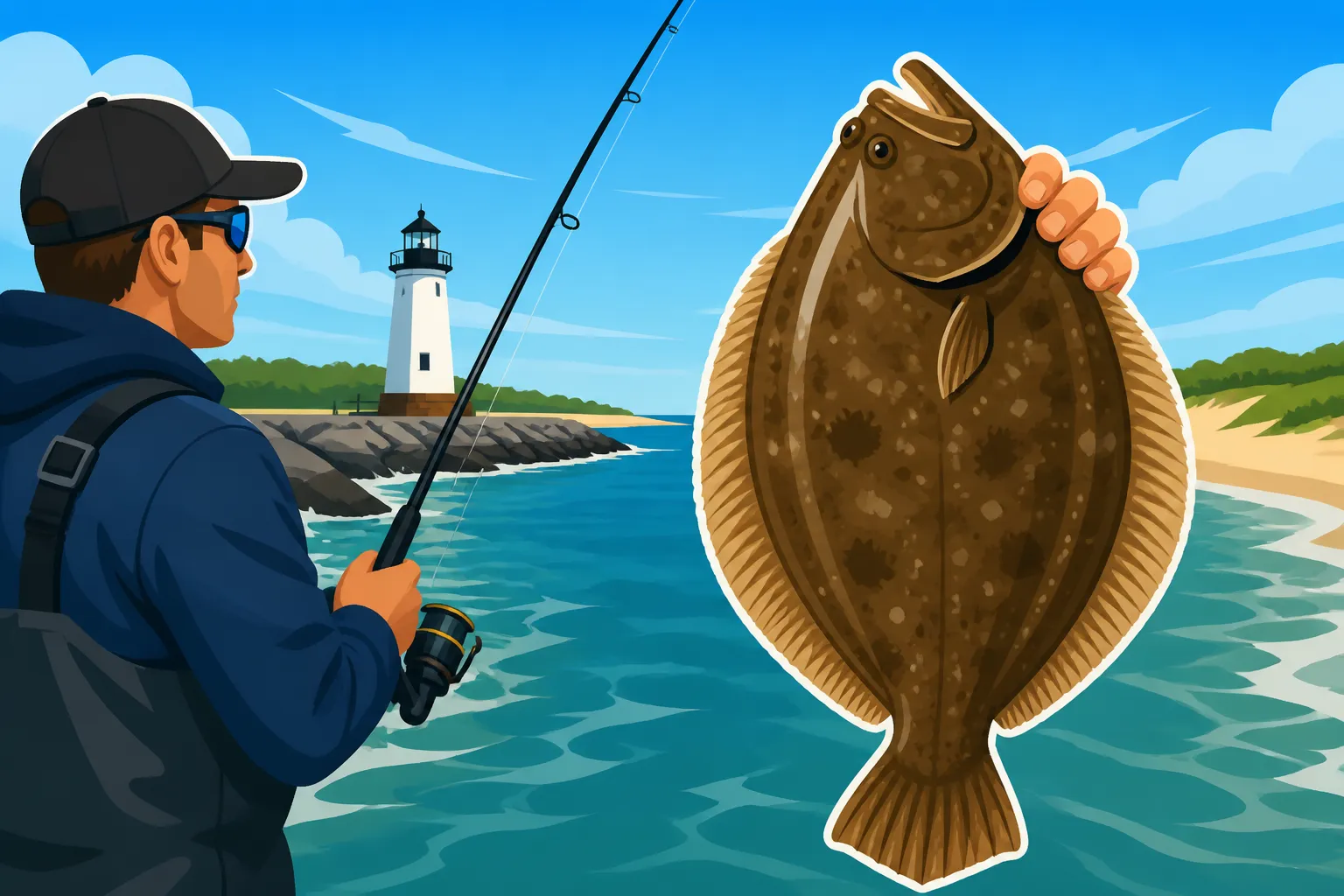
Fishing the tight confines of an inlet can be incredibly rewarding, offering sheltered waters and a concentrated flow of bait, but it also presents its own set of challenges. Strong currents, heavy boat traffic, and structure-hungry fluke demand a keen understanding of the area and specific techniques to consistently put fish in the cooler. This comprehensive guide will arm you with the knowledge needed to successfully target summer flounder, or fluke, in New Jersey's dynamic Shark River Inlet.
Understanding the Unique Characteristics of Shark River Inlet for Fluke
Shark River Inlet, nestled between Belmar and Avon-by-the-Sea, is a vibrant waterway that connects the Shark River estuary to the Atlantic Ocean. This constant ebb and flow of tidal water creates a prime hunting ground for fluke, but it's the specific features of the inlet that truly make it a standout location.
Geological Features and Man-Made Structures
The inlet is characterized by its prominent jetties, which extend into the ocean, providing crucial structure. These jetties are not just rock piles; they create current breaks, eddies, and deeper scour holes where baitfish congregate and fluke lie in ambush. Inside the inlet, the Shark River Bridge pylons are another key piece of structure. Fluke will often hug these pilings, waiting for an easy meal to be swept by. Beyond the visible structures, the bottom contour is equally important, featuring a mix of sand, mud, and scattered rubble, all shaped by the relentless current. Understanding these subtle shifts in the bottom can be the difference between a slow day and a banner catch. The main channel itself runs deep, offering a highway for migratory fish, while shallower flats and sandbars on either side serve as feeding grounds during specific tides.
The Influence of Strong Tidal Currents
Perhaps the most defining characteristic of Shark River Inlet is its robust tidal current. As the tide pushes in or drains out, vast amounts of water move through this relatively narrow opening. These strong currents are a double-edged sword for anglers. On one hand, they sweep baitfish (like peanut bunker, spearing, and anchovies) directly into the waiting mouths of hungry fluke. On the other hand, they can make fishing challenging, requiring heavier tackle and careful boat control or casting precision from shore.
Fluke are masters of ambush, preferring to lie on the bottom, facing into the current, waiting for food to drift past. They conserve energy by staying out of the main flow, often positioning themselves on the leeward side of structures, in current seams, or in deeper pockets where the flow is slightly reduced. Successful fluke fishing in Shark River Inlet hinges on understanding how the current interacts with the bottom and the structures, and then presenting your bait or lure in a way that mimics a natural, vulnerable prey item being carried by the flow. This dynamic interplay means that the same spot can fish entirely differently on an incoming versus an outgoing tide, or even at different stages of the same tide.
Essential Gear and Techniques for Inlet Fluke Success
Catching fluke in a high-current environment like Shark River Inlet requires specific gear and tactics. It's not just about having a rod; it's about having the right tool for the job and knowing how to use it effectively.
Rods, Reels, and Line Selection
For inlet fluke, you'll want a medium-heavy spinning or conventional rod, typically 6'6" to 7'6" in length, with a fast action tip. This combination provides the sensitivity to detect subtle bites, especially when fishing in deeper water or strong current, while offering enough backbone to fight a sizable fluke and keep it away from abrasive structures like bridge pilings or jetty rocks. A rod with a limber tip will help you feel the 'thump' of a fluke picking up your bait, but a strong mid-section is crucial for setting the hook and muscling the fish.
Pair this with a reliable 3000-5000 size spinning reel or a conventional reel capable of holding 200 yards of 20-30 lb braided line. Braided line is almost non-negotiable here. Its thin diameter cuts through the current much better than monofilament, allowing you to use lighter weights to reach the bottom. More importantly, its near-zero stretch provides unparalleled sensitivity, letting you feel every bump, tick, and bite, even when fishing in a strong drift or at depth. A 20-30 lb fluorocarbon leader, 3-5 feet long, should be tied to your braid using a strong knot like an Albright or an FG knot. This leader provides abrasion resistance against structure and can make your presentation more stealthy. Learn about the nuances of specific equipment in our guide on the Best New Jersey Fishing Gear for Beginners if you're just starting out.
Effective Fluke Rigs and Baits
When it comes to tempting fluke in the inlet, a few rigs stand out. The classic bucktail jig is a perennial favorite, especially for active fishing. White, chartreuse, pink, and glow are excellent colors. Pair your bucktail with a scented soft plastic trailer, like a Berkley Gulp! Swimming Mullet or Grub, in white, chartreuse, or nuclear chicken. The Gulp! products are incredibly effective due to their scent dispersion and lifelike action. Often, a teaser hook tied 12-18 inches above the bucktail, adorned with another piece of Gulp! or a spearing, can double your chances. Our article on Gulp Bait vs Live Bait for Fluke Fishing delves deeper into this comparison.
Traditional two-hook fluke rigs are also highly productive. These typically consist of two snelled hooks (often Kahle or wide-gap style, sizes 2/0-4/0) spaced 12-18 inches apart, above a bell sinker or bank sinker. The weight should be heavy enough to maintain bottom contact without constantly dragging or bouncing off the bottom. In Shark River Inlet's currents, this can range from 1 to 4 ounces, sometimes even more during peak tidal flow. Live bait, such as spearing, killifish, or peanut bunker, threaded onto these hooks, is often irresistible to fluke. Dead baits like strips of squid, mackerel, or bluefish belly also work wonders. For a more detailed look at bait choices, check out our piece on Best Bait for Fluke Fishing.
Table: Popular Fluke Baits & Lures for Shark River Inlet
| Bait/Lure Type | Description | Pros | Cons | Ideal Conditions |
|---|---|---|---|---|
| Bucktail Jig + Gulp! | Jig (1-4 oz) with scented soft plastic trailer (e.g., Gulp! Mullet) | Active presentation, excellent scent, versatile, good for strong current | Can get snagged easily on rocky bottom, requires active working | All tides, especially strong current or casting |
| Live Spearing/Minnows | Small live baitfish hooked through the lips or back | Natural presentation, highly effective for larger fluke | Requires live bait well/bucket, can be fragile, may attract smaller fish | Slow to moderate current, drifting |
| Squid/Mackerel Strips | Cut strips of fresh or frozen baitfish | Durable, strong scent, cost-effective | Less natural action than live bait or Gulp! | All tides, especially for traditional rigs |
| Fluke Rig (Sinker) | Two-hook snelled rig with a sinker on the bottom | Classic, effective, keeps bait near bottom | Can tangle easily in very strong current, less active than bucktail | Drifting, moderate current |
Mastering the Drift and Retrieve
Whether you're fishing from a boat or the shore, presenting your offering correctly is paramount. From a boat, drifting is often the most effective method for covering ground and finding fluke. Position your boat upstream of your target area (e.g., jetty edge, bridge pilings, channel drop-off) and let the current carry you. Adjust your weight as needed to ensure your bait or lure ticks the bottom without getting swept up or dragging excessively. A slow, controlled drift, often achieved by using a drift sock or by intermittently using your motor, will keep your bait in the strike zone longer. When you feel a bite, don't set the hook immediately like you might for a bass. Instead, drop your rod tip, feed a little line, and wait for the fluke to fully commit before making a firm, upward sweep. Our guide on How to Drift Fish for Fluke offers more detailed strategies.
From shore, especially from the jetties, casting up-current and allowing your bait to wash back naturally with the tide is key. Work your lure or bait with a slow lift-and-drop retrieve, simulating an injured baitfish or a struggling crab. Pay close attention to current seams and eddies around the jetty rocks, as these are prime ambush points. Accuracy in casting is vital to place your offering close to structure without getting snagged. Always be mindful of the New Jersey Fluke Size Limit: 18 Inches and ensure your fish is legal before putting it on ice.
Timing Your Attack: Tides and Seasons for Shark River Inlet Fluke
Fluke fishing is all about timing, and in a tidal inlet like Shark River, understanding the movement of water is just as important as knowing your gear.
The Critical Role of Tide
For most inlet fishing, the moving tide is king. As the tide flows, it stirs up the bottom, dislodges crustaceans, and pushes baitfish through the channel, creating a feeding frenzy for fluke. However, the exact "best" tide can depend on the specific location within the inlet and the day's conditions.
- Outgoing Tide: As the tide drains from the Shark River estuary into the ocean, it carries with it a smorgasbord of bait from the back bays. This can be particularly productive around the main channel and near the mouth of the inlet as fluke gather to intercept the departing food source. The strong current can be intense, so be prepared with heavier weights.
- Incoming Tide: The incoming tide pushes ocean water and fresh bait (like spearing and small crabs) into the inlet. This is often excellent for fishing the shallower flats and sandbars just inside the mouth, as fluke move in with the rising water to hunt. The current can still be strong, but perhaps a bit more manageable than a ripping outgoing tide.
- Slack Tide: The periods just before or after the tidal change (high or low slack) are often slower for fluke. With minimal current, bait isn't being moved as actively, and fluke tend to be less aggressive. However, sometimes the "dead calm" period just before the current starts to pick up can provide a short, intense bite window, especially if the fish have been holding back during strong currents. It's often during the last hour of a moving tide and the first hour of the next moving tide that the fishing really picks up. You can track these critical periods by consulting a local tide chart, an essential skill covered in our guide on How to Read Tide Charts for Better Fishing in New Jersey.
Peak Fluke Season and Migratory Patterns
The fluke season in New Jersey generally kicks off in late spring, usually May, and runs through the summer into early fall. For Shark River Inlet, the bite typically starts strong in June and continues consistently through July and August.
- Early Season (Late May – June): As water temperatures rise, smaller "flukelets" and some keepers begin to show up. They're often found in shallower areas, moving with the warmer water. This is a great time for light tackle and active jigging.
- Mid-Summer (July – August): This is the prime time for Shark River Inlet fluke. Larger fish move in from the ocean and populate the deeper channels and around the jetties. The baitfish are abundant, and the fluke are actively feeding. This is when you'll find the most consistent action and a good chance at catching a legal-sized fish. You'll want to be aware of the New Jersey Fluke Bag Limit Explained for this peak season.
- Late Season (September – October): As water temperatures begin to cool, fluke start their migration offshore. You can still find good numbers in the inlet, especially on warmer days, but they'll often be found in deeper water as they prepare to move out. The New Jersey Fluke Season Dates for 2026 will provide the official calendar to plan your trips.
Many anglers plan their entire summer around these migratory patterns, ensuring they hit the inlet when the action is hot. For those looking to maximize their chances, especially newcomers to the area, consulting with a local bait shop or even booking a guided trip through platforms like FishingBooker can provide real-time insights into what's biting and where.
Access and Local Wisdom for Shark River Inlet Anglers
Knowing where to fish and how to approach the area safely and respectfully is just as important as knowing your rigs. Shark River Inlet offers various access points for both shore-bound and boat anglers, each with its own advantages.
Shore and Boat Access Points
Shore Anglers:
- The Jetties: Both the north (Belmar) and south (Avon-by-the-Sea) jetties are popular spots. They offer excellent access to deeper water and structure. Be aware that walking the jetty can be challenging due to uneven rocks, especially if wet. Always wear appropriate footwear with good grip.
- Bulkheads and Piers: Along the Shark River itself, particularly on the Belmar side, there are public bulkheads and small piers where anglers can cast. These areas are often shallower but can be productive, especially on an incoming tide. You might also find other species here, like bluefish, striped bass, or even weakfish.
- Local Parks: Some parks along the river offer access, but always check for specific fishing regulations or hours.
Boat Anglers:
- Public Boat Ramps: There are several public and private marinas and boat ramps available along the Shark River, offering easy access to the inlet. The Belmar Marina is a well-known location with ramps and ample parking, making it a convenient starting point for many anglers.
- Drifting the Channel: From a boat, you can effectively drift the main channel of the inlet, allowing the current to carry you and your bait past prime fluke holding areas. Pay close attention to the depth sounder to identify drop-offs and structure.
- Fishing the Bridge: Boat anglers can position themselves to drift under or along the Shark River Bridge, targeting fluke that hide around the pilings. Exercise extreme caution due to boat traffic and strong currents when navigating this area.
Before heading out, ensure you have the necessary licenses and registrations. All freshwater fishing in New Jersey requires a license, and while saltwater fishing from shore or a private boat typically doesn't, you do need to register for the free New Jersey Saltwater Registry Explained. If you're planning to fish any freshwater portions of the river, you'll need a New Jersey Fishing License Guide for 2026.
Safety Considerations and Respecting Local Regulations
Shark River Inlet is a dynamic environment, and safety should always be your top priority.
- Currents: The currents can be very strong, especially during peak tidal flow. If fishing from a boat, always be aware of your position and maintain control. If fishing from shore, be mindful of rogue waves, especially on the jetties, and never turn your back on the ocean.
- Boat Traffic: The inlet is a busy waterway, particularly on weekends during the summer. Recreational boaters, personal watercraft, and charter boats all share the space. Maintain situational awareness, use proper navigation lights if fishing at dawn or dusk, and be courteous to other anglers and boaters.
- Weather: Sudden changes in weather are common along the coast. Always check the marine forecast before heading out and be prepared to cut your trip short if conditions deteriorate.
- Regulations: Always adhere to New Jersey's fishing regulations, including size and bag limits for fluke. These regulations are in place to protect fish stocks and ensure sustainable fishing for future generations. Keep a copy of the latest New Jersey Fish and Wildlife Digest handy, either digitally or physically.
Tapping into Local Knowledge
One of the best ways to improve your success rate in a new area, or even a familiar one, is to tap into local knowledge.
- Local Tackle Shops: Stores like The Reel Seat in Brielle or Fishermen's Den in Point Pleasant Beach are invaluable resources. The staff at these shops are usually lifelong anglers who know the local waters intimately. They can provide up-to-date information on what's biting, what baits are working best, and where the fish are holding based on recent reports. Don't be shy; ask about current conditions, productive tides, and any specific quirks of the inlet.
- Online Forums and Social Media: There are numerous New Jersey fishing groups online where anglers share tips, reports, and ask questions. While you need to sift through some noise, these can provide a real-time pulse on the fishing scene.
- Charter Captains and Guides: If you're serious about learning the nuances of Shark River Inlet, consider hiring a local fishing guide or booking a charter. These professionals spend countless hours on the water and can teach you techniques, reveal hidden spots, and accelerate your learning curve. Many experienced captains who list their services on platforms like FishingBooker can offer invaluable insights specific to this challenging and rewarding location. Learning about How to Choose a New Jersey Fishing Charter can guide you in selecting the right professional.
By combining an understanding of the inlet's unique characteristics with the right gear, techniques, and a healthy dose of local wisdom, you'll be well on your way to enjoying some fantastic fluke fishing in Shark River Inlet.
Disclaimer
The information provided in this guide is for general informational purposes only. Fishing regulations, seasons, and limits in New Jersey are subject to change. Always consult the latest New Jersey Department of Environmental Protection (NJDEP) Fish and Wildlife regulations and advisories before planning your fishing trip. Safety should always be your top priority when on the water.