Best New Jersey Jetties for Striped Bass in Fall
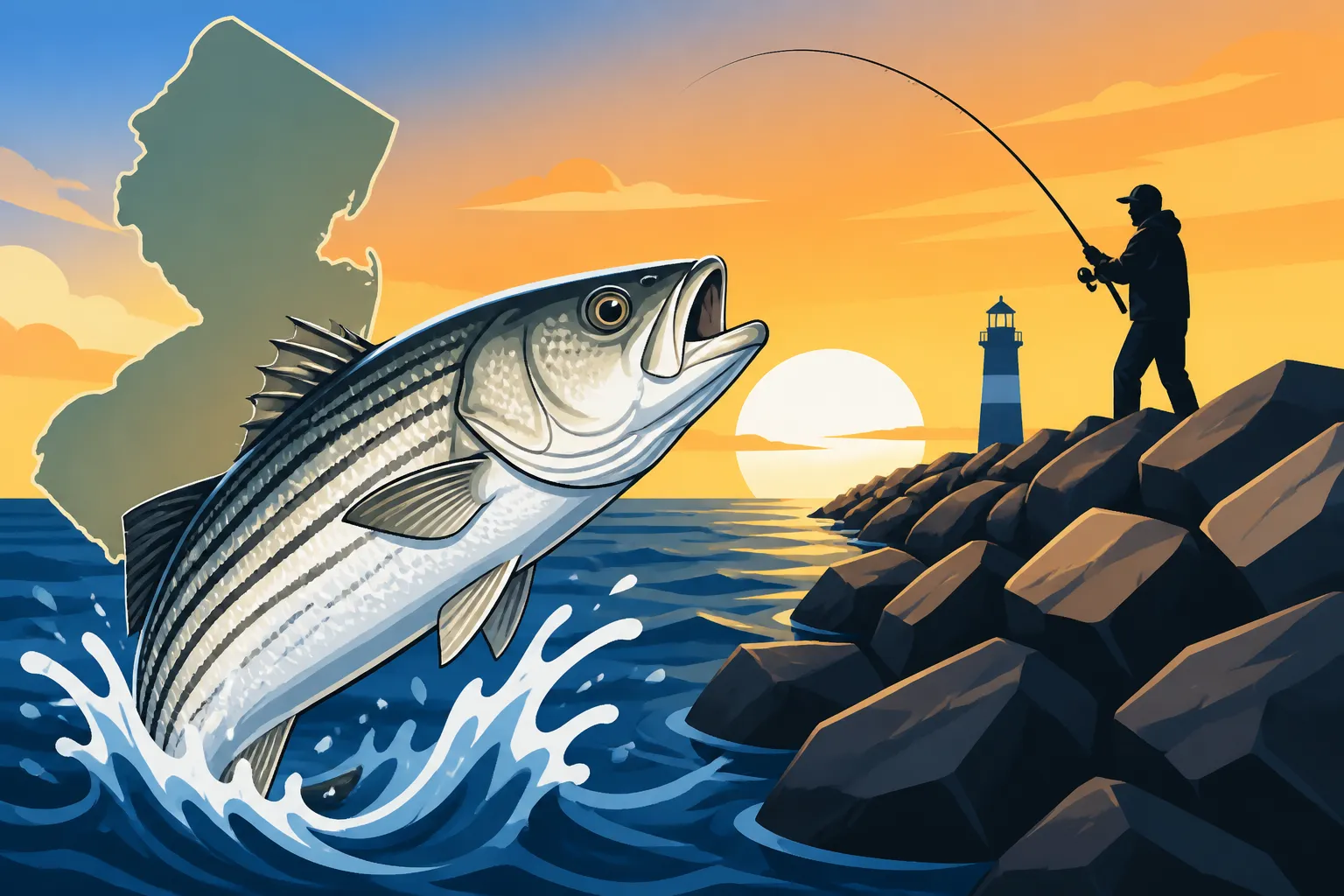
When the crisp air of autumn sweeps across New Jersey, many anglers feel that undeniable pull of the fall striped bass run. But finding those elusive stripers from shore, especially on the often crowded and challenging jetties, can feel like a daunting task for even seasoned veterans. This comprehensive guide is all about demystifying the art of jetty fishing for striped bass during the glorious fall migration, helping you pinpoint the most productive locations and master the techniques to land that trophy fish.
Why Jetties Are Prime Striped Bass Real Estate in Fall
Jetties aren't just piles of rocks extending into the ocean; they're dynamic ecosystems that become absolute magnets for striped bass, especially as the temperatures drop and the fall migration kicks into high gear. Understanding why these structures are so effective is key to unlocking their full potential.
Structure and Ambush Points
Think of a jetty as a giant, underwater highway with built-in diners and hiding spots. The irregular contours of the rocks create an incredible amount of current breaks, eddies, and submerged pockets. These aren't just interesting features; they're prime real estate for baitfish like bunker, mullet, and spearing to gather and seek refuge from the strong ocean currents. And where the bait goes, the predators follow.
Striped bass are ambush predators by nature. They'll often position themselves in those calmer pockets behind a rock or just out of the main current, waiting for an unsuspecting school of baitfish to swim by. From these strategic points, they can dart out, grab a meal, and retreat with minimal energy expenditure. In the fall, with countless baitfish pushing south along the coast, jetties become a gauntlet for these smaller species, and the stripers are there, lined up and ready to feed. The sheer abundance of varied structure means there's always a new spot to explore and a new ambush point for a hungry striper.
Currents and Food Funnels
One of the biggest draws of jetties for striped bass is their profound impact on tidal currents. These rock walls act like giant funnels, compressing and accelerating the water flow around their ends and along their sides. This intensified current isn't just a navigational challenge for baitfish; it's a conveyor belt of food. As the current surges, it dislodges crabs, worms, and other invertebrates from the bottom, sending them tumbling into the water column. This sudden availability of food creates a feeding frenzy, and striped bass are quick to capitalize.
Furthermore, the currents around jetties create distinct rips and eddies where different water masses meet. These areas are incredibly nutrient-rich and often concentrate baitfish into tight schools, making them easy targets for stripers. Knowing How to Read Tide Charts for Better Fishing in New Jersey is absolutely critical when fishing jetties, as the optimal feeding times often align with specific stages of the incoming or outgoing tide when these currents are at their peak. A strong outgoing tide, for instance, can flush bait out of the back bays and into the ocean, right past the waiting stripers at the jetty's mouth.
Top New Jersey Jetties for Fall Striped Bass
New Jersey's coastline is dotted with jetties, each with its own character and productivity. While stripers can show up almost anywhere during the fall run, some jetties consistently produce better results due to their location, structure, and accessibility.
Northern Jersey Hotspots
When the fall run is in full swing, Northern New Jersey boasts some legendary jetties that draw anglers from all over.
- Manasquan Inlet: This is arguably one of the most famous and productive inlets in the state for fall striped bass. The "Manasquan Rocks" are a particular hotspot, extending far into the ocean. Anglers here can cast into the swift currents of the inlet, the turbulent waters where the inlet meets the ocean, or the calmer back bays. The jetty provides excellent access to deep water and strong rips, making it a prime location for targeting migratory stripers. Live lining peanut bunker or throwing large poppers and swimmers are common tactics here. Many head boats and charters also frequent this area, and you can often find local guides specializing in these productive waters through platforms like FishingBooker if you're looking for expert insight.
- Shark River Inlet: Just south of Manasquan, Shark River Inlet offers a similar, albeit sometimes less crowded, experience. Both the north and south jetties here can hold an incredible amount of bait and, consequently, stripers. The deep channel and consistent bait presence, especially during a strong outgoing tide, make it a reliable spot. Anglers often do well with bucktails bounced along the bottom or metal lures cast into the churning waters at the jetty tip. The proximity to residential areas makes it a convenient spot for many central New Jersey anglers.
Central Jersey Favorites
Moving down the coast, Central New Jersey provides ample opportunities, with some truly iconic spots.
- Barnegat Light (Barney EEL): Affectionately known as "Barney EEL" (East End Long), this jetty at the very northern tip of Long Beach Island is an absolute mecca for fall stripers. It extends an impressive distance into the Atlantic, offering access to deep, open ocean waters. The strong currents, abundant baitfish, and rocky structure make it a magnet for large migratory fish. Anglers here commonly use large plugs, pencils, and jigs, especially during low light conditions or when the tide is moving strongly. The walk out can be long, so comfortable and sturdy footwear is essential. Given its popularity, you'll often see groups of anglers patiently waiting for the bite.
- Island Beach State Park Jetties: While Island Beach State Park is primarily known for its incredible surf fishing, the small jetties and rock groins scattered along its 10 miles of pristine coastline can be incredibly productive, particularly for those on foot. These structures break up the long stretches of beach, creating natural rips and cuts where stripers will hold. They might not be as dramatic as Manasquan or Barnegat Light, but they offer excellent fishing opportunities, often with less pressure than the major inlets. Remember that Island Beach State Park Fishing Access requires specific permits for 4×4 vehicles, but pedestrian access to most jetties is readily available.
Southern Jersey Gems
As you head further south towards Cape May, the jetties continue to offer excellent striper fishing opportunities.
- Cape May Jetties: The jetties around Cape May Point and the entrance to the Delaware Bay are fantastic spots in the fall. These jetties, often shorter than their northern counterparts, still provide crucial structure and current breaks. The confluence of the Atlantic Ocean and the Delaware Bay creates a unique ecosystem with a tremendous amount of bait movement. Anglers targeting striped bass here will often find success with bucktails, soft plastics, and chunk bait, especially during the tide changes. The scenic backdrop of the Cape May Lighthouse adds to the experience. When considering a trip, especially if you're looking to explore multiple spots or go on a boat trip nearby, checking FishingBooker for local guides who know these southern waters can be a great resource.
- Delaware Bay Jetties/Riprap: While not traditional "jetties" in the same vein as those on the oceanfront, the extensive riprap and jetty-like structures protecting the entrance to the Delaware Bay can be hugely productive for striped bass, especially earlier in the fall run. These areas act as a major funnel for migratory fish entering and exiting the bay. Look for areas with strong current and deeper pockets. Bloodworms or fresh chunked bunker are often deadly here.
Essential Strategies for Jetty Striped Bass Fishing in Fall
Success on the jetties, especially for migratory fall stripers, isn't just about showing up; it's about understanding the environment and employing the right techniques.
Reading the Water and Tides
This cannot be stressed enough: the tide is your best friend when jetty fishing for stripers. Fall stripers are constantly on the move and incredibly opportunistic, and their feeding behavior is intrinsically linked to the movement of water.
- Tide Cycles: Pay close attention to the incoming and outgoing tides. Often, the hour before and an hour after the peak of either tide—known as "slack tide"—can be incredibly productive. A strong outgoing tide can sweep baitfish out of the back bays and estuaries, delivering them directly to hungry stripers waiting at the jetty's mouth. Conversely, a strong incoming tide can bring in new schools of bait and push stripers closer to the jetty rocks. Understanding the nuances of How to Fish a Falling Tide versus a rising tide can make all the difference.
- Rips and Eddies: Look for visual cues in the water. Rips, where strong currents meet slower water, and eddies, where water swirls back on itself, are prime feeding zones. These areas disorient baitfish and create concentrated pockets where stripers can effortlessly ambush their prey. Casting into these transition zones is often more productive than simply casting straight out into open water.
- Water Clarity: Fall waters can range from crystal clear to murky. Adjust your lure and bait choices accordingly. In clear water, natural presentations and subtle colors are often best. In murkier conditions, brighter colors, noisy lures, or baits with strong scent profiles can stand out more effectively.
Best Baits and Lures for Jetty Striper
The fall run means stripers are often aggressively feeding, so don't be afraid to experiment with a variety of offerings.
- Live Bait: If you have access to fresh live bait like peanut bunker, mullet, or spot, it's often irresistible to stripers. Live-lining these baits off a jetty with a simple fish-finder rig or a float can be incredibly effective. Cast them into the rips or deeper pockets and let the current do the work.
- Cut Bait (Chunks): Fresh bunker chunks are a classic for a reason. Their oily scent disperses well in the current, drawing stripers from a distance. A simple fish-finder rig with a heavy enough sinker to hold bottom in the current is usually all you need. Cast it out, let it settle, and wait for that familiar thud. This technique can be especially good at night.
- Plugs and Poppers: Topwater action can be explosive in the fall. Large poppers and pencil poppers are excellent choices, especially at dawn, dusk, or overcast days when stripers are actively chasing bait on the surface. Walk-the-dog lures and large swimming plugs like those from Daiwa or SP Minnows are also incredibly effective, mimicking fleeing baitfish. These are particularly good choices for anglers looking to actively work the water and cover a lot of ground from a jetty.
- Bucktails and Jigs: Bucktail jigs, often tipped with a piece of pork rind or a soft plastic trailer, are versatile and deadly. They can be bounced along the bottom, retrieved with a retrieve-and-pause motion, or jigged vertically in deeper water. Darker colors like black and purple are great at night or in murky water, while white, chartreuse, or natural baitfish patterns shine in clearer conditions. Lead head jigs paired with large soft plastic paddletails (like those from Bass Assassin or Tsunami) are also fantastic for imitating larger baitfish like bunker. For more detailed insights into specific techniques, checking out a guide on Bucktail Jigging Techniques for New Jersey Anglers can really elevate your game.
Safety First on the Jetties
Jetties can be dangerous places, especially during the fall when conditions can change rapidly. Prioritizing safety is paramount.
- Footwear: Wear proper footwear. Felt-soled boots or Korkers with studs are essential for traction on slippery, algae-covered rocks. Sneakers or regular boots simply won't cut it.
- Watch the Waves: Always keep an eye on incoming waves, especially rogue waves that can be larger than average. Never turn your back on the ocean. A sudden large wave can knock you off your feet or even sweep you into the water.
- Weather Conditions: Fall weather in New Jersey can be unpredictable. High winds, heavy rain, or approaching storms can make jetty fishing treacherous. Check the forecast before you go, and if conditions deteriorate, pack it in. No fish is worth risking your life.
- Buddy System: Whenever possible, fish with a buddy. If something goes wrong, having someone else there can make a critical difference.
- Headlamp and PFD: If fishing at night or in low light, a reliable headlamp is crucial. Consider wearing a personal flotation device (PFD), especially if you're fishing a long jetty or in rough conditions. Jetties are not always supervised, and unexpected events can happen quickly. Knowing How to Fish Around Jetties Safely is a skill developed over time, but always start with the basics.
Gear Up for Jetty Success
Having the right equipment can make your jetty fishing experience far more enjoyable and productive. You're dealing with strong currents, potentially large fish, and abrasive rocks, so your gear needs to be up to the task.
Rods, Reels, and Line
For jetty fishing, you need gear that can handle heavy lures, strong currents, and powerful fish.
- Rods: A medium-heavy to heavy action spinning rod, typically 9 to 11 feet in length, is ideal. This length allows for long casts over the rocks and provides the leverage needed to fight a strong striper away from the abrasive jetty structure. Brands like St. Croix, Tsunami, or Lamiglas offer excellent jetty-specific rods. If you're wondering about general setup costs, a guide on Basic Fishing Setup Cost might be helpful, but for jetties, expect to invest a bit more in robust gear.
- Reels: Pair your rod with a durable, saltwater-resistant spinning reel in the 6000 to 8000 size range. Look for reels with a strong drag system and good line capacity. Penn Spinfisher, Shimano Saragosa, or Daiwa BG series are popular choices that can withstand the harsh saltwater environment and the demands of jetty fishing.
- Line: Braided line is almost a necessity for jetty fishing. It offers superior casting distance, minimal stretch for better bite detection, and excellent abrasion resistance compared to monofilament. Use 30 to 50 lb test braided line. Always tie on a fluorocarbon leader (30-60 lb test) of about 3-6 feet. The leader provides added abrasion resistance against rocks and is less visible to fish. For specifics on line choices, consider referring to What Pound Test Line for Surf Fishing as many principles apply to jetty fishing as well.
Essential Accessories
Don't overlook these smaller, but crucial, items that can make or break your jetty outing.
- Pliers and Hook Removers: You'll inevitably encounter fish that have swallowed hooks or need quick release. Long-nosed pliers or a specialized hook remover are essential for safely de-hooking fish, especially species like bluefish with sharp teeth, or quickly releasing a striper that falls within the New Jersey Striped Bass Slot Limit Explained.
- Lip Grips/Boga Grips: For handling larger stripers safely, especially if you're practicing catch and release, a lip grip (like a Boga Grip or similar tool) is invaluable. It allows you to control the fish without touching its delicate slime coat, minimizing stress and injury.
- Backpack: A comfortable backpack that can hold your tackle, extra layers of clothing, snacks, and water is a must. You'll often be walking considerable distances on jetties, and you want your hands free for balance.
- First Aid Kit: A small, waterproof first aid kit should always be in your bag. Cuts and scrapes from rocks or hooks are common, and being able to address them quickly is important.
- Camera: To capture those memorable moments, especially when you land a beautiful fall striper. Remember to handle fish gently and return them quickly if you're not keeping them.
| Jetty Name | General Location | Primary Target Species (Fall) | Best Tide Stage | Key Techniques | Accessibility |
|---|---|---|---|---|---|
| Manasquan Inlet | Northern Jersey Shore | Striped Bass, Bluefish | Strong outgoing/incoming rips | Live-lining, poppers, jigs, chunking | Good parking, long walk on rocks, can be crowded |
| Shark River Inlet | Central Jersey Shore | Striped Bass, Bluefish | Outgoing | Bucktails, metal lures, chunking | Decent parking, walkable jetties, moderate crowds |
| Barnegat Light (EEL) | Long Beach Island | Striped Bass, Bluefish | Moving tides, especially outgoing | Large plugs, pencil poppers, jigs, bunker chunks | Long walk on rocks, ample parking, very popular |
| Cape May Point | Southern Jersey Shore | Striped Bass, Tautog | Tide changes | Bucktails, soft plastics, chunking | Good parking, shorter jetties, sometimes less crowded |
When heading out, don't forget your fishing license and saltwater registry documentation. New Jersey Conservation Police are often patrolling these popular areas, and they will certainly check for proper credentials. A quick check on New Jersey Fishing Season Dates and Closures can also save you a lot of disappointment before you even wet a line. While a private charter booked through FishingBooker might handle some of these logistics for you, when you're on the jetty, it's all on you!
Disclaimer
The information provided in this guide is for general informational purposes only and is not intended as legal advice regarding fishing regulations. Fishing regulations, including bag limits, size limits, and seasons, are subject to change by the New Jersey Department of Environmental Protection (NJDEP) Division of Fish and Wildlife. It is the angler's responsibility to consult the most current New Jersey Fish and Wildlife Digest or visit the official NJDEP website before fishing to ensure compliance with all applicable laws and regulations.