New Jersey Surf Fishing Techniques
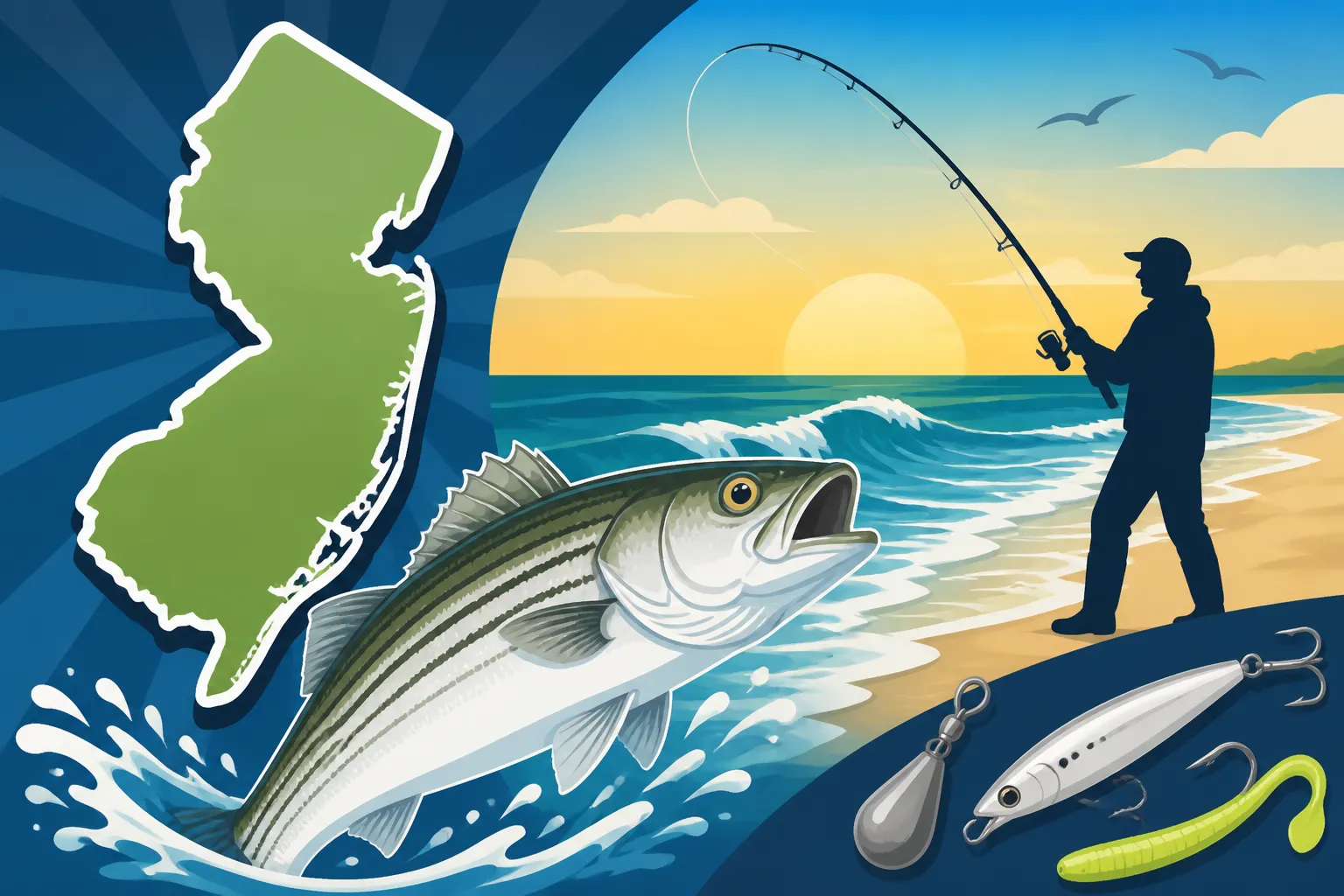
Standing on the beach, feeling the salt spray on your face, and casting a line into the churning surf is one of the most quintessential New Jersey fishing experiences. Yet, for many, it can also be incredibly frustrating – endless casts with no bites, tangled lines, or simply feeling overwhelmed by the vastness of the ocean. This guide is here to unravel the mysteries of New Jersey surf fishing techniques, transforming those moments of confusion into confident, successful outings, whether you're a seasoned pro or just starting out.
Understanding the New Jersey Surf Fishing Environment
Surf fishing isn't just about casting a line; it's about understanding the dynamic environment you're fishing in. The ocean is constantly reshaping the shoreline, creating natural features that attract fish. Learning to "read" the beach can make all the difference between a slow day and a banner day.
Reading the Beach and Identifying Productive Structure
The first step to becoming a successful surf angler in New Jersey is to develop an eye for productive water. The beach might look uniform, but beneath the surface, and often visible from above, are subtle (and sometimes not-so-subtle) features that hold fish. These structures provide shelter, ambush points, and areas where baitfish congregate.
One of the most crucial elements to identify are "cuts" or "sloughs." These are deeper channels that run perpendicular or parallel to the beach. They often appear as darker sections of water where waves aren't breaking, or where waves break farther out and then reform closer to shore. Fish, especially striped bass and bluefish, love to use these cuts as highways to move along the beach, particularly during tide changes. They also hold baitfish, making them prime ambush points.
Beyond cuts, look for "sandbars" and "troughs." Sandbars are elevated sections of sand where waves typically break. On the ocean side of a sandbar, you'll often find a deeper trough – a depression running parallel to the beach. Fish will cruise these troughs, especially during high tide, looking for food dislodged by the waves or trapped between the bar and the shore. Sometimes, there might be multiple sandbars and troughs, creating a complex fishing ground. You can often spot these by observing where the waves consistently break and reform, indicating shallow spots (bars) and deeper water (troughs). Places like Island Beach State Park, known for its pristine natural beaches, offer excellent opportunities to practice spotting these features.
Points and jetties, whether natural or man-made, are also high-percentage areas. These structures disrupt the natural flow of the current, creating eddies and calm spots where baitfish can gather and larger predators can lie in wait. The turbulence around these structures also dislodges food, making them feeding grounds. However, fishing around jetties also requires extra caution due to strong currents and submerged rocks, so always prioritize safety when navigating these spots.
Deciphering Tides, Currents, and Wind Patterns
Just like understanding the physical structure of the beach, grasping the rhythm of the tides, the push and pull of currents, and the influence of the wind is paramount for New Jersey surf fishing success. These elements are constantly at play, dictating when and where fish will feed.
Tides are arguably the most critical factor in surf fishing. In general, a moving tide is better than a slack tide. A rising tide often pushes baitfish closer to shore and into the troughs, activating predators like striped bass and fluke. As the water fills in, fish will follow the bait into newly accessible areas. Conversely, a falling tide can be equally productive, as it pulls baitfish out of the shallower areas and concentrates them in deeper channels and cuts, making them easier targets for game fish. Knowing how to use a tide chart when planning a fishing trip is an invaluable skill. While the general rule is "moving water is good," specific species might prefer different stages. For instance, fluke often bite well on the outgoing tide as bait is swept out of the bays and inlets.
Currents work hand-in-hand with tides. Strong currents can disorient baitfish and wash out scent trails, but they can also concentrate food in specific areas. Understanding rip currents for safer surf fishing is crucial not just for safety, but also for identifying prime fishing zones. Rip currents, often visible as a channel of churning, discolored water moving away from the shore, can actually be fish magnets. Baitfish get swept out by these rips, attracting larger predatory fish that lie in wait at the edges of the current. Learning to cast your bait or lure into the feeder lanes of a rip can lead to incredible action, but always keep a safe distance and be aware of your surroundings.
Finally, the wind plays a significant role, affecting everything from casting distance to water clarity and wave action. A strong onshore wind (blowing from the ocean to the shore) can make casting a challenge, create rougher surf, and stir up sand, reducing water clarity. However, it can also push bait closer to the beach, sometimes triggering a feeding frenzy. An offshore wind (blowing from the land to the ocean) tends to flatten the surf, making for calmer conditions and easier casting. This can be great for presenting light lures or watching for subtle strikes. Side winds can make casting difficult and cause line belly, making it harder to feel bites. Always check the forecast before you go, and be prepared to adjust your tackle and techniques based on the prevailing wind direction and strength.
Essential Gear for New Jersey Surf Anglers
Stepping onto the sand with the right equipment is like bringing the right tools to a job site – it just makes everything easier and more effective. Surf fishing demands robust gear designed to withstand the harsh saltwater environment and the powerful forces of the ocean.
Rods, Reels, and Line Selection for the Surf
When it comes to surf fishing in New Jersey, your rod and reel combo is your primary weapon. Unlike freshwater fishing, you need gear that can handle long casts, heavy weights, and powerful fish in challenging conditions.
For rods, you're generally looking at longer models, typically between 9 and 12 feet, sometimes even up to 15 feet, depending on your preferred casting style and the weight you need to throw. The extra length helps with casting distance, which is often crucial for reaching those outer sandbars and troughs. The power of the rod (medium-heavy to heavy) is important for launching heavier sinkers and baits, as well as muscling in larger fish like striped bass through the waves. You'll want a rod with a sensitive tip to detect subtle bites, but plenty of backbone to fight a strong fish. Many anglers find quality surf rods from brands like Tsunami, Lamiglas, or even certain models by Penn that offer a good balance of durability and performance.
Reel choice usually boils down to spinning or conventional. Spinning reels are generally more beginner-friendly, easier to cast, and excellent for throwing lures or lighter baits. They're what most people start with. Look for a robust, saltwater-specific spinning reel in a 6000-10000 size class that can hold plenty of line and has a strong drag system. Brands like Penn, Shimano, and Daiwa offer excellent options that are built to resist corrosion. Conventional reels, while having a steeper learning curve (think about managing backlashes!), offer immense power and casting distance once mastered, especially for heavy bait setups. They excel at holding massive amounts of line and handling the biggest fish. Whatever you choose, ensure it's specifically rated for saltwater to prevent premature corrosion from the constant exposure to salt spray and sand. You can find a huge variety of these saltwater-grade rods and reels on platforms like Amazon, making it easy to compare features and read reviews before making a purchase.
Line selection is another critical component. Braided line has become incredibly popular for surf fishing due to its thin diameter, incredible strength, and zero stretch, which translates to much greater casting distance and enhanced sensitivity to feel even the lightest bites. A typical braided line setup might be 30-50 lb test, depending on the target species and casting weight. However, because braid is so thin and has no abrasion resistance, you must use a monofilament or fluorocarbon leader. This leader, usually 30-80 lb test, provides shock absorption, protects against abrasion from sharp rocks or fish teeth, and makes the line less visible to wary fish. Monofilament line is a more traditional choice, offering good abrasion resistance and some stretch, which can be forgiving when fighting powerful fish. A 15-30 lb test monofilament is common for general surf fishing.
Terminal Tackle and Essential Accessories
Once you've got your rod, reel, and line sorted, it's time to consider the smaller but equally crucial components: terminal tackle and those often-overlooked accessories that make your time on the beach more comfortable and productive.
Terminal tackle refers to everything at the "terminal" end of your line, where the action happens. Sinkers are vital for getting your bait out into the strike zone and holding it there against current and waves. Pyramid sinkers are common for general bait fishing as they dig into the sand. Sputnik sinkers, with their retractable wires, offer even better holding power in strong currents, preventing your bait from washing back to shore. Pancake or storm sinkers are flatter and offer a lower profile in extreme conditions. The weight of your sinker will depend on the rod you're using, the current, and the size of your bait – typically ranging from 3 to 8 ounces.
Hooks are, of course, essential. For bait fishing, especially when targeting striped bass, the use of circle hooks for bait fishing is often mandatory and highly recommended for conservation. These hooks are designed to catch in the corner of a fish's mouth, reducing gut-hooking and improving the chances of a successful release. Common sizes for surf fishing range from 5/0 to 9/0, depending on the bait size and target species. For lure fishing, you'll rely on the hooks that come with your lures, though many anglers upgrade these to stronger, sharper saltwater-grade treble or single hooks. Swivels and snaps are used to prevent line twist, allow for quick lure changes, and create reliable connections between your main line, leader, and rig components. A heavy-duty barrel swivel or a high-quality snap swivel will serve you well.
Beyond the business end of your line, a few essential accessories can dramatically improve your surf fishing experience. A sand spike or two is indispensable for holding your rod securely while you're waiting for a bite or rigging up a new bait. A good pair of long-nosed pliers or dehookers is crucial for safely removing hooks, especially from toothy critters like bluefish. A sharp bait knife and cutting board are necessary for preparing bait, while a headlamp or a small flashlight is a must for those productive dawn, dusk, and night fishing sessions. Don't forget a comfortable surf bag to carry your lures, leaders, and tools, keeping them organized and easily accessible. Many anglers also bring a cooler for keeping bait fresh and for storing any fish they decide to keep within the appropriate bag and size limits. Even a simple tape measure is essential to ensure your catch meets the legal New Jersey fluke size limit: 18 inches or the striped bass slot limit.
Mastering Casting Techniques for Distance and Accuracy
So, you've got the right gear and you've spent some time eyeing up the cuts and troughs. Now comes the moment of truth: getting your bait or lure out to where the fish are. Casting in the surf isn't just about brute force; it's about technique, timing, and understanding how to work with (or against) the elements.
Basic Overhead Cast and Modified Pendulum Cast
For most beginners, the basic overhead cast is the foundation of surf fishing. It's relatively easy to learn and can get your bait a respectable distance. To execute an overhead cast, stand with your feet shoulder-width apart, perpendicular to the water, facing your target. Hold the rod with both hands, the reel facing upwards, and let your bait or lure hang about 6-12 inches from the rod tip. Bring the rod back over your shoulder, loading the blank with energy, then drive it forward in a smooth, powerful motion, releasing the line at the 10 or 11 o'clock position. The key is to avoid jerky movements; think of it as a smooth acceleration that unloads the rod's stored energy into propelling your rig.
As you gain confidence and seek more distance, you might explore the modified pendulum cast. This technique is more advanced but can significantly increase your range. Instead of starting with the lure hanging directly below the rod tip, you'll let it swing out in front of you, creating a larger arc and allowing you to build more momentum. The cast begins with the lead hanging low, often near your knees, and you initiate a powerful swing that brings the lead up and over your head, releasing at the peak of the forward motion. This technique requires good timing and practice, often best learned on an open field before tackling the real surf. With any powerful cast, especially with heavy weights, safety is paramount. Always ensure nobody is behind or to the sides of you when casting, and be mindful of your surroundings.
Beyond distance, accuracy is also crucial. Sometimes, reaching the furthest sandbar isn't as important as landing your bait precisely in a visible cut or just behind a wave break. Practice aiming for specific spots. One common mistake is trying to cast too hard; often, a smoother, more controlled cast will result in better distance and much better accuracy than an all-out power cast that sacrifices form. Remember, the goal is to get your bait to the fish, not just into the next county.
Utilizing the Wind and Reading Wave Breaks for Optimal Presentation
Once you have a handle on basic casting mechanics, it’s time to fine-tune your approach by considering the environmental factors that constantly shift on the beach: wind and waves. Ignoring these can lead to frustration and missed opportunities.
When the wind is at your back (an offshore wind), it can be a true blessing for casting. This is your chance to really launch your bait or lure a long way. The wind acts as an extra boost, carrying your rig further than you might achieve on a calm day. Take advantage of it to reach those distant outer bars or the edges of deep channels that are usually out of reach. Conversely, casting into a strong onshore wind can feel like an impossible task. In these conditions, you might need to use heavier sinkers to cut through the wind or adjust your casting angle slightly to reduce resistance. Sometimes, a lower, more powerful cast that keeps the lure closer to the water's surface can be more effective than a high lob that gets caught by the wind. Consider what pound test line for surf fishing, as thinner braid can cut through wind better than thick mono.
Reading wave breaks is another subtle art that directly impacts your lure or bait presentation. Waves breaking far out indicate a sandbar, and the calm water behind that break often signifies a trough – a prime feeding zone. Timing your cast to land just beyond a breaking wave, or right into the heart of a calm trough, is key. If you cast directly into a breaking wave, your lure or bait can get tangled, washed up, or simply lose its natural presentation. Watch the rhythm of the waves – there's usually a set of larger waves followed by a lull. Use these lulls to make your cast, allowing your offering to settle and present itself naturally before the next set rolls in. Casting parallel to the beach, along the length of a trough, is also an excellent tactic to cover more ground and put your bait in front of cruising fish. The New Jersey coast, particularly spots like Island Beach State Park, offers countless opportunities to practice these visual cues and refine your casting strategy.
Bait and Lure Strategies for New Jersey Surf Fishing
Once you’ve mastered the art of getting your line out, the next step is deciding what to put on the end of it. The surf holds a diverse array of fish, and what works best can vary greatly depending on the species you’re targeting, the time of year, and even the specific conditions of the day.
Top Baits and Bait Presentation Techniques
For many surf anglers, bait fishing is the bread and butter, especially when targeting larger, bottom-feeding species or when simply wanting to relax and wait for a bite. There are a few staples that consistently produce along the New Jersey coast.
Fresh clam is an absolute powerhouse bait, particularly for striped bass, kingfish, and even some fluke. Clams release a strong scent trail that fish can detect from a distance. You can buy them fresh or frozen from most local tackle shops. When rigging, use a strong hook (a circle hook is ideal for striped bass) and thread the clam meat onto it, ensuring the hook point is exposed. Many anglers use a small piece of elastic thread (bait cotton) to secure the clam to the hook, preventing it from flying off during a powerful cast or being easily picked off by small bait stealers. For striped bass, a simple fish-finder rig with a pyramid sinker is often effective, allowing the bait to move naturally with the current.
Another highly effective bait, especially during the spring migration, is the bloodworm. These long, segmented worms are irresistible to striped bass and often produce bites when other baits fail. Learning how to fish bloodworms for striped bass is a valuable skill. They can be expensive, so many anglers will cut them into smaller pieces and thread them carefully onto a small hook, sometimes in conjunction with a small piece of clam or a Gulp! bait for added attraction. Remember that bloodworms are delicate, so casting gently is key. Fresh bunker, either whole or chunked, is a prime bait for larger striped bass and bluefish. You can often catch your own bunker with a cast net or buy them from bait shops. For whole bunker, a stout circle hook is threaded through the nose or back, allowing it to swim naturally if alive, or drift effectively if dead. For chunks, cut them into manageable pieces and fish them on a fish-finder rig. Knowing how to store live bait overnight can extend its freshness, crucial for multi-day trips.
Other baits like shrimp and squid are versatile and can catch a wide variety of fish, from fluke to kingfish, croakers, and even smaller bluefish. Small pieces of fresh shrimp or squid on a basic high-low rig (also called a top-and-bottom rig) are excellent for panfish in the surf. Regardless of the bait, the key to presentation is often letting it move naturally with the current and tides, mimicking a crippled or disoriented food source.
Effective Lures and Their Retrieval Methods
While bait fishing is a patient game, lure fishing in the surf is often a more active pursuit, requiring constant casting and retrieving. The right lure, fished with the correct technique, can trigger aggressive strikes from predatory fish.
Plugs are a staple for striped bass and bluefish, especially during low light conditions or at night. "Bottle plugs" and "darters" are designed to swim just below the surface, imitating baitfish. "Poppers" work on the surface, creating a commotion that mimics a struggling baitfish, often leading to explosive, visual strikes. Brands like Super Strike, Gibbs, and Guppy Lures are well-known for their quality and effectiveness. Retrieval methods vary: poppers require a "walk-the-dog" retrieve or sharp jerks to splash water; darters and bottle plugs are usually retrieved steadily with occasional twitches. The SP Minnow by Daiwa is another incredibly popular and effective plug for striped bass, often producing when other lures fail.
Metal jigs and spoons are fantastic for targeting bluefish and striped bass, especially when baitfish like bunker or mullet are present. These lures imitate fleeing baitfish and can be cast a long distance. Examples include the Acme Kastmaster or Hopkins spoons. A fast, erratic retrieve often works best for bluefish, mimicking a frantic baitfish, while a slower, steady retrieve can entice striped bass. Bucktail jigs are incredibly versatile and deadly, particularly for fluke. Learning bucktail jigging techniques for New Jersey anglers is essential for fluke success. These jigs, often tipped with a Berkley Gulp! shrimp or a strip of fresh squid, are bounced along the bottom, imitating a struggling baitfish or crab.
Soft plastics have also revolutionized surf fishing. Paddle tails, like those made by Storm or Tsunami, on a jig head can be incredibly effective for striped bass and weakfish. The key is to match the jig head weight to the conditions, allowing it to swim naturally in the current. Berkley Gulp! baits, in particular, are a game-changer for fluke fishing. Their scent dispersion is remarkable, and they often outperform natural bait. Whether it’s a Gulp! Swimming Mullet or a Gulp! Grub, a slow, steady retrieve with occasional pauses is usually effective. For bluefish, the best lure color for bluefish is often chartreuse or white, as they are highly visible and mimic common baitfish like spearing or peanut bunker. Don't be afraid to experiment with different lures and retrieves until you find what the fish are hitting on a given day.
Targeting Specific Species from the New Jersey Surf
New Jersey's coastline is a vibrant ecosystem, teeming with a variety of fish species that can be caught from the surf. While striped bass often steal the spotlight, many other popular and delicious species make for exciting angling.
Striped Bass: The King of the Surf
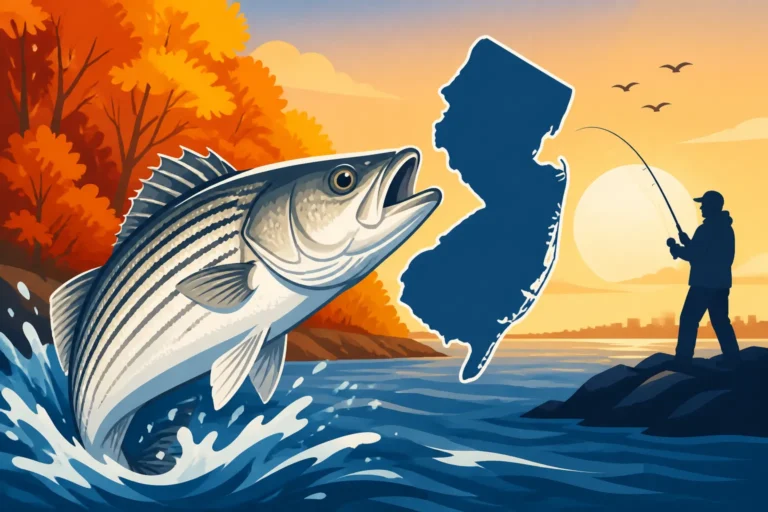
Ah, the striped bass – the undisputed king of the New Jersey surf. Their power, size, and willingness to chase a well-presented bait or lure make them a top target for countless anglers. Understanding their migratory patterns and feeding habits is crucial for consistent success.
The best time of year to fish for striped bass in New Jersey largely revolves around their spring and fall migrations. In the spring, as water temperatures rise, stripers move north along the coast, often showing up in April and May, feeding heavily as they head to their spawning grounds. They'll gorge on bunker, herring, and worms. The fall run, from September through December, sees them moving south, again feeding voraciously to build reserves for the winter. This is often the most exciting time for surf anglers, with large schools of baitfish drawing in big numbers of stripers close to shore. During the summer, resident stripers can still be caught, particularly around inlets and in the cooler waters of the back bays, but the peak action is truly in the shoulder seasons.
When targeting striped bass from the surf, a combination of bait and lure strategies works well. For bait, fresh clam, whole or chunked bunker, and bloodworms on a fish-finder rig are top producers, especially during a moving tide. Anglers often fish these baits in cuts, troughs, or along jetties, where stripers naturally patrol. For lures, plugs like the Daiwa SP Minnow, Gibbs Darters, or topwater poppers can be incredibly effective, especially during dawn, dusk, or under the cover of darkness. Metal lip swimmers and soft plastics on jig heads also account for many fish.
It’s important to stay informed about current regulations, especially the New Jersey Striped Bass Slot Limit: 28 to 38 Inches. This means you can only keep fish within that specific length range, designed to protect the spawning stock and juvenile fish. Knowing the current rules is part of responsible angling. Striped bass are often most active during low-light conditions – dawn, dusk, and night fishing are frequently the most productive times. They use the cover of darkness or the dim light of twilight to ambush baitfish, making these hours prime for targeting them with lures. If you're fortunate enough to hook into a keeper, be mindful of catch and release striped bass handling rules, especially if the fish is outside the slot limit or if you plan to release it. Always wet your hands before handling, support the fish horizontally, and use a dehooker to minimize stress.
Fluke, Bluefish, and Other Common Catches
While stripers often steal the show, the New Jersey surf offers fantastic opportunities to catch a variety of other popular game fish, each with its own preferred techniques and habits.
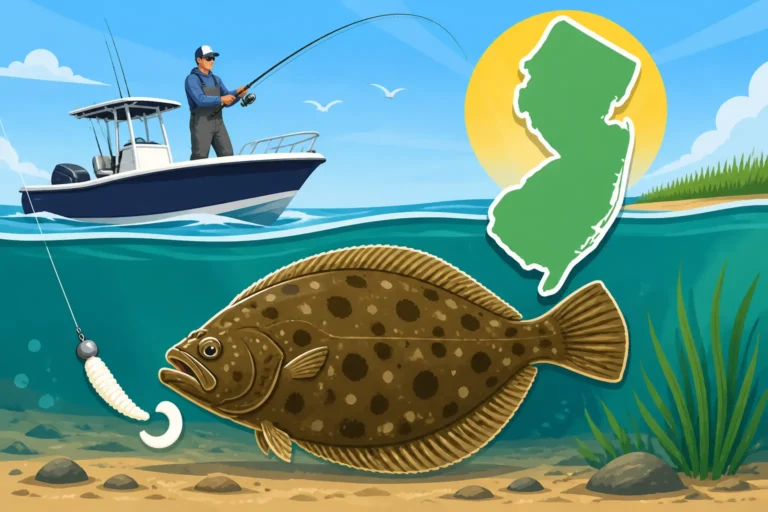
Summer flounder, affectionately known as fluke in New Jersey, are another highly sought-after species. They're masters of camouflage, lying in wait on the bottom to ambush passing baitfish. The best time of year to fish for fluke in New Jersey is typically from late spring through late summer when they move into the shallower, warmer waters of the bays and along the oceanfront. For surf anglers, targeting fluke often involves bucktail jigging techniques for New Jersey anglers. A white, chartreuse, or pink bucktail jig, tipped with a strip of Gulp! bait, squid, or spearing, is bounced along the bottom. The goal is to imitate a crippled baitfish or shrimp. Another effective method is drifting bait, such as a fresh strip of bunker or spearing, on a fish-finder rig that allows the bait to gently move across the bottom with the current. Always be aware of the New Jersey Fluke Size Limit: 18 Inches and the New Jersey Fluke Bag Limit Explained, as these regulations can change seasonally to manage the population.
Bluefish are the undisputed "chopper" of the surf, known for their aggressive strikes, sharp teeth, and powerful fights. They often appear in large schools, creating exhilarating "bluefish blitzes" where they churn the water into a frenzy as they chase baitfish. Bluefish will hit almost any fast-moving lure or bait. Metal spoons like Hopkins Lures or Acme Kastmasters, retrieved quickly, are incredibly effective. Poppers also work wonders, often eliciting spectacular surface strikes. For bait, chunked bunker or mackerel on a stout rig is a go-to. Be sure to use a heavy leader, as their razor-sharp teeth can easily slice through lighter lines. The best lure color for bluefish is often bright and flashy, like chrome, chartreuse, or even white, to grab their attention amidst the chaos of a blitz.
Beyond these two mainstays, the surf can yield a surprising array of other species. Kingfish (whiting) and croakers are smaller but feisty bottom dwellers that readily take small pieces of clam or bloodworm on a high-low rig. Weakfish, identified by their iridescent pinkish-purple hue, are often found in troughs and cuts, particularly in late spring and early summer. They prefer soft plastics, small bucktail jigs, or even a small piece of shedder crab. Even skates and rays are common catches, often providing a surprisingly strong fight. The beauty of surf fishing is the unpredictability; you never quite know what will hit your line next!
Safety, Etiquette, and Conservation in the Surf
Surf fishing is an incredibly rewarding pursuit, but the ocean demands respect. Prioritizing safety, practicing good etiquette, and adhering to conservation principles ensures not only your well-being but also the health of the fishery for generations to come.
Staying Safe in the Dynamic Surf Environment
The ocean is a powerful and ever-changing environment, and staying safe while surf fishing should always be your top priority. Even on seemingly calm days, conditions can change rapidly.
One of the most critical safety aspects is understanding rip currents. These narrow, powerful channels of water flow quickly away from the shore and can pull even strong swimmers out to sea. Learning how to read a rip current for safer surf fishing is not just about avoiding them, but also about knowing how to react if you get caught in one (don't fight it, swim parallel to the shore until you're out of the current). Anglers, especially those wading out into the surf, need to be hyper-aware of these channels. Always observe the water for a few minutes before you enter it. Look for areas where waves aren't breaking, a channel of churning, discolored water, or debris moving quickly offshore.
Wading into the surf is a common tactic to reach deeper water or cast beyond sandbars, but it comes with risks. Never wade alone, and always use a sturdy wading staff for balance and to probe the bottom. Be wary of sudden drop-offs or soft sand (quicksand-like conditions can occur in certain areas). Strong waves can easily knock you off your feet, and retrieving gear in heavy surf can be dangerous. Consider wearing a personal flotation device (PFD) if you plan to wade into deeper or more turbulent waters, especially if you're not a strong swimmer. Always keep an eye on incoming sets of waves – what looks like a manageable wave might be followed by a much larger one that can catch you off guard. A good pair of polarized sunglasses will not only protect your eyes but also help you see submerged obstacles and fish.
Beyond the water itself, be mindful of your gear. Hooks are sharp, and casting heavy weights requires care. Always check your knots and gear before casting to prevent snapping off a rig that could fly at high speed. Use caution when handling fish, especially toothy bluefish, and always have pliers or a dehooker handy. Night fishing adds another layer of caution; a reliable headlamp is essential, but be aware that using bright lights can spook fish. It's always a good idea to let someone know where you're fishing and when you expect to be back, especially if you plan to fish alone.
Practicing Responsible Angling and Beach Etiquette
Surf fishing isn't just a solitary pursuit; it often involves sharing the beach with other anglers, beachgoers, and the delicate coastal environment. Practicing responsible angling and good etiquette ensures a pleasant experience for everyone and contributes to the health of the fishery.
First and foremost, "leave no trace." This means cleaning up all your trash – fishing line, bait containers, food wrappers, and anything else you bring to the beach. Monofilament and braided line, in particular, are deadly to wildlife if left behind. Dispose of any unused bait properly; don't just dump it on the sand. A dedicated trash bag attached to your sand spike or surf cart is a simple solution.
Respecting other anglers' space is fundamental. The surf can get crowded, especially during prime seasons like the fall run. Don't crowd another angler who is already set up. A general rule of thumb is to give them enough space so your casting paths don't overlap, typically 30-50 feet. If you're walking the beach, pass behind other anglers, not in front of their lines. Be considerate with your light at night; avoid shining your headlamp directly into another angler's line of sight or where they are actively fishing, as it can ruin their night vision and spook fish.
When it comes to fish, understanding and adhering to how bag and size limits work in New Jersey is a legal and ethical obligation. These regulations are in place to ensure sustainable fish populations. Always carry a measuring tape and know the current limits for the species you are targeting. If you're releasing fish, practice proper catch and release techniques. Minimize handling, use wet hands, support the fish horizontally, and use appropriate dehooking tools. For striped bass, the use of circle hooks for bait fishing is often mandatory, significantly reducing incidents of deep hooking and improving post-release survival. Consider releasing large breeding-size fish, even if they are legal, to support the fishery. Lastly, be aware of and respect any protected areas, such as nesting bird zones or dune restoration projects. The coastal ecosystem is fragile, and we, as anglers, have a responsibility to protect it.
Advanced Tips and Local Knowledge for Surf Fishing Success
After you've got the basics down, you might feel like you're still missing something – that elusive edge that separates a good angler from a truly great one. Often, that comes down to finely tuning your approach to changing conditions and tapping into the invaluable wellspring of local knowledge.
Adapting to Changing Conditions and Weather
The ocean is rarely the same two days in a row, and successful surf fishing often hinges on your ability to adapt to its fickle nature. Weather patterns, especially, can dictate how fish behave and where they can be found.
One aspect that often gets overlooked is how barometric pressure affects fishing. Fish are sensitive to changes in pressure. A stable or slowly rising barometer often correlates with active feeding, as fish feel comfortable and feed aggressively. A rapidly falling barometer, often preceding a storm, can sometimes trigger a feeding binge right before the weather turns foul. Conversely, a rapidly rising barometer after a storm might cause fish to become sluggish and less willing to bite. Paying attention to weather apps and local forecasts isn't just about your comfort; it's about predicting fish behavior.
Fishing after storms can be incredibly productive, but it requires a strategic approach. Heavy rains can muddy the water, pushing bait out of estuaries and into the surf. This influx of food often draws in predatory fish. While dirty water might make sight fishing impossible, the reduced visibility can make fish less wary, and they rely more on scent. This is where baits like fresh clam, bunker, or even a strong-smelling Berkley Gulp! can shine. However, be cautious of excessive runoff from rivers and storm drains, which can sometimes carry pollutants. On the flip side, fishing clear water lakes like Round Valley Reservoir demands a more stealthy approach. Similarly, in super clear ocean conditions, fish can be wary, so lighter leaders and more natural presentations are key.
Strong winds, whether onshore or offshore, always present a challenge. An onshore wind creates rougher surf, which can dislodge more food but also makes casting and detecting bites difficult. You might need to use heavier sinkers or switch to lures that can cut through the wind. An offshore wind, while creating calmer conditions, can sometimes push bait farther out, making it harder to reach. The key is to be flexible. Don't be afraid to change your location, switch baits, or try different retrieval speeds. Sometimes, moving just a hundred yards down the beach can put you in a completely different fishing zone. Persistence and careful observation – watching what the waves are doing, what other anglers are catching, and what birds are diving on – will often provide the clues you need to unlock success.
Leveraging Local Resources and Communities
Even with the best gear and a solid understanding of techniques, local knowledge is an invaluable asset that can significantly shorten your learning curve and boost your success. New Jersey's fishing communities are rich with information if you know where to look.
One of the best starting points is your local tackle shop. Shops like Grumpy's Bait & Tackle in Seaside Park, Fisherman's Headquarters on Long Beach Island, or The Tackle Box in Hazlet are treasure troves of up-to-the-minute information. These shop owners and their staff are often out fishing themselves or hear reports from countless anglers every day. They'll know what baits are working, what lures are hot, where the fish are biting, and what the latest regulations are. Don't just run in, grab some bait, and leave. Take a few minutes to chat, ask specific questions about recent catches, and listen to their advice. They often carry specialized gear, like custom plugs, that are specifically designed for local conditions.
Beyond the tackle shop, consider joining online fishing forums or social media groups dedicated to New Jersey surf fishing. Platforms like The Surfcaster's Journal or local Facebook groups can provide real-time fishing reports, discussions on techniques, and a sense of community. You'll see photos of recent catches, get tips on tides and bait, and learn about specific hotspots. Just remember to take online reports with a grain of salt and always verify information – some spots are kept secret for a reason!
Another fantastic resource is the official New Jersey Fish and Wildlife Digest. This annual publication, available online and at tackle shops, contains all the current regulations, season dates, size limits, and other vital information for both freshwater and saltwater fishing. Reading the New Jersey Fish and Wildlife Digest cover-to-cover is a rite of passage for many anglers and essential for staying legal. Additionally, sometimes the New Jersey Recreational Fishing Survey: Why You Might Get a Call, is part of a larger effort to gather data on fishing effort and catches, which ultimately helps manage our fisheries. Participating in such surveys, if contacted, contributes valuable information. By actively seeking out and engaging with these local resources, you'll not only enhance your fishing knowledge but also become a more informed and connected member of the New Jersey angling community.
Surf Fishing Baits and Lures Comparison
| Bait/Lure Type | Target Species | Best Conditions | Key Technique / Notes |
|---|---|---|---|
| Fresh Clam | Striped Bass, Kingfish, Croakers, Fluke | Moving tide, turbid water, night | Fish-finder rig, secure to hook with bait elastic. Strong scent trail. |
| Fresh Bunker (chunks/whole) | Striped Bass, Bluefish | Day or night, moving water, when bunker are present | Fish-finder rig. Use a heavy leader for bluefish. Whole for larger fish. |
| Bloodworms | Striped Bass, Weakfish | Spring migration, cool water, clear water | Small hook, gentle cast. Highly effective in Raritan Bay. |
| Berkley Gulp! (various) | Fluke, Weakfish, Striped Bass | Day or night, versatile in most conditions | Bucktail jig trailer, fish-finder rig. Scent-infused, effective alternative to bait. |
| Bucktail Jigs | Fluke, Striped Bass, Bluefish | Moving water, bouncing along bottom (fluke), imitating baitfish | Jigging motion, tip with Gulp! or squid. Variable weights for depth/current. |
| Plugs (Darters, Poppers, Swimmers) | Striped Bass, Bluefish | Dawn/dusk, night, calm to moderate surf | Steady retrieve, walk-the-dog (poppers), twitching. Imitate baitfish. |
| Metal Jigs/Spoons | Bluefish, Striped Bass, Spanish Mackerel | Day, active schools of baitfish, clear water | Fast, erratic retrieve. Cast long distances. |
| Soft Plastics (Paddle tails) | Striped Bass, Weakfish, Fluke | Versatile, jig head weight matches conditions | Steady retrieve, slow bounce. Mimic distressed baitfish. |
Disclaimer
The information provided in this guide is for general informational purposes only and is subject to change. Fishing regulations, season dates, and size limits are set by the New Jersey Department of Environmental Protection (NJDEP) and can be modified at any time. It is the responsibility of every angler to consult the official New Jersey Fish and Wildlife Digest or the NJDEP website for the most current and accurate regulations before engaging in any fishing activity. Always prioritize safety and practice responsible angling.