How Long Does New Jersey’s Fall Striped Bass Run Last?
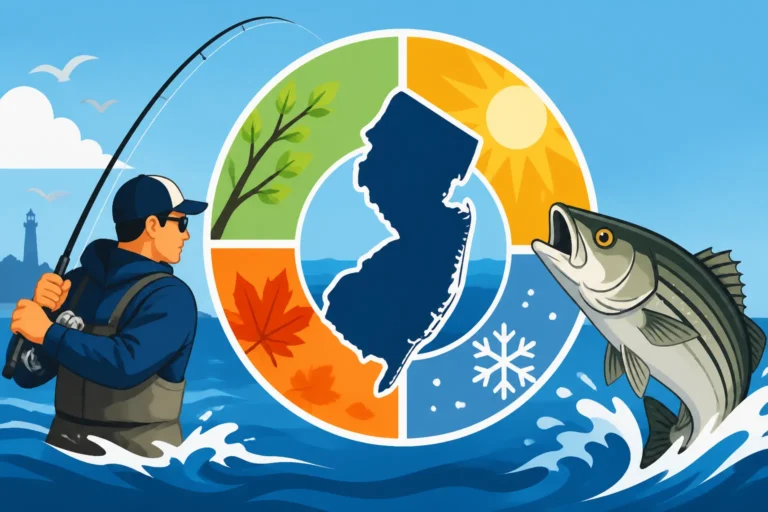
There's nothing quite like the excitement of New Jersey's fall striped bass run. Anglers often find themselves wondering just how long this incredible migration of fish will bless our waters with its presence, and how to best time their trips to catch the action before it's gone. This guide will dive deep into the typical duration of the fall striped bass run in New Jersey, exploring the factors that influence its start, peak, and eventual conclusion, so you can plan your autumn angling adventures with confidence.
Understanding the Striped Bass Fall Run in New Jersey
The fall striped bass run isn't just a phenomenon; it's an annual pilgrimage for these magnificent fish, and for the countless anglers who chase them. It's a natural cycle driven by powerful instincts and environmental cues, and understanding its core mechanics is the first step to truly appreciating its duration.
What Drives the Annual Migration?
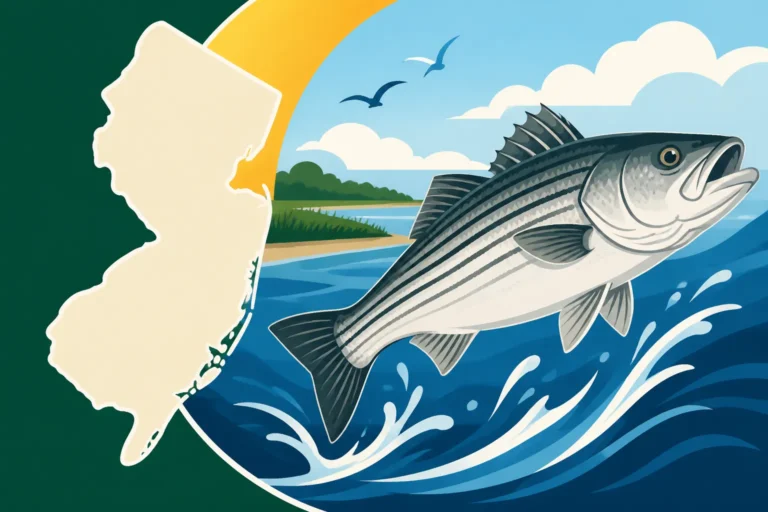
At its heart, the fall run is a mass migration. Striped bass, or "stripers" as we affectionately call them, spend their summers feeding in the cooler waters of New England and beyond. As autumn arrives and water temperatures begin to drop, an internal clock signals to these fish that it's time to head south towards their wintering grounds, primarily in the Mid-Atlantic region, including the Chesapeake Bay and other southern estuaries. This southward journey brings them right along the New Jersey coastline, sometimes very close to shore, making them accessible to surfcasters, boaters, and kayak anglers alike.
The primary driver for this move is food. Think of it as a massive, moving buffet line. As the water cools, immense schools of baitfish – like bunker (menhaden), mullet, spearing, and anchovies – also begin their own southward migrations. These baitfish are essentially running for warmer waters, and the stripers are hot on their heels, gorging themselves to build up fat reserves for the colder months and the upcoming spawning season. The sheer abundance of food available during this period is what makes the fall run so spectacular and often leads to those unforgettable "blitzes" where schools of stripers erupt on the surface, pushing baitfish into a frenzy. It’s a primal ballet of predator and prey, played out right in our backyard.
When Does the Fall Run Typically Begin?
Pinpointing an exact start date for the fall run is like trying to guess the exact day the first leaf will change color – it varies from year to year. However, we can talk about general trends. The very first signs of the fall run usually appear in northern New Jersey waters around late September to early October. These initial waves often consist of smaller, "schoolie" stripers, along with some resident fish that have been in our bays and estuaries all summer. These early arrivals are usually chasing smaller baitfish like spearing and peanut bunker.
As October progresses, especially into the middle to latter half of the month, that's when things really start to pick up. Colder air temperatures and declining water temperatures further north push more substantial schools of migratory stripers into our waters. This is when the larger baitfish, particularly big bunker, start to become more prevalent, and the chance of encountering bigger, migrating bass increases dramatically. Savvy anglers keep a close eye on ocean temperatures, often watching the thermometer drop into the 60s Fahrenheit as a key indicator that the main body of fish is on its way. When Do Striped Bass Migrate Through New Jersey? has more insights on this timing.
The Ebb and Flow of the Fall Run: Duration Factors
While we all wish the fall run could last forever, it's a dynamic period influenced by many factors. Its duration isn't a fixed calendar date but rather a flexible window that can stretch or shrink based on nature's whims.
Key Environmental Factors Affecting Length
The biggest determinant of how long the fall run sticks around is undoubtedly water temperature. Striped bass are cold-blooded creatures, and their activity levels are directly tied to the water around them. As the ocean water cools into the upper 50s and then the low 50s, the stripers' metabolism slows down. They become less active and eventually push south to find more hospitable conditions. Generally, once the coastal waters consistently drop below about 48-50 degrees Fahrenheit, the main body of migratory stripers will have moved on.
Bait presence is another colossal factor. The stripers are here to eat. If the schools of bunker, mullet, and other forage fish move quickly through New Jersey or get scattered by strong storms, the stripers might not linger as long. Conversely, if there's an abundant and prolonged presence of bait, the bass will often stay to feed, extending the duration of the run. A sudden cold snap combined with a rapid departure of bait can effectively shut down the run in a particular area almost overnight. Strong nor'easters or prolonged periods of heavy onshore winds can also churn up the water, making it unfishable for a few days, and sometimes pushing the bait and fish offshore or further south, effectively skipping parts of our coast.
Regional Differences Along the Coast
New Jersey is a long state, and the fall run doesn't happen uniformly from Sandy Hook to Cape May. The timing and duration can vary significantly depending on where you're fishing.
-
Northern New Jersey (e.g., Raritan Bay, Sandy Hook): Often sees the earliest signs of the run, with schoolie bass appearing in late September. These waters, particularly the bays and inlets, can hold fish for a good portion of the fall, especially if baitfish are plentiful. However, as winter truly sets in, the northernmost points can also see the main body of migratory fish move through somewhat quicker as they head south. Still, resident fish can hang around in estuaries. You might find good action in these areas through most of November, sometimes even into early December if conditions are mild. For instance, Raritan Bay Striped Bass Spots is a prime early and late-season location.
-
Central New Jersey (e.g., Barnegat Bay, Long Beach Island, Island Beach State Park): This region is often considered the heart of the fall run for many surfcasters and boat anglers. The peak action here typically occurs from mid-October through the entirety of November. This is where you'll often hear reports of massive bunker schools being harassed by large bass, and where those legendary surf blitzes frequently occur. The expansive beaches and accessible inlets like Barnegat Inlet and Manasquan Inlet offer fantastic opportunities. The run tends to be most consistent and prolonged here, often lasting well into the first week or two of December before truly tapering off. Island Beach State Park Fishing Access is a renowned spot for this action.
-
Southern New Jersey (e.g., Cape May, Delaware Bay): The fall run usually arrives a bit later here and often extends longer into the season. As the main body of fish moves south, these areas become the last stronghold for migratory stripers in New Jersey. Good fishing can persist here through November and often well into December, especially along the Cape May Rips and the southern shoals. The fish are often larger by this point, having fed extensively during their migration. Anglers looking to extend their season for big bass often shift their focus to the southern parts of the state as Thanksgiving approaches and passes. The Delaware Bay also offers unique opportunities, though its specific dynamics can differ from the oceanfront.
In essence, the run is a wave that travels down the coast. It washes over northern spots first, peaks in the central region, and then offers a final surge in the south before the fish push into wintering grounds further south.
Maximizing Your Chances During the Fall Run
Understanding the duration is one thing, but knowing how to capitalize on it is another. The fall run is a dynamic period, and being prepared and adaptable is key to consistent success.
Best Times to Hit the Water
Timing your trip isn't just about the month, but also the daily and weekly conditions. While the run typically lasts from October into early December, within that window, some times are simply better than others.
Tides: For surf anglers, fishing around moving water is almost always critical. The last two hours of the outgoing tide and the first two hours of the incoming tide are often prime windows. This is when baitfish are most likely to be pushed and concentrated, making them easier targets for stripers. In inlets and bays, the turn of the tide, especially when water is rushing in or out, creates current seams and rips where bait gathers and stripers ambush. You absolutely need to pay attention to How to Read Tide Charts for Better Fishing in New Jersey to find these optimal windows.
Time of Day: Early morning (dawn) and late evening (dusk) are consistently productive times during the fall run. Stripers often feed aggressively under low light conditions. Night fishing can also be incredibly effective, especially for larger fish that are more wary during daylight hours. However, if a full-blown "blitz" breaks out, fish will hit anything at any time of day! Keep an eye out for bird activity, which is a tell-tale sign of a feeding frenzy.
Weather Conditions: Don't let a little inclement weather scare you off. Overcast days, light rain, and even a stiff breeze from the northeast can sometimes trigger incredible feeding activity. The rougher water disorients baitfish and provides cover for stripers. However, safety first: avoid extreme conditions like heavy storms or dangerously high surf. Calm, bluebird days can be tough, especially from the surf, as the fish can be more hesitant in clear, bright water.
Gear and Techniques for Success
Being ready with the right tools makes all the difference when those striped bass decide to show up. This isn't the time to be fumbling with gear.
Rods and Reels: For surf fishing, a stout 9-11 foot rod paired with a heavy-duty spinning reel (like a Penn Spinfisher or a Shimano Spheros) spooled with 30-50 lb braided line is a solid choice. This setup allows for long casts to reach breaking fish or to cover a lot of water. For boat anglers, shorter, beefier conventional or spinning setups are common, typically 7-8 feet in length with matching reels capable of handling big fish. You can find a huge variety of reliable gear on Amazon to suit any budget or fishing style. Make sure your drag is smooth, as these fish can really pull!
Lures and Baits: The "best" lure or bait often depends on what the fish are feeding on. During a bunker bite, large poppers, pencil poppers, and metal-lipped swimmers that imitate bunker are deadly. When smaller baitfish are present, soft plastics like "shads" (like the Tsunami Split Tail Minnow or similar offerings you can find on Amazon) fished on jig heads, or smaller metals, are excellent. Best Lures for Striped Bass Fishing dives deeper into effective choices. Don't forget live or fresh dead bait, especially for those larger, more lethargic fish that might not be actively chasing lures. Fresh bunker chunks, clam, or eels can be incredibly effective, especially at night or when the bite is slow. For live bait, you'll want to make sure your circle hooks are up to snuff, which are now often required when using natural baits for stripers.
Being Mobile: This is perhaps the most crucial "technique" during the fall run. The fish are migratory, and they move. Don't get stuck in one spot if the action isn't there. Scout different beaches, inlets, and points. Look for bird play, bait schools, or other anglers hooked up. Sometimes, moving just a quarter-mile down the beach can put you on top of a school of feeding fish. Having a vehicle that can access various points, or a good pair of walking boots, is a major advantage. Keeping your fishing license and saltwater registry information handy is also essential, whether on paper or digitally on your phone. Carrying Proof of Your New Jersey Fishing License covers this important detail.
What to Expect as the Run Winds Down
All good things must come to an end, and the fall striped bass run is no exception. Knowing the signs that the run is tapering off can help you squeeze out those last few opportunities and adjust your expectations.
Signs the Run is Ending
The most obvious signal that the fall run is winding down is a sustained drop in water temperature. Once those ocean temps consistently dip below 50 degrees Fahrenheit, and especially into the mid-40s, the vast majority of migratory stripers will have moved past New Jersey. You'll notice fewer reports of large schools, fewer baitfish blitzes, and generally slower fishing.
Another clear sign is the dispersal or disappearance of large bait schools. The bunker, mullet, and other forage fish are on their own southbound journey, and once they've largely cleared our coast, the primary food source for the migrating stripers is gone. Without that driving food source, the bass have little reason to linger. You might also notice a decrease in bird activity, as the gulls and gannets follow the baitfish further south. Fewer boats out on the water, especially during weekdays, can also be an unofficial indicator that the peak has passed.
Finally, the catch composition might shift. You might start catching more "resident" striped bass, those fish that stay in our bays and estuaries year-round, or smaller schoolies that are less migratory. The big, ocean-run fish that were a dime a dozen a few weeks prior become much harder to find. When those powerful, broad-shouldered fish become scarce, it's a good sign the main body has left.
Late Season Opportunities and Winter Holdovers
Even as the main run tapers off, it's not always a complete shutdown. There are still opportunities for dedicated anglers.
Late Season Flurries: Sometimes, a milder spell of weather in December can bring a brief resurgence of activity. A late push of bait or a slight warming trend might hold some bass in our waters for a little longer. These late-season opportunities often require more patience and a willingness to brave colder conditions, but they can sometimes yield some surprisingly big fish for those who persevere. This is particularly true in the southern parts of the state, as the fish continue their journey.
Winter Holdovers: Not all striped bass leave New Jersey. A significant population of "holdover" stripers will spend the winter in our larger estuaries, rivers, and back bays, particularly in areas like Raritan Bay, the Mullica River, and other tidal creeks. These fish are usually smaller schoolies, but they can offer exciting, albeit challenging, winter fishing opportunities for anglers willing to bundle up. They often feed opportunistically on smaller baitfish, worms, or crabs. Fishing for holdovers requires a different approach, often favoring slower presentations with soft plastics or small jigs in deeper, warmer pockets of water. For those interested in year-round opportunities, exploring Freshwater vs Saltwater Fishing Rules in New Jersey can clarify regulations for these diverse waters.
While the peak of the fall run might be a month-long affair, the opportunities for striped bass fishing in New Jersey can actually stretch for several months, from the first whispers of fall in late September all the way until the truly frigid grip of winter sets in and even into the holdover season.
Fall Striped Bass Run: Typical Timeline and Factors
Here's a quick overview of the general timeline and influencing factors for the New Jersey Fall Striped Bass Run:
| Phase of Run | Typical Timing | Key Characteristics | Primary Influences |
|---|---|---|---|
| Early Stages | Late September – Mid-October | First waves, mostly schoolies, northern NJ first | Cooling air temps, early baitfish migration (spearing) |
| Peak Activity | Mid-October – Late November | Strongest migration, larger fish, widespread blitzes | Significant drops in water temp (55-60°F), abundant bunker |
| Winding Down | Late November – Early December | Fewer large schools, fish moving south, southern NJ still active | Water temps consistently in low 50s, bait thinning out |
| Late Season/Holdovers | Mid-December – January (and beyond) | Scattered fish, smaller holdovers in estuaries, cold water | Water temps below 50°F, opportunistic feeding |
Remember, these are general guidelines. Every fall run is a unique event, and staying informed about current conditions, water temperatures, and bait reports is your best bet for being in the right place at the right time. You can often find valuable reports by checking local fishing forums, tackle shops, or fishing report websites, which can help you track the fish's movements down the coast.
The fall run is truly a special time to be a New Jersey angler. Knowing its rhythm and recognizing the cues nature provides will allow you to make the most of this spectacular annual event. Whether you're chasing the first schoolies of October or bundled up for a December holdover, the Jersey Shore offers incredible action. Just make sure you've got your New Jersey Fishing License Renewal Rules in order, because you won't want to miss a moment of the action.
Disclaimer
This article is for general informational purposes only and does not constitute professional advice. Laws, prices and regulations vary by location and change over time. Consult a qualified professional for guidance on your specific situation.