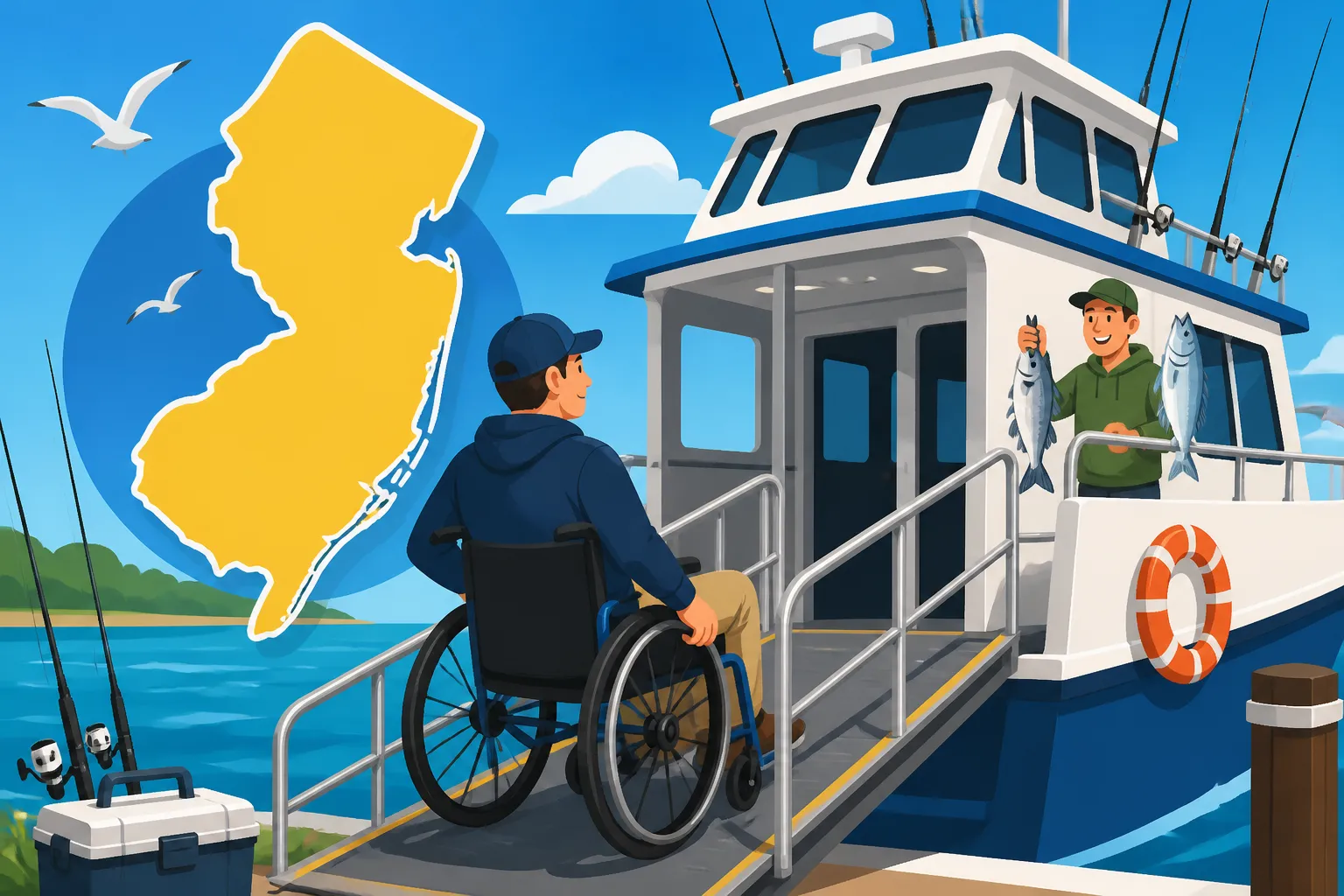
Are New Jersey Party Boats Wheelchair Accessible?
It's a common and deeply frustrating experience to plan a fun day out on the water, only to discover that the very vessel you've chosen isn't set up to accommodate everyone in your party, especially if someone uses a wheelchair. Wanting to enjoy the excitement of a New Jersey party boat trip shouldn't come with barriers; this guide will help you understand what to expect and how to approach finding party boats that are truly accessible along the Jersey Shore.
Understanding the Challenge of Accessibility on Party Boats
Let's be real for a moment. The world of charter and party boat fishing isn't always at the forefront of accessibility design, and it’s not always out of ill will. Many vessels, particularly the long-standing favorites that have been part of our coastal communities for decades, were built before modern accessibility standards were even a widespread consideration. This means that while the spirit of getting everyone out fishing is there, the physical infrastructure might not always align with the needs of every angler.
The Nature of Party Boat Design
When you picture a party boat, you likely envision a long deck, often with railings, benches, and a central cabin with a head (that's nautical speak for restroom!). Now, think about navigating that space in a wheelchair. Many older boats feature narrow doorways into cabins, high thresholds to step over, and often, the head facilities are located down a steep set of stairs or are simply too small to accommodate a wheelchair. Even if the main deck seems flat, there might be subtle inclines, raised cleats, or other fishing apparatus that create obstacles.
The very nature of a boat is that it's a moving platform. The deck can pitch and roll, which requires stability and secure footing, or, in the case of a wheelchair, secure positioning. This isn't like navigating a static building on land. Space is often at a premium, as boats are designed to maximize fishing real estate for as many anglers as possible. This can lead to tightly packed fishing stations where maneuvering a wheelchair, especially a larger power chair, becomes extremely difficult or even impossible without constant disruption to other anglers. You might get on board, but then find yourself stuck in one spot, unable to move freely to different parts of the boat or even to the rail where the action is.
Varying Dock and Gangway Conditions
Even if a party boat boasts some level of accessibility, the journey to the boat is often the first and most significant hurdle. Docks along the New Jersey coast are subject to the tides, which means the gangway – the ramp connecting the dock to the boat – can change dramatically in slope throughout the day. At low tide, a gangway might be a very steep incline, requiring significant strength and coordination to navigate in a manual wheelchair, or posing a challenge for an electric chair's motor. At high tide, it could be less steep but still present a challenge, or create a sharp drop that is difficult to manage.
Beyond the slope, the gangways themselves can vary wildly. Some are wide and stable, others are narrow with uneven planking, significant gaps, or have a raised lip that can catch wheels. The stability of the gangway is also a factor; some are very solid, while others may shift and sway, which can be unsettling and unsafe for someone transferring from a dock to a boat. It's not uncommon for party boats to dock in various locations, meaning that what might be an accessible setup at one marina could be completely different at another. This is why a simple "yes, we're accessible" answer isn't enough; you need the details. Remember, the boat is just one part of the equation; access to it is equally important. New Jersey Boat Ramp Rules and Access Fees might touch on some related aspects of getting to the water, but boat-specific gangways are a different beast entirely.
What to Look for and Ask About When Booking
Finding a truly accessible party boat experience requires diligence and direct communication. Don't assume anything based on a website photo or a generic statement. Your best tool here is a phone call and a detailed conversation with the boat's booking agent or, even better, the captain themselves.
Key Questions to Ask Before You Book
When you call a party boat, you need to be prepared with specific questions. Be upfront about your needs and don't be shy. This isn't about being difficult; it's about ensuring a safe, comfortable, and enjoyable experience for everyone. Here are some critical questions to ask:
- Gangway Specifics: "What is the width of your gangway? Are there handrails? How steep does it get at low tide versus high tide? Do you have any assistance available for boarding if the ramp is steep or unstable?"
- Deck Accessibility: "Is the main deck truly flat from bow to stern, or are there steps, thresholds, or raised obstacles? Can a standard wheelchair (or my specific chair, if it's unusually wide) freely move around the entire fishing area? Are there designated accessible fishing spots or areas with more space?"
- Restroom Facilities: "Do you have an accessible restroom on the main deck that a wheelchair can enter and maneuver within? What are the dimensions of the doorway and the internal space? Is there grab bar support?" This is often a major sticking point, as many boat heads are notoriously tiny.
- Crew Assistance: "Is your crew trained and available to assist with boarding, moving around the deck, or with fishing tasks if needed? What level of assistance can they realistically provide?"
- Space for Companions/Caregivers: "If I need a companion or caregiver, is there ample space for them to assist me comfortably without crowding other passengers?"
- Equipment Storage: "Is there a safe and secure place to store my wheelchair or other mobility aids if I need to transfer to a seat or if the deck gets crowded?"
A good captain or booking agent will appreciate your thoroughness and be able to answer these questions honestly. If they sound vague or hesitant, it's a red flag. It's much better to know upfront if a boat won't work than to show up on fishing day and face disappointment. You might also want to consult a general guide like What Should You Bring on a New Jersey Party Boat Trip? to ensure you have all your personal necessities, beyond just accessibility aids.
Tools and Platforms for Finding Accessible Boats
While a direct phone call is irreplaceable, online platforms can sometimes offer a starting point. Services like FishingBooker, for example, often allow captains to list amenities, and sometimes accessibility is a feature they can highlight. When browsing sites like FishingBooker, look for detailed descriptions of the vessel and any mention of ADA compliance or specific accessibility features.
However, even if a boat lists itself as "wheelchair friendly" on a platform like FishingBooker, it's crucial to follow up with a direct call. What one person considers "wheelchair friendly" might mean something entirely different to someone else with specific mobility needs. The term can be vague, covering anything from "you can get a wheelchair on the boat" to "we have a dedicated accessible restroom and lift." Platforms like FishingBooker are excellent for finding a variety of charters and party boats, but they can't always capture the nuanced details of physical accessibility. Use them to identify potential options, then do your homework with a phone call.
You might find that some boats specialize in New Jersey Family-Friendly Fishing Charters and are more attuned to diverse passenger needs, which could sometimes extend to accessibility, but again, always verify.
| Accessibility Feature | Key Questions to Ask the Boat Operator | Why It Matters |
|---|---|---|
| Gangway/Ramp | Width, slope at tides, handrails, surface condition, crew assistance for boarding. | Ensures safe entry/exit. Steepness or narrowness can be dangerous or impossible. |
| Main Deck | Flatness, width of passages, presence of steps/thresholds, clear pathways to fishing spots. | Freedom of movement on deck, access to different fishing areas. |
| Restrooms (Head) | Door width, internal space, grab bars, accessible toilet height, location (on main deck?). | Dignity and comfort for personal needs during the trip. |
| Fishing Stations | Space at rail, accessible rod holders, ability to maneuver alongside others. | Enables participation in the primary activity: fishing. |
| Crew Support | Training in assisting passengers with mobility needs, willingness to help. | Crucial for safety and overall enjoyment, especially on a moving vessel. |
Onboard Experience for Anglers with Mobility Challenges
Once you've done your due diligence and found a party boat that seems to meet your needs, understanding the onboard experience is the next step. Even with the best intentions and accommodations, fishing from a boat presents unique challenges and opportunities that are different from shore fishing or fishing from a stable pier.
Navigating the Deck and Restroom Facilities
Even on a "wheelchair accessible" boat, space can still be a consideration. A boat designed for a large number of anglers will inevitably have less individual space than a private charter. You might find that while you can get to a fishing spot, moving around between spots, or even just turning your chair, requires careful maneuvering or temporary relocation of other passengers' gear. This is where a supportive and understanding crew, along with patient fellow anglers, makes a world of difference.
The restroom situation often remains the most difficult aspect. Even if a boat has a head on the main deck, its size and layout might still be a tight squeeze. Marine toilets are typically compact, and the space around them might not allow for lateral transfers from a wheelchair. It's crucial to understand these limitations beforehand. If the boat has a truly accessible head, it will be designed specifically for wheelchair access, usually with wider doors, more internal space, and appropriate grab bars. If not, plan accordingly regarding the length of your trip and your personal needs. For more general information on onboard amenities, you might refer to Are Restrooms Available on New Jersey Party Boats?.
Crew Assistance and Accommodations
The quality of your experience will largely depend on the crew. A good crew on an accessible-friendly boat will be proactive and attentive without being overbearing. They should be willing to assist with boarding, help you get positioned at a fishing station, retrieve dropped items, or even help bait a hook or net a fish if requested.
Before you even step on board, discuss with the captain what kind of assistance you might need and what the crew is realistically able to provide. Some crews are very experienced in assisting passengers with disabilities, while others might be less so but are eager to help. It's about setting clear expectations. They might be able to help you navigate tight spots or make sure your chair is securely positioned when the boat is underway. This level of support is invaluable and contributes significantly to both safety and enjoyment. It's also a good idea to understand New Jersey Charter Boat Tipping Etiquette to show appreciation for any extra help you receive.
Tips for a Successful and Enjoyable Accessible Fishing Trip
Embarking on a party boat fishing trip, especially when considering mobility challenges, thrives on good planning and open communication. It’s about being proactive to ensure that your time on the water is filled with enjoyment, not unexpected difficulties.
Planning Ahead and Communicating Needs
The golden rule here is to plan, plan, plan! Don't just show up. As we discussed, a direct, detailed conversation with the boat's representative is paramount. Consider even visiting the dock before your trip, if feasible, to personally assess the gangway and docking conditions. Sometimes seeing it in person provides a level of clarity that no phone call or photo can replicate, especially regarding the tidal impact on gangway slope.
Bring a friend or family member who can act as a personal assistant, even if the boat crew is supportive. Having someone dedicated to your needs, who understands your specific mobility requirements, can make a world of difference. They can help with maneuvering, managing your fishing gear, or simply ensuring you’re comfortable and have everything you need throughout the trip. Remember to confirm if the boat allows companions or caregivers as part of their passenger count. While New Jersey Party Boat Cost Per Person typically covers all passengers, confirming space is key.
Essential Gear and Personal Support
Beyond your usual fishing tackle, consider what personal gear might enhance your comfort and safety. Non-slip mats under your wheelchair wheels can add stability on a wet or rocking deck. A comfortable cushion or back support can make long hours of fishing more enjoyable. If you use a manual wheelchair, ensure it’s in top condition, and if using a power chair, confirm battery life for the duration of the trip. Think about any personal transfer aids you might need.
Don't forget the practicalities: appropriate clothing for changing weather, sun protection, and any necessary medications. Pack snacks and drinks in a small, accessible bag, as moving to a concession stand might be challenging. While many boats allow you to Can You Bring Your Own Cooler on a New Jersey Party Boat?, consider the size and maneuverability of any additional items you bring.
When searching for options, platforms like FishingBooker can sometimes offer filters that help narrow down choices, or at the very least, allow you to directly message captains with your specific accessibility concerns before you book. This way, you can inquire about specific features, like accessible rod holders or deck layouts, that might influence what personal gear or setup you plan to bring. Ultimately, the more informed and prepared you are, the more you can relax and truly enjoy the thrill of reeling in a big one off the Jersey coast. For a broader overview of this type of angling, check out our Jersey Shore Party Boat Fishing Guide.
Disclaimer
This article is for general informational purposes only and does not constitute professional advice. Laws, prices and regulations vary by location and change over time. Consult a qualified professional for guidance on your specific situation.