Catch and Release Rules in New Jersey
There’s nothing quite like the thrill of feeling a strong tug on your line, fighting a spirited fish, and finally bringing it alongside your boat or onto the shore. But then comes that moment of truth: Is it a keeper? Or, more often than not in New Jersey waters, is it a fish you must release? It can be frustrating, especially when you’ve put in the time and effort, to have to let a beautiful catch go. This guide is here to demystify New Jersey’s catch and release rules, explain why they’re so crucial, and arm you with the best practices to ensure your released fish swims away strong.
Why Catch and Release is Essential in New Jersey Waters
When you're out on the water, whether it’s the vastness of Barnegat Bay or a quiet stream in the Highlands, it’s easy to feel like the fish are limitless. But the truth is, our fish populations, both freshwater and saltwater, face incredible pressure. From habitat loss and pollution to the sheer number of anglers enjoying our waters, every fish we catch has an impact. Catch and release isn't just a suggestion; it's a vital practice that helps keep our fisheries healthy and abundant for generations to come. It’s about being a responsible steward of the natural resources we all cherish.
Conservation and Sustainability Efforts
Think about some of our most iconic species in New Jersey, like the mighty striped bass or the ever-popular fluke. These fish, and many others, have faced significant population challenges over the years. Strict regulations, including minimum size limits, slot limits, and sometimes even outright catch-and-release mandates, are put in place by biologists and fisheries managers to give these species a fighting chance. When you properly release a fish, especially one that falls outside the legal harvest size, you're directly contributing to its ability to reproduce and contribute to future generations. This helps prevent overfishing, a problem that has plagued many fisheries around the world. It’s a collective effort, and every angler plays a part in securing the future of fishing in our state.
Managing Fish Populations and Ecosystem Health
Catch and release goes beyond just ensuring there are enough fish to catch next year. It plays a critical role in maintaining the overall health of aquatic ecosystems. By protecting larger, older fish that are often the most prolific breeders, we help maintain genetic diversity and strong spawning stocks. Consider the importance of trophy trout in streams like the Musconetcong River; releasing those big, wild fish helps strengthen the gene pool. For species with specific "slot limits," like striped bass, the goal is often to protect both the very large, older breeding fish and the smaller, juvenile fish, allowing the middle-sized fish to be harvested sustainably. This nuanced approach helps keep the population structure balanced. Healthy fish populations are indicators of healthy water quality and thriving ecosystems, benefiting not just the fish, but all wildlife that depends on those waters, including us.
General Catch and Release Regulations in New Jersey
Navigating fishing regulations can sometimes feel like trying to untangle a snarled fishing line – confusing and a bit frustrating. The core principle of catch and release rules in New Jersey revolves around specific size and bag limits for various species. You can't just keep any fish you catch; there are very clear guidelines about what's legal to harvest and what must be immediately returned to the water. Understanding these rules is crucial, not just to avoid penalties, but to ensure you're participating in responsible angling. The New Jersey Fish and Wildlife Digest is your bible for these rules, and it’s always a good idea to consult the latest edition, as regulations can change annually.
Species-Specific Rules and Exceptions
It’s important to remember that not all fish species are treated equally under New Jersey's fishing laws. What might be legal for a largemouth bass in a freshwater lake might be completely different for a black sea bass offshore. For instance, species like chain pickerel often have a generous daily bag limit and a smaller minimum size, reflecting their robust populations. On the other hand, certain species, or specific sizes of certain species, might be entirely catch-and-release during particular seasons to protect spawning fish or recovering stocks. For example, during certain times of the year, all river herring must be released immediately without exception to protect their migratory runs. Understanding these nuances for each species you target is key. Always check the regulations for the specific fish you're hoping to catch before you even cast your first line.
Understanding Minimum Size Limits and Slot Limits
These are perhaps the most common catch-and-release rules you’ll encounter. A minimum size limit means any fish shorter than the specified length must be released. This allows younger fish to grow, mature, and reproduce before they can be harvested. For example, if you're out fluke fishing and the minimum size limit is 18 inches, that beautiful 17-inch summer flounder needs to go back, no matter how hungry you are for a fish dinner. For a deeper dive, check out our guide on how bag and size limits work in New Jersey.
Slot limits, however, are a bit more complex and are typically used for species where protecting both very small and very large fish is critical, often the big breeders. A common example in New Jersey is the striped bass. The current rule specifies that you can only keep striped bass within a certain size range, say 28 to 38 inches. This means if you catch a striper smaller than 28 inches, you must release it, and if you catch one larger than 38 inches, you also must release it. This approach aims to protect the younger fish that haven't had a chance to spawn, and the older, larger "trophy" fish that are significant contributors to the spawning population. Our article on the New Jersey Striped Bass Slot Limit Explained offers more detail on this specific regulation. These limits are not arbitrary; they are carefully calculated by fisheries scientists to ensure the long-term health and abundance of the species.
| Species | Minimum Size (Approx.) | Slot Limit Example | Key Release Consideration |
|---|---|---|---|
| Striped Bass | – | 28"-38" (one fish/day) | Circle hooks, quick release |
| Summer Flounder | 18" | – | Venting if deep-caught |
| Trout | 9" | – | Barbless hooks, wet hands |
| Black Sea Bass | 11" | – | Decompression if deep-caught |
| Largemouth Bass | 12" | – (some lakes vary) | Quick return to water |
(Note: Regulations are subject to change. Always consult the current NJ Fish & Wildlife Digest.)
Best Practices for Successful Catch and Release
Knowing that you have to release a fish is one thing, but knowing how to release it properly so it actually survives and thrives is another. Many anglers, with the best intentions, inadvertently harm fish during the release process. The goal isn't just to let the fish go; it's to ensure it swims away with the best possible chance of recovery. Every step, from how you fight the fish to how you handle it, makes a difference.
Minimizing Stress and Injury to Fish
The moment a fish takes your hook, it's under stress. It's fighting for its life, using up precious energy reserves. Your job, as a responsible angler, is to minimize this stress as much as possible. First, try to land the fish quickly. Using tackle that's appropriately matched to the size of the fish you're targeting prevents excessively long fights that can exhaust a fish to the point of no return. For example, if you're targeting big stripers, don't use ultralight gear that will prolong the fight for 20 minutes. Keep the fish in the water as much as possible. Excessive air exposure is one of the biggest killers for released fish. Their gills, designed to extract oxygen from water, collapse and dry out in the air, essentially suffocating them. If you must lift the fish for a quick photo, do it swiftly and hold it horizontally, supporting its full body weight, especially for larger fish. Avoid dragging fish onto dry, abrasive surfaces like sand or rocks, which can strip away their protective slime coat, making them vulnerable to disease.
When handling the fish, always wet your hands first. Dry hands can also remove that vital slime coat. Avoid squeezing the fish's belly or gills, as these are delicate organs. If the fish is hooked deeply, don't try to rip the hook out. Instead, cut the line as close to the hook as possible. In many cases, the hook will rust out over time, or the fish will be able to dislodge it naturally.
Proper Handling Techniques for Different Species
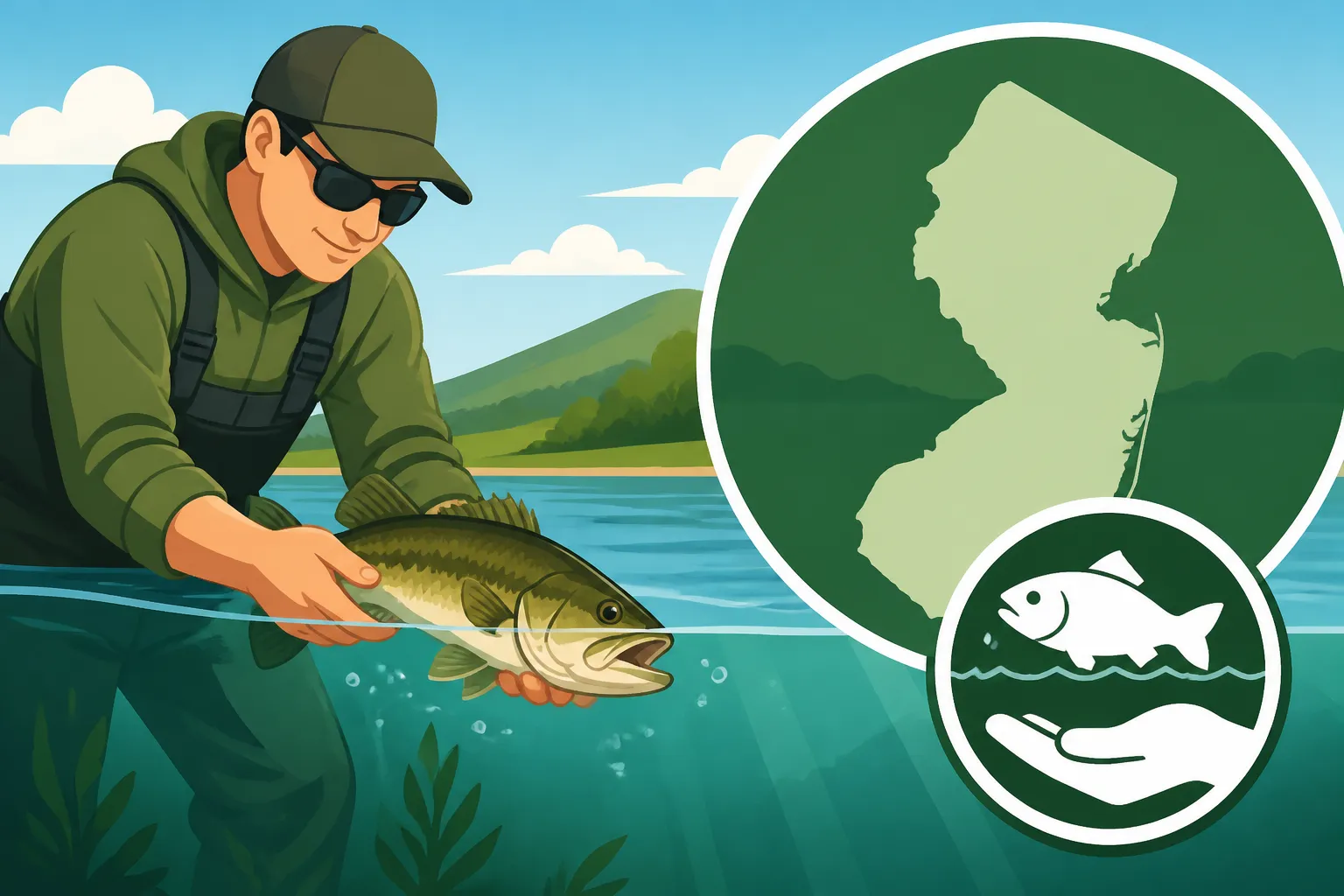
Different fish require slightly different handling. For species with a strong jaw and teeth, like a bluefish, a lip gripper or jaw spreader might be necessary for safe unhooking, protecting both you and the fish. For largemouth and smallmouth bass, a firm grip on the lower jaw, often called "lip-locking," is generally safe as long as the fish is held horizontally and its body weight is supported underneath, preventing damage to its jaw. However, for heavier fish, never hold them vertically by the lip alone, as this can dislocate their jaw.
For more delicate fish, like trout, or flatfish such as fluke, two-handed support is essential. Cradle the fish gently with one hand supporting its belly and the other gripping the base of its tail. Try to keep trout in the net, submerged, while you remove the hook. They are particularly susceptible to stress, especially in warmer water conditions. For flounder, be mindful of their eyes and delicate skin. If a fish is bleeding heavily, it's often best to keep it if it's within the legal size and bag limit, as its chances of survival after release are low. However, if it's an illegal fish, you still must release it, hoping for the best.
Choosing the Right Gear for Catch and Release
Your tackle choices can significantly impact a fish's survival post-release. One of the most critical considerations is the hook. Barbless hooks are a game-changer for catch and release. They come out easily with minimal damage to the fish's mouth, making the unhooking process quick and stress-free. You can even crimp down the barbs on standard hooks with a pair of pliers. For those targeting striped bass with bait, circle hooks are not just a recommendation, but a mandatory requirement in New Jersey. Our detailed guide on New Jersey Circle Hook Requirements for Bait Fishing explains why these hooks are so effective: they almost always hook fish in the corner of the mouth, avoiding gut hooks and making release much safer.
Another valuable tool is a dehooker or long-nosed pliers. These allow you to remove hooks without ever touching the fish, which is especially beneficial for species with sharp teeth or delicate slime coats, or when the hook is lodged a bit deeper. A good quality landing net with rubberized, knotless mesh is also highly recommended. Unlike traditional knotted nylon nets that can strip a fish's slime and damage fins, rubberized nets are gentler on the fish. You'll find a variety of these tools on platforms like Amazon, making it easy to gear up for responsible angling. Remember, the goal is to get the fish unhooked and back into the water as quickly and gently as possible.
Special Considerations for Specific Species in New Jersey
While general best practices apply to most fish, some species in New Jersey have unique vulnerabilities or specific regulations that require extra attention during catch and release. Knowing these details can dramatically increase a fish's survival rate, fulfilling the true spirit of conservation. It’s not just about compliance, but about genuine care for the resource.
Striped Bass: Circle Hooks and Handling
The striped bass is arguably one of New Jersey's most sought-after game fish, and as such, its conservation is paramount. With the New Jersey Striped Bass Slot Limit: 28 to 38 Inches in place, you'll often be releasing fish that are either too small or too large. For this reason, special attention to handling is critical. As mentioned, circle hooks are mandatory when fishing for striped bass with bait. This is because they significantly reduce the chance of gut-hooking, which is almost always fatal. Instead, the hook typically slides to the corner of the fish's mouth as the line tightens, making for an easy and safe release.
When handling a striped bass for release, keep it in the water if at all possible. If you must lift it, support its entire body horizontally with two hands – one supporting the belly and the other holding the tail wrist. Avoid holding larger stripers vertically by the jaw, as their weight can damage their spine and internal organs. Time out of water should be minimal, just enough for a quick hook removal and maybe a picture. For comprehensive guidelines, consult the official New Jersey Catch and Release Striped Bass Handling Rules. Get that hook out gently, hold it carefully, and let it go quickly.
Trout: Cold Water Stress and Barbless Hooks
New Jersey's trout streams and lakes, particularly those stocked with rainbow, brown, and brook trout, are cherished by many anglers. These fish, especially in their pristine, wild stream environments, are incredibly delicate. Trout are highly sensitive to water temperature. Even in spring, bringing a trout into warmer air can cause significant thermal shock. As the summer progresses, and stream temperatures rise, trout become even more vulnerable. This is why many experienced trout anglers practice catch and release exclusively during warmer months, or avoid fishing altogether when water temperatures are too high. Our guide on New Jersey Trout Season Preseason Closure Explained also highlights how vulnerable these fish can be at different times of the year.
For trout, barbless hooks are highly recommended, if not mandatory, in some fly-fishing-only waters. They allow for quick, clean extraction. When you land a trout, try to keep it submerged in your net. If you need to handle it, wet your hands thoroughly and cradle the fish gently, avoiding squeezing. Remove the hook while the fish is still in the water, if possible. After releasing, hold the fish facing upstream in a gentle current, allowing water to flow over its gills, until it regains its strength and swims off on its own. Never just toss a tired trout back into the current.
Fluke: Venting and Release Techniques
Summer flounder, or "fluke" as they're commonly known along the Jersey Shore, are another popular species. You'll often be releasing plenty of short fluke that don't meet the New Jersey Fluke Size Limit: 18 Inches. What makes fluke unique is their physiology, especially when caught in deeper water. When a fluke is reeled up from significant depths, the rapid change in pressure can cause its swim bladder to expand, pushing its stomach out of its mouth and making it unable to swim back down. This is known as barotrauma.
For these deep-caught fluke, venting (or fizzing) can be a life-saving technique. This involves carefully inserting a hollow, sterile needle into the fish's side, behind the pectoral fin, to release the excess gas from the swim bladder. This allows the fish to decompress and swim back down to depth. However, venting must be done correctly to avoid further injury. If you're unsure, it's better to cut the line as close to the hook as possible and release the fish immediately, or seek guidance from an experienced angler or charter captain. Always handle fluke with wet hands, supporting their body, and return them to the water headfirst to help them orient themselves.
Legal Implications and Enforcement of Release Rules
It might seem obvious, but failing to adhere to catch and release regulations in New Jersey isn't just a lapse in judgment; it's a violation of the law. Ignorance of the rules is never an acceptable defense. The state takes its fisheries management very seriously, and for good reason—these regulations are designed to protect our precious natural resources. Understanding the potential consequences of not following these rules is just as important as knowing the rules themselves.
Penalties for Improper Release or Keeping Illegal Fish
The penalties for fishing violations in New Jersey can range from substantial fines to the forfeiture of your fishing equipment, and even the suspension or revocation of your fishing license. For instance, getting caught with undersized fluke or over-slot striped bass can result in a hefty fine per fish. These aren't just minor tickets; they can put a significant dent in your wallet. Repeat offenses can lead to more severe penalties, including higher fines and longer license suspensions. Imagine having your fishing privileges revoked for a year or more – that’s a nightmare for any passionate angler. The state's Department of Environmental Protection (DEP) and its Division of Fish and Wildlife are not shy about enforcing these rules, especially for chronic offenders. It’s always cheaper and less stressful to follow the rules than to face the consequences.
The Role of New Jersey Conservation Police
Our dedicated New Jersey Conservation Police Officers (CPOs) are the frontline enforcers of all fishing, hunting, and boating regulations in the state. They patrol our lakes, rivers, bays, and offshore waters, checking licenses, inspecting catches, and educating anglers. It’s their job to ensure that everyone is playing by the rules, which in turn protects the resource for everyone. If a CPO approaches you, always be courteous, cooperative, and have your valid New Jersey Fishing License Guide for 2026 and any other required documentation, like your New Jersey Saltwater Registry Explained, readily available.
They have the authority to ask you to display your catch, check your fishing lines, and ensure you're compliant with all size, bag, and season limits. While their primary role is enforcement, they are also a great source of information. Don't be afraid to ask them a respectful question about a regulation if you're genuinely unsure. Remember, they’re not just looking to give out tickets; they're working to conserve New Jersey's natural heritage. Being respectful and honest goes a long way. They're out there because they care about the fish, just like we should.
Disclaimer
The information provided in this guide is for general informational purposes only and does not constitute legal advice. Fishing regulations in New Jersey are subject to change by the New Jersey Division of Fish and Wildlife. Anglers are solely responsible for consulting the most current official New Jersey Fish and Wildlife Digest or visiting the official NJDEP Fish and Wildlife website for the latest and most accurate regulations before engaging in any fishing activities. Compliance with all state and federal fishing laws is mandatory.