Fishing Carnegie Lake in Princeton
It can sometimes feel like finding a peaceful, productive fishing spot near a bustling university town like Princeton is an impossible dream. You imagine long drives to remote locations, far from the conveniences of civilization. But trust me, Carnegie Lake offers a surprising urban oasis, providing fantastic freshwater fishing opportunities right on the edge of Princeton, New Jersey. This guide will walk you through everything you need to know to make your next angling adventure on this beautiful lake a success.
Carnegie Lake: A Storied Body of Water for Anglers
Carnegie Lake isn't just a pretty backdrop for Princeton University; it's a vibrant ecosystem that has been offering serene fishing experiences for over a century. Named after Andrew Carnegie, who funded its creation in 1906, this man-made lake spans about 260 acres, running roughly four miles in length. It's an impoundment of the Millstone River, and its relatively calm waters make it an ideal spot for various freshwater pursuits, from casual bank fishing to serious bass hunting.
Location and General Characteristics
Situated right on the border of Princeton and West Windsor, Carnegie Lake is incredibly accessible. Its waters are a mix of shallow coves and deeper channels, especially along the old riverbed, providing diverse habitats for a variety of fish species. The surrounding scenery, with tree-lined shores, historic boathouses, and the occasional university crew team gliding by, creates a uniquely tranquil atmosphere that feels worlds away from the nearby college town. While not a massive, wild lake, its elongated shape and varied contours offer plenty of interesting spots to explore, whether you're casting from shore or a small boat. The depth generally ranges from a few feet in the shallows to around 10-15 feet in the main channel, with a few spots potentially deeper.
Why Carnegie Lake Stands Out
What truly sets Carnegie Lake apart is its blend of accessibility and ecological health. Unlike many urban lakes that struggle with water quality or limited access, Carnegie Lake benefits from a concerted effort by local organizations and the university to maintain its natural integrity. It offers a unique opportunity for anglers who might not have the time or means to travel far but still crave a quality fishing experience. It's particularly fantastic for families or beginners, providing a safe and picturesque environment to learn the ropes. The lack of heavy motorboat traffic (gas engines are prohibited) ensures a peaceful outing, where the focus remains squarely on the fishing and enjoying the natural surroundings. You can spend a quiet morning casting for bass or an afternoon introducing a youngster to the joys of catching their first bluegill.
Prime Catches and Seasonal Strategies on Carnegie Lake
Carnegie Lake is renowned for its diverse freshwater fishery, offering something for every angler. While it might not hold state record fish, it consistently produces healthy populations of popular species, making every trip a potential success. Understanding what's biting when, and where, is key to maximizing your time on the water.
Largemouth Bass: The Lake's Star Attraction
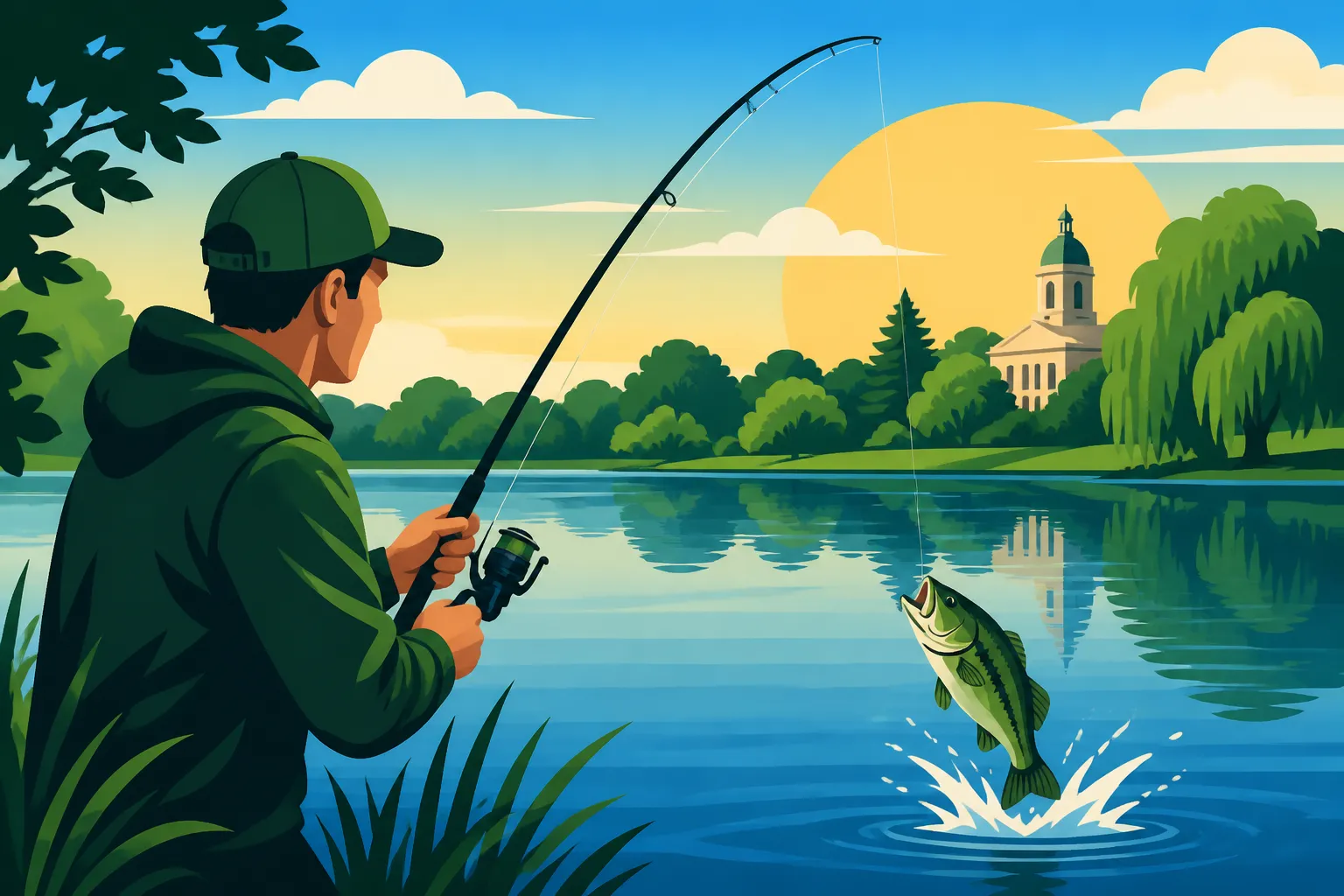
For many, Carnegie Lake is synonymous with largemouth bass. These aggressive predators thrive in the lake's structure-rich environment, particularly around the lily pads, submerged logs, and weed lines that hug its shores.
- Spring and Fall are Prime Time: The shoulder seasons are undeniably the best for targeting largemouth. In spring, as water temperatures rise, bass move into the shallows for spawning, making them more accessible and aggressive. Look for them around emergent vegetation and rocky banks. Fall sees them feeding heavily in preparation for winter, often schooling up in deeper pockets near drop-offs.
- Effective Lures and Techniques: Plastic worms (Texas or Carolina rigged), spinnerbaits, and crankbaits are classic choices that consistently produce. Don't shy away from topwater lures during low-light conditions or over lily pads in summer; a frog or popper can lead to explosive strikes. When the bite is tough, slowing down with a wacky-rigged Senko or a jig-and-trailer worked along the bottom can be incredibly effective. For those looking to really hone their bass skills, consider learning how to Catch Largemouth Bass in Early Spring, as this period can be incredibly productive.
Panfish Galore: Perfect for Families and Light Tackle Enthusiasts
If you're looking for consistent action and a great way to introduce new anglers to the sport, Carnegie Lake's panfish population is outstanding. Crappie, bluegill, and yellow perch are abundant and eager to bite.
- Year-Round Fun: While panfish can be caught throughout the year, late spring and early summer are particularly fruitful as they become highly active. Even in winter, dedicated ice anglers can find success through the hard water.
- Simple Setups, Big Rewards: Light spinning gear with 4-6 lb test line is all you need. Small jigs tipped with a grub or a piece of worm, tiny spinners, or simply a bobber with a hook and a live worm are incredibly effective. Bluegill love small crickets or even bread balls. Crappie often hang around submerged brush piles or docks, readily taking small minnows or jigging spoons. These species are fantastic for beginners and often result in continuous bites, keeping spirits high. For more ideas on easy family fishing, check out our guide on the Best New Jersey State Park Ponds for Family Fishing.
Other Species and Unexpected Catches
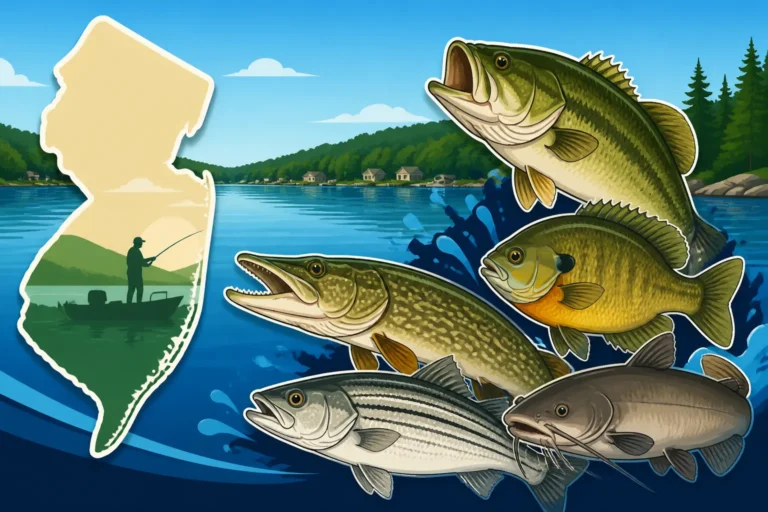
Beyond bass and panfish, Carnegie Lake also harbors a healthy population of chain pickerel, identifiable by their distinctive chain-like markings. These toothy predators provide exciting strikes and can be caught on spinnerbaits, spoons, or live minnows, especially near weed beds. Channel catfish are also present, often preferring deeper areas and readily biting on stink baits, cut bait, or worms, especially during warmer months and into the night. While less common, the occasional carp can also be hooked, offering a powerful fight for those who stumble upon them. Always be mindful of New Jersey Daily Bag Limits by Species to ensure you're fishing legally.
Here's a quick overview of some prime targets:
| Species | Best Season | Preferred Habitat | Recommended Bait/Lure | Notes |
|---|---|---|---|---|
| Largemouth Bass | Spring, Fall | Weed beds, submerged structure | Plastic worms, crankbaits, topwaters | Aggressive fighters, often found near cover |
| Black Crappie | Spring, Early Summer | Brush piles, docks, deep holes | Small minnows, jigging spoons, tiny grubs | Excellent eating, school in groups |
| Bluegill/Sunfish | Spring, Summer | Shallow cover, lily pads | Worms, crickets, small jigs | Abundant, great for kids, consistent action |
| Yellow Perch | Spring, Fall | Deeper channels, weed lines | Small minnows, worms, tiny jigs | Good eating, often mixed with crappie |
| Chain Pickerel | Year-round | Heavy weed beds | Spinnerbaits, spoons, live minnows | Toothier predator, provides a fast fight |
| Channel Catfish | Summer, Fall | Deep holes, soft bottoms | Stink baits, cut bait, worms | Strong fighters, active at night |
Navigating Access, Regulations, and Permits on Carnegie Lake
Before you even think about wetting a line in Carnegie Lake, it's crucial to understand the rules and where you can actually fish. New Jersey has specific regulations that apply to all its freshwater bodies, and Carnegie Lake has its own unique access points and boating restrictions that anglers need to be aware of. Getting this right ensures a smooth and enjoyable fishing trip, free from any unwanted encounters with conservation officers.
Shoreline Access and Facilities
Access to Carnegie Lake is generally good, especially from the Princeton side. One of the most popular and easiest access points is Lake Carnegie Park located on Old Trenton Road in Princeton. This park offers ample parking, walking paths along the shore, and several spots where you can cast a line from the bank. It's a fantastic place for families, with open grassy areas leading right to the water's edge.
Another option is along the Princeton University towpath, which runs alongside the lake for several miles. While primarily for walking, jogging, and cycling, there are numerous spots where you can find a quiet bank to fish from. Just be mindful of other users and avoid obstructing the path. Parking near the towpath can sometimes be limited, so check local signs carefully. Remember, while the lake is a beautiful setting, always respect the private property of Princeton University and nearby residences, ensuring you only access public areas.
Boating Rules and Restrictions
If you prefer to fish from a boat, Carnegie Lake offers a serene experience, but with strict limitations. Gasoline-powered motors are strictly prohibited on Carnegie Lake. This rule is in place to protect water quality and maintain the peaceful atmosphere. However, electric trolling motors are perfectly acceptable, as are paddlecraft like kayaks, canoes, and stand-up paddleboards.
There are a few public launch areas available. The public boat launch at the end of Kingston-Rocky Hill Road (Route 518) on the northern end of the lake is a common spot for hand-launching kayaks and canoes. For larger electric-powered boats, you might need to scout out suitable access points, often involving a bit of a carry. Always ensure your boat is properly registered and meets all state safety requirements. Using a kayak is an excellent way to explore the lake's many coves and reach areas inaccessible from shore; if you're keen on this, our guide to the Best New Jersey Spots for Kayak Fishing might give you some ideas.
New Jersey Fishing License Requirements
This is non-negotiable: you absolutely need a valid New Jersey freshwater fishing license to fish Carnegie Lake if you are 16 years of age or older. There are no exceptions for private ponds or lakes that are connected to public waterways, and Carnegie Lake certainly fits that description.
- Who Needs One? Anyone aged 16 to 69 (inclusive) must possess a license. Anglers 70 and older are exempt from the license requirement, but still need to register with the state. Kids under 16 do not need a license. For a complete breakdown, refer to the New Jersey Fishing License Guide for 2026 and specifically consider Do Kids Need a Fishing License in New Jersey?.
- Where to Buy It: Licenses can be purchased online through the New Jersey Fish and Wildlife website, at many bait and tackle shops, or at certain sporting goods retailers. It’s a straightforward process, but make sure you do it before you head out.
- What About Saltwater? Carnegie Lake is strictly freshwater. While New Jersey also has a separate Saltwater Registry, it’s not required for fishing here. However, if you plan to hit the Jersey Shore later in the season, you'll need to understand the New Jersey Saltwater Registry Explained.
- Reading the Regulations: Beyond the license, it’s vital to be familiar with the current New Jersey Freshwater Fishing Regulations Every Angler Should Know. These regulations detail bag limits, size restrictions, and season dates for various species. Ignorance of the law is not an excuse for violations, and conservation officers do patrol these waters. Don't risk a penalty by not knowing the rules!
| Requirement | Details |
|---|---|
| Fishing License | Required for ages 16-69 (inclusive). Anglers 70+ are exempt but must register. Kids under 16 do not need one. |
| Saltwater Registry | Not required for Carnegie Lake (freshwater only). |
| Boating | Electric motors only. No gasoline engines allowed. Kayaks, canoes, paddleboards welcome. |
| Access | Public access points at Lake Carnegie Park and along the towpath. Hand launch for small boats. |
| Regulations | Adhere to all New Jersey freshwater bag and size limits. Check current regulations annually. |
Tips for a Successful Day on Carnegie Lake
Having the right gear and knowing the regulations is a great start, but to really dial in your success on Carnegie Lake, a few practical tips can make all the difference. Fishing is as much about understanding the environment as it is about casting a line, and Carnegie Lake has its own nuances.
Best Baits and Lures for Carnegie Lake
Matching your bait and lure to the target species and conditions is paramount. While some basics always work, a few specific recommendations can significantly boost your catch rate.
- For Largemouth Bass:
- Soft Plastics: Senkos (wacky or Texas rigged), creature baits, and curly-tail worms in natural colors (green pumpkin, watermelon seed) are highly effective when worked slowly around submerged vegetation and structure.
- Crankbaits and Spinnerbaits: Choose shallow-diving crankbaits in shad or crawfish patterns for covering water along the banks. Spinnerbaits with willow or Colorado blades are excellent for buzzing through weeds or retrieving near brush.
- Topwaters: Early mornings and late evenings in summer are prime for frogs over lily pads, poppers, or walking baits near woody cover.
- For Panfish (Crappie, Bluegill, Perch):
- Live Bait: Worms (earthworms, mealworms, waxworms) on a small hook under a bobber are virtually foolproof. Small minnows are fantastic for crappie.
- Small Jigs: Tiny 1/32 or 1/16 ounce jigs tipped with a small plastic grub (like a Mister Twister grub) in chartreuse, white, or black work wonders, especially for crappie and perch.
- Small Spinners: Roostertail or Mepps spinners in sizes 0 or 1 are also very effective.
- For Chain Pickerel:
- Flashy Lures: Spoons (like Daredevils) and inline spinners are irresistible to pickerel, especially retrieved at a moderate to fast pace near weed edges.
- Live Minnows: If you can get them, a live shiner or minnow under a bobber near a weed line is a pickerel magnet.
- For Catfish:
- Bottom Baits: Stink baits, chicken livers, or a piece of cut bait (like clam or bunker) fished directly on the bottom with a simple egg sinker rig.
Reading the Water and Finding Fish
Carnegie Lake offers some excellent features to help you locate fish, even if you don't have a fancy fish finder on a boat.
- Look for Structure: Any deviation from a uniform bottom is a potential fish magnet. This includes fallen trees, submerged logs, rocky outcroppings, and bridge pilings (like the bridge on Route 27). These provide cover, ambush points, and often hold baitfish.
- Target Weed Lines and Lily Pads: The edges of weed beds and dense patches of lily pads are prime real estate for largemouth bass, pickerel, and panfish. These areas offer shade, cover, and a consistent food source.
- Identify Depth Changes: The old Millstone River channel that runs through the lake offers deeper water. Fish will often hold along these drop-offs, especially during colder periods or in the heat of summer.
- Observe Surface Activity: Look for signs of baitfish flickering on the surface, or the tell-tale splash of a bass or pickerel attacking prey. This often indicates active feeding.
- Current: Because Carnegie Lake is an impoundment of the Millstone River, there can be subtle current, especially after heavy rains or when water levels are managed. Fish often position themselves in current breaks to ambush food. Pay attention to how the current moves your lure or bobber.
Planning Your Trip with Local Knowledge and Resources
While a spontaneous trip can be fun, a little planning goes a long way. Checking local weather forecasts, water temperatures (if possible), and recent fishing reports can give you a significant edge.
- Online Resources: Websites like the New Jersey Fish and Wildlife often post updates or stocking information for various lakes. Fishing forums or local Facebook groups dedicated to New Jersey fishing can also provide real-time insights from fellow anglers.
- Local Bait Shops: Stop by a local bait and tackle shop in the Princeton area. These folks are invaluable resources, often providing the most up-to-date information on what's biting, what baits are working, and any recent changes in regulations or access. They're part of the local fishing community and always happy to help.
- Consider a Guide (Even for Small Lakes): While Carnegie Lake might not be a huge destination for charter boats, sometimes a local guide can be a fantastic way to learn the nuances of a new body of water quickly. Services like FishingBooker can help you find reputable local fishing guides, even for smaller, inland lakes if you're looking to fast-track your learning curve or want to experience a guided trip focused on a specific species. They often have specific knowledge of local hotspots and effective techniques for lakes like Carnegie. Even if you don't book a full charter, understanding what a professional guide offers can inform your own preparations; for example, knowing What to Wear on a New Jersey Fishing Charter can translate to smart layering for any long day on the water.
- Carry Proof of License: Always have your fishing license on you, either a physical copy or a digital one on your phone. Conservation police do patrol the area. Remember that Carrying Proof of Your New Jersey Fishing License is a state requirement.
- Practice Catch and Release: While keeping some fish for dinner is perfectly legal within limits, consider practicing catch and release, especially for larger bass, to help maintain the lake's healthy fish populations for future generations of anglers.
Carnegie Lake is truly a gem, offering a convenient and productive fishing experience that might surprise you, given its proximity to a major university. It’s a place where you can escape the hustle and bustle for a few hours, reconnect with nature, and hopefully, reel in some fantastic fish. Enjoy your time on the water!
Disclaimer
Please remember that fishing regulations, access points, and fish populations can change. Always consult the most current New Jersey Fish and Wildlife regulations before heading out. Safety should always be your top priority when fishing.