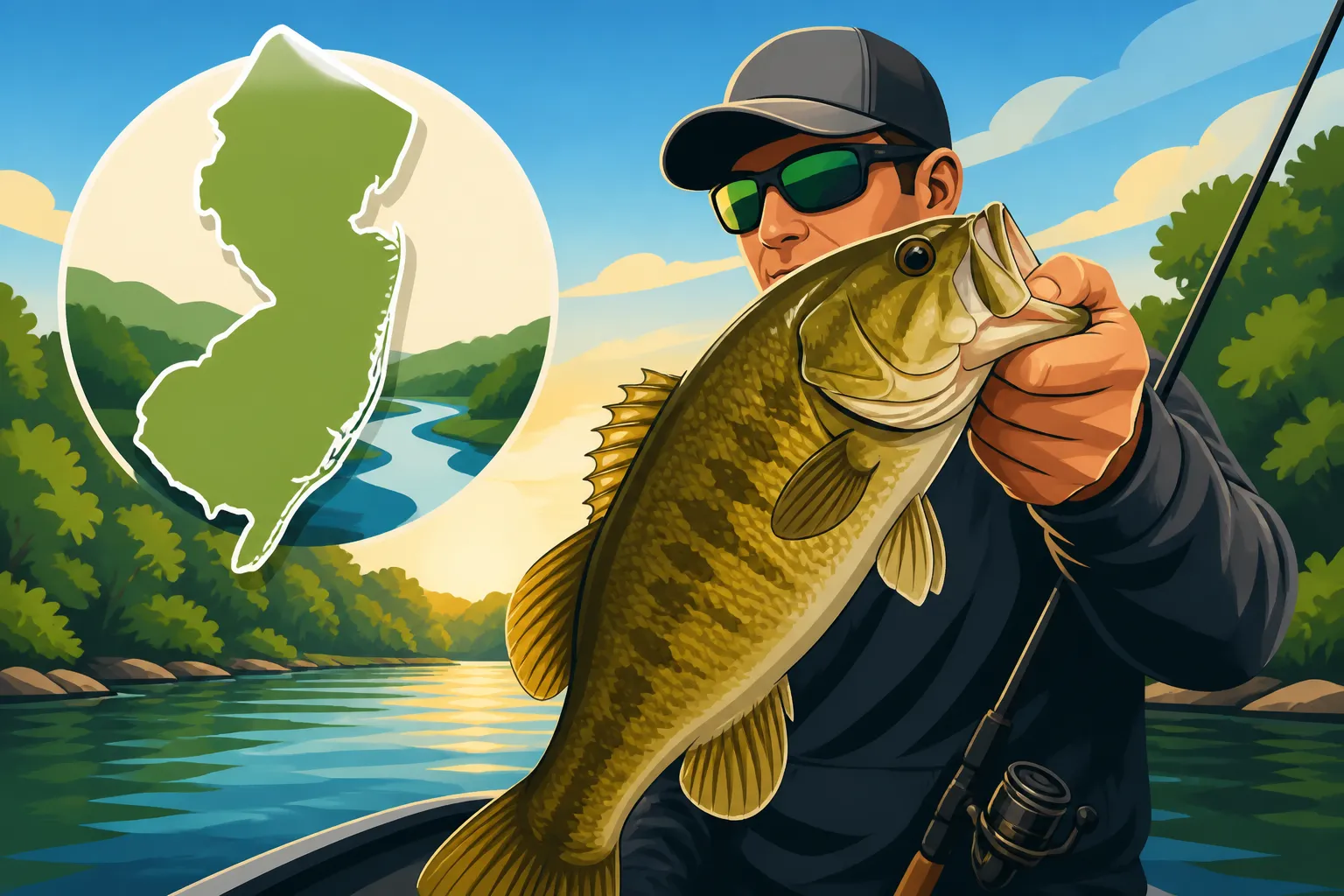
Fishing the Raritan River for Smallmouth Bass
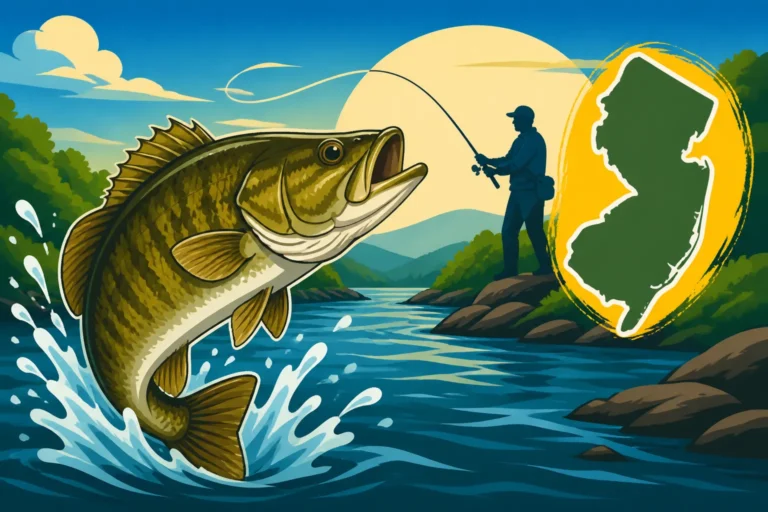
For many anglers, the Raritan River remains an overlooked gem when it comes to chasing bronze-backed beauties. If you’ve been struggling to find reliable smallmouth bass action in New Jersey's freshwater systems, or simply want to explore a fantastic fishery right in our backyard, you’re in the right place. This guide will meticulously break down everything you need to know to successfully target smallmouth bass on the diverse stretches of the Raritan River.
Unlocking the Raritan River's Smallmouth Bass Potential
The Raritan River, often overshadowed by its larger counterparts or thought of purely as an industrial waterway, actually boasts incredible smallmouth bass fishing opportunities, particularly in its upper and middle sections. It’s a river with a lot of character, and understanding its nuances is key to consistent success.
The Character of the Raritan: More Than Just a Name
The Raritan River is a tapestry of different environments, transitioning from smaller, rocky headwaters to wider, slower-moving sections as it flows towards the bay. When we talk about smallmouth bass, we're primarily focusing on the stretches upstream from the tidewater, roughly from Bound Brook up through parts of Somerset and Hunterdon counties. Here, the river’s character shifts dramatically. You’ll find classic smallmouth habitat: a bottom dominated by rocks, gravel, and boulders, interspersed with riffles, runs, and deeper pools. The current varies, creating perfect ambush points for these aggressive predators.
One common misconception is that the Raritan is entirely a murky, slow-moving river. While sections nearer the mouth can be, the further upstream you go, the clearer and more vibrant the water becomes. After a period of stable weather without heavy rains, sections around Somerville, Manville, and Branchburg can offer surprisingly good clarity. This allows anglers to spot structure, read current lines, and even sight-fish in shallower areas. The varying depths and structures — from submerged logs and rock ledges to undercut banks and bridge pilings — create a complex environment that smallmouth absolutely adore. It’s not a static environment; the river changes with every rain event and dry spell, making it a constant learning experience.
Why Smallmouth Bass Thrive Here
Smallmouth bass are intrinsically tied to specific types of freshwater environments, and the Raritan River delivers on many of these requirements. They prefer cooler, clearer water than their largemouth cousins, and they absolutely love current. The upper and middle Raritan provides a consistent flow, keeping the water oxygenated and bringing food directly to them. The rocky bottom is another crucial factor. Crayfish, a primary food source for smallmouth, thrive in rocky habitats, finding shelter and sustenance among the crevices. This abundance of forage is a major reason why the smallmouth population in the Raritan is so robust.
Beyond crayfish, the river also supports a healthy population of various baitfish, including minnows, shiners, and darters, all of which contribute to the smallmouth's diet. This diverse food chain means the smallmouth in the Raritan are well-fed and generally aggressive. They are ambush predators, often holding behind structure — a large boulder, a log, or a drop-off — waiting for an unsuspecting meal to drift by. The constant flow and diverse structure mean there’s always an eddy, current seam, or deep hole offering a prime feeding lie. It’s a truly dynamic fishery that rewards anglers who understand how current and structure work together to create ideal smallmouth habitat.
Timing Your Raritan River Smallmouth Adventure
Knowing when to fish the Raritan for smallmouth bass is almost as important as knowing how to fish it. Their behavior changes drastically with the seasons and water conditions, so adapting your approach is crucial for success.
Seasonal Sweet Spots for Aggressive Bites
The smallmouth bass season on the Raritan River effectively kicks off in spring, typically from April through May. As water temperatures begin to climb into the 50s and 60s Fahrenheit, the smallmouth become incredibly active. This is pre-spawn and spawning time, and fish move into shallower rocky areas, often in slower currents or eddies, making them more accessible. They’re aggressive, feeding heavily to build energy for the spawn, and later, guarding their nests. This period offers some of the best topwater action and crankbait bites of the year.
As summer fully takes hold, typically from June through August, the river warms up, and fish tend to seek deeper, cooler water, or areas with stronger current and shade. Early mornings and late evenings become prime fishing windows, as the fish are more active during these cooler periods. During the heat of the day, you'll need to focus on targeting deeper pools, shaded banks, or areas with swift current where oxygen levels are higher. Finesse techniques, like drop-shotting or Ned rigs, often out-produce aggressive presentations in the summer heat. This is also a fantastic time to use live bait like crayfish.
Fall, from September through October, brings another surge of activity. As water temperatures begin to drop, smallmouth go into a feeding frenzy, packing on reserves for the leaner winter months. They’ll be aggressive, hitting a wide range of lures, and often concentrating in specific areas as they prepare for wintering. This is a fantastic time for covering water with spinnerbaits, crankbaits, and even larger soft plastics. As the weather gets colder into late fall and early winter, the bite slows dramatically, and fish retreat to very deep, slow-moving pools. While you can still catch them in winter, it requires a much slower, more deliberate approach, often with vertical jigging or slowly dragged baits. For a broader understanding of how fish react to seasonal changes, it's worth checking out when the Best Season for Smallmouth Bass on the Delaware River is, as many principles apply.
Reading the River: Water Levels and Clarity
Understanding the Raritan River's pulse – its water levels and clarity – is paramount to finding smallmouth. The river is significantly impacted by rainfall and the management of upstream dams.
After a heavy rain event, the river will typically rise, become muddy, and accelerate its flow. Fishing in these conditions can be extremely challenging, if not downright dangerous for wading. Smallmouth bass, like most fish, become less active and difficult to locate in high, turbid water. It's usually best to wait a few days until the river begins to drop and clear. The "falling and clearing" period after a storm is often a fantastic time to fish, as the current settles, and fish start to feed again aggressively as the water conditions improve. They often move closer to the banks during this period.
Conversely, during prolonged dry spells, the river can become very low and crystal clear. While clear water sounds appealing, extremely low water can make fish skittish and concentrate them in fewer, deeper holes. In these conditions, long casts, stealthy approaches, and light lines are essential. You might even see fish, but getting them to bite requires finesse. Knowing how these factors play out on other rivers, like when you're Fishing the Passaic River for Bass, can give you a better overall perspective. Always check local gauges or recent fishing reports before heading out to gauge current conditions. Many online resources, including the USGS website, provide real-time river flow data for key points along the Raritan.
Master Techniques and Baits for Raritan River Smallmouth
Smallmouth bass are aggressive and intelligent predators, and catching them consistently on the Raritan requires a versatile approach, combining the right lures with effective presentations tailored to the river's dynamic environment.
Go-To Lures and Live Bait Strategies
When it comes to lures for Raritan River smallmouth, variety is your friend.
- Spinning Gear: For most anglers, spinning gear offers the most versatility.
- Crankbaits: Small to medium-sized crankbaits, especially those with crawfish patterns (reds, oranges, browns) or natural baitfish colors (silver, shad, perch), are incredibly effective. Cast them upstream or across current and retrieve them quickly enough to get them digging into the bottom or deflecting off rocks. This erratic action often triggers aggressive strikes. Brands like Rapala, Strike King, and Berkley all offer excellent options.
- Soft Plastics: These are arguably the most versatile for smallmouth.
- Tubes and Grubs: Rigged on jig heads (1/8 to 1/4 ounce), tubes and grubs imitate crayfish or baitfish. Cast them into eddies, current seams, or behind rocks and let them tumble naturally with the current, occasionally twitching them.
- Ned Rigs: A finesse presentation consisting of a small mushroom-head jig and a short, buoyant soft plastic bait (often a Z-Man TRD). It's incredibly effective when the bite is tough or in clear water. Fish it slowly, dragging and pausing along the bottom.
- Drop Shot Rigs: This technique keeps your bait suspended off the bottom, making it perfect for targeting fish in specific depth zones or over rocky snags. For detailed instructions, check out How to Drop Shot for Smallmouth Bass. Using small plastic worms or minnow imitations on a drop shot can be deadly.
- Spinnerbaits: Chartreuse, white, or firetiger spinnerbaits (1/4 to 3/8 ounce) can be great for covering water quickly, especially in slightly stained conditions or during the fall feeding frenzy.
- Topwaters: Poppers, walk-the-dog baits, and prop baits can provide heart-stopping action during low-light conditions (early morning, late evening) or on overcast days, especially in warmer months.
- Fly Fishing: For the dedicated fly angler, the Raritan offers fantastic opportunities. Streamers that imitate baitfish or crayfish, and poppers during topwater periods, can be very productive. A 6 or 7-weight rod is usually sufficient.
- Live Bait: Don't underestimate the power of natural presentations. Live crayfish, hellgrammites (if you can find them legally), or small shiners fished on a light wire hook with minimal weight are irresistible to smallmouth. Present them naturally in the current, allowing them to drift into suspected holding areas.
For terminal tackle, a good fluorocarbon leader (6-10 lb test) is often essential in the clear waters of the Raritan, as it's less visible to fish. Pair this with a main line of braided line (10-15 lb) for sensitivity and casting distance, or straight mono if you prefer. Understanding How Many Fishing Rods Can You Use at Once in New Jersey? can also help you optimize your setup for multiple techniques.
Targeting Structure and Current Seams
Smallmouth bass are structure-oriented fish, and they absolutely love current. Your success on the Raritan will largely depend on your ability to identify and effectively fish these key areas:
- Behind Rocks and Boulders: These create current breaks, offering smallmouth a resting spot out of the main flow while they wait for food to drift by. Cast your lure upstream of the rock and let it drift naturally into the eddy behind it, or retrieve a crankbait to bounce off the structure.
- Current Seams: These are the lines where fast water meets slow water. They are prime feeding lanes. Fish often sit just on the slow side of the seam, darting into the faster water to ambush prey. Cast your lure parallel to the seam or slightly into the faster water, letting it swing into the slower zone.
- Riffles and Runs: These shallower, faster-moving sections are oxygen-rich and often hold baitfish. Smallmouth will position themselves in the deeper pockets or behind larger rocks within these areas. Fishing small crankbaits, tubes, or spinnerbaits through these sections can be highly effective.
- Fallen Trees and Logjams: These provide excellent cover and current breaks. Approach them cautiously, as fish can be holding tight within the branches. Pitching jigs or soft plastics into openings can draw strikes.
- Bridge Pilings: Bridge pilings create significant current breaks and scour holes around their bases, making them magnetic to smallmouth. Cast your lures tight to the pilings and work them around the base.
- Drop-offs and Deep Pools: In summer or during slower bites, focus on the deepest parts of the river. Smallmouth will school up here, especially where there's still some subtle current. Vertical jigging or slow-dragging soft plastics are effective in these deeper zones.
Approach these spots from either upstream or downstream, but always consider how the current will affect your lure presentation and how stealthy you need to be. Often, working your way upstream, casting ahead of you, minimizes disturbance and allows for more natural drifts.
Essential Gear Beyond Rod and Reel
While a good rod and reel are fundamental, several other items will significantly enhance your Raritan smallmouth experience, especially if you plan on wading or kayaking.
- Wading Boots and Pants/Shorts: Sturdy wading boots with good grip are non-negotiable for navigating the rocky, sometimes slippery bottom of the Raritan. Depending on the water temperature and season, wading pants or shorts are more suitable than full waders for summer fishing. Always prioritize safety and know the river's depth and current before wading into unfamiliar areas.
- Polarized Sunglasses: These are invaluable for spotting submerged rocks, differentiating structure, and, most importantly, identifying current seams and potential fish holding areas. They cut glare, giving you a clearer view into the water.
- Fishing Vest or Small Backpack: For carrying tackle, water, snacks, a first-aid kit, and your fishing license. Keep it light and functional.
- Pliers/Forceps: Essential for safely removing hooks from fish, especially those with sharp trebles from crankbaits.
- Measuring Tape/Scale (Optional): If you plan to keep fish (always check New Jersey Daily Bag Limits by Species first) or are interested in documenting your catches, these are handy.
- PFD (Personal Flotation Device): If you're fishing from a kayak or canoe, always wear a PFD. The Raritan can have strong currents and unexpected drops.
- Local Fishing Map/App: Knowing access points, public lands, and potential hazards will save you time and keep you safe.
Remember, dressing in layers is always a good idea, as river temperatures can fluctuate, and weather can change quickly.
Navigating the Raritan: Access and Etiquette
Getting onto the Raritan River to chase smallmouth bass is relatively straightforward, but understanding access points and local regulations will ensure a smooth and enjoyable trip.
Prime Public Access Points Along the River
The Raritan River offers numerous public access points, particularly in the upper and middle reaches where smallmouth thrive. Many of these are within county or municipal parks, or designated public fishing access areas.
- Somerville/Manville Area: Sections of the river near these towns provide excellent wading and bank fishing opportunities. Public parks often have designated parking and river access. The stretches here feature a mix of riffles, runs, and deeper pools, perfect smallmouth habitat.
- Branchburg/Neshanic Station: Further upstream, areas around Branchburg, particularly near bridges or parks, offer good access for wading or launching kayaks/canoes. The river here can be a bit more intimate, with varied flows and plenty of structure.
- Duke Farms (Hillsborough): While Duke Farms itself is a private estate, public access points nearby and further upstream on the main stem of the Raritan and its tributaries can be found. Always confirm public access before venturing onto any property.
- South Branch Raritan River: Don't overlook the South Branch, particularly upstream of Neshanic Station and closer to Clinton and High Bridge. This tributary is often clearer and shallower, offering fantastic wading opportunities for smaller but feisty smallmouth. Keep an eye out for areas managed by the NJ Division of Fish and Wildlife.
It’s always a good idea to scout potential spots on Google Maps beforehand, looking for public parks, road crossings, or designated access areas. Parking can sometimes be limited, especially on weekends, so arrive early. Be mindful of private property signs and respect landowners' rights. When considering access points, it’s also useful to remember that certain state parks might have their own specific rules or even New Jersey State Park Fishing Permit Fees, so it's always best to check ahead.
Considerations for Wading, Kayaking, or Canoeing
The Raritan is perfectly suited for both wading and small craft like kayaks or canoes, each offering unique advantages.
- Wading: Wading allows for a stealthy approach and the ability to thoroughly work specific stretches of river. However, safety is paramount. Always use a wading staff for stability, especially in swift current or on slippery, uneven bottoms. Never wade alone, and always let someone know your float plan. Be aware of sudden drop-offs and don't wade into water that's too deep or fast for your comfort level. The presence of larger rocks and boulders, while great for fish, can make wading challenging.
- Kayaking/Canoeing: These offer the ability to cover more water and access sections that might be unreachable from shore. They're excellent for multi-mile floats, allowing you to drift through diverse habitats. However, be prepared for potential portages around low-head dams, rapids, or shallow riffles, especially during low water. Always wear your PFD, secure your gear, and have a plan for shuttling vehicles if you're doing a float trip. For those looking for guided experiences on the river, platforms like FishingBooker can help you find local guides who offer kayak or canoe trips, providing all the necessary gear and expertise. Booking through a reputable service like FishingBooker can give you peace of mind and help you unlock hidden spots.
Regardless of your chosen method, check the weather forecast carefully. High winds can make kayaking difficult, and approaching thunderstorms demand you get off the water immediately.
Licensing, Regulations, and Conservation
Fishing the Raritan River, like any public waterbody in New Jersey, requires adherence to state regulations. First and foremost, you must possess a valid New Jersey Fishing License Guide for 2026 if you are 16 years of age or older. This applies to both residents and non-residents. You can purchase these online, at licensed agent locations like sporting goods stores, or through the New Jersey Division of Fish and Wildlife website. Knowing the current New Jersey Fishing License Age Requirements is also important if you're fishing with younger anglers.
Beyond the license, it’s critical to be familiar with the New Jersey Freshwater Fishing Regulations Every Angler Should Know. These regulations cover everything from minimum size limits and daily creel (bag) limits to bait restrictions and specific season dates for certain species. Smallmouth bass, in particular, often have specific regulations designed to protect their populations. Always carry a copy of the current New Jersey Fish and Wildlife Digest, either physically or digitally on your phone, to stay informed.
Conservation is also a vital aspect of fishing the Raritan. Smallmouth bass are a valuable sportfish, and practicing catch and release, especially for larger breeding fish, helps ensure a healthy fishery for years to come. If you do choose to keep fish within the legal limits, handle them with care, minimizing stress and ensuring a quick, clean release for any fish you don't intend to keep. Using barbless hooks can also make releases easier and less harmful to the fish. When in doubt, let it go to grow! For those interested in a more structured learning experience, many local guides specialize in smallmouth fishing on the Raritan. Searching on sites like FishingBooker can help you connect with experienced professionals who prioritize conservation and can teach you best practices.
| Season | Optimal Water Temp (F) | Recommended Lures/Baits | Key Techniques | Access Considerations |
|---|---|---|---|---|
| Spring | 50-60° | Crankbaits (crawfish/shad), Tubes, Grubs | Target shallower rocky areas, eddies, slow retrieves | Wading common, check flows for safety |
| Summer | 65-75° | Topwaters, Ned Rigs, Drop Shot, Live Crayfish | Early/late fishing, deeper holes, shaded banks, finesse | Kayak/Canoe for wider coverage, wading in cool spots |
| Fall | 55-65° | Spinnerbaits, Crankbaits, Streamers | Cover water, target current seams, retrieve faster | Good for both wading & floating, stable conditions |
Disclaimer
Please note that fishing regulations, conditions, and access points can change. Always consult the latest New Jersey Department of Environmental Protection (NJDEP) Division of Fish and Wildlife regulations before heading out. Safety should always be your top priority when on or near the water.