How Deep Is Round Valley Reservoir?
The depth of Round Valley Reservoir is something that fascinates and, let's be honest, sometimes frustrates anglers looking to unlock its secrets. This isn't your average shallow pond; we're talking about one of New Jersey's deepest and most unique bodies of water. Understanding its incredible depths is absolutely critical if you want to fish it effectively, especially when you're targeting those elusive lake trout or trying to pinpoint bass in its gin-clear waters. This guide will dive deep into everything you need to know about Round Valley's profound characteristics and how they impact your fishing game.
Understanding Round Valley's Unique Depths
When you first look out over Round Valley Reservoir, you're struck by its sheer size and the almost oceanic blue hue of its water. It doesn't look like a typical New Jersey lake, and that's because it's not. Its depth is a primary factor in its unique ecosystem, offering challenges and rewards unlike almost anywhere else in the state.
The Deepest Points and Average Depth
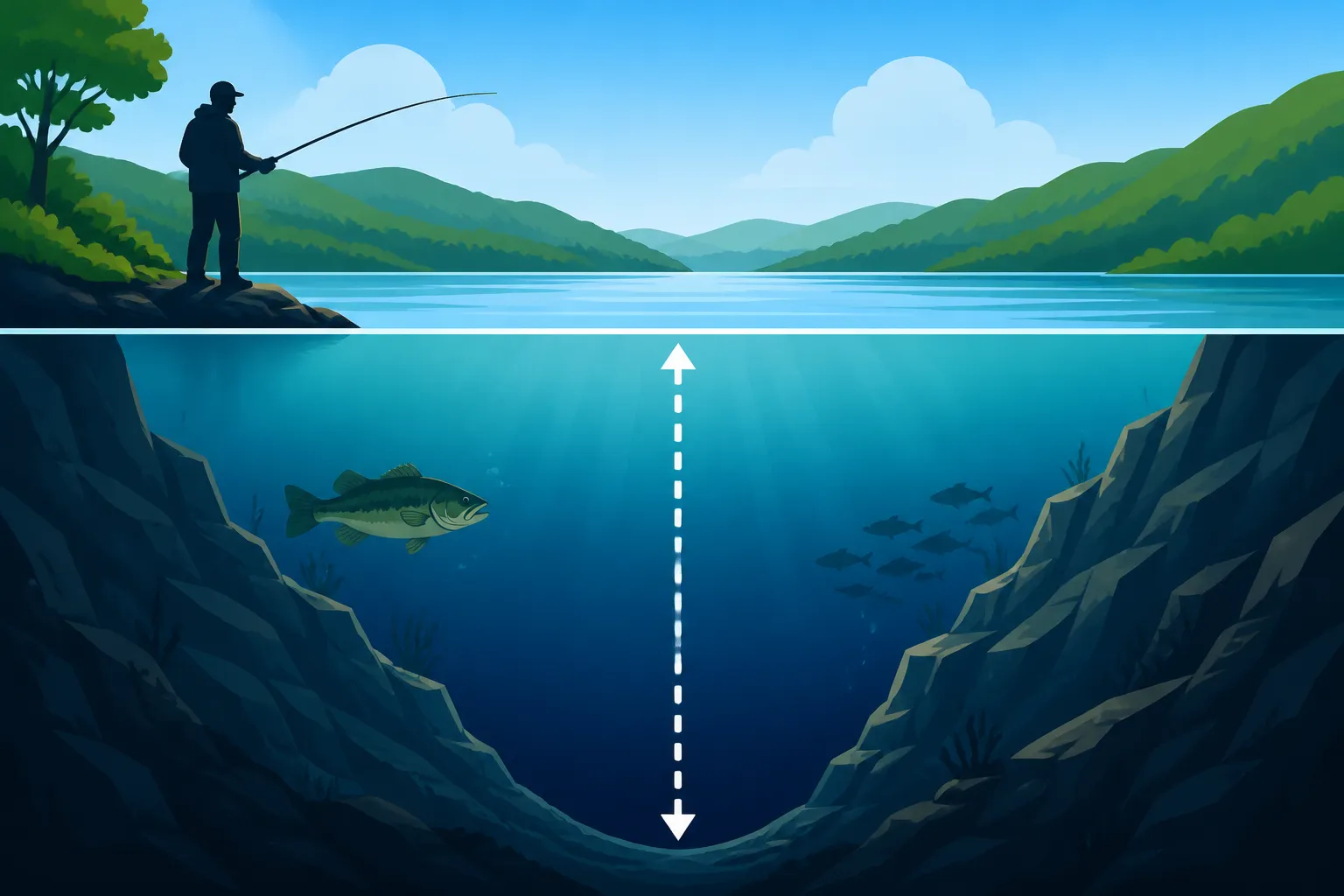
Round Valley Reservoir, located near Clinton in Hunterdon County, is truly a behemoth by New Jersey standards. It reaches an astonishing maximum depth of about 180 feet in some areas. That's deeper than many ocean inlets along the coast! Its average depth hovers around 60-70 feet, which is still incredibly deep compared to most of the state's lakes and ponds. This immense depth is what allows it to host a thriving cold-water fishery, particularly for species like lake trout that demand specific, deep, cold water conditions. When you're out there, whether you're scanning with a fish finder or just trying to visualize the contours beneath your boat, remember that you're often suspended over an abyss. It requires a completely different approach than fishing shallower impoundments.
How Round Valley Reservoir Was Formed
The reservoir's unique depth and clear water are directly tied to its origins. Round Valley isn't a natural lake; it's an artificial reservoir, a pumped-storage facility completed in the late 1960s. Essentially, a huge valley was dammed, and water from the nearby Raritan River was pumped uphill to fill it. Because it was carved out of a valley and primarily filled with initially very clear river water (that has since settled and become even clearer), it lacks the typical shallow, mucky bottoms found in many natural lakes. The steep, sloping sides plunge quickly into deep water, creating a consistent deep-water environment across much of its expanse. This man-made engineering marvel is precisely why its depth profile is so dramatic and why it holds its secrets so well.
Water Clarity and Temperature Stratification
The exceptional depth of Round Valley Reservoir contributes directly to its legendary water clarity. With fewer shallow areas to stir up sediment and a massive volume of water, suspended particles have ample opportunity to settle, leaving the water crystal clear. On a calm day, you can often see 15-20 feet down, sometimes even more! This clarity, while beautiful, presents its own fishing challenges, as fish can be more wary of lines and presentations.
More importantly for fishing, the depth leads to distinct temperature stratification. In the summer, the reservoir forms clear thermal layers: a warm surface layer (epilimnion), a rapidly cooling middle layer (thermocline), and a very cold, deep bottom layer (hypolimnion). For cold-water species like lake trout, finding that cool, oxygenated water below the thermocline is key, especially during the warmer months. These fish will hug the structure or suspend at specific depths where conditions are optimal. Bass, on the other hand, might use the cooler depths as a refuge in the peak of summer but will often be found shallower during spring and fall. Understanding these thermal layers is like having a secret map to where the fish are hiding.
Navigating the Depths for Better Fishing Success
Fishing a body of water as deep and clear as Round Valley isn't just about casting and hoping; it requires specialized techniques and a keen understanding of how fish relate to depth, structure, and temperature. Forget your shallow-water tactics for a moment – this is a whole new ballgame.
Deep Water Fishing Strategies for Lake Trout and Bass
Targeting the resident fish in Round Valley means embracing deep-water tactics. For species like Round Valley Reservoir Lake Trout Fishing, which can grow to impressive sizes, methods like downrigging are often essential. This involves using specialized equipment to get your lure down to a precise, deep depth, often 50-100 feet or more, where these trout are actively feeding. Trolling with spoons, stickbaits, or even live bait on downriggers is a productive way to cover water and present your offering effectively at their level.
For bass, while they do venture shallower, especially in spring and fall, many anglers find success targeting them along deep ledges and drop-offs, especially during the hotter summer months. Techniques such as jigging with heavy spoons or bucktails, or using a drop-shot rig with soft plastics, can be incredibly effective. The key is presenting your bait vertically or nearly vertically, keeping it in the strike zone for fish holding close to the bottom structure. Fishing guides often employ these advanced tactics, and if you're looking for expert help, specialized guide services can be found through platforms like FishingBooker that focus on these deep-water challenges.
Seasonal Depth Changes and Fish Behavior
Fish behavior in Round Valley is highly dictated by the changing seasons and the corresponding shifts in water temperature and oxygen levels at different depths. In the spring, after the ice thaws (though ice fishing is rare and often unsafe on such a deep, currents-affected body of water due to New Jersey Ice Fishing Safety Basics), many fish, including bass and some trout, will move into shallower waters to spawn or feed on emerging baitfish. This is often the best time for Round Valley Reservoir Shore Access Points, as fish might be within casting range from the bank.
As summer progresses, the thermocline becomes well-established. Lake trout retreat to the cool, oxygen-rich waters below, often suspending over deep basins or holding tight to underwater points and humps. Bass will also follow baitfish into deeper water or hide in the cooler shadows of submerged structures. The fall brings a "turnover" where surface waters cool, eventually mixing with the deeper layers, re-oxygenating the entire water column. This can scatter fish but also make them more active as they feed heavily before winter. For anglers looking to understand these patterns, reading up on New Jersey Fishing Seasons Explained can provide a broader context that applies to Round Valley's unique conditions.
Using Sonar and Electronics to Locate Structure
Given the sheer depth and lack of visible structure in many areas of Round Valley, advanced electronics are not just helpful, they're almost a necessity. A good fish finder or sonar unit is your eyes below the surface. Learning How to Read a Fish Finder for Beginners will be invaluable here. These devices allow you to:
- Identify Depth Contours: Map out the underwater terrain, locating steep drop-offs, ledges, and submerged humps where fish might congregate.
- Locate Baitfish Schools: Finding schools of baitfish is often the first step to finding predatory game fish. Sonar will show you these aggregations, often suspended at specific depths.
- Pinpoint Fish: Modern sonar can even distinguish individual fish or tight schools, allowing you to drop your lure directly into the strike zone.
- Detect the Thermocline: Many units can display the thermocline, helping you identify the optimal depth range for cold-water species like lake trout during warmer months.
Without these tools, you'd truly be fishing blind in much of Round Valley. It's an investment that pays off immensely in such a profound body of water.
Safety Considerations for Deep Water Fishing
Fishing Round Valley Reservoir, while incredibly rewarding, also comes with its own set of safety considerations directly related to its size and depth. This isn't a place to be complacent, especially if you're heading out on the water.
The Importance of Proper Gear and Planning
When you're out on a large, deep body of water like Round Valley, conditions can change rapidly. Wind can whip up quickly, turning a calm surface into choppy, dangerous waves in minutes. It's crucial to have a boat well-suited for these conditions, along with all the required safety gear:
- Life Vests: Wear them, don't just store them. This is non-negotiable on a big lake, especially for smaller craft.
- Anchor and Rope: A strong anchor with ample rope (easily 150-200 feet for deep anchoring) is essential. If your motor dies or you need to hold position against wind or current, it's your lifeline.
- Communication Device: A fully charged cell phone (in a waterproof case) or a VHF radio for emergencies.
- Weather Awareness: Check the forecast before you go and keep an eye on the sky while you're out. If storms are brewing, get off the water early.
Planning your trip, letting someone know your itinerary, and being prepared for the unexpected are paramount.
Cold Water Dangers and Hypothermia
Even in the height of summer, the deep waters of Round Valley remain incredibly cold. If you were to capsize or fall overboard, the risk of hypothermia is significant, even if air temperatures are warm. The water below the surface can be in the 40s or 50s Fahrenheit, which can quickly incapacitate someone without proper cold-weather immersion gear.
- Dress in Layers: Even if it's warm, consider wearing layers that can be shed or added, and always bring waterproof outerwear.
- Know Your Limits: Don't push boundaries in adverse weather.
- Stay Hydrated and Fed: Being well-nourished helps your body regulate temperature.
For those adventurous enough to consider fishing in colder months, the dangers are exponentially higher. Always prioritize safety above all else, especially when dealing with the pervasive cold of deep water.
Kayak and Small Boat Safety on Deep Reservoirs
Kayaks and small jon boats offer fantastic access to many fishing spots, but they require extra caution on Round Valley. Its expansive, deep water, combined with often unpredictable winds, can quickly make conditions hazardous for smaller vessels.
- Stay Close to Shore: If conditions are windy, stick to sheltered coves or areas closer to shore.
- Check Wind Forecasts: Pay close attention to wind speed and direction. Crosswinds on a large, open body of water can be extremely dangerous for kayaks.
- Practice Self-Rescue: Know how to re-enter your kayak or small boat if you capsize.
- Visibility: Ensure you have bright colors and flags for visibility, especially if boat traffic is present.
There are plenty of resources for kayak anglers looking to fish New Jersey's Bays, but open reservoirs present their own unique challenges that shouldn't be underestimated.
Round Valley's Depth in Context: Other Notable Features
The depth of Round Valley isn't just a number; it shapes the entire fishing experience and creates a unique character for this iconic New Jersey destination. It stands apart from most other bodies of water in the state, offering a distinct challenge and allure.
The "Submerged" Forest and Underwater Features
One of the most fascinating aspects of Round Valley's depth is what lies beneath the surface. When the valley was flooded, not all the vegetation was removed. This means there are still areas where submerged tree stumps and old growth remain, creating incredible underwater structure. While much of the reservoir is open basin, these "submerged forests" (or remnants thereof) provide crucial cover for bass, pickerel, and even a unique challenge for lake trout. Knowing how to locate these hidden features with your electronics and how to fish them without getting snagged is a key part of the Round Valley puzzle. These features make it truly unique among the Best Places to Fish in New Jersey.
Comparing Round Valley to Other New Jersey Lakes
To truly appreciate Round Valley's depth, it's helpful to compare it to other prominent New Jersey lakes. Most of the state's popular freshwater spots are considerably shallower, which affects everything from the fish species they can support to the techniques required to catch them.
Here's a quick comparison of some notable New Jersey lakes:
| Lake Name | Max Depth (approx.) | Average Depth (approx.) | Key Deep-Water Species | Primary Fishing Challenge |
|---|---|---|---|---|
| Round Valley Reservoir | 180 feet | 60-70 feet | Lake Trout, Smallmouth | Extreme depth, clear water, locating suspended fish, wind |
| Lake Hopatcong | 65 feet | 9-10 feet | Largemouth Bass, Walleye | Shallow, diverse structure, heavy boat traffic |
| Spruce Run Reservoir | 40 feet | 20-25 feet | Hybrid Striped Bass | Wind, open water, finding roaming schools |
| Merrill Creek Reservoir | 180 feet | 70 feet | Lake Trout, Smallmouth | Wind, restricted access, similar depth challenges to Round Valley |
As you can see, Round Valley and Merrill Creek stand out for their exceptional depths, allowing them to host self-sustaining populations of lake trout, something truly rare in New Jersey. This means that while you might be throwing topwater frogs for Largemouth Bass Fishing in New Jersey at Lake Hopatcong, you'll be employing serious trolling or jigging tactics at considerable depths in Round Valley. Understanding these differences helps prepare you for the unique experience that awaits at Round Valley. If you're looking for a guide to help you navigate these unique waters, platforms like FishingBooker can connect you with experienced captains who know the reservoir's deepest secrets. They can even provide insights on the Best Bait for Round Valley Reservoir Trout in Spring.
Disclaimer
Fishing laws and regulations in New Jersey can change frequently. Always consult the latest New Jersey Fish and Wildlife Digest or their official website before heading out on the water to ensure you are compliant with all current rules, including licensing, bag limits, and size restrictions. The information provided here is for general guidance and educational purposes only.