Where and How to Buy a New Jersey Fishing License
Let's be honest, figuring out the labyrinth of fishing licenses in New Jersey can feel like you need a law degree before you even cast a line. Between freshwater, saltwater, different age groups, and various stamps, it's easy to get overwhelmed and worried you'll miss a crucial step. This comprehensive guide is here to untangle all that confusion, walking you through exactly where and how to legally acquire every type of New Jersey fishing license and registration you might need so you can hit the water with confidence.
Understanding Your New Jersey Fishing License Needs
Before you even think about pulling out your wallet, it’s absolutely vital to understand what kind of fishing you plan to do in New Jersey. Many new anglers, or even those just visiting, mistakenly believe one license covers everything. But New Jersey, like many states, has a system that differentiates between various types of fishing, primarily driven by the environment you're in and the species you're targeting. Getting this part right from the start will save you a lot of headache and ensure you're compliant with regulations.
Freshwater vs. Saltwater: The Key Difference
This is probably the biggest differentiator you'll encounter. If your fishing adventures are strictly confined to the ocean, bays, tidal rivers, or estuaries, you might think you need a "saltwater fishing license." Here's where it gets a little tricky: New Jersey doesn't actually issue a traditional license for saltwater recreational fishing. Instead, anglers are required to register with the state's free New Jersey Saltwater Registry program. This is a crucial distinction that often trips people up. If you're heading out to catch striped bass off the coast, fluke in Barnegat Bay, or bluefish in the Manasquan Inlet, you’ll need to complete this registry, but you won't be buying a "license" in the same way you would for freshwater.
Conversely, if your passion lies in casting lines in lakes, ponds, or non-tidal rivers and streams — places like Lake Hopatcong, Round Valley Reservoir, or the Pequest River — then a bona fide New Jersey Freshwater Fishing License is absolutely mandatory. This covers everything from largemouth bass and pickerel to trout and panfish. The confusion often arises for anglers who enjoy both freshwater and saltwater fishing. In that case, you'll need both a freshwater license and to be registered with the saltwater program. It’s not one or the other; it’s both if you dabble in both worlds. Understanding this initial split is your first step to getting things right.
Age and Residency: Who Needs What
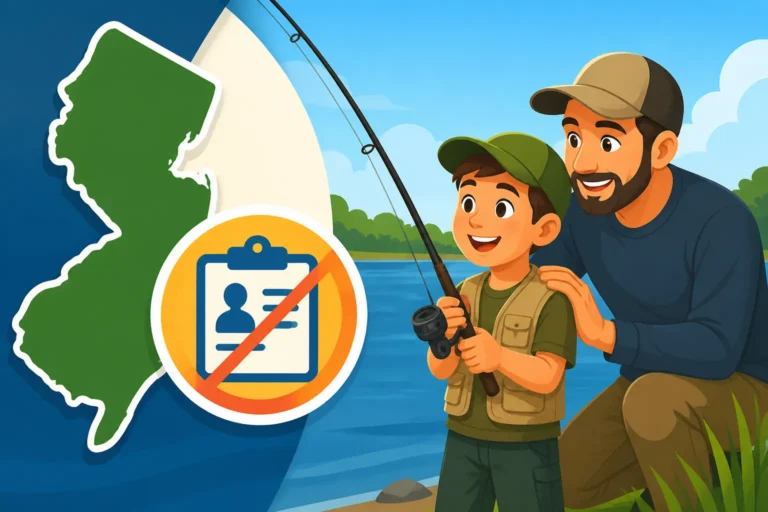
Your age and where you live significantly impact what you need to purchase (or if you need anything at all). New Jersey has specific rules designed to encourage youth participation and also to differentiate between residents and nonresidents, often with different fee structures. For instance, children under the age of 16 are generally exempt from needing a freshwater fishing license, which is fantastic for introducing the next generation to the sport without an immediate financial barrier. This policy makes it much easier for families to enjoy a casual day of fishing together at a local pond.
However, once an angler turns 16, they are required to possess a valid freshwater fishing license if they plan to fish in freshwater bodies. For seniors, the rules are also designed to be accommodating. Anglers 70 years of age and older are actually exempt from needing a freshwater fishing license, though they may still need a trout stamp if fishing for trout in designated waters. Those between 65 and 69 years old can often qualify for a discounted senior license. For non-residents, the options typically include an annual license, or short-term vacation licenses like the New Jersey 7-Day Vacation Fishing License Explained or a 2-Day Vacation Fishing License, catering to tourists who might only be visiting for a short period. Understanding these age and residency nuances is key to determining your exact requirements and avoiding any unexpected fines. You can always check the full New Jersey Fishing License Age Requirements for precise details.
Special Licenses and Stamps
Beyond the basic freshwater license and saltwater registry, New Jersey has specific add-ons and special considerations that can apply to your fishing activities. The most common of these is the New Jersey Trout Stamp. If you plan on fishing for trout in any water designated as "trout-stocked" — which includes many of the state's popular rivers, streams, and lakes that receive regular stockings from the state hatchery — you’ll need to purchase this stamp in addition to your regular freshwater license. Even if you're a senior angler exempt from the main license, if you're targeting trout, you'll likely still need that trout stamp. This helps fund the state's impressive trout stocking program, ensuring healthy populations for anglers each season.
Furthermore, New Jersey offers options for those with disabilities and combinations for those who also hunt. For example, disabled veterans often have specific exemptions or discounted license options, details for which can be found in the New Jersey Disabled Veteran Fishing License Rules. There are also combination hunting and fishing licenses for avid outdoorspeople who enjoy both activities. These specialized options are designed to make the sport more accessible and efficient for certain groups. Always check if any of these special categories apply to you, as they can simplify your purchasing process or provide valuable savings.
The Online Advantage: Buying Your License from Home
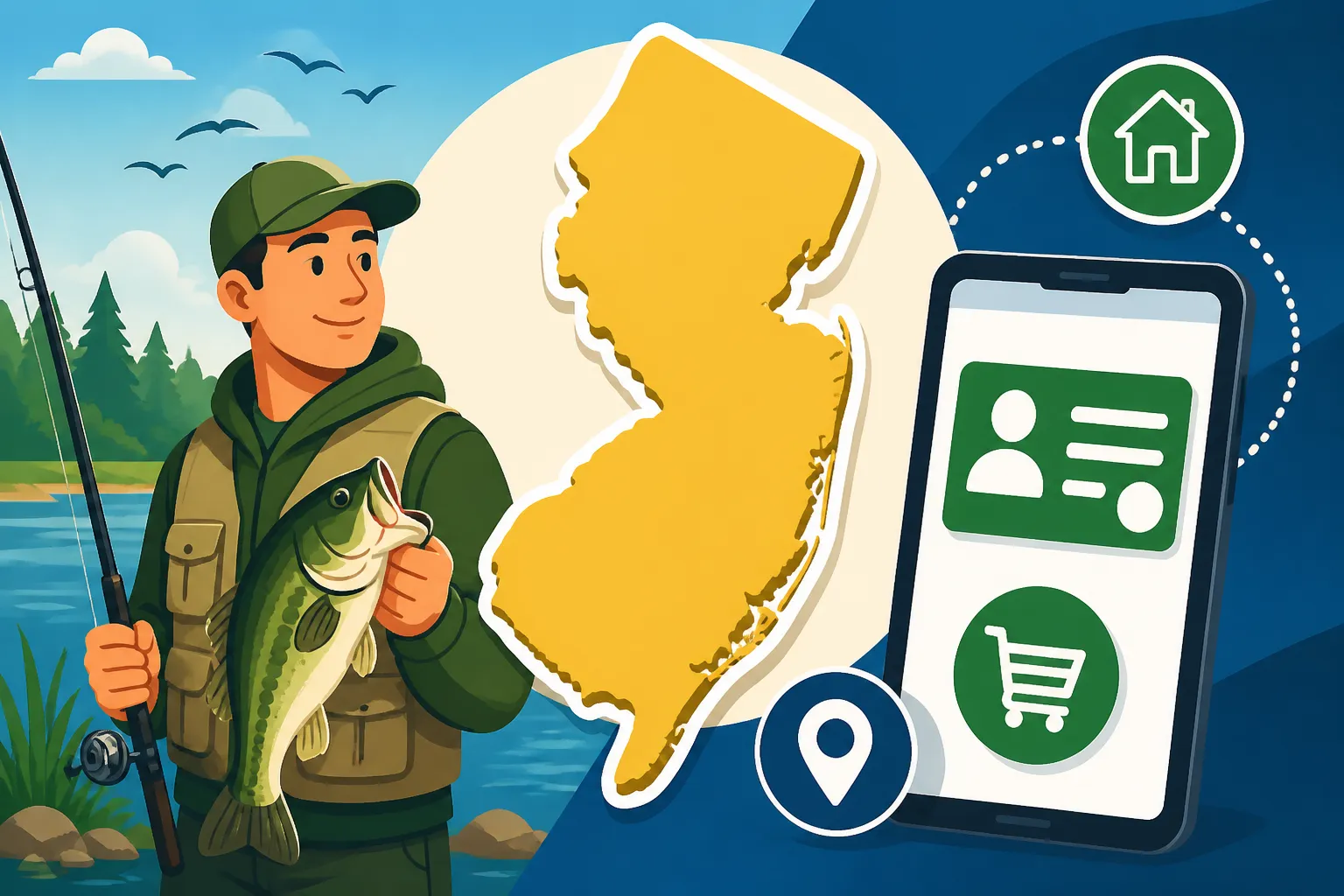
In today's digital age, the most convenient and often fastest way to secure your New Jersey fishing license is directly online. This method eliminates the need to travel to a physical location, allowing you to complete the transaction from the comfort of your home, any time of day or night. It’s particularly helpful for those last-minute fishing trips or if you live far from an authorized vendor.
Navigating the New Jersey Fish & Wildlife Website
The official New Jersey Division of Fish & Wildlife website is your primary hub for online license purchases. While government websites can sometimes be a bit clunky, the NJ Fish & Wildlife portal is generally straightforward and designed with the user in mind. You'll typically look for a prominent link or section labeled "Licenses and Permits" or "Buy a License." Once you click through, you'll be directed to their integrated licensing system, which handles all types of fishing and hunting licenses, permits, and stamps. It's important to make sure you're on the official state website, usually ending in ".nj.gov," to avoid any third-party scams or misinformation. The site is regularly updated to reflect the latest New Jersey Fishing Regulation Changes for 2026, so it's a reliable source of information.
The website provides clear navigation cues, usually guiding you through a series of questions to determine exactly what you need. You'll be asked if you're a resident or non-resident, your age, and what type of fishing you plan to do (freshwater, saltwater registry, trout). Take your time answering these questions accurately, as your responses will dictate the available license options and pricing. It's a much more efficient system than trying to explain your situation to a busy clerk, especially if you have a unique set of circumstances.
Step-by-Step Online Purchase Process
Once you've navigated to the correct section, the online purchase process is fairly intuitive. First, you'll usually need to either log in if you've purchased a license before (using your existing New Jersey Hunter/Angler ID Number) or create a new profile. If you're a first-time buyer, this involves entering basic personal information like your name, address, date of birth, and possibly some identification details to verify your residency. It’s essential that this information matches what's on your official ID, as you'll be asked to present it if checked by a conservation officer.
Next, you'll select the specific licenses and stamps you need. For example, if you're a New Jersey resident over 16, you'd select the "Resident Annual Freshwater Fishing License." If you also plan to chase trout, you'd add the "Trout Stamp." The website will automatically calculate the total cost, including any processing fees. The payment typically occurs via credit card, with secure online processing. Double-check your cart before finalizing the purchase to ensure you haven't accidentally added or missed anything. After successful payment, you'll receive a confirmation, usually via email, which includes a temporary license or a link to print your official document. This streamlined process is why so many anglers prefer to buy a New Jersey Fishing License Online.
Printing and Digital Proof: What You Need to Carry
One of the most common questions after buying a license online is: "What do I actually need to carry with me?" While New Jersey has become more flexible, it's always best to be prepared. After your online purchase, you will typically be given the option to print your official license document directly from the website. It’s highly recommended to print this out, preferably on durable paper or even laminated, and keep it with your tackle box or in a waterproof wallet. A physical copy is universally accepted and leaves no room for doubt.
However, New Jersey also permits showing proof of your fishing license on your phone. This means a digital copy, such as a PDF saved to your device or a clear photo of your license, can be acceptable. The key is that the image must be legible and clearly display all the necessary information, including your name, license type, and expiration date. While convenient, rely on your phone as primary proof with caution. Batteries die, screens crack, and signals can be non-existent in remote fishing spots. Many seasoned anglers carry both a physical printout and a digital copy as a backup. Just remember, regardless of how you carry it, you also need to have proper photo identification with you that matches the information on your license. This practice is crucial to avoid any Penalties for Fishing Without a License in New Jersey.
Local Retailers: In-Person Purchase Options
For those who prefer a more traditional approach, or simply enjoy the ritual of picking up bait and talking shop, buying your New Jersey fishing license in person remains a popular and readily available option. There's a certain satisfaction in walking into a store, getting your license printed on the spot, and maybe even grabbing a few new lures or a fresh dozen bloodworms at the same time.
Big Box Stores: Convenience and Accessibility
Many large retail chains across New Jersey are authorized vendors for fishing licenses. These big box stores, like Walmart or Dick's Sporting Goods, offer a convenient option, especially if you're already out running errands. Their extensive store hours and numerous locations make it easy to find a spot to purchase a license. You'll typically head to the customer service desk or the sporting goods department, where a trained associate can assist you. They have access to the state's licensing system and can issue a physical license immediately.
The main benefit of these larger stores is accessibility and often, longer operating hours compared to smaller, specialized shops. You can pick up your license, grab a new rod and reel combo, stock up on snacks, or even browse other outdoor gear. However, while they provide the convenience of purchasing a license, they might not offer the same level of specific fishing advice or community feel that a dedicated bait and tackle shop does. If you're looking for specific gear, browsing online at places like Amazon for fishing accessories might be better than hoping a general retailer has exactly what you need, but for the license itself, these stores are a solid bet.
Local Bait and Tackle Shops: Expertise and Community
For many anglers, the local bait and tackle shop isn't just a place to buy gear; it's a community hub, a source of local knowledge, and an essential part of the fishing experience. These shops are almost universally authorized to sell New Jersey fishing licenses, and often, their staff are experienced anglers themselves who can offer invaluable advice on current fishing conditions, hot spots, and effective baits or lures. Want to know the best time to fish Manasquan Inlet? Or what's biting in Barnegat Bay? The folks behind the counter at your local bait shop are often the best resource.
Buying your license here supports a local business that caters specifically to the angling community. You'll often find a wider selection of specialized baits, tackle, and local intelligence that you just won't get anywhere else. For example, a shop near the coast might specialize in saltwater gear and offer fresh bunker, while an inland shop might focus on trout flies and live shiners. It’s a chance to connect with other anglers, swap stories, and learn about the local regulations, such as specific New Jersey Freshwater Fishing Regulations Every Angler Should Know. The personal touch and expert advice make these locations a favored choice for many, despite potentially having more limited hours than larger retailers.
Other Authorized Vendors
Beyond the big box stores and dedicated bait and tackle shops, several other types of businesses are authorized to sell New Jersey fishing licenses. These can include smaller sporting goods stores, marinas, and even some municipal clerk offices, particularly in towns that are popular fishing destinations. The key is to look for a sign indicating they are an "Authorized License Agent" for the New Jersey Division of Fish & Wildlife.
Marinas, especially those near popular fishing waterways, are excellent options because they cater directly to boaters and anglers. They're often equipped to handle both freshwater licenses and saltwater registry inquiries, and you can sometimes purchase boat launch permits or other related services at the same time. While less common, some smaller hardware stores or general stores in rural areas might also offer licensing services as a convenience to their local community. If you're unsure where to find a vendor, the New Jersey Fish & Wildlife website often provides a searchable database of authorized retailers by county or zip code, making it easy to locate the nearest point of sale.
Important Documents and Information You'll Need
Regardless of whether you purchase your fishing license online or in person, there's certain information and documentation you absolutely must have ready. Missing a piece of this puzzle can lead to delays or even prevent you from completing your purchase. Being prepared ensures a smooth and quick transaction, getting you on the water faster.
Proof of Residency and Identification
To purchase a resident New Jersey fishing license, you will need to provide adequate proof that you are indeed a resident of the state. This is crucial because resident licenses are typically less expensive than non-resident licenses. The New Jersey Division of Fish & Wildlife is quite clear about what counts as New Jersey Residency for Licensing. Generally, you'll need a valid New Jersey driver's license or a state-issued non-driver identification card. This document not only verifies your address but also serves as your primary form of identification.
If you're a new resident or perhaps a college student from out of state attending a New Jersey institution, the rules can be a bit more nuanced. In such cases, you might need to provide additional documentation like a utility bill, a property tax bill, or a lease agreement that clearly shows your New Jersey address. It’s always best to call ahead or check the official Fish & Wildlife website if you have any doubts about your specific situation. For non-residents, a valid driver's license or state-issued ID from your home state will suffice, primarily to confirm your identity. Never try to falsely claim residency, as this can lead to severe penalties.
Hunter/Angler ID Number
If you've ever purchased a hunting or fishing license in New Jersey before, you'll have been assigned a unique "Hunter/Angler ID Number." This number is critical for easy access to your profile and purchasing new licenses or renewals. When buying online, this is usually the first piece of information the system asks for to pull up your existing records. Even in person, providing this number can significantly speed up the process, as the vendor can quickly locate your profile.
Don't panic if you can't remember your Hunter/Angler ID. The online system typically has a "Forgot ID" or "Look Up ID" function where you can retrieve it using your name, date of birth, and possibly your driver's license number. For in-person purchases, the vendor can usually look it up for you with your identifying information, but having it ready will definitely save time. This ID helps the state track your licensing history and ensures accurate record-keeping, which is important for managing fish and wildlife resources throughout the state, as detailed in the comprehensive New Jersey Fishing License Guide for 2026.
Payment Methods Accepted
Most authorized license vendors, whether online or in person, accept a range of common payment methods. Online purchases are almost exclusively done via credit or debit card (Visa, Mastercard, Discover, American Express). This is the most efficient and secure way to complete the transaction digitally.
When purchasing in person at a retail store or bait shop, you'll typically have more options. Cash is always an accepted form of payment, as are major credit and debit cards. Some smaller, independent shops might also accept personal checks, though this is becoming less common and often requires manager approval. It's always a good idea to have a backup payment method, especially if you're visiting a smaller, rural vendor, just in case their card reader is down or they have a specific policy. Being prepared with cash, even if you prefer to pay with a card, can prevent any last-minute payment hiccups.
Navigating the Saltwater Registry: It's Not a License!
This is a point of frequent confusion for many anglers heading to the Jersey Shore or fishing the state's expansive tidal waters. New Jersey's saltwater registry is often misunderstood as a "license," but it functions differently and is a separate requirement from a freshwater license. Getting this distinction right is paramount for any angler planning to fish in saltwater.
Why the Saltwater Registry Exists
The New Jersey Saltwater Registry program was established as a requirement for recreational anglers fishing in the marine and tidal waters of New Jersey. Its existence stems from federal mandates for coastal states to monitor recreational fishing efforts. Previously, a federal registry handled this, but New Jersey transitioned to its own state-specific program. This change was primarily to give New Jersey more localized control and flexibility in managing its marine fisheries data and to ensure state-specific information could be collected. You can read more about Why New Jersey's Saltwater Registry Replaced the Federal Registry for a deeper dive into the history.
The purpose of the registry is not to generate revenue from saltwater anglers, as it is completely free to join. Instead, it's a critical tool for fishery managers. By collecting data on the number of recreational anglers, their fishing methods, and the types of fish they target, the state can better understand fishing pressure and gather crucial information needed for sustainable management. This data helps in setting responsible bag and size limits, establishing New Jersey Fishing Season Dates and Closures, and participating in regional and federal fisheries management plans. So, while it's not a direct license, it's a vital component of responsible marine stewardship.
The Simple Online Registration Process
Registering for the New Jersey Saltwater Registry is remarkably straightforward, especially compared to purchasing a freshwater license. As it's free and primarily a data collection tool, the process is designed to be quick and easy. You'll typically complete the registration online through the New Jersey Division of Fish & Wildlife website, similar to how you would buy a freshwater license. The key difference is that there's no fee involved. The process usually takes just a few minutes.
You'll need to provide basic personal information such as your name, address, and contact details. The system will then generate a confirmation or a registration number. There's no physical card or document issued, but you will receive an email confirmation that serves as your proof of registration. This simplicity is intentional, encouraging maximum participation to ensure the state collects comprehensive data. Make sure to complete this registration before you head out to cast a line in any of New Jersey's saltwater environments, whether you're surf fishing at Island Beach State Park, or fishing from a party boat in the Atlantic. For detailed steps, check out How to Register for New Jersey's Saltwater Registry Program.
Carrying Proof of Your Saltwater Registration
While you won't get a physical "license card" for the saltwater registry, it is still mandatory to carry proof of your registration while fishing in New Jersey's marine and tidal waters. The most common and accepted form of proof is the confirmation email you receive after registering. It's a good idea to either print this email and keep it with your other fishing documents or save a digital copy on your smartphone.
Just like with your freshwater license, if you opt for the digital proof on your phone, ensure your device is charged and the document is easily accessible. A conservation officer may ask to see it during a routine check. Remember, even if you're fishing from a charter or party boat, while the boat itself might have certain permits, individual anglers are still often responsible for their own saltwater registration. Always clarify with your charter captain if you're unsure. Carrying Proof of Your New Jersey Fishing License (and saltwater registration) is not just a formality; it's a legal requirement that helps the state manage its precious marine resources.
Troubleshooting Common License Issues
Even with the most careful planning, sometimes things go awry. You might lose your license, realize there's a typo, or simply forget when it expires. These common issues can be frustrating, but thankfully, New Jersey Fish & Wildlife has systems in place to help you resolve them quickly so you can get back to what you love: fishing.
Lost Licenses and How to Replace Them
It happens to the best of us: you're out on the water, reach for your license, and it's simply not there. Whether it slipped out of your pocket, blew away in a gust of wind, or got soaked and became illegible, a lost license is a common angler's woe. The good news is that replacing a lost New Jersey fishing license is typically a straightforward process.
Your first step should be to revisit the New Jersey Fish & Wildlife online licensing system. If you purchased your license online, your account will have a record of your purchase, and you can usually log in and print a duplicate copy at no extra charge or for a nominal reprint fee. If you purchased your license in person, you can still use the online system to access your account using your Hunter/Angler ID or personal information. Alternatively, you can visit any authorized license vendor in person, provide your identifying details, and they can look up your record and print a duplicate for you. There might be a small fee for in-person reprints, but it's usually minimal. The important thing is to replace it promptly, as being caught without a valid license, even if you bought one, can lead to fines under the Penalties for Fishing Without a License in New Jersey. Always make sure to check your tackle box before heading out.
Errors in Your License Information
Imagine you get your license printed, and later notice your birth date is wrong, or your address is incorrect. It's a frustrating situation, but not insurmountable. Errors in license information, while rare, can occur during data entry, especially if there was a misunderstanding during an in-person purchase or a typo when entering information online. It’s critical to correct these errors because your license is only valid if the information accurately matches your identification.
If you find an error, the best course of action depends on how you purchased it. If it was an online purchase, you might be able to correct minor errors by logging into your account, but for more significant changes like name or birth date, you'll likely need to contact the New Jersey Division of Fish & Wildlife directly. Their customer service or licensing department can guide you through the process, which may involve providing proof of the correct information. If purchased in person, return to the vendor where you bought it, explain the error, and they can often correct it and issue a new license on the spot. Don't delay in correcting these mistakes; having an invalid license could be just as problematic as having no license at all during a check.
Understanding Expiration Dates and Renewals
A common reason anglers suddenly find themselves without a valid license is simply forgetting when it expires. New Jersey fishing licenses typically run on a calendar year, expiring on December 31st of the year they were issued, regardless of when you purchased them during that year. This means a license bought in July will expire at the same time as one bought in January. This system is crucial to understand to avoid accidentally fishing with an expired license.
Thankfully, renewing your New Jersey fishing license is usually simpler than the initial purchase, especially if you have your Hunter/Angler ID. The state's online system allows for quick renewals, and many authorized vendors can process them efficiently. Often, around the renewal period (late fall or early winter), the New Jersey Division of Fish & Wildlife might send out reminder emails if you've opted into their communication list. It’s a good habit to check the expiration date on your license each year as the new fishing season approaches. Don't wait until opening day of trout season or the start of fluke season to realize your license is expired. Staying on top of your New Jersey Fishing License Renewal Rules will ensure uninterrupted enjoyment of your passion.
Costs and Fees: What to Expect
Let's talk about the money side of things. While fishing is a fantastic hobby, there are costs involved, and your New Jersey fishing license and any associated stamps are part of that. Understanding the fee structure helps you budget and avoid surprises, ensuring you're only paying for what you truly need.
Resident vs. Nonresident Costs
One of the most significant factors influencing the cost of your New Jersey freshwater fishing license is your residency status. As is common in many states, New Jersey offers preferential pricing to its residents, acknowledging their contribution to the state's tax base and conservation efforts. A New Jersey Resident Fishing License Cost 2026 will always be significantly lower than a comparable non-resident license. For example, a resident annual freshwater fishing license is typically very affordable, making it accessible for local anglers.
For those visiting New Jersey from out of state, the New Jersey Nonresident Annual Fishing License Requirements mean a higher price point for a yearly license. However, to accommodate visitors, the state also offers shorter-term options, such as the New Jersey 2-Day Vacation License Cost or the New Jersey 7-Day Vacation License Cost. These vacation licenses are a fantastic option for tourists or those just passing through who want to enjoy a few days of fishing without committing to the full annual non-resident fee. It's always a good idea for non-residents to evaluate how many days they plan to fish in New Jersey to determine the most cost-effective license option.
Trout Stamps and Other Add-ons
Beyond the basic freshwater fishing license, you'll encounter additional fees for specific activities, primarily the New Jersey Trout Stamp. If your fishing plans include targeting trout in any designated trout-stocked waters, this stamp is a mandatory purchase in addition to your regular freshwater license. The New Jersey Trout Stamp Cost for Residents and Nonresidents is a relatively small fee, but it's a vital contribution to the state's robust trout stocking program, which provides incredible fishing opportunities each spring and fall. Even if you're an angler who is otherwise exempt from a general fishing license (like seniors over 70), you may still need a trout stamp if you plan to keep trout.
Other "add-ons" might include special permits for specific areas, though these are less common for general fishing. For instance, some state parks or reservoirs might have their own local access fees, like New Jersey State Park Fishing Permit Fees, which are separate from your state fishing license. Additionally, combination licenses, such as a New Jersey Combination Hunting and Fishing Licenses, will naturally have a higher cost than a single fishing license, reflecting the expanded privileges they offer. Always confirm all necessary stamps and permits before heading out, especially if you're exploring a new area or targeting a specific species.
What Your License Fees Support
It's natural to wonder where your hard-earned money goes when you purchase a fishing license. Rest assured, these fees are not just another tax; they are directly channeled back into conservation and the management of New Jersey's fish and wildlife resources. A significant portion of the funds generated from fishing license sales goes to the New Jersey Division of Fish & Wildlife.
These funds support a wide array of programs and initiatives, including the operation of state fish hatcheries that stock millions of fish each year (including all those beautiful trout that are stocked in New Jersey State Park Ponds Stocked With Trout). License fees also contribute to habitat restoration projects, scientific research on fish populations, angler access programs (like maintaining boat ramps and public fishing areas), and the enforcement efforts of conservation police officers who ensure fair and sustainable fishing for everyone. Essentially, when you buy a New Jersey fishing license, you're directly investing in the future of fishing in the state, helping to preserve and enhance the very resource you enjoy. It's a small price to pay for such valuable natural resources.
| Purchase Method | Pros | Cons | Documents Needed | Payment Accepted |
|---|---|---|---|---|
| Online (NJFW Website) | Most convenient (24/7 access), quick, digital proof option, easy renewals. | Requires internet access, reliance on personal printer for physical copy. | NJ Driver's License/ID, Hunter/Angler ID (if applicable). | Credit/Debit Card |
| Big Box Stores (e.g., Walmart, Dick's) | Widely available, often long hours, one-stop shopping for other gear. | Less specialized advice, can have lines, no community feel. | NJ Driver's License/ID, Proof of Residency, Hunter/Angler ID (if applicable). | Cash, Credit/Debit Card |
| Local Bait & Tackle Shops | Expert local advice, supports small business, community feel, specialized gear available. | Potentially limited hours, fewer locations, may only accept cash at some smaller shops. | NJ Driver's License/ID, Proof of Residency, Hunter/Angler ID (if applicable). | Cash, Credit/Debit Card (check ahead) |
| Other Authorized Vendors (Marinas, Sporting Goods) | Convenient if already visiting for other services (e.g., boat launch), can offer specific local info. | Availability varies widely, hours may be limited. | NJ Driver's License/ID, Proof of Residency, Hunter/Angler ID (if applicable). | Cash, Credit/Debit Card (check ahead) |
Disclaimer
The information provided in this guide is for general informational purposes only and is subject to change. While we strive to keep the content up-to-date and accurate, fishing regulations, license requirements, and fees in New Jersey can be amended by the New Jersey Division of Fish & Wildlife. It is the responsibility of every angler to consult the most current official New Jersey Fish and Wildlife Digest or the NJ Fish & Wildlife website before engaging in any fishing activities to ensure full compliance with all laws and regulations.