New Jersey Weakfish Bag Limit Explained
It can be incredibly frustrating to head out to your favorite New Jersey fishing spot, hoping to reel in some classic weakfish, only to find the regulations have changed yet again or seem overly complicated. The truth is, weakfish populations have seen some tough times, leading to very specific and often strict rules to help them recover. This guide is here to break down the New Jersey weakfish bag limit in plain language, explain why these rules are so critical, and offer practical advice for responsible angling.
Understanding the Current Weakfish Bag Limit in New Jersey
When you're out on the water, the last thing you want is a run-in with a conservation officer because you've misinterpreted a regulation. Weakfish, also affectionately known as "squeteague" or "trout," are a prime example of a species requiring careful management in New Jersey waters. Their numbers have fluctuated significantly over the years, leading to a much more conservative approach to recreational harvest.
The Specifics: One Fish, Thirteen Inches
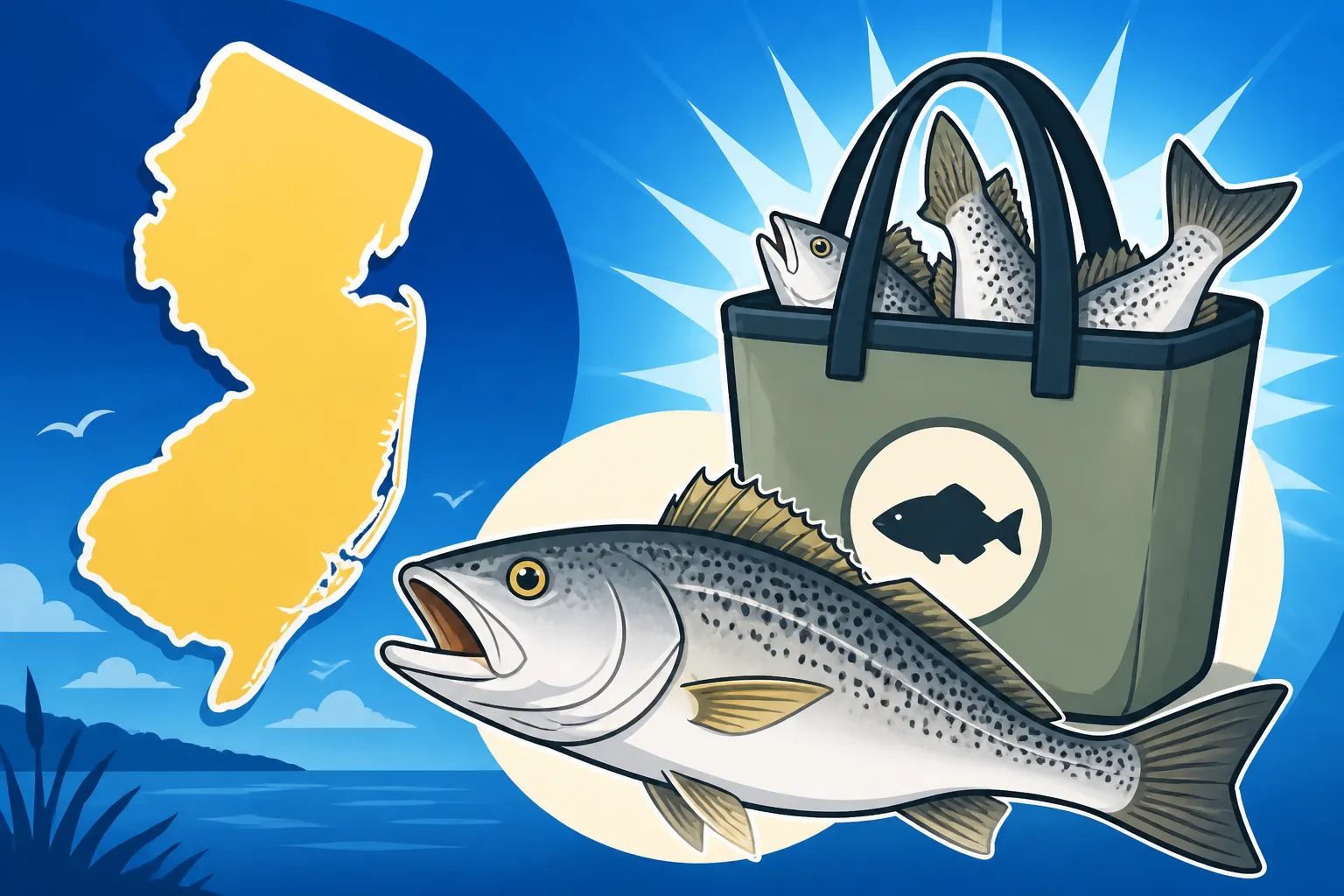
Let's get straight to the point: for recreational anglers in New Jersey, the current weakfish bag limit is one fish per person per day, and that fish must measure a minimum of 13 inches in total length. This isn't just a suggestion; it's a hard and fast rule set by the New Jersey Department of Environmental Protection (NJDEP) Fish and Wildlife, often in coordination with the Atlantic States Marine Fisheries Commission (ASMFC).
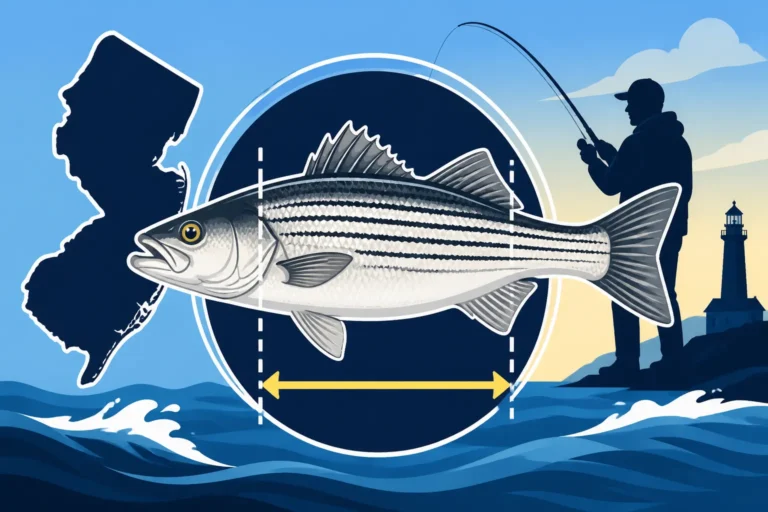
When we talk about "total length," we mean measuring from the tip of the fish's snout to the very end of its tail, with the tail compressed. This can sometimes be tricky on a rocking boat, so it's always wise to have a reliable measuring device on hand. You can find excellent, durable fish rulers on Amazon that float or are designed for quick, accurate measurements. Imagine reeling in a beautiful weakfish, and it's 12.5 inches – it can be heartbreaking, but it absolutely must go back. Keeping an undersized fish, even by a hair, can result in significant fines and penalties. This strict limit reflects the critical need to protect the remaining weakfish stock, especially the larger, breeding-size fish that are vital for future generations. For a broader overview of state-wide rules, you might find our guide on New Jersey Daily Bag Limits by Species helpful.
Catch and Release: The Unofficial Best Practice
While the regulation allows you to keep one weakfish, many dedicated anglers have adopted a personal philosophy of "catch and release" when it comes to this particular species. Even if you land a legal-sized weakfish, choosing to release it carefully contributes directly to the species' recovery. It’s a way of actively participating in conservation efforts, ensuring more fish survive to spawn and grow larger.
This isn't to say you can't keep your legal weakfish for dinner – they are delicious! But the growing trend among anglers to voluntarily release all weakfish, or at least all but one, speaks volumes about the community's commitment to the species. Practicing proper catch and release techniques is crucial here. Weakfish have delicate mouths, so minimizing handling, using appropriate tackle, and releasing them quickly is paramount. You can dive deeper into responsible practices with our article on Catch and Release Rules in New Jersey.
Weakfish Seasonality in New Jersey
Unlike some species that have very defined open and closed seasons, weakfish in New Jersey often have a year-round open season, but this doesn't mean they're always present or abundant. Their presence in our waters is highly seasonal, primarily dictated by water temperature and their migratory patterns. Generally, you'll find weakfish moving into New Jersey's coastal waters and bays from late spring through fall.
During the warmer months, areas like Barnegat Bay and the back bays along the South Jersey coast, as well as the deeper channels of the Raritan Bay, can hold good numbers of weakfish. The spring and early summer often see a good bite as they move in from offshore, and then again in the fall as they prepare to move out. Understanding these seasonal movements can dramatically increase your chances of encountering them. Knowing when certain species are active can make all the difference, so check out our comprehensive guide on New Jersey Fishing Season Dates and Closures for more seasonal insights. If you're specifically targeting certain locations, our Raritan Bay and Sandy Hook Bay Fishing Guide and New Jersey's Barnegat Bay Fishing Guide offer excellent advice on where to find them during their peak times.
| Species | Bag Limit (per person/day) | Minimum Size (Total Length) | Open Season | Notes |
|---|---|---|---|---|
| Weakfish | 1 | 13 inches | Year-Round | Delicate species, often catch & release |
| Striped Bass | 1 | 28-31 inches | Seasonal | Slot limit applies |
| Summer Flounder (Fluke) | 3-5 (varies by zone) | 18 inches | Seasonal | Regulations can change yearly |
Note: Always double-check the latest New Jersey Fish and Wildlife Digest for the most current regulations, as they can change.
Why Weakfish Regulations Are So Strict
It's easy to get frustrated with stringent fishing limits, especially if you remember a time when weakfish were practically jumping into the boat. However, these regulations aren't arbitrary. They are a direct response to a significant decline in weakfish populations and a critical measure to prevent further collapse and promote recovery.
Historical Abundance and Modern Decline
Once, weakfish were a powerhouse of the New Jersey coast. Older anglers often reminisce about days when they could fill coolers with these beautiful, iridescent fish, sometimes referred to as "yellowfins" for the golden hue on their fins. They were so plentiful they supported robust commercial and recreational fisheries for decades. Unfortunately, over the past 30-40 years, weakfish populations have plummeted dramatically. This decline isn't attributed to a single cause but rather a complex interplay of factors including habitat degradation, environmental changes (like shifts in water temperature and salinity), and historical overfishing, particularly of juvenile fish.
The exact reasons for their vulnerability are still being studied, but the reality is that the populations are a shadow of their former glory. This drastic shift from abundance to scarcity is a major reason why current regulations are so tight, aiming to protect every single fish that has a chance to reproduce. If you're interested in learning more about this critical issue, our article on New Jersey Weakfish Decline and Conservation provides an in-depth look at the factors contributing to their struggles.
The Role of Conservation in Setting Limits
The New Jersey Department of Environmental Protection's Fish and Wildlife division doesn't just pull numbers out of a hat when it comes to bag and size limits. These regulations are the result of extensive scientific research, stock assessments, and collaborative efforts with regional management bodies like the Atlantic States Marine Fisheries Commission (ASMFC). Biologists analyze data on weakfish spawning success, mortality rates, and overall population health to determine what level of harvest is sustainable, or in the case of weakfish, what level of conservation is necessary for recovery.
These decisions often involve tough choices and balancing the desires of recreational anglers with the ecological needs of the species. The one-fish limit is a clear indication that the scientific community believes the population is at a level where even a small recreational harvest needs to be tightly controlled. It's about giving the weakfish every possible chance to rebuild. Understanding this process can help anglers appreciate the complexity behind the rules. You can gain more insight into how these regulations are established by reading How New Jersey Sets Its Fishing Regulations Each Year.
Distinguishing Weakfish from Similar Species
One common challenge, especially for newer anglers, is correctly identifying fish species. Weakfish can sometimes be mistaken for other, more abundant species that have different bag and size limits. Juvenile weakfish, for example, might be confused with small bluefish (though bluefish have much sharper teeth and a different mouth structure) or even small striped bass, particularly if they are caught in low light conditions or by an inexperienced eye.
It's absolutely vital to be able to identify your catch accurately before deciding to keep it. Weakfish are characterized by their somewhat silvery-gold bodies, a distinct row of small, sharp teeth in the upper jaw (different from the canine teeth of bluefish), and a black spot on the upper part of their first dorsal fin. Their tails are usually less forked than a bluefish's. If you're ever in doubt, the safest bet is always to release the fish unharmed. Carrying a reliable fish identification chart or using a fishing app can be incredibly helpful. Familiarizing yourself with a comprehensive guide like the New Jersey Marine Fish Size Chart 2026 can also prevent accidental violations and protect the vulnerable weakfish population.
Practical Tips for Anglers Targeting Weakfish
Fishing for weakfish, especially with such a restrictive bag limit, shifts the focus from filling a cooler to enjoying the sport and contributing to conservation. This means adopting specific gear and techniques that prioritize the fish's well-being, even if you decide to keep your one legal catch.
Gear and Techniques for Responsible Weakfish Angling
When targeting weakfish, selecting the right gear can make a huge difference in both your success and the survival rate of released fish. Weakfish have delicate mouths, so heavy-handed tackle can easily tear their jaws, making release more difficult. Light to medium-light spinning gear, spooled with 8-15 pound monofilament or braid, is ideal. This setup provides plenty of sport while allowing for gentle handling.
For baits and lures, weakfish are opportunistic feeders. They love live baits like peanut bunker, spearing, and shedder crabs. When using bait, consider employing circle hooks, which greatly increase the chance of a mouth hook-up rather than a gut hook-up, making release much safer. For artificials, soft plastics are incredibly effective. Pink, chartreuse, or white soft plastic jerk shads or curly-tail grubs, often paired with a light jig head, can be irresistible to weakfish. You can easily find a wide variety of these lures and tackle on Amazon, often with convenient multi-packs. Our New Jersey Fishing Gear for Beginners article offers some great foundational knowledge on tackle selection that can be adapted for weakfish. Similarly, understanding the benefits of New Jersey Circle Hook Requirements for Bait Fishing is essential for responsible angling.
Best Practices for Catch and Release
Since the emphasis for weakfish is largely on conservation, mastering proper catch and release techniques is paramount. Every fish you release successfully increases the chances of population recovery. Here are some key points:
- Minimize Fight Time: Use appropriate tackle to bring the fish in relatively quickly, reducing exhaustion.
- Keep it Wet: Whenever possible, keep the fish in the water while unhooking it. If you must remove it, do so for the absolute shortest time possible.
- Gentle Handling: Support the fish horizontally, avoiding holding it vertically by the tail or mouth. If you handle it, wet your hands first to protect its slime coat, which is vital for disease prevention.
- Quick Unhooking: Have your dehooking tools (pliers or forceps) ready. If the fish is deeply hooked, especially in the gills or gut, cut the line as close to the hook as possible rather than attempting to rip the hook out.
- Revive If Necessary: If the fish seems sluggish, hold it gently in the water, facing into the current, allowing water to flow over its gills until it regains strength and swims away on its own.
- Accurate Measurement: If you're considering keeping a fish, use a sturdy, easy-to-read measuring device (you can find portable ones on Amazon) to quickly verify its length. This minimizes stress on the fish and ensures compliance.
These practices are not just good for weakfish; they are beneficial for all species you might release. For more in-depth guidance on handling fish you intend to release, refer to our article on Catch and Release Rules in New Jersey.
Respecting the Resource: Angler Responsibility
Ultimately, the future of weakfish fishing in New Jersey rests heavily on the shoulders of individual anglers. Every decision we make on the water, from adhering to bag limits to reporting violations, contributes to the health of the fishery. It’s about being a steward of the environment and understanding that our actions have consequences.
This responsibility extends beyond just the weakfish. It means properly disposing of all fishing line and trash, avoiding snagging birds, and being mindful of other wildlife. It also means educating ourselves and other anglers, especially newer ones, about the importance of these regulations. If you witness someone openly disregarding fishing laws, reporting it to the authorities is a critical step in protecting the resource. The New Jersey Conservation Police are there to enforce these rules and can be contacted if you suspect a violation. Learn more about how to do your part responsibly through our How to Report a Fishing Violation in New Jersey guide.
Looking Ahead: The Future of Weakfish Fishing in New Jersey
The journey to recovery for weakfish is a long one, but the dedicated efforts of scientists, managers, and responsible anglers offer hope. Understanding what's being done and how you can continue to contribute is key to a brighter future for this beloved species.
Ongoing Conservation Efforts
Conservation isn't a one-and-done solution; it's a continuous process. For weakfish, this involves a multi-faceted approach. State and federal agencies, like the NJDEP Fish and Wildlife, actively monitor weakfish populations through scientific surveys, tagging programs, and commercial fishery data collection. Researchers are constantly studying weakfish biology, habitat needs, and the impact of environmental factors to better inform management decisions.
Beyond regulations, there are efforts to restore critical estuarine habitats that serve as nurseries for juvenile weakfish. Reducing bycatch in commercial fisheries that target other species is also a major focus. These collective actions, while sometimes slow to show results, are essential for providing the foundation upon which weakfish populations can eventually rebuild. Our article on New Jersey Weakfish Decline and Conservation delves deeper into these critical initiatives.
Potential Regulation Changes
It's important for all anglers to remember that fishing regulations are not set in stone. They are dynamic and subject to change based on the latest scientific assessments of fish stocks, environmental conditions, and federal management mandates. What's true for the weakfish bag limit this year might be different next year. For instance, if weakfish populations show significant signs of recovery, the limits could be liberalized. Conversely, if conditions worsen, they might become even more restrictive.
Therefore, staying informed is paramount. Before every fishing season, and ideally before any significant fishing trip, make it a habit to check the current regulations issued by the NJDEP Fish and Wildlife. The most reliable source for this information is always the official New Jersey Fish and Wildlife Digest. You can usually find a copy online or pick one up at any license vendor. Make sure you're always up-to-date with current rules by regularly consulting Reading the New Jersey Fish and Wildlife Digest and staying aware of any New Jersey Fishing Regulation Changes for 2026.
The Angler's Role in Recovery
As an angler, you are more than just a participant in the fishery; you are a vital part of its management and recovery. Your commitment to responsible fishing practices, such as adhering to the one-fish, 13-inch weakfish bag limit and practicing careful catch and release, directly impacts the survival and reproductive success of the species. Beyond individual actions, consider getting involved with local conservation groups or advocating for sound fisheries management policies.
By understanding the challenges weakfish face, respecting the regulations put in place to protect them, and actively engaging in responsible angling, we can all contribute to a future where New Jersey's waters once again teem with these beautiful and spirited fish. Your passion for fishing can truly make a difference in securing this legacy for generations to come.
Disclaimer
Please remember that fishing regulations, including bag and size limits, can change. Always consult the latest New Jersey Fish and Wildlife Digest or the official NJDEP Fish and Wildlife website before heading out on your fishing trip to ensure you have the most current information. This guide is for informational purposes only and should not be considered a substitute for official state regulations.