What Is a Sea Robin and Is It Good to Eat?
Every angler fishing the waters of New Jersey has likely encountered a sea robin. They're often seen as a frustrating bycatch, a fish that clutters your line when you're really after fluke or striped bass. But before you dismiss this bottom dweller entirely, it's worth taking a closer look at what sea robins truly are and, more importantly, whether they actually belong on your dinner plate. This guide aims to clear up the misconceptions and perhaps even introduce you to a surprisingly enjoyable culinary experience.
Understanding the Sea Robin: More Than Just a "Trash Fish"
It's easy to get frustrated when you're reeling in what feels like a decent catch, only to discover it's another sea robin. Many anglers, myself included, have muttered under their breath after pulling one of these spiky, odd-looking creatures onto the boat or beach. Their unique appearance, combined with the fact that they often hit baits meant for more prized species, has cemented their reputation as a nuisance fish. But beneath that prickly exterior, the sea robin is a fascinating creature that plays an important role in our marine ecosystem.
What Exactly Is a Sea Robin?
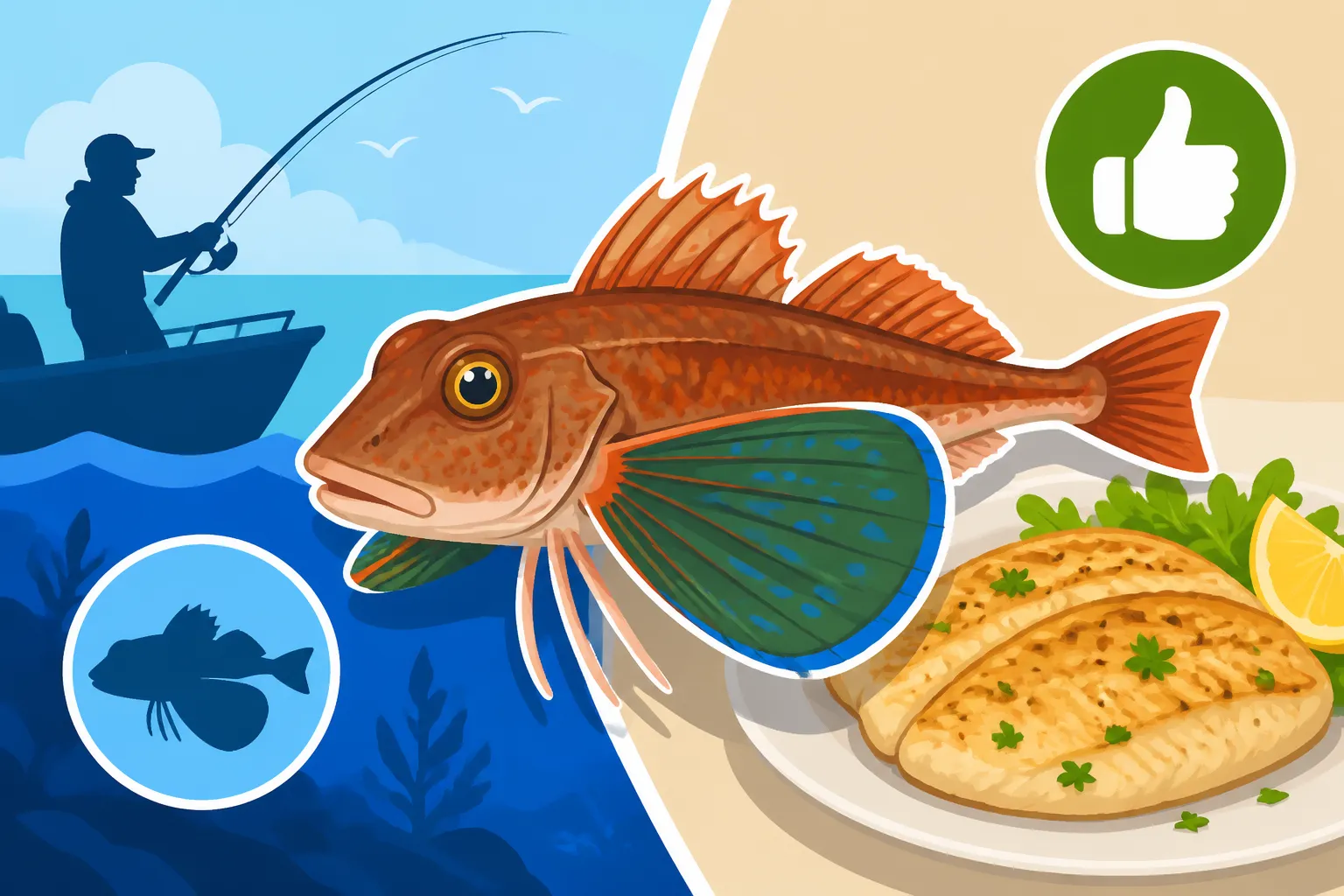
Sea robins belong to the family Triglidae, a group of bottom-dwelling fish characterized by their large pectoral fins, armored heads, and most notably, finger-like rays on their pectoral fins that they use to "walk" along the seafloor. In New Jersey, you'll most commonly encounter the northern sea robin. They're usually a reddish-brown to olive color on top, often with mottled patterns that help them blend in with the sandy or muddy bottoms where they hunt. Their bellies are typically white. While they might look a bit intimidating with their spines and bony heads, they're generally harmless to handle, though caution is always advised with any spiky fish. They also have the unique ability to produce grunting or croaking sounds, which is how they earned part of their name!
You can find them in a variety of habitats, from shallow bays and estuaries to deeper offshore waters, often congregating near structure or along sandy flats. They're opportunistic feeders, preying on small crabs, shrimp, and juvenile fish, which is precisely why they're so good at finding your bait. If you've ever felt a tap-tap-tap on your line that doesn't quite feel like a fluke, there's a good chance it's a sea robin investigating. Understanding their habits can even help you target other species more effectively by knowing what areas they prefer, and thus, what to avoid if they aren't your target.
Common Sea Robin Species in New Jersey
While there are several species of sea robins worldwide, the northern sea robin ( Prionotus carolinus ) is by far the most prevalent in New Jersey waters. You might occasionally encounter a striped sea robin (Prionotus evolans), which has a slightly different pattern, but for the recreational angler, the distinctions are often subtle, and their habits are largely similar. They're widespread throughout the bays, inlets, and offshore along the Jersey Shore.
These fish are pretty resilient and can adapt to varying water conditions, which contributes to their abundance. They're a staple in the diet of many larger predatory fish, acting as an important link in the food chain. So, even if you’re not thrilled to catch one, remember they’re a vital part of the big picture. When you’re learning about various fish species in our waters, it's good to know the common ones, even the ones you don’t plan to keep. You can often find detailed guides to New Jersey Marine Fish Size Chart 2026 which might include illustrations or descriptions of sea robins alongside popular game fish.
Is the Sea Robin Good to Eat? Debunking the Myths
This is the million-dollar question for many anglers! For years, sea robins have been unfairly maligned as inedible or simply "not worth the effort." I've heard countless stories of anglers tossing them back with disdain, completely unaware that they're throwing away a perfectly good meal. The truth is, sea robins are not only edible but, when prepared correctly, they can be quite delicious. Their reputation as a "trash fish" likely stems more from their appearance and the common frustration of catching them than from any actual culinary deficiency.
The Taste and Texture Profile
Let's get straight to it: the meat of a sea robin is firm, white, and flaky, with a mild, slightly sweet flavor. It's often compared to haddock or even cod, but perhaps a bit firmer. It doesn't have a "fishy" taste, which is a huge plus for those who are sometimes wary of stronger-flavored seafood. The texture holds up well to various cooking methods, making it a versatile option for the kitchen.
Many people are surprised by how clean and pleasant the taste is, especially if they've gone into it with low expectations. The key is proper handling. Like any fish, the fresher the better. Bleeding and icing the fish quickly after catch will ensure the best flavor and texture. If you're out on the water, having a cooler with ice is crucial for keeping any catch, including a sea robin, in prime condition. You can find quality coolers on sites like Amazon that are perfect for a day of fishing.
Overcoming the "Ugly Fish" Stigma
It's hard to deny that sea robins aren't the prettiest fish in the sea. Their large, bony heads, wide mouths, and somewhat alien-like eyes don't exactly scream "delicacy." This appearance is undoubtedly the primary reason for their undeserved bad rap. People tend to associate ugly fish with bad taste, but this is a purely superficial judgment. Many delicious fish, like monkfish or even some species of cod, aren't exactly supermodels, either!
Think of it this way: once you've filleted a sea robin, its appearance is completely irrelevant. You're left with beautiful, white fillets that look just like those from more esteemed fish. It's all about getting past that initial visual bias. If you're serious about giving them a try, focus on the end product, not the raw form. It's a fantastic way to utilize a resource that many otherwise waste, promoting a more sustainable approach to fishing.
Preparing Sea Robins for the Table
So, you've decided to give the sea robin a chance. Great! The next step is knowing how to prepare it. While the head and bones are substantial, yielding the meat isn't as difficult as it might seem. The effort is absolutely worth it for the delicious fillets you'll get.
Filleting a Sea Robin: A Step-by-Step Guide
The biggest hurdle for many is getting the meat off the fish. Here's a basic rundown:
- Bleed and Ice Immediately: As soon as you catch a sea robin you intend to keep, cut its gills and put it on ice. This improves the quality of the meat significantly.
- Lay it Flat: Place the sea robin on a cutting board. It's best to use a sturdy board that won't slip, perhaps with some non-slip matting underneath.
- Make the Initial Cut: Behind the pectoral fin, make a cut straight down to the backbone, just as you would with a fluke or a bass.
- Cut Along the Backbone: Turn your knife and slide it along the backbone, all the way to the tail. The large head makes for a shorter fillet, but the meat is thick.
- Remove the Ribs: Carefully cut the fillet away from the rib cage. The rib bones on a sea robin are quite pronounced, so take your time here.
- Skin the Fillet: Lay the fillet skin-side down. Hold the tail end firmly and work your knife between the skin and the meat, sliding it forward to remove the skin. You'll be left with a clean, boneless, skinless fillet.
- Repeat on the Other Side: Flip the fish over and repeat the process for the second fillet.
It might take a couple of attempts to get the hang of it, especially with the unique bony structure of the sea robin, but practice makes perfect. A sharp, flexible fillet knife is your best friend here. You can find excellent fillet knives on Amazon, and investing in a good one makes all the difference. For more general guidance, checking out tips for New Jersey Sea Robin and Bycatch Species might offer additional insights into handling and processing these fish.
Cooking Methods and Recipe Ideas
Once you have those beautiful white fillets, the possibilities are endless. Because the meat is firm and mild, it's incredibly versatile.
- Frying: A classic choice! Lightly breaded with seasoned flour or cornmeal and pan-fried, sea robin fillets turn out crispy on the outside and tender on the inside. Serve with some lemon wedges and tartar sauce.
- Baking/Broiling: For a healthier option, bake or broil the fillets with a little butter, garlic, herbs (dill, parsley, thyme work wonderfully), and a splash of white wine. It's simple, quick, and really highlights the fish's natural flavor.
- Grilling: If you're careful, you can grill sea robin fillets. Marinate them briefly in olive oil, lemon juice, and spices to prevent sticking and add flavor. They hold up surprisingly well on the grill grate due to their firm texture.
- Soups and Stews: The robust nature of sea robin meat makes it excellent for fish stews, chowders, or even a classic New Jersey-style bouillabaisse. It won't fall apart like some more delicate fish.
- Fish Tacos: Flake the cooked fish into soft tortillas with your favorite toppings like shredded cabbage, salsa, and a creamy sauce for a delicious and easy meal.
Don't forget to use the bones and heads if you're feeling adventurous! They make an incredibly flavorful fish stock that can be the base for those stews or chowders. It's a great way to ensure zero waste and maximize the culinary potential of your catch.
Why Sea Robins Deserve Your Respect (and a Place in Your Cooler)
Beyond their culinary attributes, sea robins are a fascinating part of the New Jersey fishing landscape. Their abundance, willingness to bite, and surprising edibility make them a species that deserves a second look from anglers who typically view them with disdain.
An Abundant and Sustainable Resource
Sea robins are prolific in New Jersey waters and are not currently considered overfished. Unlike some of our more popular game species, there are no strict size or bag limits for sea robins, which means you can keep what you catch. This makes them an excellent, sustainable option for anglers looking to put fresh fish on the table without impacting more sensitive populations. When you learn about New Jersey fishing regulations, you'll notice sea robins rarely feature heavily, precisely because they are so abundant and lightly targeted.
By embracing sea robins, you're not only diversifying your fishing experience but also contributing to a more sustainable harvest of our marine resources. It's a win-win: you get fresh, delicious fish, and you take pressure off other species.
A Fun Catch for Anglers of All Skill Levels
While they might not be the trophy fish many aspire to, sea robins offer consistent action, which can be particularly enjoyable for beginners or kids. There's nothing quite like the excitement of a bending rod, even if it's "just" a sea robin. They fight hard for their size and provide valuable practice for setting the hook and reeling in a catch.
They are also found practically everywhere. Whether you're fishing from a pier, a kayak, or a boat in the back bays, you're likely to encounter them. This accessibility makes them a great target when other species are scarce or if you're just looking for some steady action. If you're taking kids fishing, the continuous bites from sea robins can keep them engaged and excited, helping to foster a love for the sport. It's a good alternative when you're waiting for the Best Time of Year to Fish for Fluke in New Jersey or Best Time of Year to Fish for Striped Bass in New Jersey to hit their peak.
Practical Tips for Handling and Enjoying Your Catch
When you do decide to keep a sea robin, remember to handle them with care. Their spines can be sharp, so a good pair of fishing gloves or a fish gripper (also available on Amazon) can be helpful.
| Feature | Common Perception | Reality |
|---|---|---|
| Appearance | Ugly, spiny, intimidating | Unique, adapted for bottom dwelling |
| Taste | Fishy, undesirable, "trash fish" | Mild, white, flaky, sweet, similar to cod |
| Effort to Clean | Too much work, not worth it | Filleting is straightforward with practice |
| Sustainability | Unlimited, no thought given | Abundant, sustainable, lightly targeted |
| Fishing Value | Nuisance, bycatch | Consistent action, fun for all ages |
Next time you pull a sea robin from the waters of New Jersey, don't just dismiss it. Consider giving it a chance on your dinner table. You might be pleasantly surprised by the delicious, firm, white fillets it provides. It's an opportunity to embrace a sustainable, abundant resource and add a new, tasty fish to your culinary repertoire.
Disclaimer
This article is for general informational purposes only and does not constitute professional advice. Laws, prices and regulations vary by location and change over time. Consult a qualified professional for guidance on your specific situation.