New Jersey Largemouth Bass State Record: 10 Pounds 14 Ounces
For New Jersey anglers, there's a certain magic in the chase for a truly monumental largemouth bass, a fish that embodies the pinnacle of freshwater angling success in our state. Many of us dream of landing that once-in-a-lifetime trophy, but few know the full story behind the incredible catch that still holds the official state record. This guide is here to unravel the tale of New Jersey's biggest largemouth bass, exploring the details of the catch, its storied location, and what it means for the aspiring trophy hunter.
The Unforgettable Catch: Details of New Jersey's Largemouth Bass State Record
Every state has its legendary fish, and in New Jersey, the largemouth bass record stands as a testament to the incredible potential hiding in our freshwater systems. For decades, anglers have looked to this monumental catch as a benchmark, a whispered legend that keeps the dreams of a giant bass alive. It's a tale of patience, skill, and being in the right place at the absolute right moment.
The Record-Setting Fish Itself
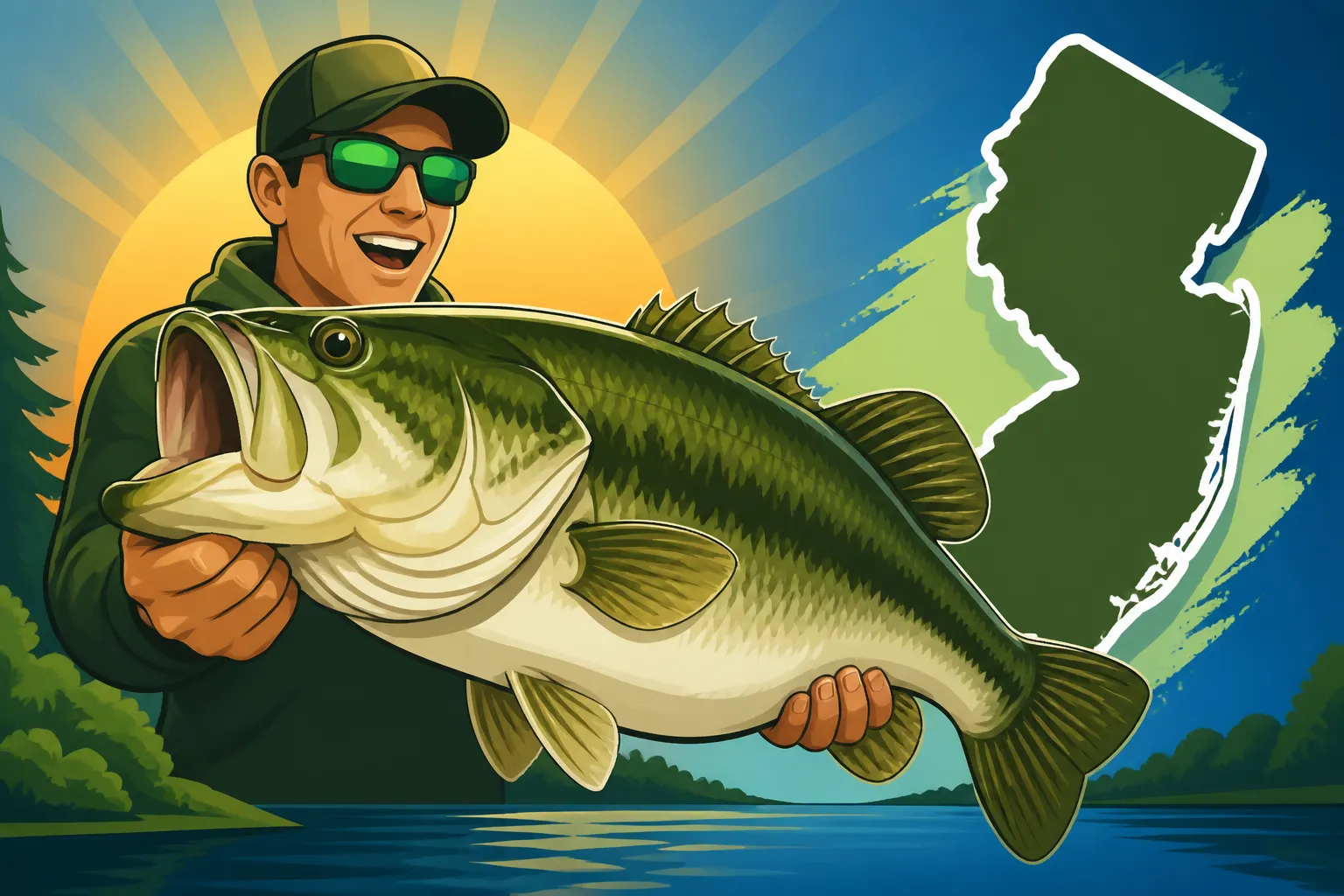
The official New Jersey Largemouth Bass State Record stands at a staggering 10 pounds, 14 ounces. This behemoth of a bass was caught by Robert Eisele on October 18, 1980. Imagine the thrill, the sheer disbelief, of pulling a fish of that magnitude from the water. For context, most experienced bass anglers consider a five-pound largemouth a fantastic catch, a true "bucketmouth." A fish nearing eleven pounds is simply in another league entirely, a creature that has defied the odds of survival, evaded countless lures, and grown to an immense size over many years. This isn't just a big fish; it's a historical specimen that continues to inspire anglers today, proving that giants truly do lurk in our local waters.
The sheer weight and impressive girth of Eisele's bass captured the imagination of the angling community. It immediately put New Jersey on the map for serious bass fishing, challenging the common perception that our state was primarily known for its incredible saltwater opportunities. While we boast fantastic striped bass and fluke fishing along the coast, this record loudly proclaimed that our inland lakes and ponds hold their own, nurturing monster freshwater predators. The fact that this record has stood for so long only adds to its mystique, cementing its place in New Jersey's fishing lore. What Is the New Jersey Largemouth Bass State Record? delves deeper into this impressive fish.
The Legendary Location: Menantico Sand Wash Pond
The stage for this historic catch was set at Menantico Sand Wash Pond, a name that resonates with many bass anglers across the state. Located in Cumberland County, this unique body of water has a fascinating history, formed from old sand mining operations. The removal of sand created deep pits and varied bottom contours, which, over time, filled with water, establishing a complex and rich habitat perfect for growing large fish.
Menantico Sand Wash Pond isn't your average shallow farm pond. Its depths, coupled with an abundance of natural cover like submerged timber and aquatic vegetation, provide ideal conditions for largemouth bass to thrive and grow old. These older, larger bass are often solitary predators, needing ample space and food sources to reach such impressive sizes. The unique ecosystem of Menantico offered exactly that: a secluded, nutrient-rich environment where a bass could gorge itself on baitfish and crayfish for years, undisturbed by excessive pressure. It's a prime example of how specific, often overlooked, bodies of water can hold hidden treasures. You can learn more about this specific catch and location by checking out How New Jersey's Record Largemouth Bass Was Caught at Menantico Sand Wash Pond.
How It Was Caught: Technique and Conditions
Robert Eisele's record-setting catch wasn't a stroke of pure luck; it was the result of a deliberate approach, combined with the right timing. The tackle of choice that day was a jig-and-pig combination. For those unfamiliar, a "jig-and-pig" is a classic bass fishing lure consisting of a lead-headed jig dressed with a skirt (often silicone or rubber) and tipped with a pork rind or soft plastic trailer. This setup is renowned for its ability to mimic crawfish or a bulky baitfish, making it highly effective for targeting larger, more cautious bass hiding in heavy cover.
Eisele was fishing in mid-October, a prime time for big bass in New Jersey. As water temperatures begin to drop, largemouth bass often go on a feeding frenzy, bulking up for the leaner winter months. They become more aggressive and are often found in deeper water or around prominent structures where they can ambush prey. The cool, crisp autumn air and the bass's instinct to feed provided the perfect storm for Eisele's monumental catch. It underscores the importance of understanding seasonal patterns and knowing which lures excel in those conditions. Many anglers today still find great success with similar tactics for Largemouth Bass Fishing in New Jersey.
Why This Record Matters to New Jersey Anglers
A state record isn't just a number; it's a living legend that reverberates through the angling community. It acts as both a source of pride and a perpetual challenge, shaping how we view our local fisheries and fueling the ambition of every angler who casts a line.
Inspiring Trophy Hunters
The 10-pound, 14-ounce largemouth record serves as a constant inspiration for New Jersey's trophy hunters. It validates the belief that truly immense bass are not just figments of imagination but tangible goals. Anglers spend countless hours honing their skills, experimenting with baits, and exploring new waters, all with the hope of encountering a fish even half the size of Eisele's. The pursuit of a "double-digit" bass—a fish weighing ten pounds or more—is often considered the ultimate achievement in freshwater bass fishing. This record reminds us that such a feat is indeed possible right here in our backyard.
The dream of breaking the record, or even just coming close, drives many anglers to participate in tournaments and dedicate their lives to understanding bass behavior. It's a shared aspiration that connects generations of fishermen, from seasoned veterans who remember the original catch to young enthusiasts just starting their journey. The allure of that one, perfect cast, that one heart-stopping strike, is amplified by knowing a fish of such incredible proportions was once landed in New Jersey. What Is the Biggest Largemouth Bass Ever Caught in New Jersey? isn't just a question, it's a testament to this enduring fascination.
Highlighting New Jersey's Bass Potential
New Jersey often gets a reputation for its incredible saltwater fishing, and deservedly so, with our beautiful coastline and abundant marine species. However, the largemouth bass state record forcefully reminds everyone that our freshwater fishing scene is equally vibrant and holds immense potential. It showcases the health and quality of our inland lakes, rivers, and ponds, proving they can produce world-class game fish. This record helps to shift perceptions, encouraging anglers who might typically head to the shore to also explore the tranquility and excitement of our freshwater spots.
This recognition also indirectly supports conservation efforts. When a state boasts such an impressive record, it draws attention to the need for habitat preservation, responsible stocking programs, and sensible fishing regulations. Protecting the waters that produce such magnificent fish becomes a priority, ensuring that future generations have the same opportunities to pursue their own trophy bass. It's a win-win: the record inspires anglers, and that inspiration helps safeguard our precious natural resources. Many of our local lakes, like those discussed in Best Lakes for Largemouth Bass in New Jersey, hold tremendous potential.
The Ever-Present Challenge
The fact that Robert Eisele's record has stood firm for over four decades is a testament to how truly exceptional that catch was, and how difficult it is to eclipse. It means that for every angler who dreams of breaking it, the bar has been set incredibly high. Factors like a bass's age, genetics, food availability, and environmental conditions all play a crucial role in its growth. A bass must live a long, healthy life, evade predators, survive harsh winters, and find a consistent, abundant food source to reach such immense proportions.
The challenge of breaking this record is not just about catching a big fish; it's about understanding the intricate balance of an ecosystem and the life cycle of these incredible creatures. It's why anglers meticulously study reports, track water temperatures, and spend hours on the water. Each year, new personal bests are caught, big fish are weighed, and the fishing community wonders if this will be the year the record falls. The "ever-present challenge" is a motivator, a narrative thread that runs through every bass fishing season in New Jersey.
Pursuing Your Own New Jersey Trophy Largemouth
While breaking the state record is an extraordinary feat, catching your own personal best largemouth bass in New Jersey is a very achievable and incredibly rewarding goal. Understanding what makes a big bass, employing smart strategies, and knowing where to focus your efforts can significantly increase your chances.
Understanding What Makes a Big Bass
To catch a trophy largemouth, you first need to understand what makes a bass grow to a significant size. It's not just about luck; it's a combination of several critical factors:
- Age and Growth: Large bass are old bass. They've lived through many seasons, evaded predators, and outsmarted countless anglers. The lifespan of a largemouth bass, especially in northern climates like New Jersey, can vary, but a 10-pound fish is likely well over a decade old. Understanding How Fast Do Largemouth Bass Grow? and What Is the Lifespan of a New Jersey Largemouth Bass? can give you insight into the timeline needed for a fish to reach such dimensions.
- Diet and Forage: A steady supply of nutrient-rich food is paramount. This includes abundant baitfish like alewives, shiners, and juvenile panfish, as well as crayfish, frogs, and even small rodents or ducklings. Waters with a diverse and plentiful forage base are far more likely to produce massive bass.
- Habitat and Cover: Big bass are apex predators and prefer areas with ample cover for ambush. This could be submerged timber, dense weed beds, rock piles, drop-offs, or even man-made structures like docks and bridge pilings. They also need deep water nearby to retreat to when temperatures fluctuate or they feel pressured. Menantico Sand Wash Pond, for instance, had unique depths and structures that nurtured the record-holder.
Key Strategies for Targeting Large Largemouth Bass
Chasing trophy largemouth requires a different mindset than simply catching numbers of smaller fish. It's about patience, precision, and often, fishing less-pressured areas with larger presentations.
- Go Big or Go Home (Sometimes): While smaller baits catch fish, big bass often prefer a larger, more substantial meal. Don't be afraid to throw bigger swimbaits, large jigs, oversized crankbaits, or even substantial live bait (where legal). These lures might attract fewer bites, but the bites you get are more likely to be from a trophy-sized fish. Many anglers check online retailers like Amazon for specialized trophy bass lures.
- Focus on Prime Times: Large bass are often most active during low-light conditions, such as dawn and dusk, or during specific seasonal windows like the pre-spawn and fall feeding frenzies. During the heat of summer, they'll often retreat to deeper, cooler waters or dense overhead cover. Knowing Best Time of Day for Bass Fishing and seasonal patterns is crucial.
- Target Heavy Cover and Structure: Big bass are masters of ambush. They will position themselves in or near dense cover – fallen trees, thick lily pads, deep submerged grass, rock formations, or sharp drop-offs – waiting for an unsuspecting meal. Present your lure precisely into these high-percentage areas. Don't be afraid to get your lure into places that might seem unfishable; that's often where the biggest fish hide.
- Slow Down Your Presentation: Trophy bass are often wary and might not chase a fast-moving bait. A slow, deliberate retrieve with a jig, worm, or swimbait can often entice a strike from a cautious giant. Let your bait soak in the strike zone, mimicking natural prey. When selecting new gear, many anglers find a wide selection of specific baits on platforms like Amazon.
- Patience and Persistence: Trophy hunting is not for the faint of heart. You might go many trips without a bite, but that one explosive strike from a truly massive bass makes it all worthwhile. Stay persistent, trust your instincts, and keep learning from every cast.
Top Lakes and Ponds Beyond the Record Holder
While Menantico Sand Wash Pond holds the record, New Jersey is home to many other excellent bodies of water known for producing impressive largemouth bass. These lakes offer fantastic opportunities for anglers seeking their own trophy fish:
- Lake Hopatcong: As New Jersey's largest lake, Lake Hopatcong offers a vast and diverse habitat for bass. It's known for producing numerous largemouth in the 5-7 pound range, with bigger fish certainly present. The lake features extensive weed beds, rocky points, and docks, all prime bass territory. You can even follow the Lake Hopatcong Bass Tournament Schedule to see where the pros are finding the big ones.
- Assunpink Lake: Part of the Assunpink Wildlife Management Area, this lake in central New Jersey is another consistent producer of quality largemouth bass. Its varied depths and ample cover make it a popular spot for dedicated bass anglers.
- Prospertown Lake: Also in central New Jersey, Prospertown Lake is smaller but renowned for its potential to yield big bass, particularly in its weed lines and around submerged structures.
- Farrington Lake: Located in Middlesex County, Farrington Lake offers great opportunities for both quantity and quality largemouth bass, with healthy populations and the chance for a true heavyweight.
Always remember to check the latest New Jersey Fish and Wildlife Digest for specific regulations, including bag limits and size restrictions, for any body of water you plan to fish. Understanding the rules is as important as understanding the fish.
| Feature | New Jersey Largemouth Bass State Record (10 lbs 14 oz) | General Trophy Largemouth Bass (5-10 lbs) | General Largemouth Bass (1-4 lbs) |
|---|---|---|---|
| Weight | 10 pounds, 14 ounces | 5-10 pounds | 1-4 pounds |
| Angler | Robert Eisele | Various | Various |
| Date Caught | October 18, 1980 | N/A (ongoing) | N/A (ongoing) |
| Location | Menantico Sand Wash Pond, Cumberland County | Diverse lakes & ponds (e.g., Lake Hopatcong, Assunpink, Farrington Lake) | Most freshwater bodies in NJ |
| Primary Lure | Jig-and-pig combination | Larger jigs, swimbaits, crankbaits, soft plastics | Wacky worms, spinnerbaits, smaller crankbaits, topwater |
| Typical Age | Likely 10+ years old | 5-10+ years old | 1-5 years old |
| Key Factors for Size | Exceptional genetics, abundant forage, specific habitat | Healthy ecosystem, consistent food, minimal pressure, good cover | Sufficient food, adequate habitat |
| Significance | State record, ultimate angling achievement | Highly sought-after, personal best for many anglers | Common catch, great for beginners and consistent action |
Disclaimer
This article is for general informational purposes only and does not constitute professional advice. Laws, prices and regulations vary by location and change over time. Consult a qualified professional for guidance on your specific situation.