What Is a Tiger Muskie and Is It Stocked in New Jersey?
You've heard whispers, perhaps seen a photo or two online, of this incredible creature known as a "tiger muskie." With its striking patterns and reputation as a fierce fighter, it's natural to wonder if these impressive fish are swimming in our New Jersey waters. It can be confusing trying to decipher all the different types of muskie and pike out there, and what the state's stocking programs entail. This guide aims to clear up that mystery, detailing exactly what a tiger muskie is and if you can realistically expect to encounter one while fishing in the Garden State.
Understanding the Tiger Muskie: A Striking Hybrid
The tiger muskie isn't just another variety of muskie; it's a fascinating anomaly in the fish world. When anglers and naturalists talk about them, they're often referring to a truly unique hybrid.
The Origins of this Unique Predator
A tiger muskie is quite literally a cross between two distinct species: the northern pike (Esox lucius) and the muskellunge (Esox masquinongy). It's a bit like a mule in the animal kingdom – a hybrid that results from two different parents. Most of the tiger muskies you hear about in stocking programs or see caught are actually sterile, meaning they can't reproduce on their own. This is a common trait among hybrids, and it's why stocking is often necessary if a state wants to maintain a population.
These hybrids can occur naturally, though it's quite rare. It requires both northern pike and muskellunge to spawn at the same time and in the same general area, which doesn't happen often. However, the vast majority of tiger muskies encountered by anglers are the result of deliberate efforts by fisheries departments. They're typically created in hatcheries by fertilizing muskellunge eggs with northern pike milt. This controlled environment allows for the production of these hard-fighting fish in greater numbers than nature usually provides, making them available for recreational stocking in some regions.
The genetic mix gives the tiger muskie a unique blend of traits. They often exhibit the aggressive feeding habits of a pike with the sheer power and size potential of a muskellunge, making them a truly formidable adversary for any angler. This combination is what makes them so popular in the states that do stock them, offering a distinct challenge that purebred species might not.
Distinguishing Features of a Tiger Muskie
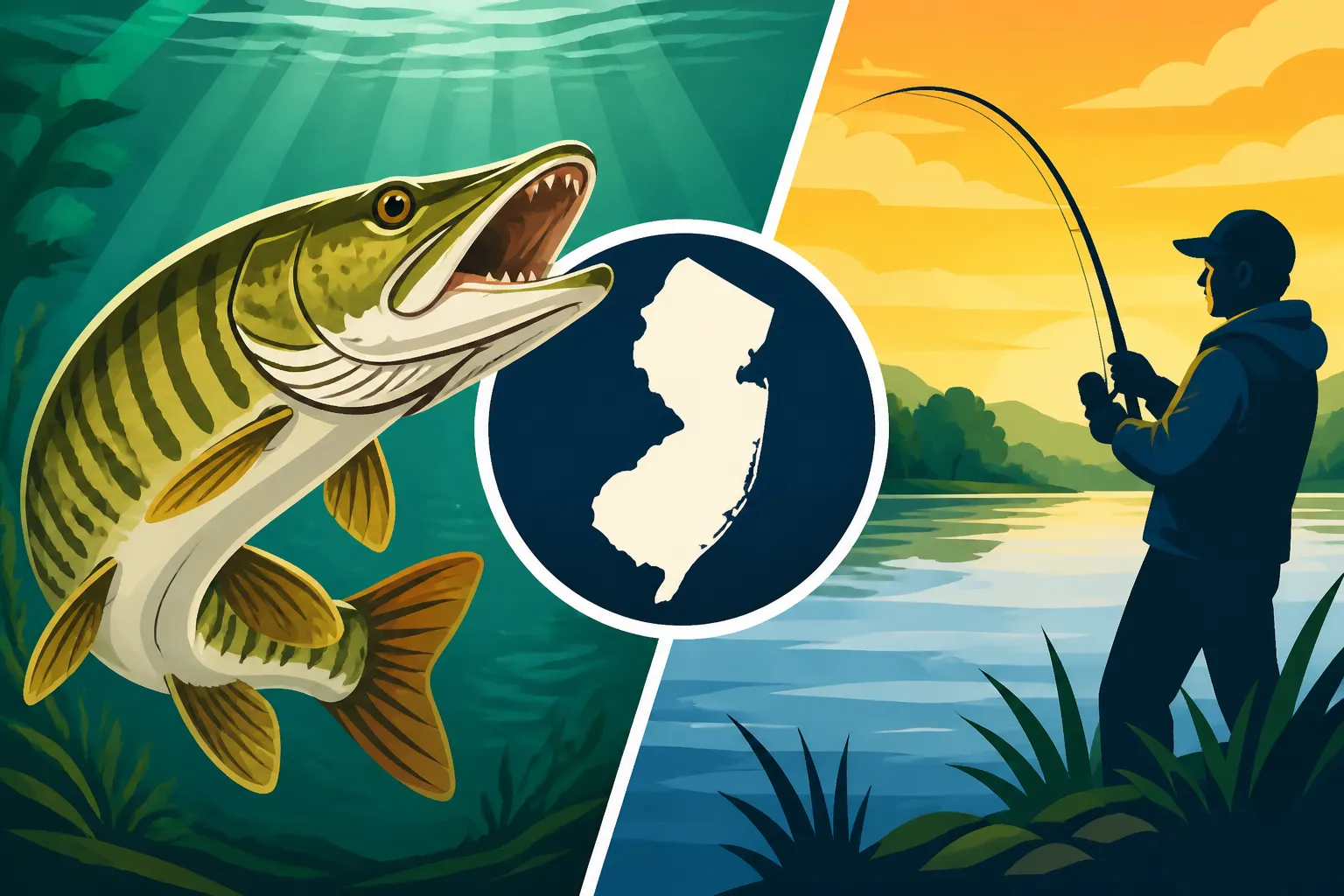
Visually, the tiger muskie is a showstopper, and its appearance is key to its name. They possess a distinct pattern that differentiates them from their parent species. Instead of the spots or barring often seen on purebred muskies, or the bean-shaped markings of a northern pike, tiger muskies display irregular, wavy, dark vertical bars or blotches on a lighter background. These markings often resemble the stripes of a tiger, giving them their iconic name.
Beyond the stripes, you can also look at the fins. Northern pike typically have fully scaled cheek and gill covers. Muskies, on the other hand, usually have scales only on the upper half of their cheek and gill covers, or sometimes no scales at all. Tiger muskies tend to fall somewhere in between, usually having scales on the upper half of the cheek and the entire gill cover, though this can vary. Their body shape is generally elongated, much like both parent species, and they possess the characteristic duckbill-shaped mouth filled with sharp teeth, perfect for ambushing prey.
In terms of size, tiger muskies can grow quite large. While they might not reach the absolute top-end size of the largest purebred muskies, they can still become substantial fish, often growing well over 30 inches and occasionally into the 40-inch range, with impressive girth. They grow relatively fast, which is another reason some states find them appealing for stocking programs aimed at providing trophy opportunities.
Why Anglers Love to Chase Tiger Muskies
For many anglers, chasing a tiger muskie is the ultimate freshwater challenge. These fish are often described as having the ferocity of a northern pike combined with the elusive, "fish of a thousand casts" reputation of a true muskellunge. They are incredibly powerful fighters, known for explosive strikes, strong runs, and spectacular head shakes that can test even the most experienced angler's gear and patience.
The appeal isn't just in the fight; it's in the entire pursuit. These fish are apex predators, intelligent and wary. Landing one often feels like a significant accomplishment, a testament to skill, persistence, and sometimes, a little bit of luck. The distinct tiger-like markings also make them a prized catch for trophy photos, often standing out from other freshwater species. Because they can grow to impressive sizes, they offer the chance to hook into a true freshwater giant, an experience many anglers dream of. The anticipation of a strike from such a powerful and beautiful fish keeps many coming back for more, dedicating countless hours to the chase.
Are Tiger Muskies Stocked in New Jersey Waters?
This is the million-dollar question for many New Jersey anglers hoping to add a tiger muskie to their list of catches. Our state has a rich fishing tradition, but when it comes to specific species, it's crucial to know what's actively managed and stocked.
New Jersey's Approach to Muskie Management
New Jersey's Division of Fish and Wildlife takes a thoughtful approach to managing its freshwater fisheries. Their stocking programs are typically focused on maintaining populations of species that thrive in our local ecosystems or providing specific recreational opportunities. For large predatory fish, their primary focus has historically been on purebred species like northern pike and muskellunge, as well as providing ample trout fishing.
The state’s strategy often revolves around balancing native species conservation, habitat management, and providing diverse fishing opportunities for its residents. When it comes to species that require stocking, the state carefully considers factors like growth rates, survivability in local conditions, ecological impact, and, of course, the cost and effort involved in rearing and stocking. They want to ensure that any species introduced or supported contributes positively to the fishing landscape without inadvertently harming existing populations or the environment.
Therefore, decisions about stocking specific species, especially hybrids, are not made lightly. They usually involve extensive research and consideration of long-term goals for the state's fishery resources. You can always check the most recent New Jersey Fish and Wildlife Digest: Where to Find the Current Rules for updates on stocking programs.
Current Status of Tiger Muskie Stocking in New Jersey
Here's the direct answer: As of now, New Jersey does not actively stock tiger muskies in its waters. The state's efforts for these large predatory fish are concentrated on stocking purebred muskellunge and northern pike. While it might be disappointing news for those hoping to specifically target a tiger muskie in the Garden State, it’s a reflection of the state's focused management strategy.
Fisheries biologists in New Jersey have determined that focusing on purebred strains of muskie and pike is the most effective way to manage these populations given our specific aquatic environments and angler interests. Sometimes, the decision not to stock a hybrid can be due to concerns about genetic integrity, or simply a prioritization of resources towards species that either have established natural populations or whose purebred stocking efforts have proven highly successful. So, while other states might have robust tiger muskie programs, New Jersey currently dedicates its resources to its purebred muskie and pike populations.
Where Purebred Muskies and Pike are Found in New Jersey
Even without tiger muskies, New Jersey still offers fantastic opportunities to chase their impressive purebred cousins. The state has several well-known lakes and reservoirs where you can target muskellunge and northern pike. These fish provide an equally thrilling challenge and are true trophy species for many anglers.
For those eager to tangle with a muskellunge, waters like Lake Hopatcong and Mercer Lake are often mentioned. These are bodies of water where the state has historically stocked and managed purebred muskellunge populations, providing anglers with a chance to pursue these freshwater giants. New Jersey Muskellunge Waters can offer more specific locations and details for those looking to plan a trip focused on these elusive fish.
If northern pike are more your speed, you'll find them in a wider range of New Jersey's freshwater systems. Lakes like Hopatcong, Greenwood Lake, and numerous other lakes and rivers across the state hold healthy populations. Pike are known for their aggressive strikes and powerful fights, often inhabiting weedy shallow areas. You can dive deeper into where to find these toothy predators by checking out New Jersey Northern Pike Waters. While not tiger muskies, these purebred species still offer incredible angling experiences and are testament to New Jersey's diverse freshwater fisheries.
Fishing for Muskie and Pike in the Garden State
Since tiger muskies aren't typically found in New Jersey, understanding how to fish for their purebred relatives—muskellunge and northern pike—is key. These fish share many characteristics with tiger muskies, including their predatory nature and powerful fighting ability, making the pursuit equally exciting.
Essential Gear for Targeting Large Predators
When you're chasing muskie or pike, you need to think big, strong, and durable. These aren't panfish; they're apex predators with serious muscle and sharp teeth. Your standard bass rod and reel just won't cut it.
First, let's talk about rods. You'll want a heavy to extra-heavy power casting rod, typically between 7 and 9 feet long. This length gives you the leverage to cast heavy baits and control powerful fish. A fast action tip is usually preferred for quick hook sets. For reels, a high-quality baitcasting reel with a strong drag system and a high line capacity is essential. Look for models designed for saltwater or heavy freshwater use. You can find excellent options from reputable brands on Amazon, ensuring you get gear that can stand up to the challenge.
Line choice is critical. Braided line, in the 50 to 100-pound test range, is almost universally recommended for muskie and pike. Its strength, low stretch, and abrasion resistance are invaluable when battling these strong fish with sharp teeth and navigating abrasive structure. You'll also need a heavy leader, either fluorocarbon (at least 80-100 lb test) or wire, to prevent bite-offs. These fish will slice through lighter lines like butter. Finally, a robust selection of baits is key. Large bucktails, jerkbaits, glide baits, and soft plastics ranging from 6 to 12 inches (or even larger!) are standard fare. Don't forget heavy-duty snaps and split rings; weak components will fail. For beginners, getting a pre-spooled reel and a heavy-duty rod from a trusted source like Amazon can be a great starting point for your Best New Jersey Fishing Gear for Beginners.
| Gear Type | Recommendation | Why It's Important |
|---|---|---|
| Rod | Heavy to Extra-Heavy Power, 7-9 ft Casting Rod | Needed for casting heavy lures and handling powerful fish. |
| Reel | High-Quality Baitcasting Reel, Strong Drag | Essential for managing strong runs and heavy line. |
| Line | 50-100 lb Braided Line | Strength, low stretch, and abrasion resistance against teeth. |
| Leader | 80-100 lb Fluorocarbon or Wire Leader | Prevents bite-offs from sharp teeth. |
| Lures | Large Bucktails, Jerkbaits, Glide Baits (6-12+ inches) | Mimics their natural prey and attracts aggressive strikes. |
| Tools | Long-Nose Pliers, Jaw Spreaders, Net | Crucial for safe handling and release of toothy fish. |
Techniques and Strategies for Success
Chasing muskellunge and northern pike requires patience, persistence, and often, a willingness to throw large, sometimes cumbersome, baits for hours on end. It's truly a game of "the fish of a thousand casts" for muskies, though pike can sometimes be more cooperative.
A common technique for both species is casting and retrieving large lures near structure. This includes weed lines, submerged timber, rock piles, and points where baitfish congregate. Vary your retrieve speed and incorporate pauses or jerks to entice a strike. Many muskie and pike strikes happen at the boat, so performing a "figure-eight" with your lure right beside the boat before lifting it out of the water is a crucial step. This allows any following fish a last-ditch chance to commit. Best Lures for Muskie Fishing often recommends a mix of these big, flashy baits.
Trolling is another effective method, especially in larger lakes like Hopatcong or Round Valley Reservoir. Using large crankbaits or swimbaits behind a boat allows you to cover more water and present your lure at specific depths where these fish might be lurking. This can be particularly effective during hotter summer months when fish might be holding deeper. For those venturing out in colder months, How to Fish for Pike Through the Ice offers techniques that can be adapted for purebred pike. Remember, the key is to be methodical, cover likely holding areas, and stay persistent, as these powerful fish can often be triggered by the right presentation after many attempts.
Conservation and Catch & Release Practices
Because muskellunge and northern pike are such prized and often elusive catches, conservation is paramount. Many anglers, especially those targeting muskies, practice catch and release exclusively. These fish are slow-growing and can live for many years, so returning them to the water ensures future generations can enjoy the thrill of catching them.
Proper handling is absolutely critical. These fish have sharp teeth and can be surprisingly heavy and powerful, even out of the water. Always use a large, rubberized landing net to minimize damage to their fins and slime coat. Once landed, keep the fish in the water as much as possible. If you need to bring it into the boat for a photo, do so quickly and support its body horizontally to avoid internal injury. Never hold a large fish vertically by its jaw alone.
Invest in the right tools: long-nose pliers or jaw spreaders are essential for safely removing hooks. Single, barbless hooks can also make hook removal much easier and less traumatic for the fish. After a quick photo, gently release the fish, holding it upright in the water until it's ready to swim off strongly on its own. Remember, we are stewards of our fisheries, and responsible angling practices ensure these magnificent fish continue to thrive in New Jersey waters for years to come.
Disclaimer
This article is for general informational purposes only and does not constitute professional advice. Laws, prices and regulations vary by location and change over time. Consult a qualified professional for guidance on your specific situation.