How to Catch Pike Through the Ice
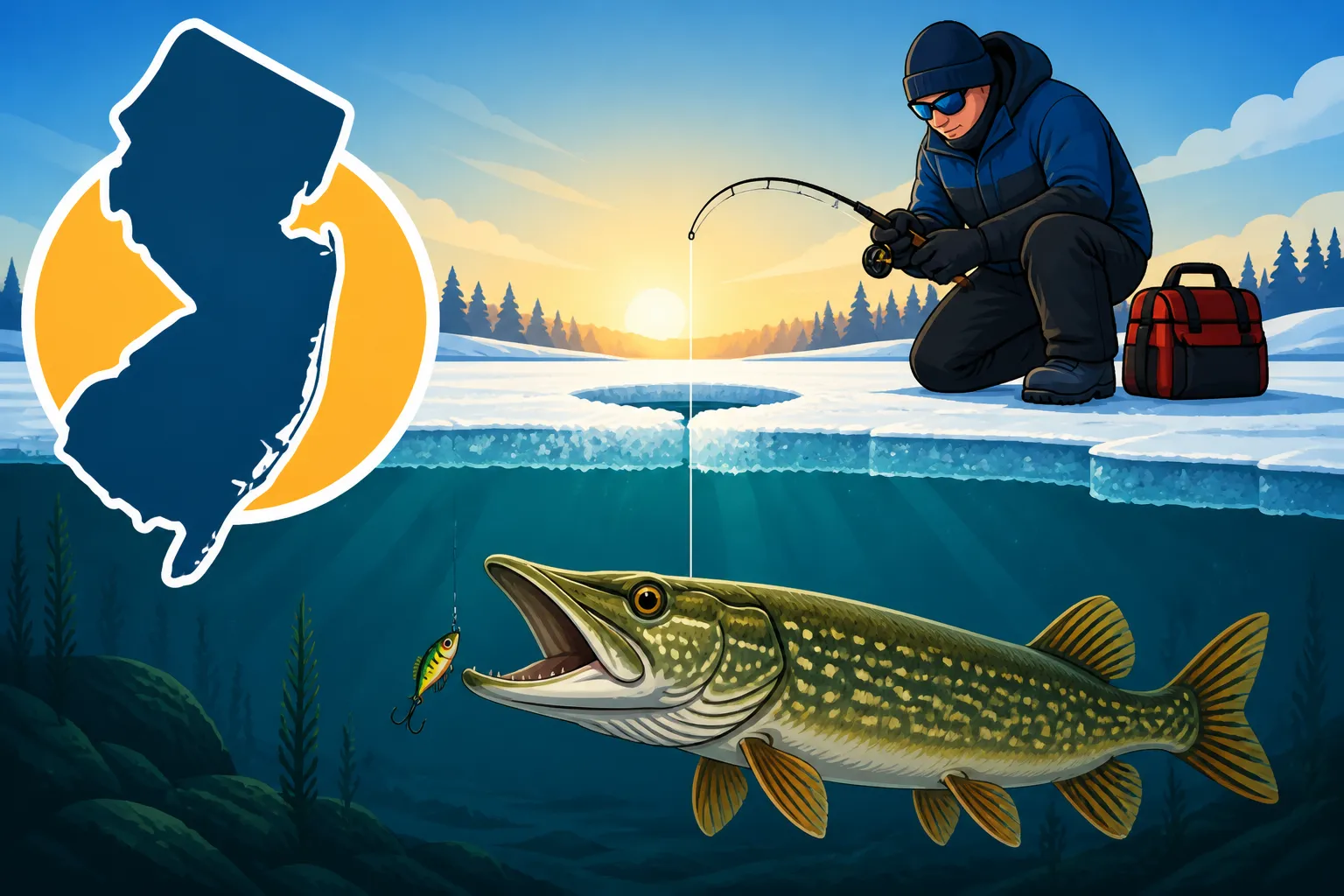
There’s nothing quite like the crisp air and stark beauty of a New Jersey winter day, but for many anglers, the thought of fishing when everything is frozen solid can seem daunting, or even impossible. Yet, beneath that icy veneer, some of the most aggressive fish are still feeding, and few offer the thrilling fight of a northern pike. This guide will walk you through everything you need to know to safely and successfully target these toothy predators through the ice, turning those cold winter days into exciting fishing adventures.
Understanding New Jersey Pike and Their Winter Habits
Northern pike are incredible ambush predators, and their behavior shifts slightly, but not entirely, when the water turns to ice. They remain active, often surprisingly so, and targeting them requires understanding where they'll be and when they're most likely to strike. Forget the lazy summer pike; winter pike are lean, mean, and hungry!
Where Pike Hide Under the Ice
When the water chills and ice forms, northern pike don't just disappear. They tend to gravitate towards areas that offer them both cover and access to food sources, which are typically found in the deeper edges of weed beds, along drop-offs, or near submerged timber and brush piles. These structures provide perfect ambush points for them to dart out and snatch unsuspecting baitfish. You'll often find them patrolling these transitional zones between shallower weed-rich areas and deeper open water, waiting for their prey to move by.
Consider a place like the southern end of Greenwood Lake, where expansive weed flats meet sudden depth changes. Pike will relate heavily to these structural elements. They're not usually in the absolute deepest parts of a lake, but rather where deep water meets something interesting. They love edges, contours, and anything that breaks up the uniformity of the lake bottom, offering them a strategic advantage. Knowing your lake's topography, even under the ice, is paramount to finding these fish.
Prime Times for Pike Activity
Just like in open water, pike have peak feeding times through the ice. Generally, the early morning hours, right as the sun begins to lighten the sky, and the late afternoon, leading up to dusk, are the most productive. These low-light conditions often trigger their predatory instincts, making them more aggressive. However, don't rule out midday action, especially on overcast days or during periods of stable barometric pressure.
Sometimes, a sudden change in weather, like a slight warm-up or a consistent cold snap, can also stir them up. Many experienced ice anglers have found that a significant drop in pressure before a snowstorm can make pike go on a feeding frenzy. It's not just about the clock; it's about observing patterns and understanding how environmental factors influence their behavior. Keep an eye on those Greenwood Lake Ice Fishing Conditions or wherever you plan to fish, as local conditions can heavily influence bite windows.
Essential Gear for Ice Fishing Pike
Chasing northern pike through the ice isn't a job for ultralight gear. These fish have serious teeth and pack a powerful punch, so you need equipment that can stand up to the challenge. Investing in the right tools will not only increase your chances of success but also make the experience much more enjoyable and safer.
Rods, Reels, and Line
For pike, you'll want a medium-heavy to heavy action ice fishing rod, typically between 30 and 42 inches long. This length gives you enough leverage to fight a strong fish in a confined space. Pair this with a sturdy spinning reel in the 2000-4000 size range, capable of holding plenty of line and delivering smooth drag. Many anglers opt for a braided line of 20-30 pound test, as it has no stretch, which is great for feeling subtle bites, and offers incredible strength.
However, braided line can absorb water and freeze, so many anglers prefer a high-quality monofilament or fluorocarbon line of similar test strength, or at least use a fluorocarbon leader. A critical component, no matter your main line choice, is a strong, bite-proof leader. Pike have razor-sharp teeth that will easily slice through standard fishing line. A 30-50 pound test fluorocarbon leader, or even a specialized steel or titanium leader, is essential. You can find excellent leader material and pre-made leaders on sites like Amazon, ensuring you’re ready for their formidable bite.
Tip-Ups: Your Secret Weapon
While jigging can certainly catch pike, tip-ups are hands down the most effective way to target them through the ice. A tip-up allows you to set multiple lines across a wider area, increasing your chances of intercepting a cruising pike. When a fish takes the bait, a flag "tips up," signaling a bite and letting you know exactly which hole to run to.
Good quality tip-ups are worth their weight in gold. Look for models that are durable, easy to deploy, and can handle cold temperatures without freezing up. Your tip-ups should be spooled with at least 50-pound braided or Dacron line, followed by a fluorocarbon or wire leader. Keep a collection of various size hooks, from trebles to large J-hooks, to accommodate different bait sizes. Many anglers will purchase several tip-ups from retailers like Amazon to cover a larger spread, as New Jersey regulations allow for multiple lines when ice fishing.
Baits and Lures That Attract Pike
Pike are opportunistic carnivores, and they love a hearty meal. For tip-ups, live bait is almost always king. Large shiners, suckers, or even small perch (where legal) are incredibly effective. These baits, often ranging from 4 to 8 inches, stay active in the water, sending out vibrations that attract pike from a distance. Hook them lightly through the back or lips to keep them lively. Remember to check New Jersey Freshwater Fishing Regulations Every Angler Should Know for any bait restrictions in specific waters.
If live bait isn't an option or you prefer to actively fish with a rod, large jigging spoons, swimbaits, or even oversized soft plastics can entice a strike. Colors like silver, gold, chartreuse, and white are often very effective. The key is to present a bait that mimics a struggling or injured fish, making it an easy target for a hungry pike. Don't be shy about going big; pike rarely shy away from a large offering.
Proven Techniques for Ice Fishing Pike in New Jersey
Ice fishing for pike isn't just about drilling a hole and dropping a line. It's a strategic game of cat and mouse, requiring patience, observation, and a solid understanding of how to present your offering. Mastering these techniques will significantly improve your chances of success.
Setting Up Your Spread
The beauty of using tip-ups is that you can cover a lot of ground. New Jersey regulations often allow for multiple lines per angler, so you can spread your tip-ups out to cover different depths and structural elements. A common strategy is to set some tip-ups along the deep edge of a weed line, some nearer to submerged timber, and one or two in slightly shallower water that might serve as a travel corridor. This varied approach maximizes your chances of intercepting a pike on the move.
When setting up, try to create a "grid" or a "fan" pattern with your holes, rather than clumping them all together. This ensures maximum coverage. Pay attention to any signs of fish, such as baitfish flickering on your sonar, or even old marks on the ice from previous anglers, which might indicate a productive spot. Remember, pike can be anywhere, but they often relate to subtle changes in the underwater landscape, so spreading out intelligently is key.
Drilling Holes and Depth Selection
Drilling holes can be tiring, but it's crucial work. A gas or electric auger will save you a lot of effort compared to a hand auger, especially when drilling numerous 8-inch or 10-inch holes needed for larger pike and their bait. For pike, a wider hole is often preferred to safely land a big fish and prevent it from getting jammed. Once you've drilled your holes, use a skimmer to clear out any ice slush before deploying your lines.
Depth selection is vital. As mentioned, pike often lurk at the edges of drop-offs or in deeper sections adjacent to shallower feeding flats. A good starting point is to target depths between 10 and 25 feet, suspending your live bait anywhere from a foot off the bottom to halfway up the water column. Experimenting with different depths on each tip-up can help you quickly identify the pike's preferred feeding zone on any given day. On lakes like Monksville Reservoir, which has varying depths and structure, this experimentation is particularly important.
Jigging Strategies for Active Pike
While tip-ups are passive, active jigging with a rod and reel can also be effective, particularly if you see fish on your flasher or sonar. Big jigging spoons, like Northland Buck-Shot Rattle Spoons or Rapala Jigging Raps, are excellent choices. The key is to vary your retrieve. Start with aggressive rips and long pauses, then try shorter, sharper jigging motions. The goal is to make your lure look like a dying or injured baitfish.
Pay close attention to what the fish are telling you. If they're hitting on the fall, try letting your lure free-fall more. If they're hitting during a pause, extend your pauses. Pike are often drawn in by the commotion but strike when the lure is suspended motionless. Don't be afraid to switch up your colors and sizes throughout the day. Sometimes, a subtle change can make all the difference, turning a slow day into a productive one.
The Art of Waiting and Watching
Ice fishing for pike, especially with tip-ups, is very much a game of patience and observation. Once your lines are set, resist the urge to constantly check them or move them without reason. Pike are predators, and they will find your bait if they are in the area and feeding. Instead, focus on watching your flags.
When a flag springs up, don't just sprint to the hole and start reeling. Often, a pike will grab the bait and run a short distance before stopping to turn the bait in its mouth and swallow it headfirst. Give the fish a moment or two to commit. Some anglers prefer to wait until the line starts moving out again after the initial run stops. When you do approach, do so calmly and deliberately. Pick up the line, feel for the fish, and when you feel a steady pull, set the hook with a firm, sweeping motion. It’s an exhilarating moment that makes all the waiting worthwhile.
Safety First on the Ice
Ice fishing is an incredibly rewarding winter activity, but it carries inherent risks. Ignoring ice safety can turn a fun day into a dangerous situation. Always prioritize safety for yourself and everyone with you. This isn't just a suggestion; it's a non-negotiable rule.
Ice Thickness and Conditions
The single most important rule of ice fishing is never trust the ice. Always verify ice thickness as you go. Conditions can vary wildly across a single body of water, even within a few feet. Springs, currents, varying depths, and even sun exposure can create thin spots. As a rule of thumb, always consult resources like How Thick Should Ice Be Before You Fish on It? before venturing out.
Generally, 4 inches of clear, solid ice is considered the minimum for a single angler on foot. 5-7 inches are recommended for small groups. Never drive a vehicle onto the ice unless it's explicitly allowed and you have confirmed significant, consistent thickness (typically 12-15 inches for light vehicles). Early and late season ice is notoriously unreliable. Always be aware of your surroundings, look for pressure ridges, cracks, or areas of slush, which often indicate weaker ice.
What to Bring for Emergencies
Preparation is key to ice safety. Always carry a set of ice picks around your neck or in an easily accessible pocket. These are lifesavers if you fall through, allowing you to grip the ice and pull yourself out. A rope (at least 50 feet) and a whistle are also crucial for signaling for help and assisting others. A cell phone in a waterproof bag is a modern necessity.
Dress in layers, and wear a life jacket or a floatation suit, especially if you're exploring new areas or fishing on questionable ice. Bring a change of clothes in a waterproof bag, and consider bringing a portable shelter or pop-up shanty for warmth and to block the wind. These shelters also help maintain a more comfortable environment, allowing you to stay out longer and focus on fishing. Review guides like New Jersey Ice Fishing Safety Basics before every trip to refresh your memory on vital precautions.
New Jersey Regulations for Pike Ice Fishing
Before you even think about drilling your first hole, you need to be familiar with the rules and regulations that govern fishing in New Jersey, especially for specific species like northern pike. Regulations are put in place to ensure sustainable fishing for future generations, and ignoring them can lead to hefty fines.
Licensing and Season Dates
First and foremost, you'll need a valid New Jersey fishing license to target pike through the ice, just as you would for open water fishing. There are different licenses for residents and non-residents, and it's essential to understand the requirements. For a comprehensive overview, check out the New Jersey Fishing License Guide for 2026. If you're specifically curious about what's required for ice fishing, you might want to look into New Jersey Ice Fishing License Rules.
Northern pike are typically available for ice fishing throughout the winter months, once safe ice has formed. Unlike some other species that have strict closed seasons, pike are generally open year-round, but always consult the most current New Jersey Fish and Wildlife Digest for the precise season dates and any potential special regulations for specific bodies of water. These rules can change annually, so staying informed is crucial.
Size and Bag Limits
New Jersey has specific size and bag limits for northern pike, designed to protect the population and ensure healthy breeding stock. These limits are important to follow to avoid legal trouble and to contribute to conservation efforts. For the most up-to-date information, you should always refer to the official New Jersey Fish and Wildlife Digest. However, to give you a general idea, here's a typical regulatory framework you might encounter:
| Species | Minimum Size | Daily Bag Limit |
|---|---|---|
| Northern Pike | 24 inches | 2 fish |
Note: This table provides typical regulations. Always verify current rules with the New Jersey Department of Environmental Protection's Fish and Wildlife Digest before fishing.
It's not just about knowing the limits; it's about proper measurement. When you catch a pike, measure it from the tip of its snout to the end of its tail with its lobes pressed together. If it doesn't meet the minimum size, it must be immediately released back into the water with as little harm as possible. This careful handling helps ensure that smaller fish survive to grow larger and contribute to the population, potentially becoming the next New Jersey Pike State Record. Remember, conservation is a collective effort!
Disclaimer
Please note that fishing regulations, conditions, and best practices can change. Always consult the latest New Jersey Department of Environmental Protection (NJDEP) Fish and Wildlife regulations before any fishing trip. Safety on the ice is paramount; exercise extreme caution and never take unnecessary risks. This guide is for informational purposes only.