Why Are Weakfish Called Weakfish?
It's a common chuckle among anglers, isn't it? You catch a magnificent weakfish, admire its iridescent beauty, and then scratch your head wondering why such a vibrant, sought-after game fish is saddled with a name like "weakfish." This guide dives deep into the peculiar etymology behind the weakfish's name, exploring the biological traits and historical observations that led to its less-than-flattering moniker, and what this means for anglers targeting this New Jersey favorite.
Unpacking the Peculiar Name: Why "Weakfish"?
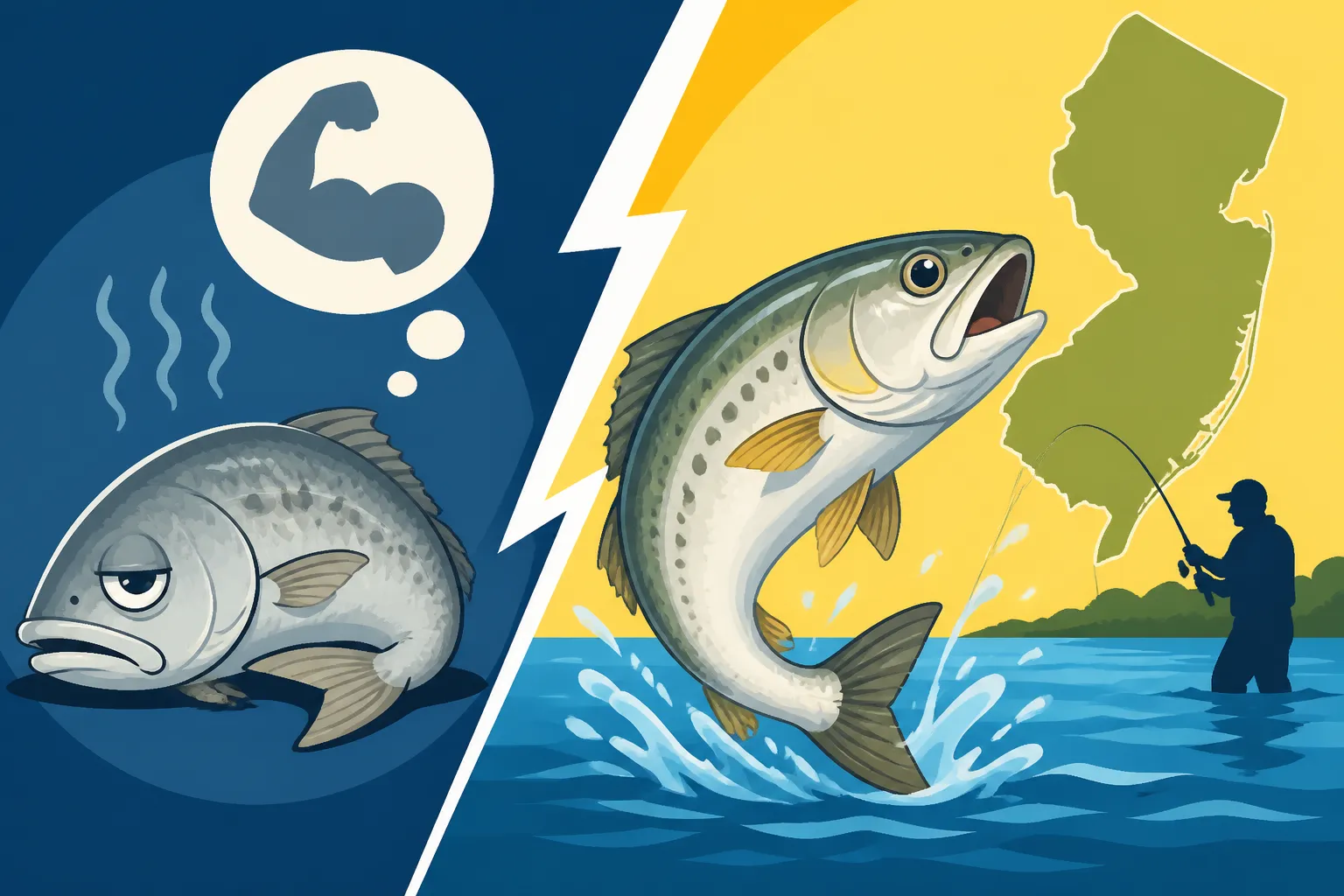
The name "weakfish" isn't a jab at the fish's overall health or its ability to survive in its environment; quite the opposite, in fact. Weakfish are resilient, migratory, and can put up a respectable fight on the end of a line. The origin of their name primarily stems from two distinct characteristics: their surprisingly delicate mouth structure and, to a lesser extent, a perceived "weak" fight once hooked, especially compared to some of their more aggressive saltwater neighbors.
Anglers often report losing weakfish right at the boat or shore because the hook simply tears through their soft jaw. It's not a lack of angling skill that causes this, but rather the anatomy of the fish itself. Imagine trying to set a hook in butter – that's often how it feels when a weakfish strikes. This particular vulnerability led early European settlers and fishermen, who were giving common names to newly encountered species, to brand it the "weakfish." It was a practical descriptor, born from countless experiences of these beautiful fish coming unbuttoned before they could be landed. Their scientific name, Cynoscion regalis, actually means "royal dogfish," which gives a very different, and perhaps more fitting, impression of this regal-looking species.
The Delicate Mouth: A Biological Explanation
When you get a chance to examine a weakfish up close, you'll immediately notice the structure that contributes to its name. Unlike a striped bass with its tough, bony mouth, or a bluefish with its razor-sharp teeth designed for tearing, the weakfish possesses a surprisingly soft, almost paper-thin membrane around its jaw. This biological trait, while perhaps a disadvantage when encountering a fishing hook, serves its purpose in its natural feeding habits.
Weakfish primarily feed on smaller baitfish, squid, and crustaceans. Their mouths are designed for engulfing prey quickly rather than crushing or tearing. This means that when a hook sets, especially a larger or barbed hook, the delicate tissue around the jaw can easily give way under pressure, either during the fight or even when the fish thrashes once it reaches the surface. It's a frustrating reality for many anglers. This is why lighter tackle, sharper hooks, and a gentle hand are often recommended when targeting this species. If you're looking for specialized weakfish hooks or lighter leader material, a good place to start your search is on Amazon, where you can find a wide variety of fishing tackle designed for delicate presentations. How to Catch Weakfish in New Jersey is a great resource if you want to dial in your technique.
Fight Dynamics and Angling Considerations
Beyond the mouth, another interpretation of the "weak" moniker comes from the fight itself. While weakfish can initially put up a spirited run, head shakes, and even some acrobatics, they often tire relatively quickly compared to species like tuna or even a powerful striped bass. They tend to make a strong initial dash, but then their energy wanes, and they can be reeled in with less resistance than other game fish of similar size. This "give up" factor, combined with the fragile mouth, made them seem "weak" to early fishermen accustomed to battling more tenacious opponents.
This characteristic, however, doesn't diminish the thrill of catching them. For many, the challenge lies not in overpowering the fish, but in the finesse required to keep it hooked and bring it to hand. Anglers often employ lighter rods with more give, softer action reels, and set their drag just right to absorb sudden surges without putting too much pressure on the fish's mouth. It's a delicate dance that makes landing a weakfish all the more rewarding. Understanding these nuances is crucial, especially when you consider New Jersey Weakfish Bag Limit Explained and wanting to ensure every legal fish makes it into your cooler.
| Characteristic | Weakfish | Striped Bass | Bluefish |
|---|---|---|---|
| Mouth Structure | Delicate, soft, tears easily | Tough, bony, durable | Hard, sharp-toothed, designed to cut |
| Fight Style | Initial strong run, then tires fast | Powerful, sustained runs, heavy headshakes | Aggressive, violent, slashing attacks |
| Primary Diet | Small baitfish, squid, crustaceans | Baitfish, crabs, clams | Any available baitfish, cannibalistic |
| Angling Tackle | Light to medium-light, sensitive tip | Medium to heavy, strong backbone | Heavy, wire leaders recommended |
| Hook Set | Gentle, steady pressure | Firm, solid | Aggressive, quick |
Historical Context and Common Names
Many fish species carry common names that reflect specific traits observed by local populations over generations. Think "flounder" for its flat body, or "bluefish" for its color. The weakfish is no different. Its name is a testament to the direct observations of generations of anglers along the Atlantic coast, who repeatedly encountered the challenge of its delicate mouth. Before scientific classifications became widespread, these descriptive names were the practical way people identified and communicated about the fish they caught.
Over time, despite their beautiful appearance and delicious taste, the name stuck. It's a reminder of a bygone era of fishing, where direct, sometimes blunt, observations dictated nomenclature. While some might argue for a more glamorous name, "weakfish" is deeply embedded in the fishing culture and history of the region. Learning about New Jersey Weakfish Decline and Conservation provides an important perspective on this species, regardless of its name.
Weakfish Populations and Conservation Efforts
While the name "weakfish" might imply fragility, it's actually the fluctuating populations of this species that have been a real concern for conservationists and anglers alike. Over the years, weakfish populations have seen significant declines and recoveries, leading to adaptive regulations in states like New Jersey. These regulations, including bag limits and size restrictions, are put in place to help ensure the sustainability of the species for future generations.
The term "weak" could also subtly reflect the vulnerability of their populations to environmental changes, habitat loss, and fishing pressure, though this isn't the primary origin of the name. Regardless, understanding the importance of responsible fishing practices is paramount. Releasing undersized fish carefully, reducing bycatch, and adhering to all current regulations are vital steps every angler can take. Many guides and educational materials regarding conservation efforts can be found online, and you can even pick up some essential conservation gear, like dehookers or measuring tapes, from Amazon to ensure you're fishing responsibly. New Jersey Fishing Season Dates and Closures will give you specific timings for when you can target these fascinating fish.
Fishing for Weakfish: Embracing the "Weakness"
For an angler, the weakfish's "weakness" is not a deterrent, but rather a unique characteristic that shapes the fishing experience. It demands a particular approach, one that values finesse and sensitivity over brute force. When fishing for weakfish, you'll often hear advice about using light line, sharp hooks, and a gentle touch when setting the hook and fighting the fish. Many experienced weakfish anglers swear by soft plastic lures, often paired with light jig heads, as these can be retrieved subtly and are less likely to tear out of the delicate mouth.
This species also offers a fantastic opportunity to hone your light tackle skills. Feeling a weakfish hit your lure, fighting it carefully to the boat, and successfully landing it without pulling the hook is a true mark of an accomplished angler. It teaches patience, sensitivity, and the importance of adapting your technique to the specific fish you're targeting. To learn more about where to find them, check out Best New Jersey Piers and Jetties for Shore Fishing, which often hold good numbers of weakfish. Don't forget, when you're preparing for a trip, a comprehensive tackle box stocked with the right lures and terminal tackle, easily sourced from Amazon, can make all the difference.
Conclusion: A Name of Distinction
So, there you have it. The name "weakfish" isn't an insult; it's a historical descriptor that highlights a fascinating aspect of this fish's biology and behavior. Its delicate mouth and unique fight style make it a challenging yet incredibly rewarding species to target in New Jersey waters. Rather than viewing the name as a slight, we can appreciate it as a nod to generations of anglers who observed, adapted, and learned to respect this beautiful and enigmatic creature. Understanding why they're called weakfish only adds another layer of appreciation for this fantastic game fish.
Disclaimer
This article is for general informational purposes only and does not constitute professional advice. Laws, prices and regulations vary by location and change over time. Consult a qualified professional for guidance on your specific situation.