Are Walleye Native to New Jersey?
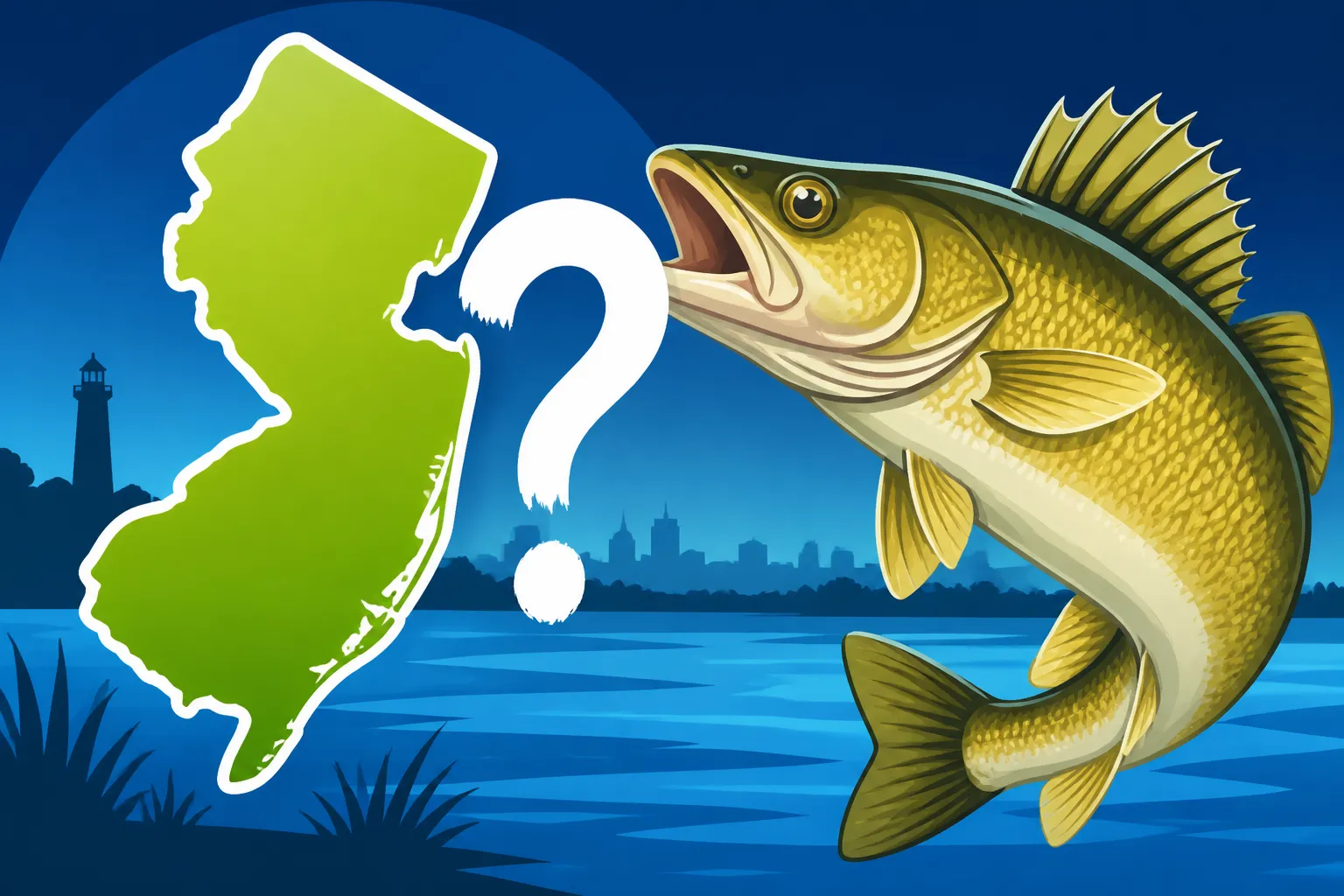
It's a question many passionate New Jersey anglers ponder, especially when they hear about the incredible walleye fishing happening just beyond our borders: are walleye truly native to the Garden State? For years, the story around these elusive, sharp-toothed predators has been a bit murky, leading to confusion about their origins and presence in our waters. This guide aims to clear up that mystery, diving deep into the history and current status of walleye in New Jersey, and giving you the real scoop on these fascinating fish.
The Walleye's Native Status: A Complex History
Let's cut right to the chase because, frankly, it's the question on every angler's mind. The short answer to whether walleye are native to New Jersey is… complicated. Historically, scientists and biologists generally agreed that walleye were not truly native to New Jersey waters. Their natural range was considered to be further west and north, primarily within the Mississippi River basin and the Great Lakes system. However, like many fish species, their presence in various waters today isn't always about ancient history.
Think about it this way: our state has a long, rich history of managing and enhancing its freshwater fisheries. For decades, the New Jersey Division of Fish and Wildlife has actively stocked many species to create new fishing opportunities or bolster existing populations. This isn't unique to New Jersey; states all over the country manage their fisheries in similar ways. So, while walleye might not have been swimming in our lakes and rivers since the last ice age, their introduction and subsequent management have definitely made them a part of our modern angling landscape. It's a classic case of nature meeting human intervention, and understanding this distinction is key to appreciating the walleye fisheries we do have. It's not about them being here by pure natural migration, but rather through deliberate efforts that have allowed them to thrive in specific environments.
The Historical Lack of Natural Populations
When we talk about "native" species, we're generally referring to those that occurred naturally in a region without human intervention, thriving and reproducing on their own for centuries. For walleye, New Jersey just didn't fit that bill historically. The environmental conditions, specific river systems, and migratory routes that fostered large, self-sustaining walleye populations weren't predominantly found here. Our freshwater systems, while rich in biodiversity, naturally favored species like largemouth bass, various panfish, and trout in the cooler streams.
This doesn't mean a stray walleye never found its way into a New Jersey waterway centuries ago, perhaps through a connected river system during a flood. Nature has a funny way of surprising us. But these would have been isolated incidents, not indicative of a widespread, naturally occurring population. Anglers from generations past might have occasionally heard whispers of a strange fish with milky eyes, but it wasn't a consistent or recognized part of the state's ichthyofauna. This historical absence set the stage for later stocking programs, which radically changed the walleye narrative in the state. The idea wasn't to "restore" a native population, but to introduce a desirable game fish.
The Nuance of "Naturalized" vs. "Native"
This brings us to an important distinction: "native" versus "naturalized." A native species is one that originated and evolved in a particular ecosystem. A naturalized species, on the other hand, is an introduced species that has established a self-sustaining population and now thrives in the wild without continued human intervention, even though it didn't originate there. While New Jersey's walleye populations haven't always achieved truly self-sustaining, widespread naturalization in every stocked water, some lakes and reservoirs have certainly seen strong, consistent populations maintained through a mix of stocking and some natural reproduction.
It’s similar to how rainbow trout are handled in many states; while they might reproduce in some streams, many fisheries are sustained by regular stocking. For walleye in New Jersey, the story is often a blend. They are certainly present and caught by anglers, sometimes in good numbers, but their continued success often relies on the careful management and ongoing efforts of the state's fisheries programs. So, while they might not be native in the strictest sense, they are very much a part of the New Jersey fishing experience today, and that's what matters to us anglers.
How Walleye Found Their Way to New Jersey Waters
Given that walleye aren't strictly native, how did they become a sought-after game fish in the Garden State? The answer lies largely in strategic stocking programs initiated by the New Jersey Division of Fish and Wildlife (NJDFW). These efforts transformed certain lakes and reservoirs into viable walleye fisheries, offering anglers a unique challenge and a delicious table fare that wasn't previously available. It's a testament to dedicated fisheries management and a willingness to diversify angling opportunities.
Imagine the excitement back when these programs first began! Anglers, always eager for new challenges, welcomed the prospect of targeting a fish known for its powerful fight and excellent taste. It wasn't an overnight success story, mind you. Introducing a new species requires careful planning, habitat assessment, and continuous monitoring to ensure the fish can not only survive but thrive in its new environment. These programs often involved acquiring walleye fry or fingerlings from out-of-state hatcheries and releasing them into carefully selected bodies of water. The goal was never to blanket the state, but to create high-quality, targeted fisheries.
Stocking Programs and Their Impact
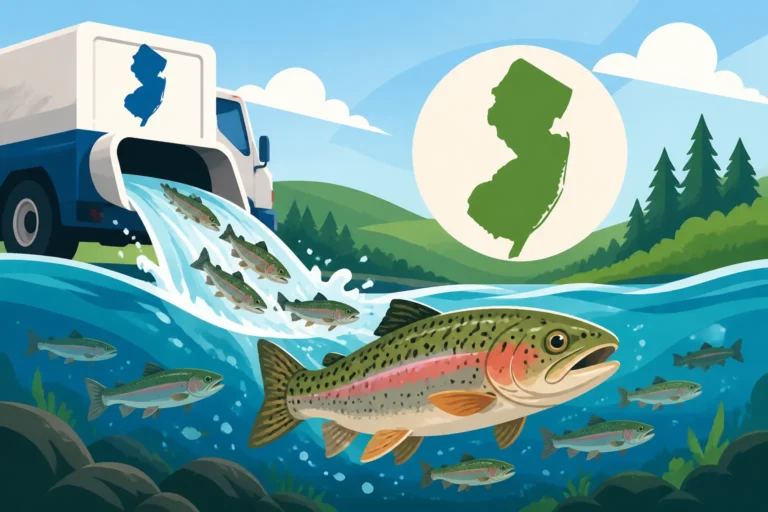
The backbone of New Jersey's walleye presence has always been its robust stocking program. For many years, the NJDFW has worked to establish and maintain walleye populations in various lakes and reservoirs. These programs are not just about dumping fish into a lake; they are scientifically driven initiatives. Biologists study water temperatures, forage base, spawning habitat, and competition with other species before deciding where and when to stock. The aim is to create sustainable fisheries that can withstand angling pressure and environmental changes.
Without these dedicated efforts, it's highly unlikely that New Jersey would have any significant walleye populations. The initial introductions paved the way, and ongoing stocking ensures their continued presence. This is particularly important because, while some natural reproduction may occur in certain systems, it often isn't enough to sustain the population at a level that provides consistent angling opportunities. The New Jersey Freshwater Fishing Regulations Every Angler Should Know outlines how these management strategies affect anglers, including specific rules for these stocked waters.
| Source of Walleye | Description | Impact on New Jersey |
|---|---|---|
| Stocking Programs | Deliberate introduction of walleye fry/fingerlings by NJDFW into suitable waters. | Primary method for establishing and maintaining walleye populations. |
| Accidental Introductions | Unauthorized releases of fish by individuals. (Illegal) | Minor, often detrimental due to disease, competition, or unsuitable habitat. |
| Upstream Migration | Movement from connecting waterways where they were previously established. | Limited factor, as most NJ waters are somewhat isolated or at the edge of natural range. |
| Habitat Adaptability | Walleye's ability to adapt to certain deep, cool, clear lakes and reservoirs. | Allows stocked populations to persist and, in some cases, naturally reproduce. |
The Role of Specific Water Bodies
Not just any lake can become a walleye haven. Walleye prefer large, deep, cool-water environments with plenty of forage fish. In New Jersey, certain reservoirs and larger lakes have proven to be ideal candidates for these stocking programs. Waters like Monksville Reservoir, Merrill Creek Reservoir, and segments of the Delaware River have become known for their walleye opportunities. These areas provide the specific conditions that allow walleye to grow to impressive sizes, much to the delight of local anglers.
It's also worth noting that the success of a stocking program isn't just about survival rates; it's about creating a quality fishery. This means fish that grow large, are healthy, and offer a good fight. Anglers often debate which waters are the "best" for walleye, but generally, the state's managed reservoirs are your most consistent bets. The New Jersey Walleye Fishing Waters post provides more specific details on where these efforts have been most successful.
Current Walleye Status and Management in New Jersey
Today, walleye are very much a part of the New Jersey angling scene, thanks to years of dedicated management. You can find robust populations in several key locations, offering thrilling opportunities for those willing to learn their habits. The NJDFW continues to play a critical role in monitoring these populations, adjusting stocking levels, and setting regulations to ensure these fisheries remain healthy and productive for generations to come.
For any angler looking to target these elusive fish, understanding the current status and management practices is crucial. It’s not a free-for-all; there are specific rules and seasons designed to protect the resource. This kind of responsible stewardship is what ensures we can keep enjoying these fisheries. It means that while the dream of a truly self-sustaining, widespread native walleye population might not be fully realized, the reality of excellent walleye fishing in select areas is very much alive.
Where to Find Walleye in New Jersey
If you're wondering where to actually go out and try your luck, there are a few standout locations. Northern New Jersey's large reservoirs are generally your best bet. Monksville Reservoir in Passaic County is a perennial favorite, known for its deep, clear waters and consistent walleye action. It offers both boat and shore access, making it approachable for many. Similarly, Merrill Creek Reservoir in Warren County, a deep, pump-storage reservoir, holds a good number of walleye, though it can be a challenging body of water to fish due to its depth and frequent wind.
Moving westward, the Delaware River also offers walleye opportunities, particularly in its deeper pools and stretches. While walleye in the river might be less concentrated than in some reservoirs, they are certainly present and can be caught by experienced river anglers. Some smaller lakes and ponds might also receive occasional stockings or hold remnant populations, but for the most consistent success, focusing on the larger, actively managed reservoirs is wise. Don't forget to check the New Jersey Fish and Wildlife Digest: Where to Find the Current Rules for the most up-to-date information on specific locations and regulations.
Regulations and Conservation Efforts
The NJDFW is always keeping a close eye on New Jersey's walleye populations, and this means regulations are in place to ensure their long-term health. These typically include minimum size limits and daily bag limits, which are designed to protect younger fish and prevent overharvesting. It's not uncommon for walleye regulations to be fairly conservative, reflecting the effort and resources invested in maintaining these fisheries.
Conservation efforts extend beyond just limits. The NJDFW continuously conducts surveys, assesses reproductive success, and evaluates the effectiveness of stocking programs. They also work to protect habitat and manage water quality, which are vital for all fish species, including walleye. For any angler, knowing and adhering to these rules isn't just about avoiding a fine; it's about being a responsible steward of the resource. You can find the specific daily bag and size limits in the New Jersey Daily Bag Limits by Species guide, which is an absolute must-read before you head out. These regulations can change, so staying informed is crucial.
Tips for Catching Walleye in New Jersey
Now that we've covered the history and where they live, let's talk about the fun part: actually catching these fantastic fish! Walleye are often called "low-light feeders" for a good reason – they tend to be most active during dawn, dusk, and especially at night. Their large, light-sensitive eyes are perfectly adapted for hunting in dim conditions. This means planning your fishing trips around these times can significantly increase your chances of success.
It's a misconception that walleye are incredibly difficult to catch, but they do require a bit more finesse and understanding of their habits compared to, say, a cooperative bluegill. They are notorious for their subtle bites, often feeling like just a slight tick or extra weight on your line. Learning to distinguish these subtle takes from the natural movement of your bait or lure is a skill that comes with practice, but it's incredibly rewarding when you hook into a solid walleye.
Best Baits and Lures for New Jersey Walleye
Walleye are opportunistic feeders, but they do have preferences. Live bait is often king, particularly for the more elusive fish. Minnows, shiners, or even nightcrawlers (fished on a worm harness) can be incredibly effective. Fished slowly along the bottom or suspended under a bobber, live bait appeals to their natural hunting instincts. Many anglers find high-quality live bait on Amazon, ensuring they have a fresh and lively offering for their quarry.
For artificial lures, jigs tipped with soft plastics or a piece of bait are incredibly versatile. Grubs, paddle-tail swimbaits, or even curly-tail worms in natural colors (green pumpkin, brown, black) or brighter options (chartreuse, orange) can trigger strikes. Blade baits, spoons, and crankbaits that dive to the proper depth are also excellent choices, especially when trolling or casting over deeper structure. When selecting lures, consider factors like water clarity, depth, and the time of day. Darker lures often work well in clear water at night, while brighter colors can stand out in murkier conditions or during daylight.
Effective Techniques for Walleye Anglers
Several techniques consistently produce walleye in New Jersey.
-
Bottom Bouncing/Jigging: This is a classic method. Using a jig head (often 1/4 to 1/2 ounce) tipped with a soft plastic or live bait, you methodically work it along the bottom. Walleye often hug structure, so keeping your offering in their strike zone is key. A slow, lift-and-drop retrieve is usually most effective. You can find a wide range of jig heads and soft plastics on Amazon to match different conditions.
-
Trolling: Especially effective in larger reservoirs like Monksville and Merrill Creek, trolling allows you to cover a lot of water and present your lure at a consistent depth. Crankbaits, stickbaits, or worm harnesses can be trolled behind a boat, often using planer boards to spread out lines. This is a great way to locate active fish. If you're new to this, checking out techniques for Trolling Techniques for New Jersey Lake Trout might give you a good starting point, as some principles overlap.
-
Night Fishing: As mentioned, walleye are often more active after dark. Fishing with glow-in-the-dark jigs, suspending stickbaits, or even still-fishing with live bait under a lantern can be incredibly productive. Just remember your headlamp and to be extra cautious on the water at night. For more specific guidance, read up on How to Catch Walleye at Night.
-
Slip Bobber Rigging: When walleye are suspended or holding in specific depths over structure, a slip bobber rig allows you to present live bait precisely. This method is particularly effective around submerged timber or rock piles. It's a fantastic way to fish from shore or a stationary boat.
Remember, patience and persistence are your best friends when targeting walleye. They can be finicky, but when you figure them out, the reward is well worth the effort.
Essential Gear for Walleye Fishing
Having the right gear makes a huge difference. You don't need to break the bank, but reliable equipment is important.
- Rod and Reel: A medium-light to medium power spinning rod, around 6'6" to 7' feet long, paired with a sensitive reel spooled with 6-10 lb test monofilament or braided line, is a great all-around setup. Sensitivity is key to feeling those subtle bites.
- Line: Monofilament offers good stretch and knot strength, while braided line provides superior sensitivity and casting distance, especially when paired with a fluorocarbon leader.
- Tackle Box Essentials: Beyond your chosen baits and lures, always have extra hooks, sinkers (walking sinkers, split shot, bullet weights), swivels, and a pair of pliers or forceps for hook removal. A good tackle box is available on Amazon and can keep your gear organized.
- Safety Gear: Especially if you're boating, don't forget life jackets, navigation lights, and a first-aid kit. Even shore anglers should carry a multi-tool and a light source.
New Jersey offers a unique walleye fishing experience, sustained by dedicated management and passionate anglers. While not historically native, these toothy predators have certainly found a home in the Garden State, providing exciting challenges and rewarding catches for those willing to pursue them.
Disclaimer
This article is for general informational purposes only and does not constitute professional advice. Laws, prices and regulations vary by location and change over time. Consult a qualified professional for guidance on your specific situation.