How Many Trout Are Stocked Each Year in New Jersey?
For any angler in New Jersey, there's a unique thrill that comes with chasing trout, and a big part of that experience is thanks to the state's incredibly robust stocking program. It's a question many of us ponder: exactly how many of those beautiful, feisty fish find their way into our local streams, rivers, and lakes each year? It can feel like a mystery sometimes, but understanding the sheer scale of this effort not only satisfies curiosity but also helps us appreciate the amazing resource we have. This guide will pull back the curtain on the New Jersey trout stocking program, diving deep into the numbers, the dedication behind them, and how it impacts your fishing adventures.
The New Jersey Trout Stocking Program: A Massive Undertaking
If you've ever cast a line into a New Jersey stream teeming with freshly stocked trout, you know the excitement firsthand. That experience isn't by accident; it's the result of a meticulously planned and executed program that ensures there's ample opportunity for everyone to enjoy trout fishing, often close to home. It’s an operation of significant scale, bringing joy to countless anglers across the Garden State.
Why Stocking is So Important for New Jersey Anglers
Let's be real, New Jersey isn't Alaska or Montana. While we do have some pockets of wild trout, especially in the colder, pristine headwaters of our northern streams, the reality is that many of our waters simply don't have the ideal conditions for trout to naturally reproduce and thrive year-round in large numbers. Our summers can get hot, stream flows can drop, and development has impacted some habitats. This is where stocking becomes an absolute game-changer. Without it, the vast majority of our trout fishing opportunities, particularly in easily accessible areas and larger bodies of water, just wouldn't exist.
The stocking program doesn't just compensate for habitat limitations; it also creates a diverse angling landscape. It means that whether you're a seasoned fly fisherman stalking wary browns or a family with young kids trying to catch their first rainbow trout on a simple worm, there's a place for you. It's about providing recreation, fostering a love for the outdoors, and sustaining a tradition that many of us cherish. It truly opens up trout fishing to everyone, regardless of their skill level or how far they're willing to travel.
The Sheer Scale of Annual Trout Stocking Operations
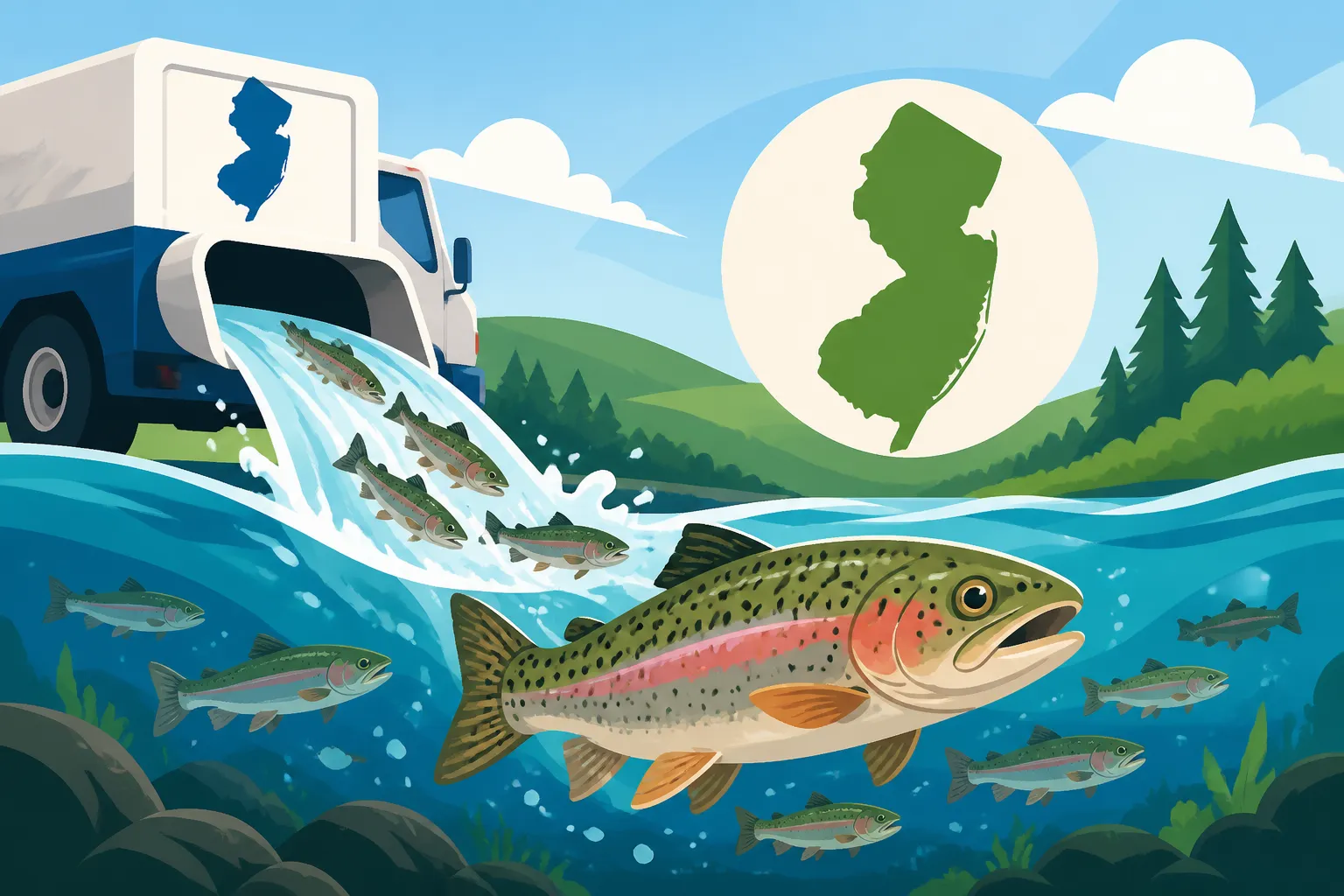
When we talk about New Jersey's trout stocking, we're not just talking about a few thousand fish here and there. This is a massive, statewide undertaking that involves hundreds of thousands of trout being raised, transported, and carefully released into over 200 lakes, ponds, and streams. Imagine the logistics involved: rearing fish in state hatcheries until they reach catchable size, then moving them in specialized trucks that ensure their health and safety, often in the dead of night or early morning to avoid traffic and crowds.
This isn't just a spring activity, either. While the spring stocking season is definitely the main event, setting the stage for opening day and continuing for weeks afterward, there's also a significant fall stocking program. This multi-season approach ensures that anglers have opportunities for fresh trout throughout much of the year, extending the fun long past the initial spring rush. It's a continuous cycle of planning, rearing, and releasing that requires an incredible amount of coordination and resources, all dedicated to enhancing the New Jersey fishing experience.
Breaking Down the Numbers: How Many Trout Are Released?
It's the question that often sparks conversation around the tackle shop or over a cup of coffee at dawn: "How many trout do you think they put in this year?" While the exact figures can fluctuate slightly based on hatchery production, budgetary considerations, and environmental factors, the overall commitment to providing abundant trout fishing remains consistently high. It’s comforting to know that this isn't a program that skimps on quantity.
The Average Annual Figures: What to Expect
On average, the New Jersey Department of Environmental Protection's Division of Fish and Wildlife releases a staggering number of trout into the state's waters each year. While I can't give you a precise, up-to-the-minute figure, you can generally expect hundreds of thousands of trout to be stocked annually. This huge number includes fish designated for both the major spring and fall stocking programs. It’s designed to ensure that even with significant angling pressure, there are plenty of fish to go around in a wide array of locations.
These aren't tiny fingerlings either. The vast majority of these stocked trout are of "catchable size," meaning they're ready to put a bend in your rod the moment they hit the water. This focus on larger fish makes the program incredibly popular and successful, as anglers don't have to wait for the fish to grow before they can enjoy the sport. The numbers are truly impressive when you consider the scope and logistical challenges of delivering healthy fish to so many different water bodies across the state.
Here's a general breakdown of the types of trout stocked and their prevalence in the program:
| Trout Species | Approximate Annual Quantity | Notes |
|---|---|---|
| Rainbow Trout | Hundreds of Thousands | Most commonly stocked, vigorous fighters, popular for general angling. |
| Brown Trout | Tens of Thousands | Stocked in good numbers, often found in larger rivers and streams. |
| Brook Trout | Thousands | Native species, stocked in smaller quantities, often in pristine waters. |
| Trophy Trout | Thousands | Larger fish (15+ inches), specifically designated for certain lakes/ponds. |
Different Species, Different Quantities
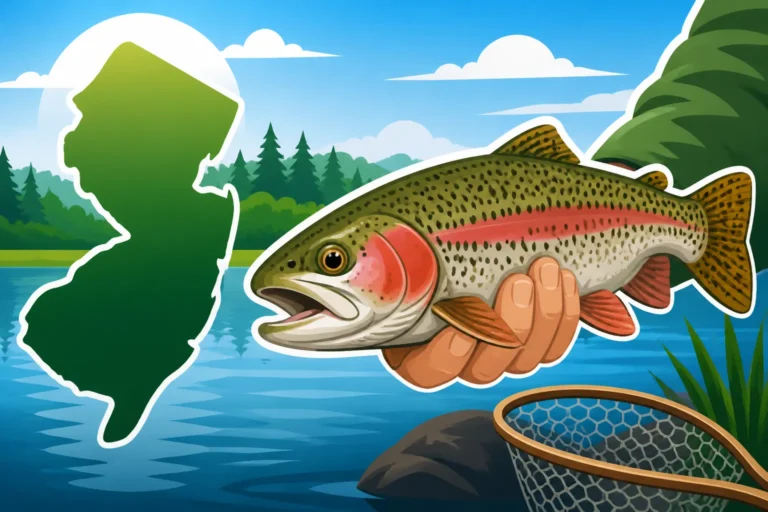
The stocking program isn't a one-size-fits-all approach; it's tailored to the species and the specific water body. Rainbow trout are undeniably the workhorses of the program. They are robust, grow quickly in hatchery conditions, and adapt well to a variety of environments once released. Their spirited fight and willingness to bite make them incredibly popular among anglers of all ages and skill levels. Consequently, they make up the largest portion of the annual stocking numbers, often accounting for the vast majority of the "hundreds of thousands" figure.
Brown trout are also stocked in significant numbers, though typically fewer than rainbows. These fish are known for being a bit more elusive and wary, offering a greater challenge, especially for fly fishermen. They tend to prefer colder, more structured environments and can be found in many of New Jersey's larger trout streams and some deeper lakes. Then there are brook trout, our beautiful native species. While they are stocked, their numbers are generally lower, often targeting specific, high-quality cold-water habitats where they have a better chance of thriving and potentially supporting some natural reproduction. The program also includes specific releases of larger "trophy" sized trout into select waters to give anglers a shot at a true lunker.
The "When" and "Where" of New Jersey Trout Stocking
Knowing that hundreds of thousands of trout are released is one thing, but understanding the rhythm of when and where they go is crucial for any successful trout fishing outing in New Jersey. It's not just a random event; it's a carefully orchestrated plan designed to maximize angling opportunities throughout the season.
Spring Stocking: The Main Event
Without a doubt, spring is prime time for trout fishing in New Jersey, and it all kicks off with the massive spring stocking program. This is the period when the vast majority of the annual trout are released. It all culminates in the much-anticipated New Jersey Spring Trout Stocking Start Date, which is practically a holiday for many anglers! Leading up to this day, and for several weeks afterward, state hatchery trucks are constantly on the move, delivering fresh trout across the state.
The energy around spring stocking is palpable. Anglers eagerly await the stocking schedules, planning their trips to hit the freshly stocked waters. This initial push, followed by weekly maintenance stockings, ensures a consistent supply of fish for weeks. It's a truly exhilarating time, where you can practically feel the excitement in the air at every stream and lake. If you’re wondering How Many Weeks Does New Jersey Stock Trout After Opening Day?, the answer is usually several, creating extended opportunities for everyone. This sustained effort allows anglers to enjoy repeated success and explore different waters as the season progresses.
Fall Stocking: A Second Chance for Anglers
Just when you thought trout season was winding down with the heat of summer, New Jersey delivers a fantastic second act: the fall stocking program. While not quite as massive as the spring effort, the New Jersey Fall Trout Stocking Dates mark another significant release of trout, often consisting of larger, more mature fish that have spent extra time growing in the hatcheries. This is a real treat for those who love fishing in cooler weather, amidst the stunning fall foliage.
Fall-stocked trout often provide some incredible fishing. The fish are usually a good Size of New Jersey's Fall Stocked Trout, and with fewer anglers on the water compared to the spring rush, it can feel like you have the place to yourself. It's an excellent opportunity to extend your trout fishing season, and many anglers find the cooler temperatures and vibrant scenery make for a particularly enjoyable experience. It's a testament to New Jersey's commitment to providing year-round angling opportunities.
Stocking Locations: Lakes, Ponds, and Streams Galore
One of the most impressive aspects of New Jersey's trout stocking program is the sheer breadth of locations that receive fish. It's not just a few major rivers; it encompasses a diverse network of water bodies. You'll find trout stocked in major lakes like Lake Hopatcong and Round Valley Reservoir, famous for their depth and diverse fisheries. But you'll also find them in countless smaller lakes and ponds that are often easily accessible for families and beginners.
Beyond stillwaters, a vast network of streams and rivers across the northern and central parts of the state receive regular trout deliveries. From the Pequest River to the Musconetcong and Rockaway, these flowing waters offer dynamic angling experiences. This wide distribution means that no matter where you are in the state, you're likely not too far from a stocked trout water. It’s important to know about New Jersey Trout Season Preseason Closure Explained for streams and rivers, but also that Trout Stocked Lakes Stay Open During New Jersey's Preseason Closure, offering continuous opportunities. This accessibility is a huge part of what makes New Jersey a fantastic place for trout anglers, creating countless possibilities for a day out on the water.
Beyond the Numbers: Making the Most of Stocked Trout
Understanding the sheer volume of trout stocked in New Jersey is just the beginning. To truly enjoy the incredible opportunities this program creates, you need to be prepared, respectful of the resource, and always mindful of the rules. It’s about more than just catching fish; it’s about the entire experience.
Preparing for a Stocked Trout Outing
When you're heading out to fish for stocked trout in New Jersey, a little preparation goes a long way. First and foremost, you absolutely need a valid New Jersey fishing license. If you're targeting trout, you'll also need a separate New Jersey Trout Stamp Requirements Explained. This stamp, often referred to as a "trout permit," is crucial because the funds generated directly support the very program that puts these fish into our waters. It's a small investment that makes a huge difference. If you’re unsure, check New Jersey Trout Stamp: Who Needs One and what the New Jersey Trout Stamp Cost for Residents and Nonresidents is.
As for gear, you don't need anything fancy to catch stocked trout. A simple spinning rod and reel combo, some light line (4-6 lb test is usually perfect), and a selection of hooks, sinkers, and bobbers will get you started. Best Bait for Opening Day Trout often includes power bait, corn, worms, or even small spinners. You can find excellent, affordable starter kits and all the necessary tackle on platforms like Amazon, making it super easy to get geared up without breaking the bank. Always make sure your tackle box is well-stocked before you head out, and consider grabbing a small net for landing fish gently. For more specific techniques, you might want to look into New Jersey Trout Fishing Techniques.
Conservation and Respect for the Resource
While stocked trout are put in our waters for us to enjoy and catch, it's vital to approach every fishing trip with a strong sense of conservation and respect. Always know the New Jersey Freshwater Fishing Regulations Every Angler Should Know, paying close attention to daily bag limits and any size restrictions that might be in place for trout. These rules are there to help manage the fishery and ensure everyone has a chance to catch fish. If you plan to release fish, handle them gently with wet hands, minimize their time out of the water, and use appropriate hooks (like circle hooks for bait fishing, where applicable) to prevent deep hooking.
Supporting the stocking program goes beyond just buying your license and stamp. It also means taking care of the environments where we fish. Pack out everything you pack in, and perhaps even pick up any litter you see around. Treat fellow anglers with courtesy and respect, especially in crowded areas that are popular after a stocking. This kind of mindful angling ensures that New Jersey's trout fishing opportunities remain abundant and enjoyable for generations to come. Your fishing adventures, from preparing your gear to the moment you reel in a beautiful rainbow, are enriched by the state’s impressive dedication to its trout population, funded by anglers like you.
Disclaimer
This article is for general informational purposes only and does not constitute professional advice. Laws, prices and regulations vary by location and change over time. Consult a qualified professional for guidance on your specific situation.