What Is the Best Bait Fish for Freshwater Predator Species?
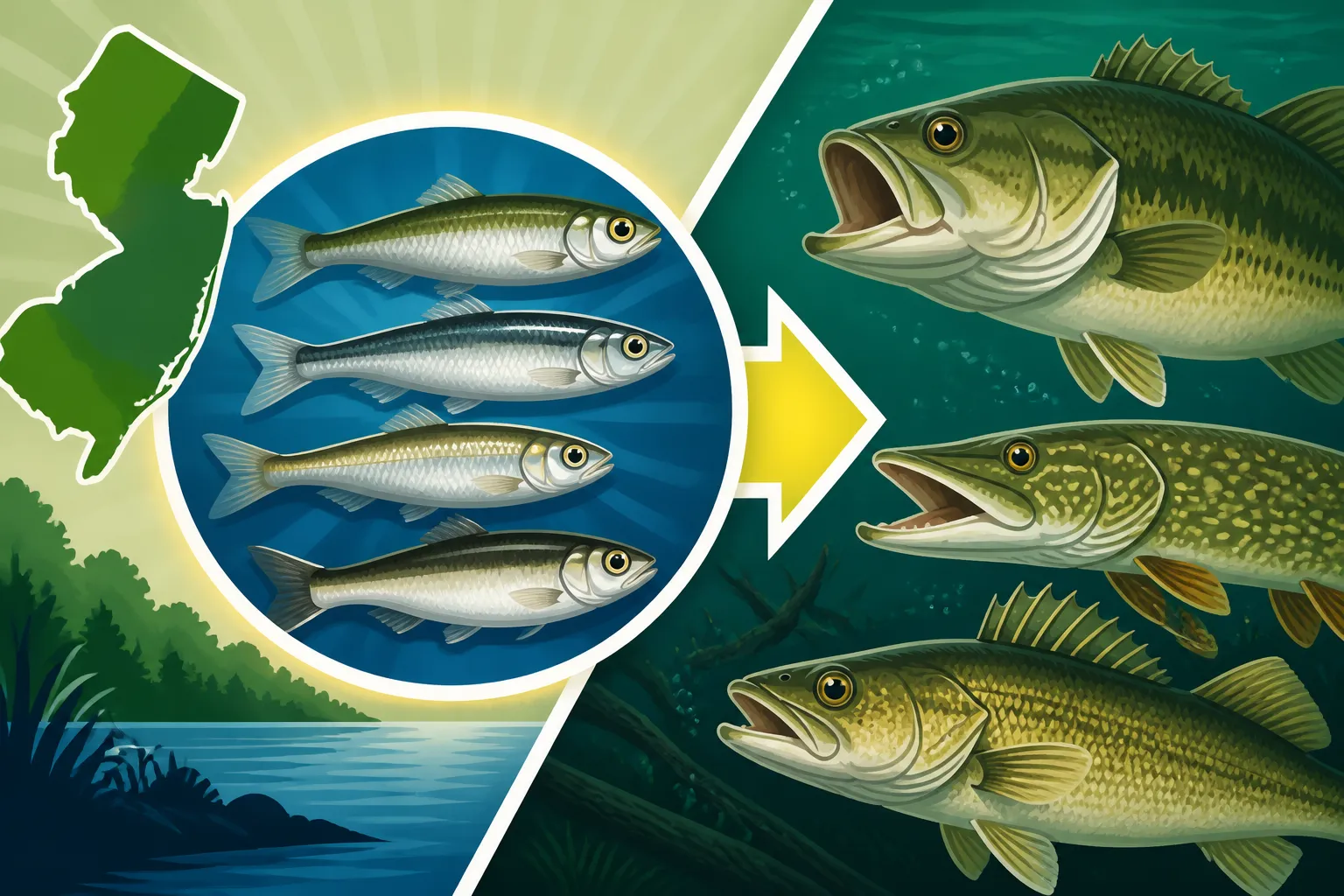
Choosing the right bait can feel like a secret handshake among anglers, and when you're targeting those elusive freshwater predator species in New Jersey, getting it right makes all the difference. It's not just about throwing a hook in the water; it's about understanding what these fish naturally crave, what gets their attention, and ultimately, what makes them commit. This guide is all about demystifying the world of bait fish, helping you pick the perfect live offering to entice those trophy bass, pike, muskie, walleye, and catfish that call our beautiful New Jersey waters home.
Understanding Predator Preferences and Natural Forage
When you're trying to fool a cunning predator, the first step is to think like one. What are they eating naturally? Where do they find their meals? This isn't just guesswork; it's about observing the local ecosystem and understanding the nuances of how different bait fish attract different types of game fish. It’s a bit like knowing the local diner menu for your target species.
Mimicking the Menu: Local Forage is Key
Every lake, river, and reservoir in New Jersey has its own unique buffet of smaller fish. A largemouth bass in a shallow, weedy pond near Medford might be accustomed to chasing fathead minnows or smaller sunfish, while a smallmouth bass in the deeper, rockier sections of the Delaware River might be feeding on shiners or sculpins. The most effective bait fish will often be those that are already part of the predator's natural diet in that specific waterbody. If you can replicate that natural forage, you're halfway to a successful hookup.
Think about it: a predator is less likely to be wary of something it regularly encounters and preys upon. This is why sometimes, the best "secret bait" isn't a fancy new lure, but rather a common bait fish that's abundant in the very waters you're fishing. It's a subtle but powerful psychological advantage. When you use something familiar, the predator's instinct to strike overrides its caution. It's also why many experienced anglers will try to net or trap a few local bait fish if allowed by regulations, just to see what the fish are truly keying in on at that moment.
Size Matters: Matching Bait to Predator
You wouldn't offer a delicate appetizer to someone expecting a hearty meal, right? The same goes for predator fish. The size of your bait fish needs to correspond not just to the size of the predator you're targeting, but also to its mouth size and how aggressively it feeds. A tiny fathead minnow might be perfect for a panfish or a smaller bass, but it's likely to be ignored or simply swallowed too easily by a large muskie or pike looking for a more substantial meal.
Conversely, offering an enormous sucker to a modest walleye might be intimidating, or simply too much effort for the payoff. Matching the hatch, as fly anglers say, applies here too. If you're after a true trophy fish, a larger bait fish can be crucial, as bigger fish often prefer bigger meals that offer more energy. This doesn't mean always going for the largest bait available, but rather selecting one that's proportionate to the average size of the game fish you expect to catch. It's a balancing act: too small and it might not be noticed or worth the effort; too large and it might be passed over.
Movement and Scent: The Irresistible Combo
Live bait fish bring two crucial elements to the table that artificial lures often struggle to replicate fully: natural movement and natural scent. A lively bait fish, swimming erratically or struggling on the hook, creates vibrations and visual cues that scream "easy meal" to a hungry predator. That frantic darting, the subtle twitching, even the panicked thrashing – these are all signals that predator fish are hardwired to respond to. This is especially true when a bait fish is hooked in a way that allows it to swim naturally and present itself as a vulnerable target.
Beyond just movement, scent plays a massive role, particularly in murkier waters or during low-light conditions. Fish possess an incredibly keen sense of smell, and the natural oils and alarm pheromones released by a distressed bait fish can draw predators from a surprising distance. This is why some anglers will intentionally 'nick' their bait fish or use cut bait from a larger specimen – to maximize the scent trail. It’s an olfactory invitation that can be impossible for a hungry fish to resist, often leading to strikes even when visual cues are limited.
Top Bait Fish Choices for New Jersey Freshwater Predators
New Jersey's freshwater systems are teeming with a variety of predator species, each with its own preferences when it comes to a live meal. Knowing which bait fish to choose for your target can significantly increase your success rate. Let's break down some of the most popular game fish and their preferred snacks.
Largemouth and Smallmouth Bass
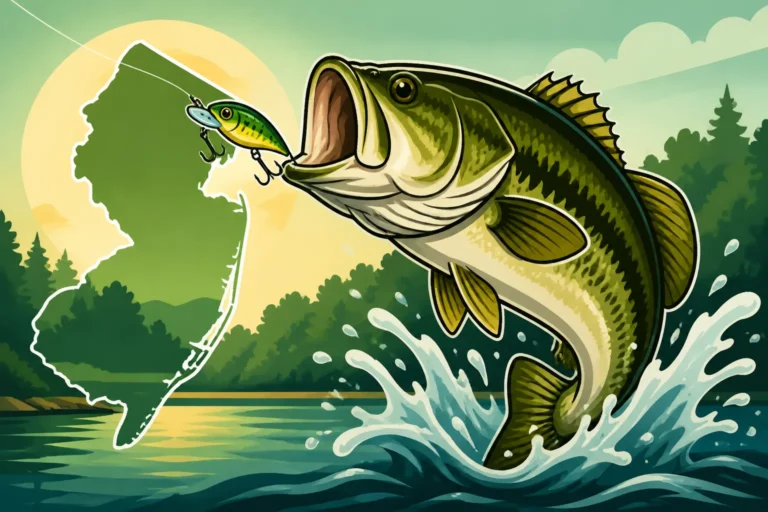
Ah, bass! These are perhaps the most popular freshwater game fish in New Jersey, and they are notoriously aggressive eaters. For both largemouth and smallmouth bass, live bait can be absolutely deadly, especially when the bite is tough, or you're after a truly large fish.
Golden Shiners: These are arguably the most classic and widely effective live bait for bass in New Jersey. Golden shiners are hardy, lively, and have a shimmering appearance that bass find irresistible. They're often found naturally in many of our state's lakes and ponds. When fishing for largemouth in weed lines or around submerged structure, a lively golden shiner free-lined or suspended under a bobber can lead to explosive strikes. For smallmouth bass, especially in clear water reservoirs or rivers, a slightly smaller shiner can be fantastic. Largemouth Bass Fishing in New Jersey offers more insights into chasing these beauties.
Fathead Minnows: While smaller than golden shiners, fathead minnows are also highly effective, particularly for smaller bass or when bass are feeding on a smaller forage base. They're common in many bait shops and very lively. They work wonders in cooler water or when bass are a bit sluggish.
Creek Chubs: These resilient little fish are native to many of New Jersey's streams and rivers. They are tough and offer a good profile, making them an excellent choice for river-dwelling smallmouth bass. Their natural habitat often overlaps with smallmouth, making them a familiar and appealing meal.
Northern Pike and Muskie
If you're targeting toothy giants like northern pike or muskellunge, you need to think big – and tough. These apex predators want a substantial meal that looks like it's worth the chase.
Suckers: Without a doubt, various species of suckers are the go-to bait for serious pike and muskie anglers. They are large, robust fish that can withstand being trolled or fished under a large float for extended periods. Their slow, deliberate movements often perfectly mimic a struggling, easy target. The size of the sucker should be proportionate to the muskie or pike you're hoping to encounter. If you're on a lake known for trophy muskie, don't be afraid to go with a sizeable sucker – sometimes 8-10 inches or more. Pike are also big fans of suckers, but will often strike smaller offerings as well. Muskie and Pike Fishing in New Jersey provides more detail on these exciting species.
Large Shiners: While suckers are preferred for their hardiness and size, very large golden shiners can also tempt pike, especially if suckers aren't readily available. They offer a good flash and plenty of action. Just ensure they are truly large enough to grab the attention of a fish that can easily hit 30-40 inches.
Perch: In some waterbodies where perch are abundant, they can also make excellent live bait for pike. However, always be mindful of local regulations regarding using game fish as bait.
Walleye
Walleye are known for their preference for minnows, and they often feed actively during low-light conditions. Their keen eyesight and sensitivity to light mean they often rely on scent and subtle movements to locate food.
Emerald Shiners: These smaller, silvery minnows are a top choice for walleye. They are very active and have a bright flash that can be appealing in deeper, darker waters where walleye often lurk. They're frequently fished on a jig, under a bobber, or trolled slowly.
Fathead Minnows: Much like with bass, fathead minnows are a reliable and readily available option for walleye, especially when rigged on a plain hook or small jig and presented slowly near the bottom. The key with walleye is often a slow, enticing presentation. New Jersey Walleye Fishing Waters goes into more depth on targeting these elusive fish.
Small Golden Shiners: These can also work effectively, particularly in larger sizes, offering that attractive flash and movement. Presentation is everything with walleye – keep it subtle and natural.
Channel Catfish
Catfish are less about chasing down a quick meal and more about using their incredibly developed sense of smell to locate food. While they'll certainly eat live bait, cut bait is often a preferred method to maximize scent dispersal.
Small Panfish (Dead or Alive): Small bluegill, sunfish, or even small shiners can be excellent for catfish. Whether live and struggling on the bottom, or cut into pieces to release maximum scent, these are natural food sources for channel cats.
Shiners: Both golden and fathead minnows can be effective for channel catfish. Fished still on the bottom or suspended just off the bottom, their movement can attract attention, and their scent trail seals the deal.
Cut Bait: While not strictly a "bait fish" in the live sense, cut pieces of shiner, panfish, or even oily saltwater fish (if legal and appropriate for freshwater use) are incredibly potent for catfish. The scent released from the freshly cut flesh is a beacon for hungry cats. Best Bait for Channel Catfish has more details on this strategy. Catfish are not picky, and sometimes the stinkier, the better!
Crappie and Panfish
For panfish like crappie, perch, and bluegill, smaller bait fish are the order of the day. These species have smaller mouths and are often found in schools.
Fathead Minnows: These are perfect for crappie, especially during cooler months when crappie are schooling up. Fished under a small bobber near submerged brush or structure, a lively fathead minnow is a crappie magnet. They're also great for yellow perch.
Small Golden Shiners: Smaller golden shiners, often referred to as "crappie minnows," can also be very effective for larger crappie or particularly aggressive perch. Their flash and movement are key attractants. New Jersey Crappie Fishing Guide will help you find these schools of panfish.
Sourcing and Keeping Your Bait Fish Alive
Having the right bait fish is only half the battle; keeping them lively and healthy until they hit the water is equally important. A dying, sluggish bait fish won't attract much attention, so proper care is paramount.
Where to Find Your Essential Bait
There are a few main ways to get your hands on bait fish in New Jersey, each with its pros and cons.
Local Tackle Shops: This is often the easiest and most convenient option. Most well-stocked tackle shops across New Jersey will carry common bait fish like golden shiners and fathead minnows, especially during peak fishing seasons. They typically source healthy bait and can offer advice on what's working locally. Prices can vary, but the convenience is hard to beat. Always call ahead to ensure they have what you need, especially for larger suckers or specific types of shiners.
Trapping Your Own: For the adventurous angler, trapping your own bait fish can be a rewarding experience – and often more cost-effective. Small minnow traps, often baited with bread or crackers, can be deployed in shallow areas of lakes, ponds, or slow-moving streams. However, it is crucial to be aware of New Jersey Freshwater Fishing Regulations Every Angler Should Know regarding bait fish collection, species restrictions, and legal methods. You might also want to check How Many Fishing Rods Can You Use at Once in New Jersey? as some regulations can apply to nets and traps. Never introduce species from one water body to another, as this can have devastating ecological consequences.
Online Retailers for Equipment: While you can't buy live bait fish from Amazon, you can certainly find all the necessary equipment to keep your bait fish healthy. Insulated bait buckets, portable aerators, and even minnow seines (again, check local regulations before use!) are readily available. Investing in quality gear from retailers like Amazon is a smart move for any angler who plans to use live bait regularly. It ensures your bait stays in top condition.
Keeping Them Healthy and Lively
Once you have your bait fish, the mission shifts to keeping them alive and kicking until they're ready for action. A healthy, lively bait fish is far more attractive to a predator than a stressed or dying one.
Aeration is Key: Oxygen is vital for bait fish survival. A battery-powered aerator in your bait bucket is practically a non-negotiable item, especially on warmer days or if you have a lot of bait. Even a small aerator circulating the water can dramatically extend the life of your bait. Without it, the fish will quickly deplete the oxygen in the water, becoming sluggish and eventually dying.
Water Temperature Control: Just like game fish, bait fish are sensitive to temperature changes. Try to keep the water in your bait bucket at a consistent and relatively cool temperature. In summer, this might mean adding a few ice packs (being careful not to shock the fish with too cold water or introduce chlorinated ice). In winter, protect them from freezing. Many bait buckets come with insulated liners for this very purpose. Avoid drastic temperature swings; a sudden change can quickly kill your bait.
Spacious and Clean Bait Buckets: Don't overcrowd your bait. Too many fish in too little water, even with aeration, will lead to stress and quick mortality. A good rule of thumb is to allow enough space for them to swim freely. Regularly change the water if it starts to get murky or foamy, especially if you don't have an aerator. Fresh, clean water is essential. You can find excellent durable, insulated bait buckets online from places like Amazon that will make this task much easier.
Ethical and Legal Considerations for Using Bait Fish in New Jersey
Using live bait fish is an incredibly effective fishing method, but it comes with a significant responsibility. Anglers in New Jersey must adhere to strict regulations designed to protect our aquatic ecosystems. Ignoring these rules isn't just illegal; it can cause irreversible damage.
New Jersey Regulations: Know Before You Go
Before you even consider putting a live bait fish on your hook, you absolutely must consult the current New Jersey Freshwater Fishing Regulations Every Angler Should Know. These regulations are updated annually and cover a wide range of topics, including:
- Allowed Bait Fish Species: Not all fish can be used as bait. Some species are protected, or their use as bait is prohibited due to disease concerns or invasive potential. Ignorance is not an excuse.
- Source of Bait: There are often rules about where you can collect bait fish and whether you can transport them between different bodies of water. For example, using bait fish caught from one lake in another lake is generally a big no-no because of the risk of spreading disease or invasive species.
- Size and Quantity Limits: Just like with game fish, there might be limits on the size or number of bait fish you can possess or use.
- Methods of Collection: If you plan to trap your own bait, there are specific legal methods (e.g., minnow traps, seines) and restrictions on their use.
The best practice is to always carry a copy of the current New Jersey Fish and Wildlife Digest (available online or at license vendors) and review it before each trip. This document is your ultimate guide and will clarify any ambiguities. New Jersey Fish and Wildlife Digest: Where to Find the Current Rules is a great resource.
Avoiding Invasive Species: A Critical Responsibility
This is perhaps the most critical ethical and legal consideration when using bait fish. New Jersey's aquatic ecosystems are constantly under threat from invasive species. These non-native organisms can outcompete native fish, introduce diseases, and drastically alter habitats, often with devastating effects.
Never Release Unused Bait: This is the golden rule. If you have unused bait fish at the end of your trip, do not simply dump them into the lake, river, or stream. Even if you caught them from that same waterbody, there's a risk they could carry pathogens or parasites that could be spread. Dispose of unused bait in the trash, far away from the water's edge.
Do Not Transport Bait: Never transport live bait fish from one waterbody to another. This is how invasive species like northern snakeheads or virulent diseases can spread rapidly. If you catch bait fish in one lake, use them only in that lake. If you buy bait from a tackle shop, inquire about its source and use it responsibly. The introduction of Invasive Fish Species Found in New Jersey Waters can severely harm our fishing future. The consequences of accidentally introducing an invasive species are far-reaching and incredibly difficult to reverse.
Proper Handling and Release (Even for Bait)
While bait fish are intended to be eaten, responsible anglers also practice ethical handling. If a bait fish is clearly too injured to be used effectively, it's more humane to dispatch it quickly than to let it suffer on a hook. Additionally, if you're using larger bait fish and your target species simply isn't biting, consider carefully releasing any unused healthy bait back into the water from which they were caught (if permitted by regulation and if they show no signs of distress).
It's all part of being a good steward of our natural resources. Understanding the fish, respecting the environment, and adhering to the rules ensures that New Jersey's freshwater fishing remains vibrant for generations to come.
Freshwater Predator Bait Fish Comparison
To help you quickly decide, here's a rundown of common New Jersey freshwater predator species and the live bait fish they often can't resist. Remember to check local regulations before using any specific bait!
| Predator Species | Preferred Live Bait Fish | Ideal Size Range | Key Characteristics of Bait |
|---|---|---|---|
| Largemouth Bass | Golden Shiners, Fathead Minnows, Creek Chubs | 3-6 inches | Lively, shimmering, natural forage |
| Smallmouth Bass | Golden Shiners, Emerald Shiners, Stonecats | 2-5 inches | Active, slender, often found in rivers |
| Northern Pike | Suckers, Large Shiners, Perch | 5-10 inches (or larger for trophy) | Robust, slow-moving, substantial meal |
| Muskie | Suckers, Large Golden Shiners | 8-12 inches (trophy hunters go bigger) | Very hardy, large profile, long-lasting |
| Walleye | Emerald Shiners, Fathead Minnows, Small Golden Shiners | 2-4 inches | Active, subtle flash, scent important |
| Channel Catfish | Small Panfish (dead or alive), Shiners | 2-5 inches | Scent highly attractive, cut bait works |
| Crappie / Panfish | Fathead Minnows, Small Golden Shiners | 1-3 inches | Very active, small profile for smaller mouths |
Disclaimer
This article is for general informational purposes only and does not constitute professional advice. Laws, prices and regulations vary by location and change over time. Consult a qualified professional for guidance on your specific situation.