Do Kids Need a Fishing License in New Jersey?
It can be incredibly confusing trying to figure out all the rules and regulations around fishing in New Jersey, especially when you're trying to introduce kids to the sport. You want to do everything by the book, but sometimes the guidelines feel like they're written in another language! One of the most common questions I hear from parents and guardians is whether their little ones, or even their teenagers, need their own fishing license. This guide is going to clear up all that confusion, walking you through exactly when a child needs a license and what other regulations you should be aware of to ensure a fun, legal, and stress-free fishing trip with the younger generation.
The Basic Rule: Age Exemptions for Young Anglers in New Jersey
Let's cut right to the chase because this is usually the main point of confusion. New Jersey, thankfully, has a very clear and generous age exemption for fishing licenses. It's designed to encourage youth participation in the outdoors, which is something we can all get behind! However, like many regulations, there are a few nuances that are absolutely crucial to understand so you don't accidentally run afoul of the law, even with the best intentions.
The Magic Number: When a License Becomes Necessary
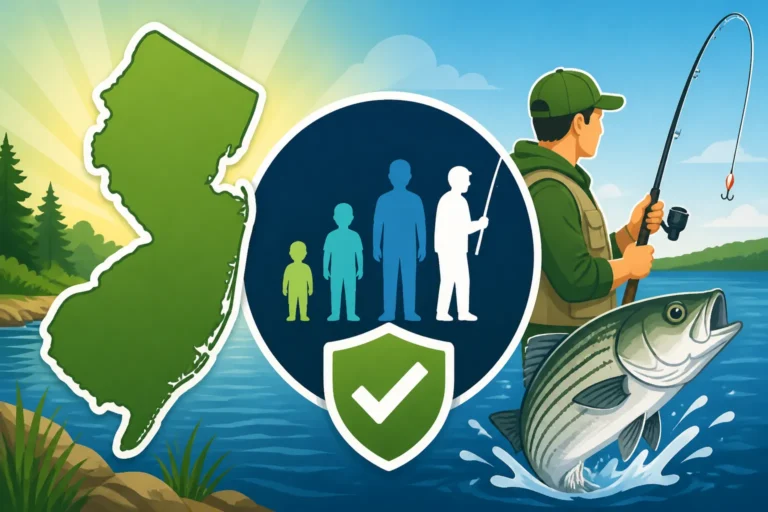
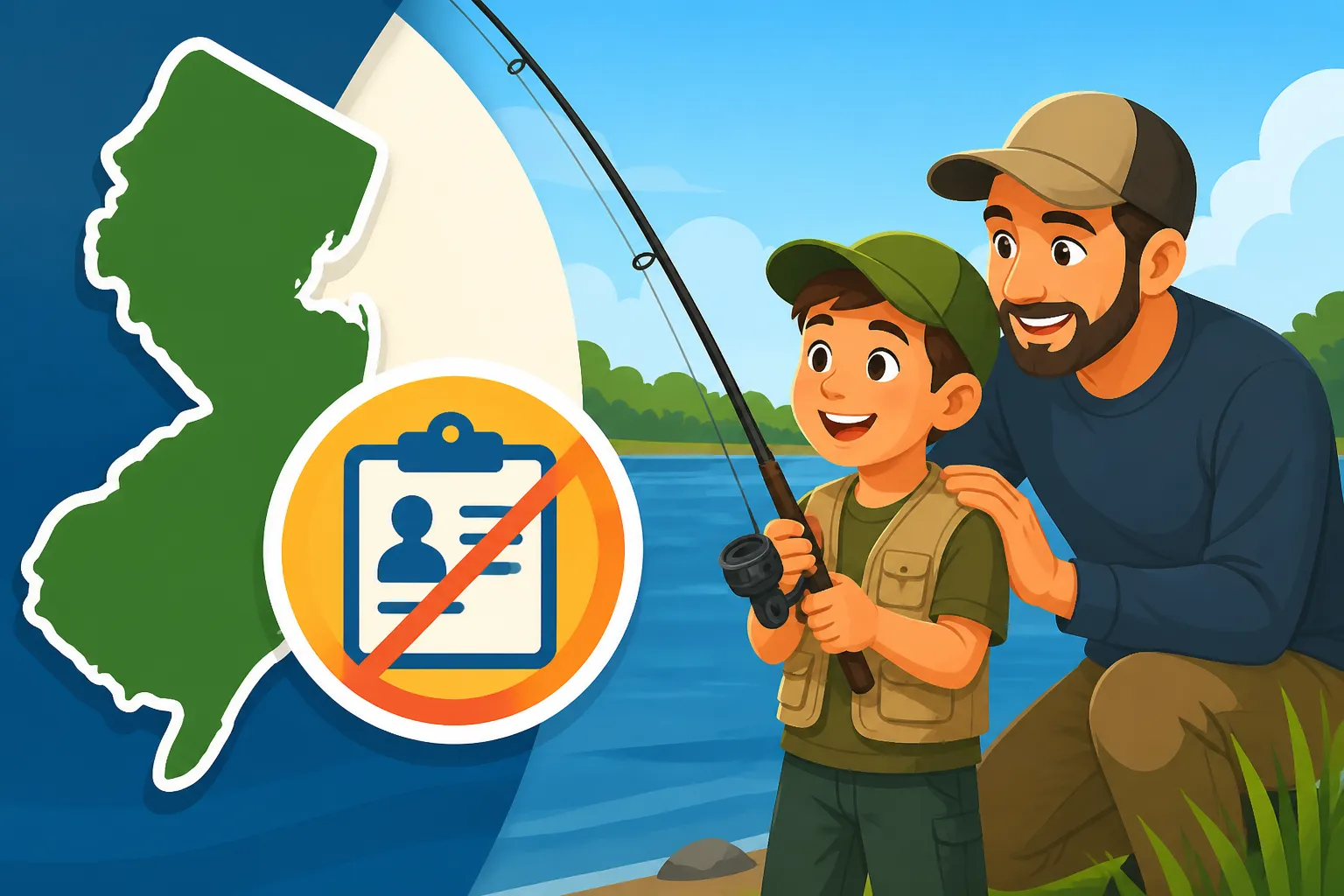
In the Garden State, any angler under the age of 16 does NOT need a fishing license to fish in freshwater or saltwater. That's right, your little ones, from toddlers just dipping a line for sunnies to teenagers perfecting their cast for bass, can fish without a state-issued license until their 16th birthday. This is fantastic news for families because it removes one less hurdle to getting out on the water. Imagine the joy of taking your 10-year-old out to their favorite pond without having to worry about an extra purchase. It really simplifies things and allows you to focus on the fun of teaching them to cast or bait a hook. This exemption applies whether they're fishing from the shore, a dock, a private boat, or even a rental rowboat.
However, once a child turns 16, they are considered an adult in the eyes of New Jersey's fishing regulations and must purchase a valid New Jersey Fishing License Guide for 2026. This transition often catches parents off guard, especially if they've been fishing with their child license-free for years. It's a good idea to mark that 16th birthday on your calendar as a reminder to get them their first license.
Understanding the "Why" Behind the Age Limit
You might wonder why 16 is the cutoff. Many states use similar age benchmarks, and it often correlates with other legal ages, such as driving or working. From a regulatory perspective, it's a balance. The state wants to encourage youth to engage with nature and develop a love for fishing without imposing financial burdens too early. By exempting younger anglers, they make the sport more accessible. Once they reach 16, it's assumed they are old enough to understand the importance of contributing to conservation efforts, which is primarily what fishing license fees support. Think of it as their official entry into the community of responsible anglers who help fund the very resources they enjoy.
This age limit also simplifies enforcement for New Jersey Conservation Police and License Checks. They don't have to verify ages for every minor, making their job more efficient while still ensuring that revenue is collected from adult anglers to maintain the state's robust fishing programs. It's a system designed with both accessibility and sustainability in mind, allowing the sport to thrive for generations.
The Saltwater Exception: A Different Set of Rules (But Not Really for Kids)
Here’s where a lot of people get tripped up. While the age-16 rule for fishing licenses is clear for both freshwater and saltwater, New Jersey has a unique requirement called the New Jersey Saltwater Registry Explained. This is NOT a license, but a mandatory, free registration for anyone 16 years or older who fishes in marine waters.
The good news for kids is that if they are under 16, they do not need to register for the New Jersey Saltwater Registry Program Requirements either. So, the "under 16, no license, no registration" rule holds true for both fresh and saltwater endeavors. It’s only when they hit that milestone birthday that they need to grab an annual fishing license for freshwater activities and register for the free saltwater registry if they plan on hitting the coast for some fluke or striped bass. This distinction is vital for adult anglers, and it's something parents of soon-to-be-16-year-olds should be aware of, especially if their kids are avid surf fishermen or frequent the bays. The New Jersey Saltwater Registry Is Free to Join, but skipping it if you're 16 or older can still lead to penalties.
Why These Rules Are in Place: More Than Just Bureaucracy
Sometimes, it feels like regulations are just arbitrary hurdles put in our way. But when it comes to fishing licenses and registrations, there's a real, tangible purpose behind every rule. These guidelines are the backbone of a sustainable and thriving fishing environment here in New Jersey. Understanding why they exist can often make them feel less like an inconvenience and more like a collective responsibility.
Conservation Efforts and Future Generations
At its heart, the requirement for fishing licenses and the saltwater registry is all about conservation. The fees collected from annual fishing licenses directly fund critical programs managed by the New Jersey Division of Fish and Wildlife. These programs include fish stocking – think all those beautiful trout released into rivers and lakes each spring – habitat restoration projects, scientific research on fish populations, and the management of public access sites. Without these funds, our beloved fishing spots would quickly deteriorate, and fish populations could dwindle.
When your child fishes without a license, it's because the state wants them to experience the joy of the sport, hoping they'll become passionate about it. When they turn 16 and purchase their first license, they're not just buying a piece of paper; they're actively investing in the future of fishing in New Jersey. They're contributing to ensuring that future generations, perhaps even their own kids someday, will have abundant opportunities to cast a line and make memories. It’s a direct link between angler participation and the health of our aquatic ecosystems.
Funding Our Fisheries: Where License Fees Go
Have you ever wondered where the money from those fishing licenses actually goes? It's not just disappearing into some black hole. These funds are specifically earmarked for fish and wildlife management. This includes salaries for biologists who monitor fish health and populations, conservation officers who patrol our waterways and ensure fair play, and staff who manage the trout hatcheries that produce hundreds of thousands of fish each year.
For instance, the money helps maintain facilities like the Pequest Trout Hatchery and Natural Resource Education Center, which is responsible for stocking hundreds of thousands of trout across the state annually. It also supports important research on species like striped bass and fluke, helping to inform the bag and size limits that protect these valuable resources. So, while it might feel like a minor expense when you Where and How to Buy a New Jersey Fishing License, that fee actually directly translates into more fish, healthier waters, and better access for everyone. It's a cycle of investment that keeps our waters vibrant and productive.
Encouraging Youth Participation and Education
One of the most heartwarming reasons behind the age exemption for kids is the state's clear commitment to fostering a love for fishing in the younger generation. Think about it: if every parent had to buy a license for their 5-year-old just to dangle a worm, many might hesitate. By removing that financial barrier, New Jersey makes it incredibly easy for families to introduce children to the outdoors.
This policy aligns perfectly with programs like the New Jersey Youth Fishing Programs and License Waivers, which aim to get more kids involved through educational events and fishing derbies. The idea is to hook them young, teach them about responsible angling, and hope that they become lifelong stewards of our natural resources. It’s an investment in environmental education and healthy outdoor recreation. When a child experiences the thrill of catching their first fish, or the peacefulness of sitting by a lake, they develop a connection to nature that can last a lifetime. These early, license-free experiences are critical for sparking that initial interest.
Specific Scenarios and Common Questions for Families
Even with the basic rules down, specific situations can still throw a wrench into things. Fishing isn't a one-size-fits-all activity, and how you fish, where you fish, and with whom can sometimes add layers of complexity. Let's tackle some of those common questions parents and guardians face when planning a fishing outing with kids.
Fishing with an Adult: Does It Change Anything?
This is a really common point of confusion. Many parents wonder if their child, even if under 16, needs a license if they (the adult) have one. The answer is simple: no, it does not change anything. The age exemption for children under 16 is absolute. It doesn't matter if they are fishing alongside an adult who has a license or if they are on their own (though obviously, supervision is always recommended for safety).
So, if you, as an adult, have your valid New Jersey Fishing License Guide for 2026, and your 12-year-old is fishing right next to you, your child still does not need a license. This applies whether you're at a local park pond, crabbing from a dock, or trolling for striped bass in Barnegat Bay. The rule is based solely on the child's age, not on the licensing status of accompanying adults. This means you can confidently bring your whole family to enjoy the outdoors, knowing that as long as the kids are under 16, they're good to go on the licensing front. Just remember, you as the adult need to be licensed!
Party Boats and Charters: Who Needs What?
Taking a party boat or private charter out onto the ocean is a fantastic way to introduce kids to saltwater fishing. These vessels often go after species like fluke, sea bass, and even tuna. The good news here is that the age 16 rule still applies. If your child is under 16, they do not need their own fishing license or to register for the New Jersey Saltwater Registry, even when fishing on a charter or party boat.
The vessel itself, whether it's a large party boat like the Miss Belmar Princess or a smaller private charter out of Cape May, operates under a specific federal or state permit that covers its passengers for general fishing activities. However, it's always a good idea to confirm with the specific charter company when booking, just to be absolutely certain of their individual policies. Most will reiterate the state's under-16 exemption. For adults, remember your New Jersey Saltwater Registry Explained is essential for these trips, and if you're not a resident, you might need to consider a New Jersey Nonresident Annual Fishing License Requirements. For the kids though, it's typically smooth sailing.
When You Might Need a Trout Stamp (Even for Kids)
This is a niche, but important, detail that can trip up even experienced anglers. New Jersey has a separate requirement for a New Jersey Trout Stamp Requirements Explained if you plan on fishing for or possessing trout in "designated trout waters" or during specific trout seasons. The main freshwater fishing license alone doesn't cover trout.
Now, for kids under 16, the rule is the same: they generally don't need a trout stamp. BUT, there's a subtle caveat some interpret differently. While they don't need the actual stamp purchased, some local regulations or specific events (like certain private trout ponds) might have slightly different rules, or they might be expected to follow the adult rules for possession even without the stamp itself. The most common advice is that if a child under 16 is fishing in designated trout waters and intends to keep trout, they are covered by the age exemption just like with a regular license. However, always double-check the latest New Jersey Freshwater Fishing Regulations Every Angler Should Know, especially if you're heading to a specific trout-stocked lake or stream. It's rare for kids to need one, but being aware of the trout stamp distinction for adults helps clarify the larger regulatory picture.
Beyond the License: Other Important Considerations
While the fishing license is often the first thing people think about, it's just one piece of the puzzle. Responsible angling, especially when teaching children, involves understanding a broader set of rules and ethical practices. These considerations ensure that our fisheries remain healthy and that everyone has a positive experience on the water.
Bag and Size Limits: Teaching Responsible Angling Early
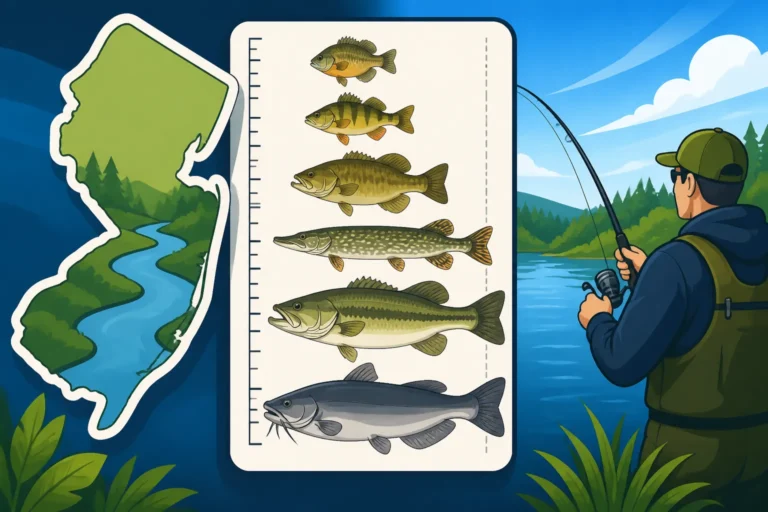
Even if your child doesn't need a license, they are still absolutely bound by all the New Jersey Fishing Season Dates and Closures, as well as the bag and size limits for specific species. This is not negotiable. If you're out chasing fluke and the size limit is 18 inches, your 10-year-old can't keep a 16-inch fluke just because they don't have a license. The rules apply to everyone fishing, regardless of age or license status.
This is actually a fantastic opportunity to teach children about conservation and responsible angling. Explaining why we have limits – to protect fish populations and ensure they can reproduce – helps them understand the bigger picture. It teaches them patience and the importance of releasing undersized fish gently. You can find detailed information on these limits in the annual New Jersey Fish and Wildlife Digest or online. For example, understanding the New Jersey Striped Bass Slot Limit Explained or the New Jersey Fluke Size and Bag Limits Explained is crucial for any angler, young or old. Teaching them to measure fish and understand when to release is a valuable lesson that goes far beyond just catching dinner.
New Jersey's Saltwater Registry: A Free, Mandatory Step
We touched on this earlier, but it bears repeating due to its common misunderstanding. For any angler aged 16 or older, if they plan to fish in saltwater, they must register with the New Jersey Saltwater Registry. As mentioned, it's completely free, and it's how New Jersey collects vital data on recreational saltwater fishing activity. This data is critical for managing fish stocks effectively and ensuring federal compliance.
Even if your newly 16-year-old plans to fish for a single day on the beach or from a pier, they need to register. It's a quick online process and doesn't cost a dime. Think of it as a crucial reporting tool that benefits everyone who enjoys our marine resources. While kids under 16 are exempt, it's a good habit for them to learn about and something they'll need to do the moment they hit that magical 16-year mark. It's a foundational piece of understanding Freshwater vs Saltwater Fishing Rules in New Jersey.
Local Park Rules and Private Ponds
State regulations cover most public waterways, but it's important to remember that local rules can also apply. Many municipal parks or county recreation areas in New Jersey have their own specific regulations regarding fishing, even on waters that are otherwise open to the public. These might include rules about bait restrictions, specific fishing hours, or even a requirement for a local permit in addition to any state license.
For example, some New Jersey State Park Ponds Stocked With Trout might have unique access points or rules that you wouldn't find in the statewide digest. If you're fishing a private pond or lake, owned by an individual or an association, those rules might supersede state regulations entirely, or at least add additional requirements. Always check with the property owner or local park authority before you go. A quick search online for "fishing rules [park name] New Jersey" can save you a lot of hassle. It's about respecting the land and water, no matter who owns it.
| Age Group | Freshwater License Required? | Saltwater Registry Required? | Trout Stamp Required (if fishing for trout)? |
|---|---|---|---|
| Under 16 | No | No | No |
| 16-69 | Yes | Yes | Yes (if fishing for trout) |
| 70+ | No (exemption applies) | Yes | No (exemption applies if also license exempt) |
Note: Anglers aged 70 and older are exempt from the freshwater fishing license requirement but still need to register for the free saltwater registry if fishing in marine waters. Fishing License Exemptions for Anglers 70 and Older in New Jersey
Making Fishing Fun and Accessible for Kids
Beyond the regulations, the real goal is to make fishing an enjoyable, educational, and accessible activity for kids. If you want them to love it as much as you do, it's about setting them up for success, both in terms of gear and experience. There's nothing quite like seeing a child's face light up when they feel that first tug on the line!
Gear for Young Anglers: Keeping It Simple and Engaging
One of the biggest mistakes parents make is outfitting kids with overly complicated or heavy fishing gear. For beginners, simplicity is key. A basic spinning rod and reel combo that's appropriate for their size and strength is ideal. Look for shorter rods (around 4 to 5 feet) with a lightweight spinning reel pre-spooled with 6-8 pound test line. Brands like Ugly Stik, Zebco, or Shakespeare make excellent, durable, and affordable kids' combos that you can easily find on Amazon. You don't need anything fancy – just something easy to hold, cast, and manage.
Start with simple bait rigs: a small hook, a sinker, and a bobber. Worms, corn, or even hot dogs work wonders for panfish like sunfish and perch, which are plentiful in many New Jersey lakes and ponds. The key is to get them catching fish quickly to keep their interest. Nothing discourages a young angler faster than hours of no bites. Consider a simple tackle box with just a few essentials: extra hooks, bobbers, a small pair of pliers, and perhaps a small stringer or bucket for any keepers. You can find some fantastic starter kits for kids on Amazon that include everything they'll need to get started.
Educational Opportunities and Youth Programs
New Jersey offers a wealth of resources for young anglers. The Division of Fish and Wildlife frequently hosts clinics, workshops, and youth fishing days. These events are fantastic for kids because they provide hands-on learning, often with experienced mentors, and sometimes even loaner gear. These are often great chances to learn about different fish species and responsible handling practices. Keep an eye on the state's official Fish and Wildlife website for announcements about upcoming events, especially around the New Jersey Free Fishing Day Dates for 2026.
Beyond formal programs, make every fishing trip an educational experience. Talk about the fish you're targeting, their habitat, and why certain baits or lures work. Teach them how to identify different species, like distinguishing a largemouth bass from a smallmouth, or a rainbow trout from a brown trout. This fosters curiosity and a deeper appreciation for the natural world. Reading the New Jersey Fish and Wildlife Digest together can also be an excellent way to learn about the state's fishing opportunities and regulations.
Leveraging Free Fishing Days for Family Adventures
New Jersey offers two "Free Fishing Days" each year, typically in the spring and fall. These days are absolutely perfect for families, as they allow everyone – regardless of age or residency – to fish in freshwater without needing a license or a trout stamp. It's an incredible opportunity to try out a new spot, introduce a friend to fishing, or simply enjoy a hassle-free day on the water.
These days are designed to promote fishing and outdoor recreation, and they eliminate any lingering doubts about who needs what paperwork. While kids under 16 are usually exempt anyway, these days mean that you as an adult can also fish without purchasing your annual license, making it a truly free experience for the whole family. Many communities and state parks often host special events or clinics on these days. It’s a wonderful way to enjoy the New Jersey's Best State Park Ponds for Family Fishing or explore a new stream without the upfront commitment of a license purchase. It's a great "trial run" for those considering getting into fishing more regularly. You can even find some basic, affordable fishing poles on Amazon to outfit the entire family for these free days without breaking the bank.
Disclaimer
The information provided in this guide is for general informational purposes only and is subject to change. While we strive to provide accurate and up-to-date information, fishing regulations in New Jersey can change seasonally or annually. Always consult the official New Jersey Department of Environmental Protection (NJDEP) Division of Fish and Wildlife website or the most current edition of the New Jersey Fish and Wildlife Digest before heading out on any fishing trip to ensure full compliance with all laws and regulations.