New Jersey Freshwater Fish Size Chart 2026
Ever found yourself reeling in a beautiful fish in one of New Jersey's serene freshwater lakes or rivers, only to pause, rod still bent, wondering if it's actually legal to keep it? It's a common angler's dilemma, full of second-guessing and a frantic search for the regulations. Nobody wants to accidentally break the rules, especially when fishing for enjoyment and conservation. This comprehensive guide is here to clear up that confusion, providing you with a clear New Jersey freshwater fish size chart, ensuring you know exactly what to keep and what to release for a worry-free day on the water.
Understanding New Jersey's Freshwater Fishing Regulations in 2026
Fishing regulations in New Jersey, particularly for freshwater species, are meticulously designed by the Division of Fish and Wildlife to manage fish populations, ensure sustainability, and provide quality angling opportunities for everyone. These rules aren't just arbitrary numbers; they're based on scientific data regarding fish life cycles, reproductive success, and population health. For the 2026 season, while minor adjustments are always possible, the core structure of these regulations is expected to remain consistent with current conservation efforts. This stability helps anglers plan, but it's always smart to double-check the latest official digest.
The Importance of Size and Bag Limits
Let's be honest, sometimes it feels like the state is just trying to make it harder to catch a meal, right? But size and bag limits are actually critical tools for maintaining healthy fisheries. Size limits, for example, ensure that fish have a chance to grow to maturity and spawn at least once, contributing to the next generation before they can be harvested. This is especially vital for species like bass and trout, which are popular targets and susceptible to overfishing if not managed properly. If everyone kept every small fish they caught, we'd quickly deplete the breeding stock, leading to fewer fish for everyone in the long run.
Bag limits, on the other hand, prevent an individual angler from taking an excessive number of fish, spreading the harvest among more people and preventing localized depletion. Imagine a hot spot where anglers could keep dozens of fish a day – that spot would be fished out in no time. By limiting the number, the state helps ensure there are enough fish in the water for all anglers, throughout the entire season. These limits are part of the larger framework of how bag and size limits work in New Jersey, a system designed to balance recreational opportunity with ecological responsibility. They protect vulnerable species and allow robust populations of others to thrive, making New Jersey a fantastic place to fish year after year.
Where to Find the Most Up-to-Date Information
So, where do you go for the absolute latest, rock-solid information? Your primary source should always be the official New Jersey Division of Fish and Wildlife website, or their annual Fish and Wildlife Digest. This digest is a comprehensive guide to all regulations, seasons, and limits, and it's released annually, usually in late winter or early spring, well before the main fishing seasons kick off. You can often pick up a physical copy at bait and tackle shops, sports goods stores like Cabela's, or download a PDF version directly from the state's website. Being familiar with reading the New Jersey Fish and Wildlife Digest is crucial for any angler, as it contains all the specifics you need.
It's also a good idea to keep an eye on official announcements for any in-season regulation changes. While less common for freshwater, unforeseen circumstances can sometimes lead to emergency adjustments. Having the current digest, either printed or on your phone, and checking for updates before you head out, is your best defense against inadvertently breaking a rule. Many anglers even carry a small, laminated version of the rules, or keep a digital copy handy on their smartphone, which you can easily purchase or print yourself.
Key Freshwater Species: 2026 Size and Bag Limits
Navigating the specifics can feel like a chore, but it's part of being a responsible angler. Here's a breakdown of the anticipated 2026 size and bag limits for some of New Jersey's most popular freshwater game fish. Remember, these are based on current patterns and are highly likely to be the same for 2026, but always verify with the official digest.
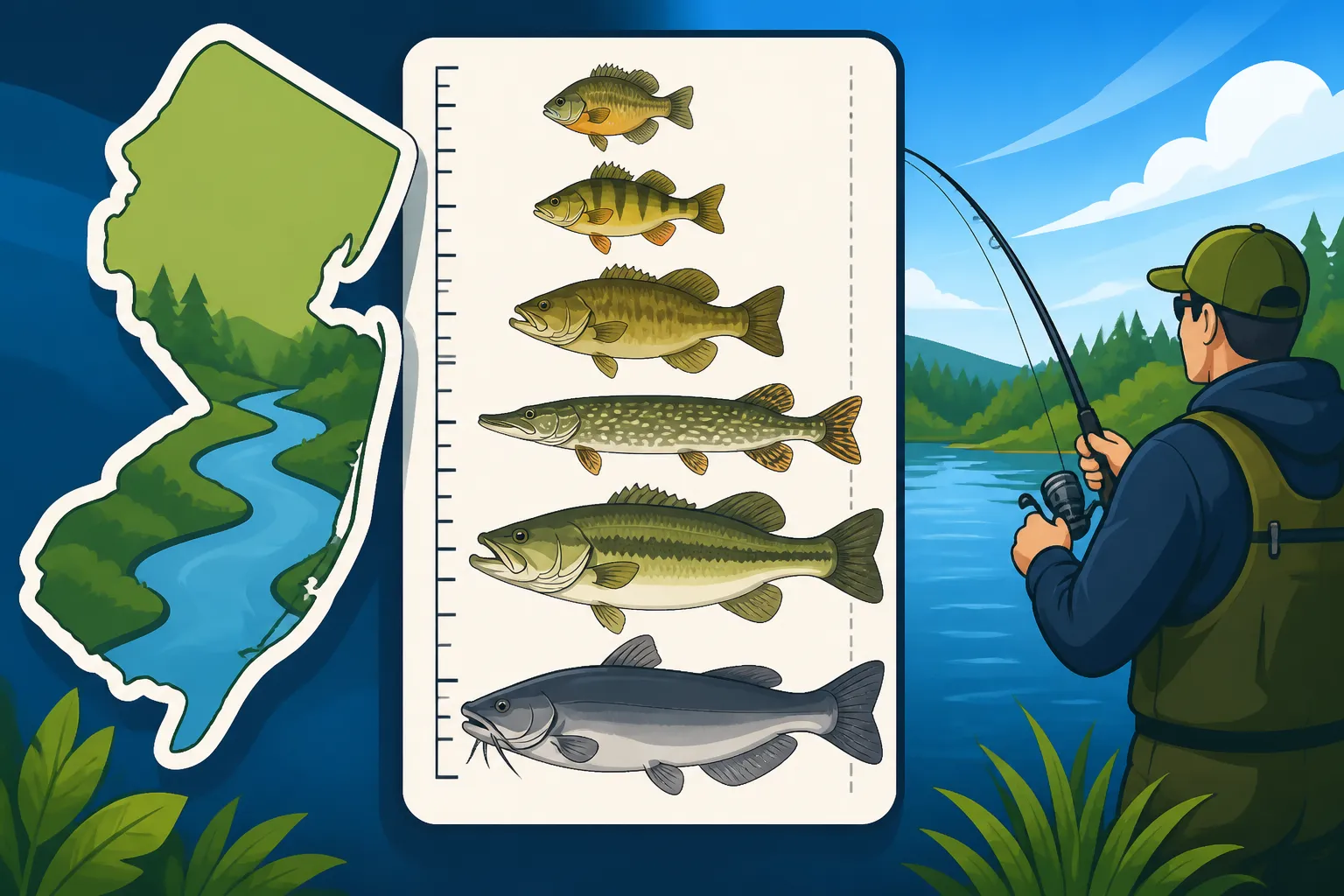
Here's a quick reference table for some of the most commonly targeted freshwater species in New Jersey, with their likely 2026 regulations:
| Fish Species | Minimum Size Limit (Inches) | Daily Bag Limit | Notes |
|---|---|---|---|
| Trout (Brook, Brown, Rainbow) | 9 inches (for most waters) | 4 (April 1 to May 31) | Special regulations apply to designated trout conservation areas. |
| 2 (June 1 to March 31) | |||
| Largemouth Bass | 12 inches | 5 | Some waters may have higher minimums or slot limits. |
| Smallmouth Bass | 12 inches | 5 | Some waters may have higher minimums or slot limits. |
| Pickerel (Chain) | 18 inches | 5 | |
| Northern Pike | 24 inches | 2 | |
| Muskellunge / Tiger Muskellunge | 36 inches | 1 | Extremely rare and protected; catch and release encouraged. |
| Walleye | 18 inches | 3 | |
| Crappie (Black/White) | None (statewide) | 25 | Local regulations may vary. |
| Yellow Perch | None (statewide) | 25 | Local regulations may vary. |
| Channel Catfish | None (statewide) | 15 |
Please note: This table summarizes general regulations. Always consult the official New Jersey Fish and Wildlife Digest for the most current and specific regulations for the water body you intend to fish, as certain lakes, rivers, or specific programs may have unique rules.
Trout: A Staple of New Jersey's Cold Waters
Trout fishing is a truly special experience in New Jersey, with designated trout streams and lakes providing fantastic opportunities, especially during the spring stocking season. For Brook, Brown, and Rainbow Trout, the statewide general minimum size limit is typically 9 inches, with a daily creel limit of 4 fish from April 1 to May 31, and then it usually drops to 2 fish from June 1 through March 31. This split season reflects the intensity of the spring trout program and the shift to sustaining populations later in the year.
However, it's vital to remember that not all trout waters are equal. New Jersey has specific "Trophy Trout Lakes" and "Trout Conservation Areas" that come with their own unique rules, often involving higher minimum size limits or even catch-and-release-only stipulations. These areas are managed to cultivate larger, more robust trout populations, and respecting their specific regulations is paramount. For example, knowing about the New Jersey Trout Season Preseason Closure Explained is key for anyone planning to fish for trout in the early spring, as certain waters are closed to allow for stocking without angler interference. Make sure you check the specific regulations for the particular body of water you're heading to, especially if you're targeting those bigger, wily wild trout.
Bass: Largemouth, Smallmouth, and Their Regulations
Bass fishing, whether it's for the hard-fighting largemouth or the river-dwelling smallmouth, is immensely popular across New Jersey's freshwater landscape. Generally, for both species, the statewide minimum size limit is 12 inches, with a daily creel limit of 5 fish. These regulations are designed to protect younger fish and ensure enough bass reach reproductive age. However, like trout, bass regulations can have nuances depending on the specific lake or river.
Some waters might feature "slot limits," where fish within a certain size range must be released, allowing anglers to keep fish below or above the slot, often to manage population dynamics and encourage trophy growth. It's not uncommon to find lakes with a 15-inch minimum for bass or even catch-and-release only periods. Always consult the digest for the specific lake or river you plan to fish. You can find excellent quality lures and bass fishing gear, including digital scales to measure your catch, on Amazon to help you adhere to these regulations.
Pike, Muskie, and Pickerel: Northern Predators
New Jersey is also home to some impressive predatory fish, including pickerel, northern pike, and the elusive muskellunge or tiger muskellunge. These species provide a thrilling challenge for anglers looking for a bigger fight.
Chain Pickerel, a common sight in many of our lakes and ponds, typically have an 18-inch minimum size limit and a 5-fish daily bag limit. They're fun to catch and can put up a surprisingly strong battle.
Northern Pike, less widespread than pickerel but found in specific lakes, command a stricter regulation due to their slower growth and more limited populations. Expect a minimum size of 24 inches and a daily bag limit of 2 fish. Landing a northern pike is a truly memorable experience, and these regulations help keep their populations stable.
Muskellunge and Tiger Muskellunge are the real freshwater giants of New Jersey. These fish are relatively rare, stocked in only a handful of specific waters, and are managed for trophy potential. The minimum size limit for muskie is generally 36 inches, with a strict 1-fish daily bag limit. Most dedicated muskie anglers practice catch and release for these magnificent creatures, using specialized tools like large landing nets and long pliers, which you can find readily on Amazon, to ensure a safe release. Their populations are fragile, and every released muskie contributes significantly to future angling opportunities.
Panfish and Catfish: Everyday Catches
For many anglers, especially families or those just starting out, panfish like crappie and yellow perch, and various catfish species, are the bread and butter of freshwater fishing. These species are generally abundant and provide consistent action.
Crappie (both black and white) and Yellow Perch often have no statewide minimum size limits, making them excellent targets for those simply looking to catch fish. However, they usually come with a daily bag limit of 25 fish, which is still quite generous. These regulations allow for plenty of harvest while preventing excessive take.
Channel Catfish, along with other bullhead catfish species, are also widely distributed and often have no statewide minimum size. Channel Catfish typically have a bag limit of 15 fish. These bottom dwellers are fantastic fighters and make for excellent table fare. Many anglers find success using simple setups and various baits available at local tackle shops or in bulk on Amazon for a successful day targeting these species. Remember, even with more liberal limits, always practice ethical angling and only take what you'll reasonably use.
Navigating the Nuances: Special Regulations and Common Misunderstandings
Understanding the basic size and bag limits is a great start, but New Jersey's freshwater fishing landscape has its subtleties. Being aware of these can save you a lot of hassle and ensure a smooth, enjoyable outing. Regulations are dynamic, and staying informed is part of the sport.
Catch and Release Practices and Gear Considerations
Even when a fish is legal to keep, many anglers choose to practice catch and release, especially for larger specimens or when targeting species like Muskie. This is a fantastic way to contribute to conservation and ensure robust fish populations for years to come. If you plan to release fish, it's crucial to handle them with care. Use appropriate gear that minimizes harm, such as barbless hooks, or hooks where the barb can be easily crimped down. Landing nets with rubberized mesh are also excellent for protecting fish slime coats and fins.
Circle hooks are increasingly required for certain species or in specific situations, even in some freshwater scenarios, as they tend to hook fish in the jaw, reducing gut-hooking mortality. Always check if circle hooks are mandated for the species you're targeting. When releasing a fish, try to keep it in the water as much as possible, support its body horizontally, and allow it to regain strength before letting it swim away. This mindful approach significantly increases a fish's survival rate, which is why organizations like the New Jersey Division of Fish and Wildlife promote these practices.
Regional and Seasonal Variations to Watch For
It's tempting to think that once you know the statewide rules, you're set for every lake and river. However, New Jersey is surprisingly diverse, and regulations can change from one water body to another, or even seasonally within the same body of water. For instance, a specific lake might have a different bass size limit than the general statewide rule due to a targeted management plan. Similarly, trout season dates and closures vary, with some waters having an earlier or later start, or a preseason closure to facilitate stocking, as covered in New Jersey Fishing Season Dates and Closures.
Beyond specific waters, certain fishing methods might have their own rules. For example, restrictions on the number of fishing rods you can use at once in New Jersey are important to know, especially if you're fishing multiple lines. Always double-check the "Special Regulations" section for the specific county or water body in the official digest. These localized rules are usually highlighted because they deviate from the general statewide guidelines, and they're put in place for very good reasons, often to protect unique habitats or sensitive populations.
Enforcement and Penalties: What Happens If You're Unsure?
It’s completely understandable to feel a bit overwhelmed by all the rules, especially for new anglers. But ignorance of the law is never an excuse in the eyes of the New Jersey Conservation Police. These dedicated officers regularly patrol our waterways, performing New Jersey Conservation Police and License Checks to ensure everyone is compliant. They're there to protect our resources, and they take their job seriously. If you're caught violating regulations, such as keeping an undersized fish or exceeding a bag limit, the consequences can range from fines to confiscation of your catch and equipment, and even suspension of your fishing privileges. Knowing what happens if you get caught fishing without a license in New Jersey highlights the importance of compliance across all regulations.
If you are ever unsure about a specific regulation while out on the water, the best course of action is to err on the side of caution. Release the fish if you're not absolutely certain it meets the size limit, or if you suspect you're approaching your bag limit. A quick call to the regional Division of Fish and Wildlife office (contact information is usually in the digest) can often clarify ambiguities. It's always better to be safe than sorry; your cooperation helps everyone enjoy New Jersey's fantastic freshwater fishing.
Preparing for Your Freshwater Fishing Season
As 2026 approaches, planning ahead will ensure you have the most enjoyable and successful freshwater fishing season possible. Beyond just knowing the rules, having the right mindset and tools can make all the difference.
Essential Gear and Resources
Beyond your rod and reel, a few key items will help you navigate the regulations with ease. A reliable measuring tape is paramount for accurately checking fish lengths. Many anglers prefer a flexible tape that adheres to a boat deck or a rigid measuring board. A small, portable digital scale can also be useful for personal record-keeping, especially if you're targeting species with length-based slot limits. Both can be found affordably on Amazon.
Don't forget to pack a current copy of the New Jersey Fish and Wildlife Digest, either a printed version or a digital copy on your phone. This is your go-to reference for any questions that pop up on the water. A good pair of polarized sunglasses will help you spot fish and submerged structures, while a pair of pliers or a hook remover will allow for quick and safe unhooking, essential if you're practicing catch and release. Having these basic tools will not only make you a more efficient angler but also a more responsible one, adhering to the spirit of the law, not just the letter.
Contributing to Conservation Efforts
Finally, let's talk about the bigger picture. Every time you purchase a New Jersey Fishing License Guide for 2026, a portion of that fee goes directly towards funding conservation programs, fish stocking, habitat restoration, and enforcement efforts that keep our fisheries healthy. It’s a direct way that anglers contribute to the very resource they enjoy. Beyond license fees, you can contribute by practicing responsible angling, reporting any violations you witness, and participating in local clean-up initiatives or angler surveys.
Staying informed about New Jersey Fishing Regulation Changes for 2026 and adapting your practices accordingly is another form of conservation. When biologists and managers see that anglers are compliant and actively supporting sustainable practices, it helps them make better decisions for the future of our waters. Being an angler in New Jersey means being part of a community that cares deeply about its natural resources. Let's all do our part to keep our freshwater fishing fantastic for generations to come.
Disclaimer
The information provided in this guide is for general informational purposes only and is based on anticipated regulations for 2026, drawing from current New Jersey Fish and Wildlife regulations. While every effort has been made to ensure accuracy, regulations can change. Always consult the official New Jersey Fish and Wildlife Digest or their website for the most current and legally binding information before engaging in any fishing activities.