New Jersey Fly Fishing Guide Services
Fly fishing in New Jersey can feel like stepping into a beautiful, complex puzzle. You’ve got these incredible rivers, lakes, and even saltwater estuaries teeming with fish, but knowing where the fish are holding, what they're biting on, and how to present your fly just right can be incredibly daunting, especially when you're facing new water or struggling with a specific technique. This guide is here to shed light on how New Jersey fly fishing guide services can transform your experience from a frustrating casting clinic to a truly successful and enjoyable day on the water, no matter your skill level.
The Unrivaled Advantage of a New Jersey Fly Fishing Guide
Many anglers, especially those new to fly fishing or new to New Jersey's diverse waters, often wonder if hiring a guide is truly worth the investment. It’s a completely valid question! You might feel like you should be able to figure it out yourself, or that a guide is only for beginners. But let me tell you, a good guide offers far more than just showing you where to cast. They are a literal cheat code to unlocking the secrets of a waterway, saving you countless hours of trial and error, and often, a lot of frustration.
Accessing Local Knowledge and Secret Spots
Imagine spending a full day hiking a river, casting endlessly without a single bite, only to find out you were walking past prime holding water all along. This is where a local guide shines. They live and breathe these waters. They know every riffle, every deep pool, every overhanging branch that provides cover for a feeding trout. More importantly, they know how the water changes with the seasons, the recent rainfall, and even the time of day. This isn't just about showing you a spot; it's about understanding the entire ecosystem and how to best approach it.
A guide understands the specific hatches occurring, the water temperatures, and the fish behavior patterns unique to that particular stream or lake. They can interpret conditions in real-time, adjusting tactics on the fly (pun intended!) to give you the best chance of success. This kind of nuanced, up-to-the-minute information simply isn't something you can find on a map or in a general fishing report; it comes from years of dedicated time on the water.
Mastering Techniques and Casting Instruction
Fly fishing has a steep learning curve, and sometimes, those little adjustments to your cast or presentation make all the difference. While many of us learn through YouTube videos or trial and error, having a seasoned expert watch your cast and offer immediate, personalized feedback is invaluable. A guide can spot subtle flaws in your loop, suggest a better way to mend your line, or demonstrate the exact drift you need for a finicky fish. They can turn hours of frustrating practice into quick, impactful improvements.
Beyond basic casting, a guide can teach you advanced techniques relevant to New Jersey's waters. Maybe it's tight-line nymphing in a boulder-strewn trout stream like the Musconetcong River, or perhaps it's how to properly strip a clouser minnow for striped bass in a tidal marsh. They'll break down complex strategies into manageable steps, explaining not just how to do it, but why it works. This hands-on instruction in a real-world fishing scenario is far more effective than any video or book.
Enhanced Safety and Equipment Provision
When you're out on the water, especially in unfamiliar territory, safety is paramount. A professional guide knows the hazards – submerged rocks, slippery banks, strong currents, sudden weather changes. They carry the necessary safety gear, know first aid, and can navigate challenging terrain or water conditions with confidence. For example, wading in some of New Jersey's larger trout rivers can be tricky, and a guide ensures you're doing so safely.
Furthermore, a significant benefit, especially for those traveling or just starting, is the gear a guide provides. Most guides come fully equipped with high-quality rods, reels, lines, leaders, and an extensive array of flies. This means you don't need to invest in expensive equipment before trying fly fishing, nor do you need to pack everything if you're visiting. You can simply show up, often with just your fishing license, and enjoy the experience. If you’re looking to find a good guide, platforms like FishingBooker often list what equipment is included with the trip, making it easy to see if you need to bring anything.
Navigating the Nuances: Types of Fly Fishing Guides and Their Offerings
New Jersey's diverse aquatic landscapes mean that fly fishing isn't a one-size-fits-all endeavor. From tiny mountain streams to sprawling reservoirs and vast saltwater bays, the type of guide and service you choose will largely depend on the specific experience you're seeking. Understanding these variations will help you pinpoint the perfect match for your angling aspirations.
Freshwater Guide Services: Trout, Bass, and More
New Jersey boasts some truly excellent freshwater fly fishing opportunities, primarily for trout and various bass species. When looking for a freshwater guide, you'll encounter services that specialize in different environments and target species.
For trout, guides often focus on the state's famous "trophy trout" streams and rivers. These guides will typically lead wade-fishing trips, where you'll walk along the riverbanks or carefully wade into the water. They know the subtle currents, the insect hatches, and the most effective fly patterns for finicky trout in specific conditions. These trips can be particularly illuminating for anglers who want to deepen their understanding of stream dynamics and entomology. You might find guides specializing in different techniques like dry fly fishing during a hatch, nymphing through deep runs, or streamer fishing for larger, aggressive trout. Many guides who operate on smaller, classic trout streams like the Pequest River or the South Branch of the Raritan will teach you delicate presentations and reading subtle takes.
Then there are guides who focus on larger waters, often for bass or even landlocked salmon and lake trout in specific reservoirs. For these trips, you might be fishing from a drift boat, a jon boat, or a bass boat, covering more water efficiently. Guides on lakes like Round Valley Reservoir might focus on smallmouth bass, or even the challenging lake trout, using specialized sinking lines and larger flies. Best New Jersey Fishing Guides for Freshwater Lakes could offer more insight into these larger water venues. These services are less about delicate presentations and more about covering water, identifying structure, and understanding predator behavior.
Saltwater Fly Fishing: The Thrill of the Shore and Bay
While often overlooked, New Jersey offers fantastic opportunities for saltwater fly fishing, particularly for striped bass, bluefish, and even false albacore during their seasonal runs. Saltwater fly fishing is a different beast entirely, requiring heavier gear, different casting techniques, and a keen understanding of tides and coastal ecosystems.
Saltwater guides will often operate out of shallow-draft skiffs or bay boats, allowing them to access the vast network of New Jersey's back bays, marshes, and estuaries. They know how to position the boat to intercept migratory striped bass as they move through the channels or target bluefish blitzes in the open bay. These trips are incredibly exciting, often involving sight-casting to visible schools of feeding fish. The guides will arm you with robust fly rods and flies designed to imitate baitfish like bunker, mullet, or spearing. Understanding How to Fish for Striped Bass in New Jersey with a fly rod is an art a good guide can rapidly accelerate your learning of.
Some guides even specialize in surf fly fishing, teaching you how to read the waves, identify rips and cuts, and launch large flies into the turbulent surf zone. This is a highly specialized skill, and having a guide show you the ropes can be the difference between a frustrating day of battling waves and a rewarding encounter with a big striper. Whether it’s navigating Barnegat Bay or targeting the Raritan Bay, a saltwater guide provides a critical edge.
| Service Type | Primary Focus | Typical Gear Provided | Environment Examples | Key Skills a Guide Teaches |
|---|---|---|---|---|
| Freshwater Wade | Trout, Smallmouth Bass | Rods, reels, waders, boots, flies | Rivers (Musconetcong, Pequest), Smaller Streams | Delicate presentation, reading currents, entomology |
| Freshwater Boat | Largemouth/Smallmouth Bass, Trout | Rods, reels, boat, motor, flies | Larger Lakes (Hopatcong), Reservoirs (Round Valley) | Covering water, structure fishing, depth control |
| Saltwater Skiff | Striped Bass, Bluefish, Fluke | Heavier rods, reels, boat, motor, flies | Back Bays, Estuaries (Barnegat Bay, Raritan Bay) | Power casting, stripping, reading tides, sight fishing |
| Saltwater Shore | Striped Bass, Bluefish, Redfish | Heavy surf rods, reels, specialized flies | Ocean Beaches, Inlets, Jetties | Long-distance casting, reading surf, wave timing |
From Inquiry to Hook-Set: What to Expect When Engaging a Fly Fishing Guide
Deciding to hire a fly fishing guide is a great first step, but what actually happens next? The process from your initial thought to landing a fish with professional assistance is a journey of communication, preparation, and shared passion for the sport. Knowing what to expect at each stage can make the experience smoother and more enjoyable.
Initial Contact and Booking Your Trip
The first interaction with a guide typically happens online, often through their website, social media, or a booking platform like FishingBooker. This is your chance to ask preliminary questions: what species do they target, what areas do they fish, what are their rates, and what dates are available? Don't be shy about sharing your experience level and what you hope to get out of the trip. Are you looking to improve your casting, catch a specific species, or explore new waters? The more information you provide, the better the guide can tailor the experience.
Once you've settled on a date and trip type, the guide will walk you through the booking process. This usually involves a deposit to secure your date, with the remaining balance due on the day of the trip. Make sure you understand their cancellation policy, especially regarding weather. It’s important to clarify what's included (gear, flies, snacks, drinks, transportation) and what you're responsible for bringing (fishing license, appropriate clothing, personal items). For instance, knowing if you need a New Jersey Fishing License Guide for 2026 is crucial before your trip.
Pre-Trip Communication and Preparation
After booking, a good guide will typically reach out closer to your trip date to discuss current conditions. This might be a few days or a week beforehand. They'll update you on water levels, water temperatures, recent fishing reports, and any specific gear or clothing recommendations based on the forecast. This communication is key because river and weather conditions can change rapidly in New Jersey. For example, a heavy rainstorm might blow out a trout stream, necessitating a move to a different river or a change in tactics.
They'll also confirm the meeting time and location. This could be at a specific access point on a river, a boat ramp, or even a local fly shop. They might ask about your preferred lunch options or any dietary restrictions if they provide food. This is another excellent opportunity for you to ask any last-minute questions, like specifics on what flies they've been using or how long you should expect to be on the water. Proper preparation, guided by your expert, ensures you hit the ground running when the day arrives.
The Guided Experience On the Water
When the day finally arrives, you’ll meet your guide. They’ll usually start with a brief rundown of the day’s plan, a safety briefing, and ensure you have your Carrying Proof of Your New Jersey Fishing License. If you're using their gear, they'll get you set up with a rod and reel, and likely give you a quick casting refresher. Then, it's off to the water!
On the river or lake, the guide will put you in the best positions to cast, point out holding water, and help you identify rises or fish activity. They'll often provide continuous coaching, suggesting fly changes, explaining drifts, and refining your technique. They'll net your fish, help with proper fish handling, and make sure you get those memorable photos. Lunch breaks are usually taken riverside or on the boat, a chance to refuel and chat about the morning's successes and the afternoon's plans. Their role is to ensure you're comfortable, safe, learning, and most importantly, having a great time, regardless of how many fish you catch.
Choosing the Right New Jersey Fly Fishing Guide
With an increasing number of passionate and skilled fly fishing guides in New Jersey, selecting the right one can feel like a mini-quest in itself. It's not just about who's available; it's about finding someone who aligns with your goals, personality, and desired fishing experience. A bit of research and knowing what questions to ask will lead you to a fantastic day on the water.
Matching Expertise to Your Angling Goals
The first and most crucial step is to consider what you want to achieve. Are you a complete beginner hoping to learn the basics of casting and presentation for trout? Or are you an experienced angler looking to specifically target a trophy smallmouth on the Delaware River or chase striped bass on the fly in the back bays? New Jersey offers diverse opportunities, and guides often specialize. Some might be renowned for their dry fly expertise on specific trout streams, while others are masters of throwing big streamers for aggressive predators.
Don't hesitate to directly ask guides about their specialties. If you're eyeing the Musconetcong for trout, look for a guide with extensive experience on that particular river. If you're keen on exploring saltwater fly fishing for the first time, seek out someone who routinely guides those trips and has the appropriate boat and gear. Review their websites or online profiles, often found on platforms like FishingBooker, to see their typical catches and the types of trips they highlight. This ensures their skill set directly benefits your specific interests.
Reputation, Communication, and Personality Fit
Beyond technical expertise, a guide's reputation and personality can make or break your trip. You'll be spending a full day, or at least half a day, with this person, so a good rapport is essential. Look for guides with positive reviews that highlight not just their fish-finding abilities, but also their patience, teaching style, and overall demeanor. Do they seem friendly, encouraging, and enthusiastic?
Effective communication before, during, and after the trip is a hallmark of a professional guide. Do they respond promptly to inquiries? Are they clear about expectations, costs, and logistics? A guide who communicates well instills confidence and reduces anxiety. A great guide is also an excellent teacher and conversationalist, able to adapt their approach to your learning style and make the day enjoyable, even if the fish aren't cooperating. This personal connection is a huge part of the guided experience.
Licensing, Insurance, and Professionalism
While it might seem like a given, always confirm that your chosen guide is properly licensed and insured. In New Jersey, freshwater guides may operate under various state or federal regulations depending on their location and activities, and saltwater guides will need specific Coast Guard credentials if they are operating a vessel for hire. These credentials protect both you and the guide, ensuring a safe and legitimate operation. Don't be afraid to ask for this information; a professional guide will readily provide it.
Professionalism also extends to their equipment, safety protocols, and ethical angling practices. Their boat (if applicable) should be well-maintained and stocked with safety gear. They should adhere to all New Jersey fishing regulations, including New Jersey Freshwater Fishing Regulations Every Angler Should Know or specific saltwater rules. They should prioritize fish health and responsible catch-and-release practices. A truly professional guide cares deeply about conservation and ensuring the longevity of the resource they depend on.
Unlocking New Jersey's Premier Fly Fishing Destinations with a Guide
New Jersey might be a small state, but it punches above its weight when it comes to diverse fly fishing opportunities. From the mountainous northwest to the coastal plain, a guide can help you navigate these varied landscapes and maximize your time on the water, regardless of the target species.
Trout Streams of Northern New Jersey
The northern reaches of New Jersey are a haven for trout anglers, boasting numerous rivers and streams that are regularly stocked and some that even hold wild populations. Hiring a guide for these waters is particularly beneficial because the subtle nuances of stream fishing – reading currents, understanding insect hatches, and delicate presentations – are best learned through direct mentorship.
For example, the Fishing the Musconetcong River for Trout is a classic cold-water fishery, known for its challenging brown and rainbow trout. A guide here will know the specific pools and riffles where fish hold, often pointing out areas that a novice might completely overlook. They’ll help you select the right nymphs or dry flies to match the current hatch, or teach you the stealthy approach needed for wary wild trout. Similarly, the Pequest River, with its mix of stocked and holdover trout, offers diverse opportunities where a guide’s expertise in streamcraft can be invaluable. They can reveal the best spots for New Jersey Trout Fishing Techniques and help you improve your casting accuracy in tight, wooded areas.
The Black River and Paulins Kill are other examples of smaller, intimate streams where a guide can accelerate your learning curve dramatically. They'll teach you to mend line, present flies naturally, and understand the feeding lanes of trout, transforming a potentially confusing experience into a productive one. Many guides also offer insights into Best Time to Fly Fish New Jersey's Trout Streams, helping you plan your trip for peak activity.
The Delaware River: Smallmouth Bass and Shad
The iconic Delaware River forms a significant portion of New Jersey's western border and offers a completely different, yet equally thrilling, fly fishing experience. While it's famed for its American Shad runs in the spring, it's also a fantastic fishery for smallmouth bass on the fly. Navigating its vastness and understanding its currents are prime reasons to hire a guide.
A guide specializing in Delaware River Smallmouth Bass Fishing will typically use a drift boat, allowing you to cover miles of river, accessing prime rock gardens, eddy lines, and current breaks where smallmouth congregate. They'll know the best patterns – often poppers, streamers, or crayfish imitations – and the retrieve techniques that trigger strikes. The Delaware can be a challenging river due to its size and varying flows, and a guide provides both the knowledge and the logistical support to make it accessible and productive. They can also provide guidance on fishing reciprocal waters and what licenses are needed, like knowing if you need Do You Need Two Licenses to Fish the Delaware River Between New Jersey and Pennsylvania?.
During the spring shad run, a guide can be invaluable for pinpointing the fish migratory paths and helping you present the tiny dart flies effectively in the strong currents. This seasonal phenomenon is an exciting opportunity, and a guide ensures you're in the right place at the right time.
Coastal and Bay Waters: Striped Bass and More
New Jersey's extensive coastline, from Sandy Hook to Cape May, offers incredible saltwater fly fishing for striped bass, bluefish, and various other species. The vastness of the bays and the complexity of tides make a guide almost essential for a successful and safe trip.
Guides on Barnegat Bay or Raritan Bay often operate shallow-water skiffs, allowing them to access skinny water flats and marsh edges where striped bass patrol. They know the ebb and flow of the tides, understanding how it positions baitfish and predators. They'll teach you how to spot nervous water, identify bait schools, and make powerful casts with heavier saltwater gear. For example, knowing the nuances of Raritan Bay striped bass fishing and the optimal times to target them with a fly can be the difference between a few casts and consistent action.
From the surf, a guide can teach you how to read the beach, identify productive cuts and sloughs, and cast effectively into the waves. They’ll also know when and where the migratory schools of fish are likely to pass through. Whether it's the thrill of a bluefish blitz or the methodical hunt for a cruising striper, a saltwater fly fishing guide can connect you with the vibrant inshore fishery of the Jersey Shore.
Preparing for Your Guided Fly Fishing Trip
You've done the research, chosen your guide, and booked your trip – awesome! Now comes the practical part: preparing for your actual day on the water. A little forethought goes a long way in ensuring your guided fly fishing adventure in New Jersey is comfortable, safe, and ultimately, more successful.
What to Bring and What to Leave at Home
One of the beauties of a guided trip is that the guide typically provides all the necessary fishing gear, including rods, reels, lines, and an arsenal of flies. This significantly lightens your load, but there are still essential items you should bring:
- New Jersey Fishing License: This is non-negotiable. Whether you're targeting freshwater or saltwater species, you must have a valid license. You can typically purchase one online before your trip.
- Appropriate Clothing: Dress in layers! New Jersey weather can be unpredictable, especially near the water. Think quick-drying materials. Even on warm days, long sleeves and pants offer sun protection. Bring rain gear (jacket and pants) even if the forecast looks clear. A hat and polarized sunglasses are absolute musts for vision and eye protection.
- Sun Protection: Beyond sunglasses and a hat, liberal use of sunscreen is crucial. Even on cloudy days, UV rays reflect off the water.
- Personal Medications: If you have any prescriptions or over-the-counter meds you regularly take, bring them. Don't forget motion sickness medication if you're prone to seasickness on boat trips.
- Snacks and Drinks: While some guides provide these, it's always wise to bring extra water and some energy-boosting snacks to keep you fueled throughout the day.
- Camera: You'll want to capture those memories and, hopefully, those trophy fish! Make sure it's waterproof or in a waterproof case if you're on a boat.
- Small Backpack or Dry Bag: To keep your personal items organized and protected from spray or rain.
What to leave at home? Generally, your own fly rod and tackle, unless you've specifically discussed bringing it with your guide. Avoid bringing excessive valuables that could get lost or damaged.
Understanding Expectations and Tipping Etiquette
Before the trip, have a clear understanding of the guide's expectations for your behavior and what they realistically expect from the day. While guides work hard to put you on fish, they cannot guarantee a catch. Fishing is still fishing, and conditions, fish behavior, and skill level all play a part. Focus on the learning experience, the beautiful surroundings, and the joy of being outdoors. A good guide will prioritize your overall experience, not just the numbers of fish.
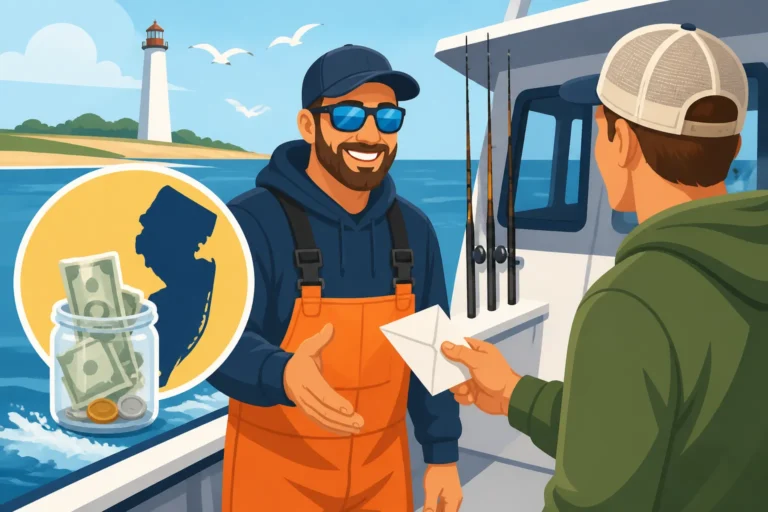
Tipping your guide is standard practice in the industry and is a crucial part of their income. A typical gratuity for a well-deserved full-day trip is around 15-20% of the trip cost, and slightly less for a half-day. This acknowledges their hard work, local knowledge, patience, and effort in making your day enjoyable and productive. If there's also a mate (more common on larger saltwater charters), a separate tip for them is customary. Always present your tip discreetly and personally at the end of the trip. Your guide will certainly appreciate it!
Disclaimer
This article is for general informational purposes only and does not constitute professional advice. Laws, prices and regulations vary by location and change over time. Consult a qualified professional for guidance on your specific situation.